Starch Technique: Using the Absorption Method for Grains
The absorption method is a foundational cooking technique that ensures perfectly cooked grains, from fluffy rice to tender quinoa. By carefully measuring the ratio of liquid to grain, this method allows the grains to absorb all the liquid, resulting in even cooking and ideal texture. It's a simple yet precise approach that works wonders for a variety of grains. Whether you're a beginner or a seasoned cook, mastering this technique will elevate your grain dishes to new heights. The key is understanding the correct ratios and timing, ensuring that each grain is cooked through without becoming mushy or undercooked. This method is not only effective but also efficient, requiring minimal attention once the cooking process begins. With a few tips and tricks, you can consistently achieve restaurant-quality results at home. Let's dive into the details and uncover the secrets to perfect grains every time.
Notes
The absorption method works due to the controlled environment it creates for grains to cook evenly. The key to success lies in maintaining the correct liquid-to-grain ratio and ensuring that the heat is gentle enough to allow gradual absorption without overcooking. Common mistakes include using too much liquid, which results in mushy grains, or uncovering the pot during cooking, which lets steam escape and can lead to undercooked grains. For safety, always use oven mitts when handling hot cookware. To make ahead, cook the grains and store them in an airtight container in the refrigerator for up to 5 days. Reheat gently with a splash of water to restore moisture.
Steps
- 1 Measure out your grains and rinse them under cold water until the water runs clear.
- 2 Drain the grains thoroughly in a fine-mesh sieve.
- 3 In a saucepan, combine the rinsed grains with the appropriate amount of water or broth, typically a 1:2 ratio for most grains.
- 4 Add a pinch of salt to the liquid for extra flavor.
- 5 Bring the mixture to a boil over medium-high heat.
- 6 Once boiling, reduce the heat to low and cover the saucepan with a tight-fitting lid.
- 7 Simmer the grains undisturbed for the recommended time, usually 15-20 minutes for rice.
- 8 After cooking, remove the saucepan from the heat and let it sit, still covered, for an additional 5-10 minutes to allow the grains to steam and finish cooking.
- 9 Fluff the grains gently with a fork to separate them.
- 10 Taste and adjust seasoning if necessary.
- 11 Serve immediately or use as a base for other dishes.
Ingredients to explore
Recipes to try

Lemon Raspberry Cheesecake Parfaits
Creamy layers of lemon cheesecake meet tangy raspberry swirls in a delightful parfait that's as pretty as it is delicious.
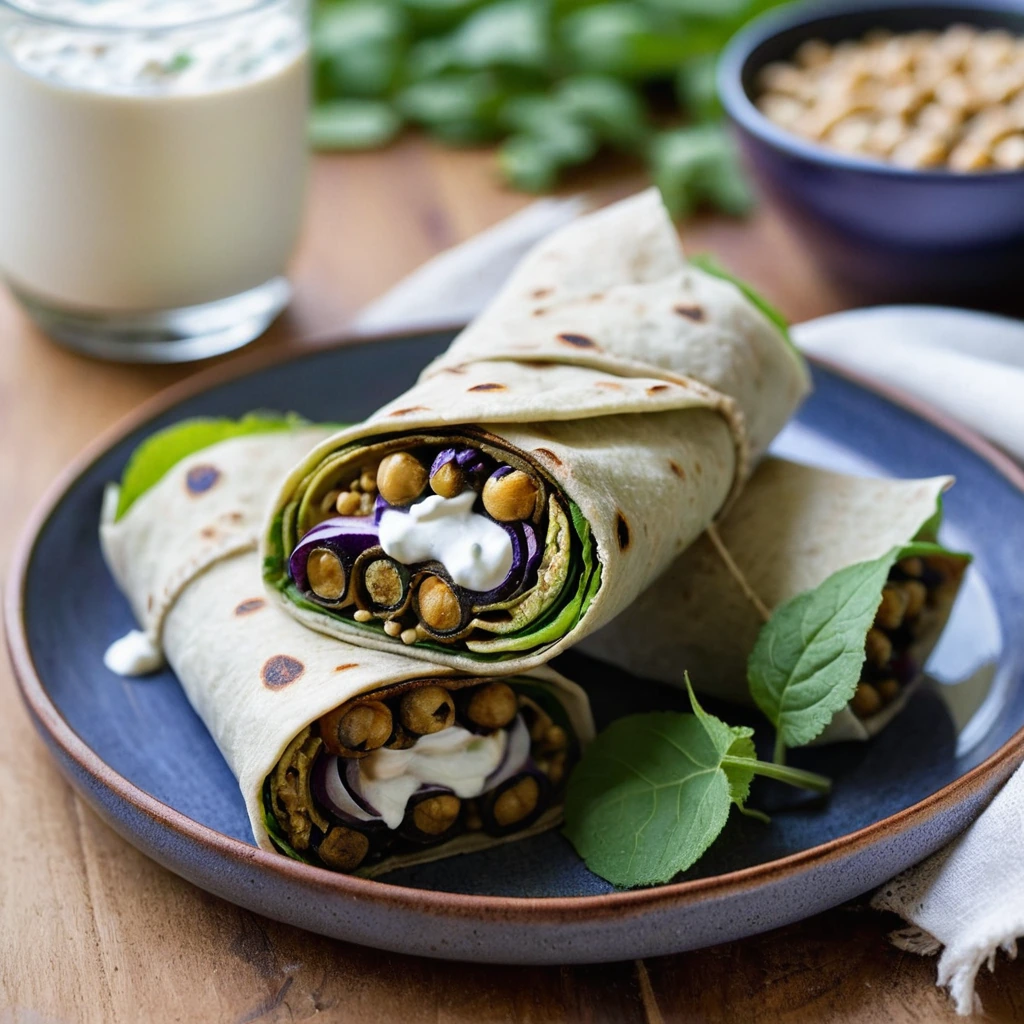
Roasted Eggplant and Chickpea Wraps with Yogurt
Creamy yogurt swirls with smoky roasted eggplant and hearty chickpeas, all wrapped in a warm tortilla for a veggie-packed meal.