Starch Technique: Shaping Gnocchi with Consistent Texture
The starch technique for shaping gnocchi is a game-changer for home cooks aiming to achieve restaurant-quality results. This method not only ensures consistent texture but also prevents sticking and enhances the gnocchi's ability to hold sauce. The key lies in dusting your hands and work surface with the right type of starch, typically rice flour or cornstarch, which absorbs excess moisture without gumming up the dough. Unlike traditional methods that rely on flour, this technique preserves the delicate flavor and pillowy texture of your gnocchi. It's particularly beneficial for gluten-free cooks, as it avoids the dense, heavy outcome often associated with gluten-free flours. The starch acts as a gentle barrier, allowing you to shape each piece without compressing the dough, which can lead to dense, chewy gnocchi. Additionally, this method streamlines the cooking process, as the starch helps the gnocchi to cook evenly and prevents them from sticking together in the pot. Understanding the science behind this technique involves recognizing how starch interacts with moisture and heat. By following the steps carefully, you can troubleshoot common issues like overly sticky dough or gnocchi that refuse to float. With practice, you'll master the art of creating gnocchi that are light, fluffy, and perfectly uniform in texture.
Notes
The science behind the starch technique lies in its ability to absorb moisture without adding bulk, unlike traditional flour dusting. This keeps the gnocchi light and airy. Troubleshooting common mistakes includes checking the moisture content of your dough; if it's too wet, add a touch more starch, but be cautious not to overdo it. Safety-wise, always handle boiling water with care to avoid burns. For storage, cooked gnocchi can be refrigerated for up to 2 days in an airtight container, lightly dusted with starch to prevent sticking. Reheat gently in sauce to maintain texture.
Steps
- 1 Prepare your gnocchi dough according to your recipe.
- 2 Dust a clean work surface and your hands lightly with rice flour or cornstarch.
- 3 Divide the dough into four equal portions.
- 4 Roll each portion into a log, about 3/4 inch in diameter, dusting with more starch as needed.
- 5 Cut the logs into 1-inch pieces, dusting each piece as you go.
- 6 Optionally, use a fork to create ridges on each piece for better sauce adherence.
- 7 Place the shaped gnocchi on a parchment-lined baking sheet, ensuring they don't touch.
- 8 Bring a large pot of salted water to a rolling boil.
- 9 Gently drop the gnocchi into the boiling water in batches.
- 10 Cook until the gnocchi float to the surface, about 2-3 minutes.
- 11 Remove with a slotted spoon and transfer to a serving dish.
- 12 Toss immediately with your favorite sauce to prevent sticking.
- 13 Serve hot and enjoy the consistent texture of your gnocchi.
Ingredients to explore
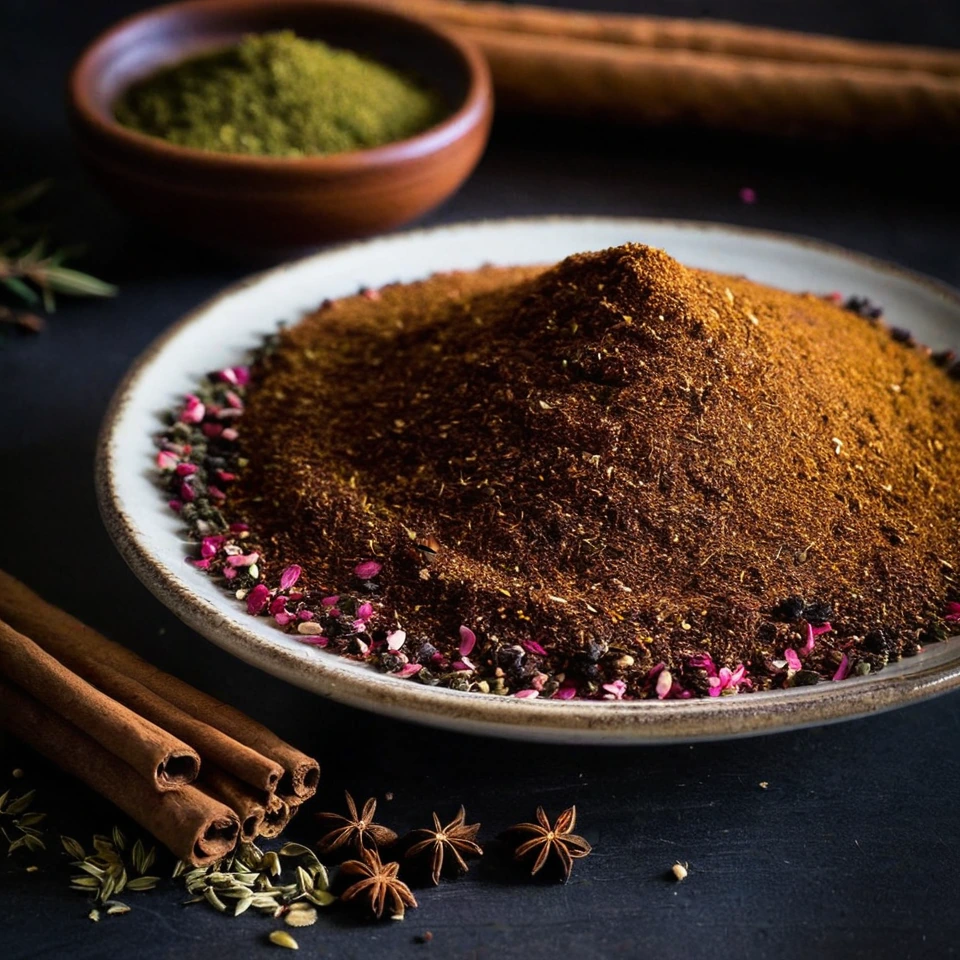
Advieh (Persian Spice Blend)
Advieh is a fragrant Persian spice blend that boasts a complex aroma of warm cinnamon, earthy cumin, and floral hints of rose and saffron. Its texture is finely ground, making it easy to incorporate into dishes. Originating from the rich culinary traditions of Iran, advieh adds depth and sophistication to both savory and sweet recipes. Its unique combination of spices reflects the historical spice trade routes that influenced Persian cuisine.
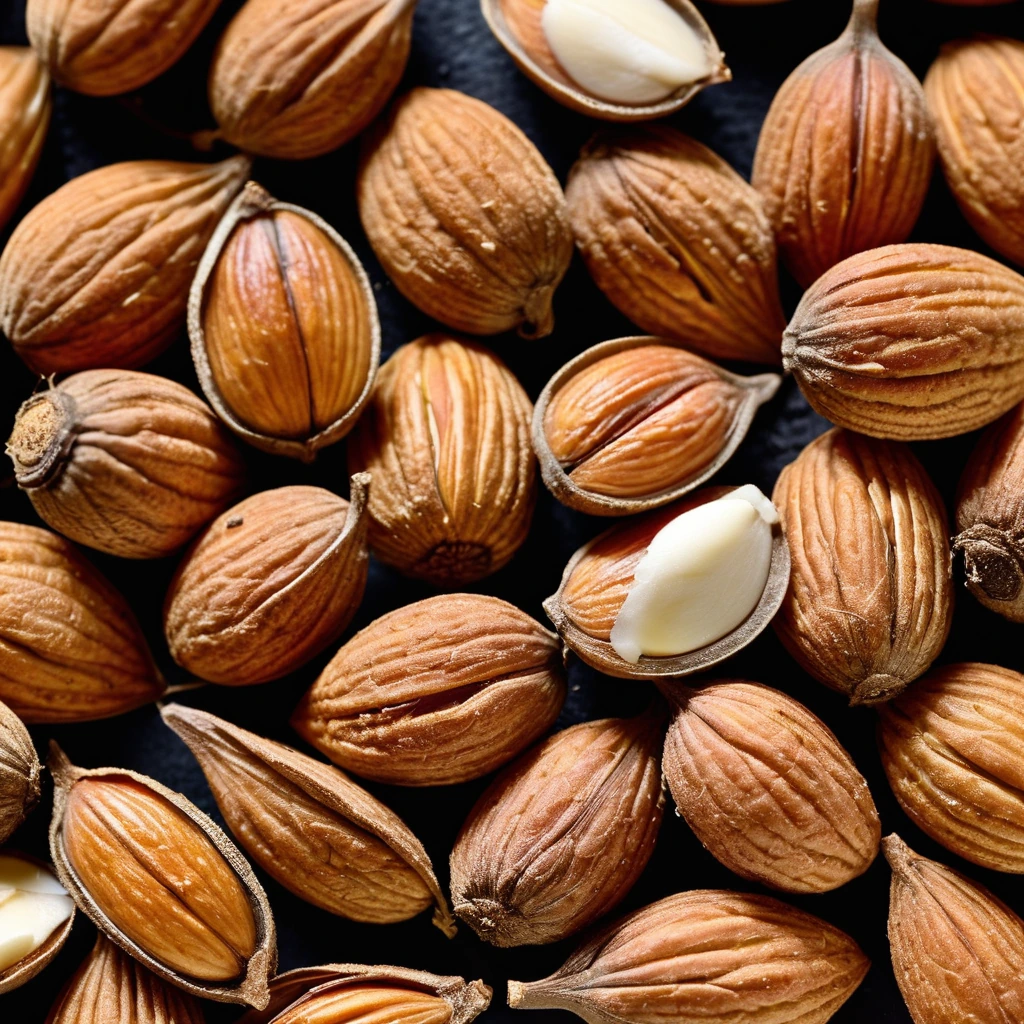
Almond Extract
A fragrant, golden elixir that captures the essence of freshly ground almonds, almond extract is a pantry staple that brings a rich, nutty aroma to your culinary creations.
Recipes to try
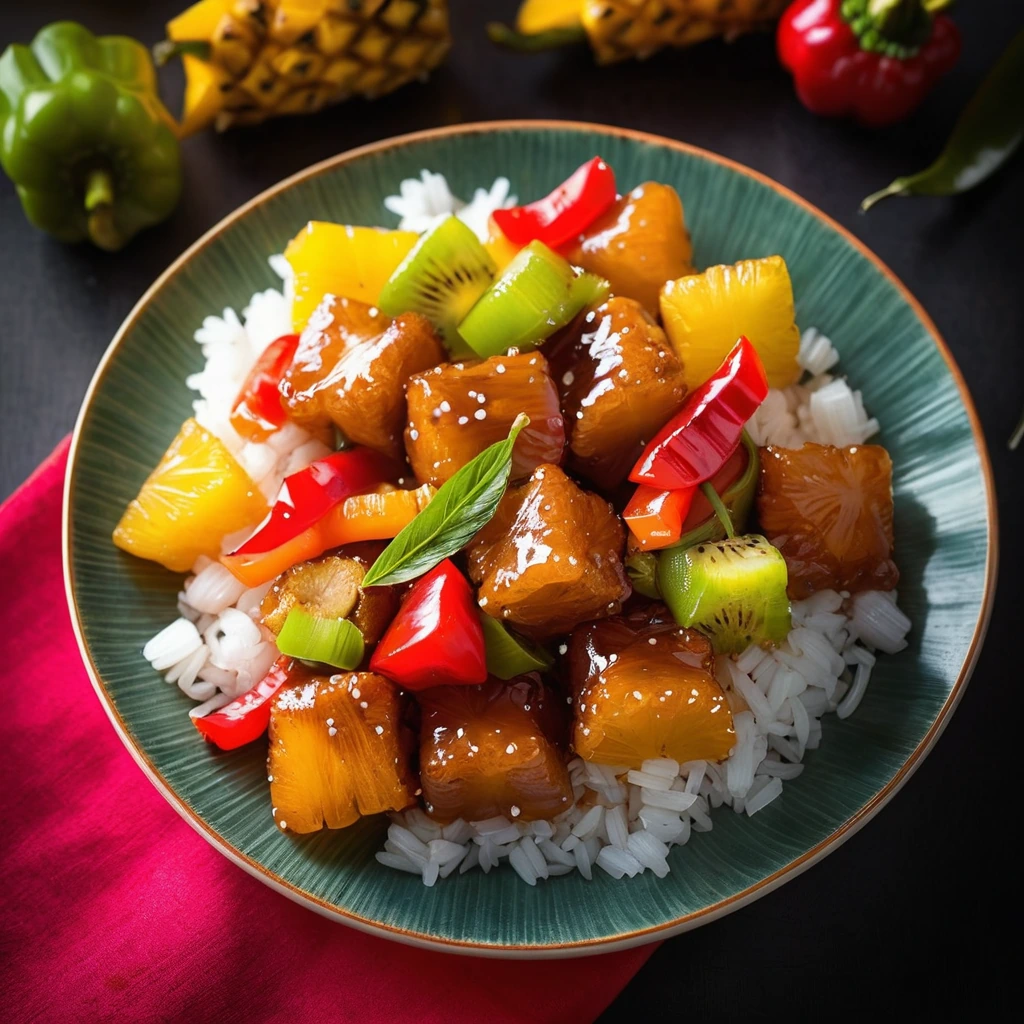
Sweet and Sour Pork with Pineapple and Peppers
Tangy, sweet, and a touch sour, this pork dish is a carnival of flavors with juicy pineapple chunks and crisp bell peppers.
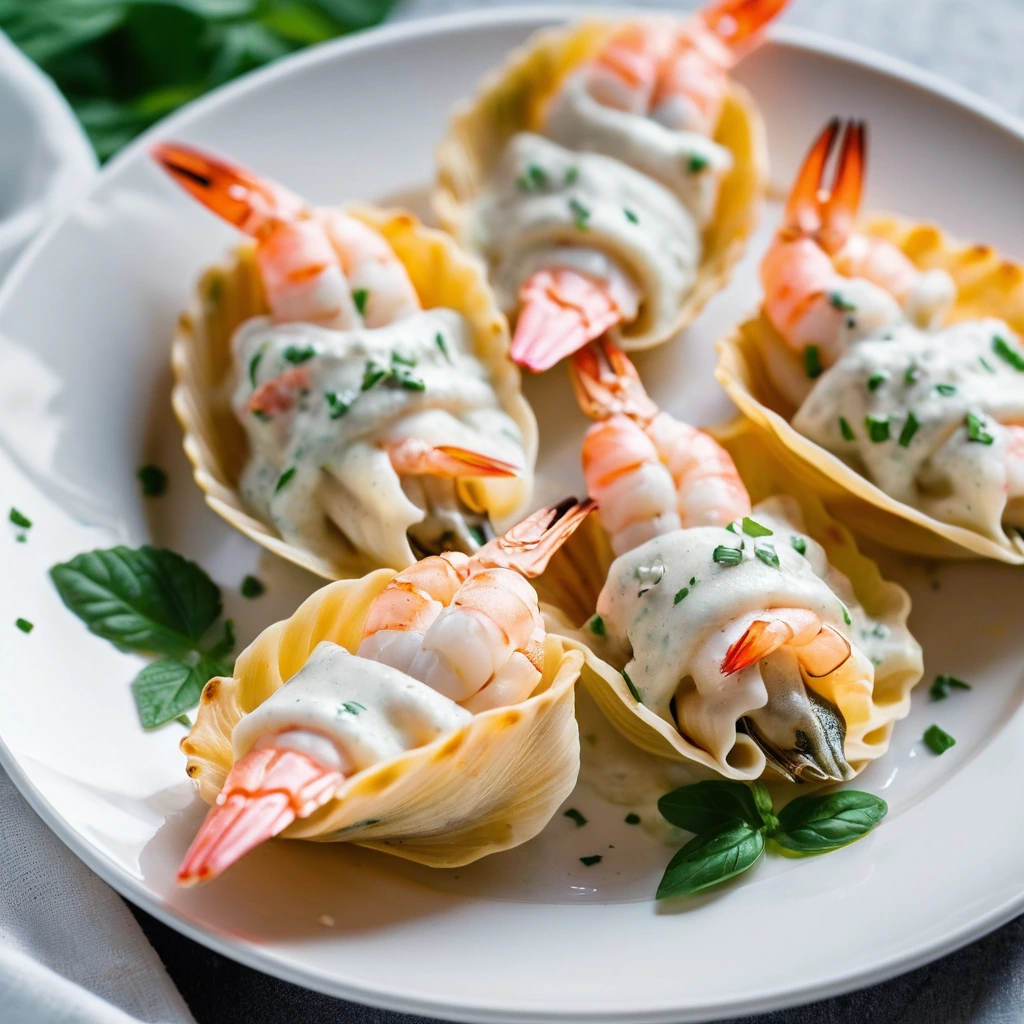
Shrimp Alfredo Stuffed Pasta Shells
Creamy, cheesy alfredo sauce stuffed into plump pasta shells and topped with succulent shrimp—comfort food at its finest.