Starch Technique: Cooking Quinoa Fluffy Without Bitterness
Cooking quinoa can be tricky; often, it ends up either too chewy or with an unpleasant bitterness. The key to fluffy, perfectly cooked quinoa lies in a simple starch technique that home cooks can easily master. This method leverages the natural starches in quinoa to create a tender, non-sticky texture while eliminating any bitterness. We'll dive into why quinoa can turn bitter, how rinsing affects its texture, and how controlling the starch content can lead to a perfect pot of quinoa every time. By understanding the science behind this technique, you'll be equipped to troubleshoot common issues like undercooked or overly soft quinoa. Whether you're preparing a side dish or a base for a hearty salad, this technique ensures your quinoa is consistently delicious. Let's explore how to harness the power of starch to elevate your quinoa game and make it a staple in your kitchen.
Notes
The bitterness in quinoa stems from natural compounds called saponins, which protect the seeds. Rinsing quinoa helps remove these compounds, but over-rinsing can strip away natural starches that contribute to a fluffy texture. This technique balances rinsing with retaining some starch to achieve ideal results. Common mistakes include using too much water or not covering the pot properly, leading to dry or mushy quinoa. To store, place cooled quinoa in an airtight container in the fridge for up to 5 days. Reheat gently with a splash of water to maintain texture. Always ensure quinoa is fully cooked to avoid digestive discomfort.
Steps
- 1 Measure 1 cup of quinoa and place it in a fine-mesh strainer.
- 2 Rinse quinoa under cold water for 30 seconds to remove excess saponins, which cause bitterness.
- 3 Pat quinoa dry with a clean kitchen towel to remove excess moisture.
- 4 In a medium saucepan, combine the dried quinoa with 1 ¾ cups of water.
- 5 Add a pinch of salt to the water to enhance flavor.
- 6 Bring the mixture to a boil over medium-high heat.
- 7 Once boiling, reduce heat to low, cover with a tight-fitting lid, and simmer for 15 minutes.
- 8 Remove from heat and let sit, covered, for an additional 5 minutes.
- 9 Fluff quinoa gently with a fork to separate the grains.
- 10 Check texture; if too firm, cover and let sit for another 2-3 minutes.
Ingredients to explore
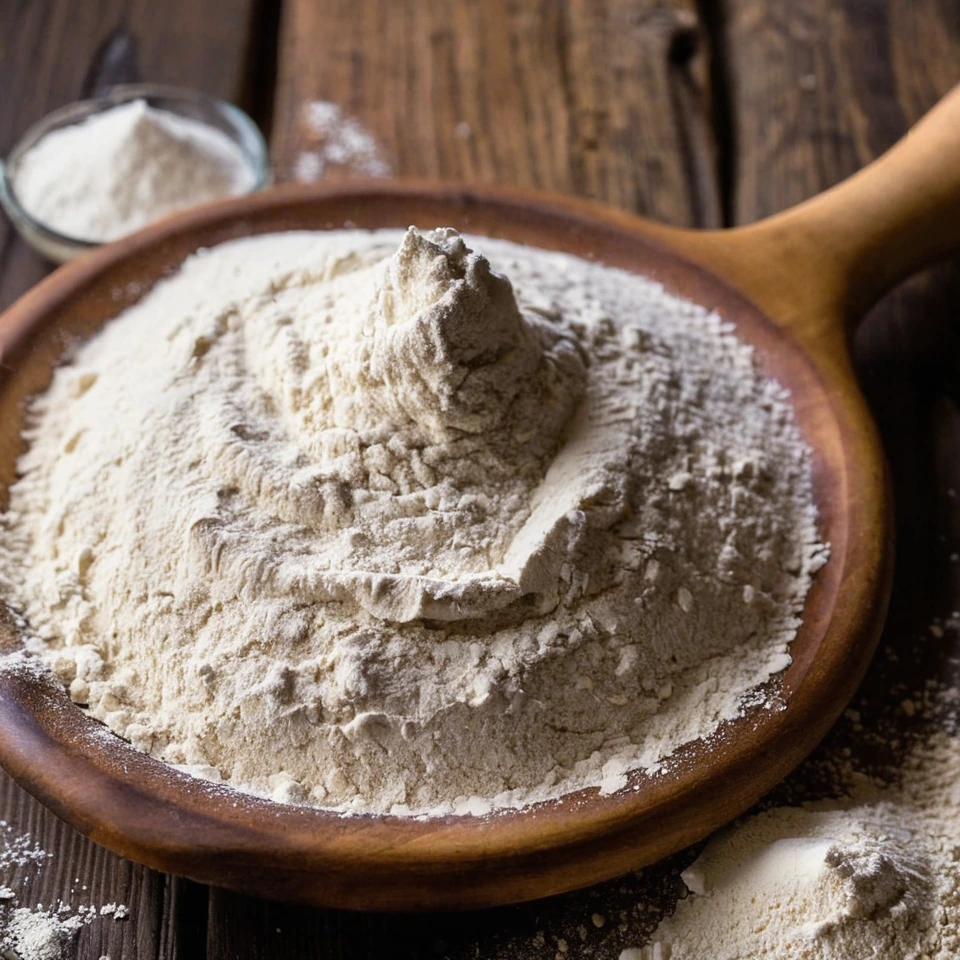
All-Purpose Flour
All-purpose flour is a versatile wheat flour that contains a moderate level of protein and gluten, making it suitable for a wide range of baking and cooking needs.
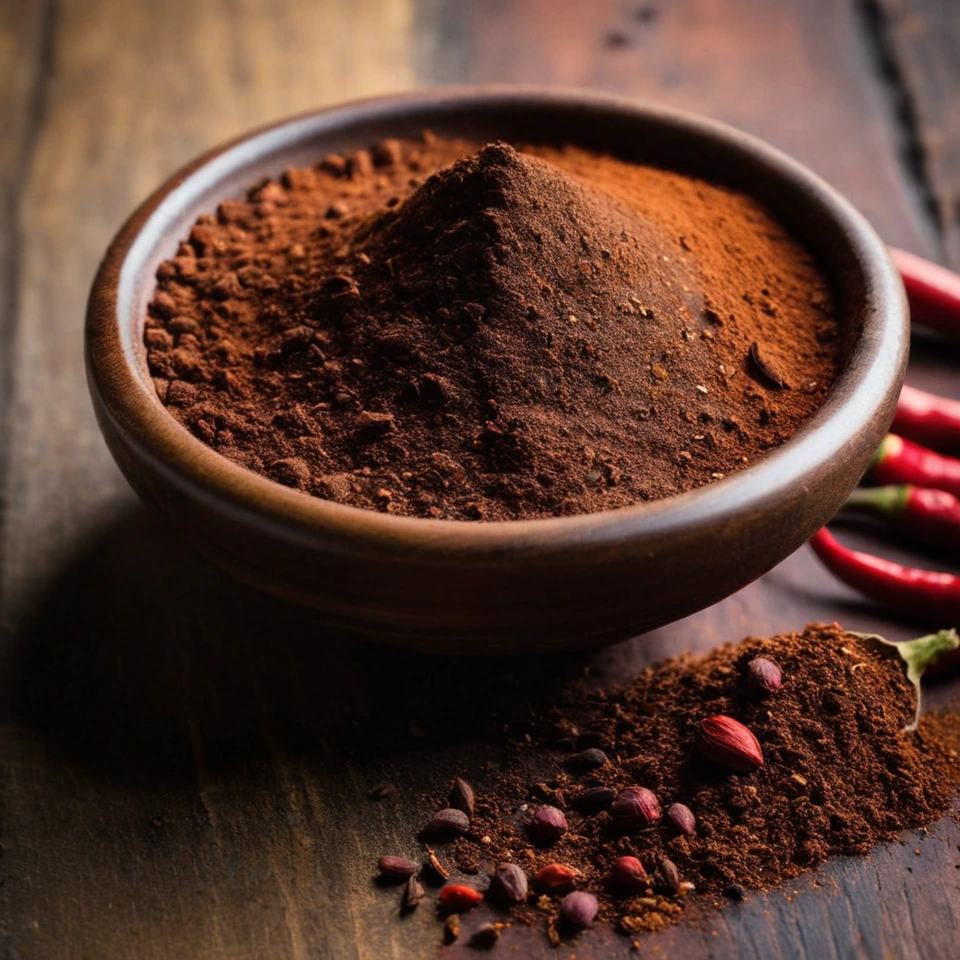
Ancho Chili Powder
Ancho chili powder offers a deep, smoky sweetness with hints of dried fruit and cocoa, reminiscent of its origin as dried poblano peppers from Mexico. Its aroma is warm and inviting, with a mild heat that lingers gently. The texture is fine and velvety, making it easy to incorporate into a variety of dishes. This powder is prized for its ability to add complexity without overwhelming spice, ideal for enriching both traditional Mexican moles and contemporary global cuisines.
Recipes to try
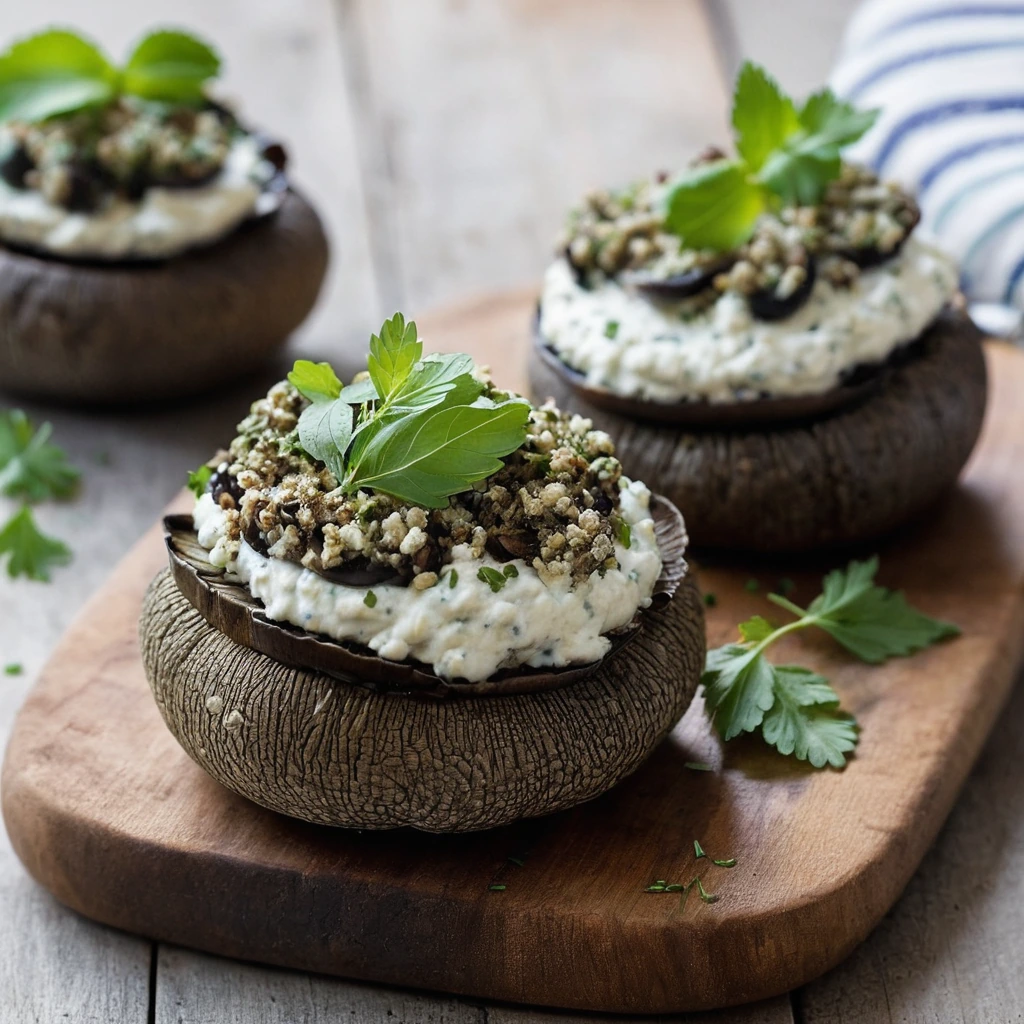
Stuffed Portobello Mushrooms with Herbed Ricotta
These earthy portobello mushrooms are stuffed with a creamy, herbed ricotta mixture, offering a satisfying vegetarian delight that's both elegant and easy.
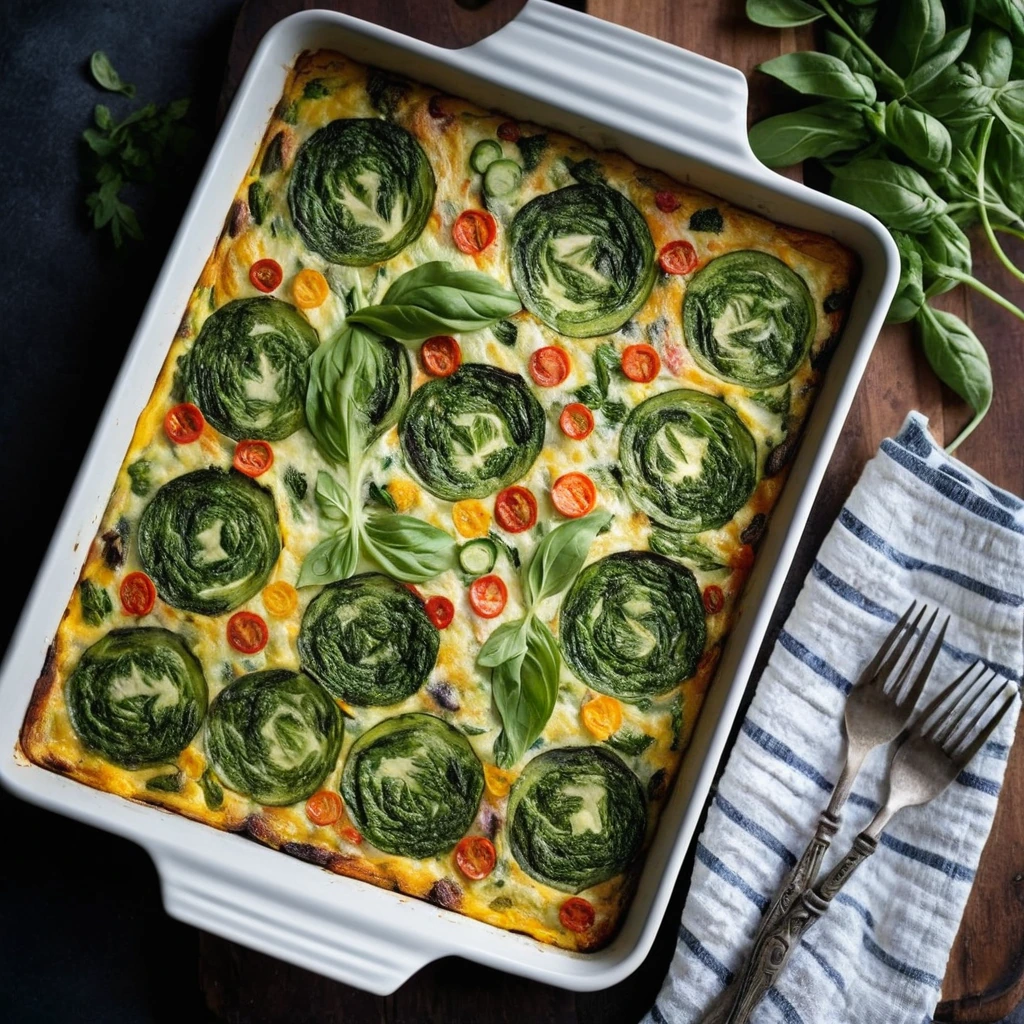
Veggie and Cheese Sheet Pan Frittata
Imagine a golden, bubbly frittata loaded with colorful veggies and melty cheese, all baked to perfection on a single sheet pan.