Soups: Finishing with Cream vs Creme Fraiche
When it comes to elevating your soup game, the choice between cream and crème fraîche can make all the difference. Both are dairy staples that bring richness and a velvety texture to soups, but they each have unique properties that can impact the flavor and stability of your dish. Cream, with its high fat content, adds a luxurious mouthfeel and is ideal for soups that require a smooth, melt-in-your-mouth consistency. However, it can curdle if added to a soup that's too hot. Crème fraîche, on the other hand, is a cultured cream that's thicker and tangier, offering a delightful contrast to rich or spicy soups. Its acidity makes it more heat-stable, so it holds up beautifully when stirred into piping hot broth without breaking. Understanding when to use each can help you achieve the perfect balance in your soups, whether you're aiming for opulent decadence or a lively tang. This technique dives into the nuances of both options, helping you decide which to use based on your recipe's needs and your desired outcome.
Notes
Cream's high fat content makes it prone to curdling when exposed to high heat, so it's essential to temper it before adding to hot soup. Crème fraîche, with its bacterial culture, is naturally more stable and can withstand higher temperatures without breaking, making it a more forgiving option. If you notice your cream starting to curdle, immediately remove the soup from heat and stop stirring. To prevent this issue, always ensure your soup is not too hot before adding cream. For storage, allow the soup to cool before refrigerating, and consume within 3-4 days. Both cream and crème fraîche will thicken upon chilling, so you may need to reheat gently before serving again.
Steps
- 1 Prepare your soup base according to your recipe, ensuring it's seasoned well.
- 2 Taste the soup and adjust seasoning before adding the dairy, as it will mellow the flavors.
- 3 If using cream, gently warm it in a small saucepan to take the chill off, but do not boil.
- 4 For cream, slowly whisk it into the soup, ensuring the soup is no hotter than 180°F to prevent curdling.
- 5 If opting for crème fraîche, you can add it directly to the hot soup without pre-warming.
- 6 Stir the crème fraîche in gently but thoroughly to maintain its texture and tang.
- 7 Bring the soup to a gentle simmer after adding either cream or crème fraîche to meld the flavors.
- 8 Avoid boiling the soup after adding the dairy to preserve its smooth texture.
- 9 Simmer for 2-3 minutes to allow the flavors to integrate, then remove from heat.
- 10 Taste and adjust seasoning once more, as the dairy can dilute the initial seasoning.
- 11 Serve immediately to enjoy the optimal texture and flavor profile.
- 12 For presentation, consider a dollop of crème fraîche on top for a visual and textural contrast.
- 13 Garnish with fresh herbs or a drizzle of oil if desired, to complement the richness of the dairy.
Ingredients to explore
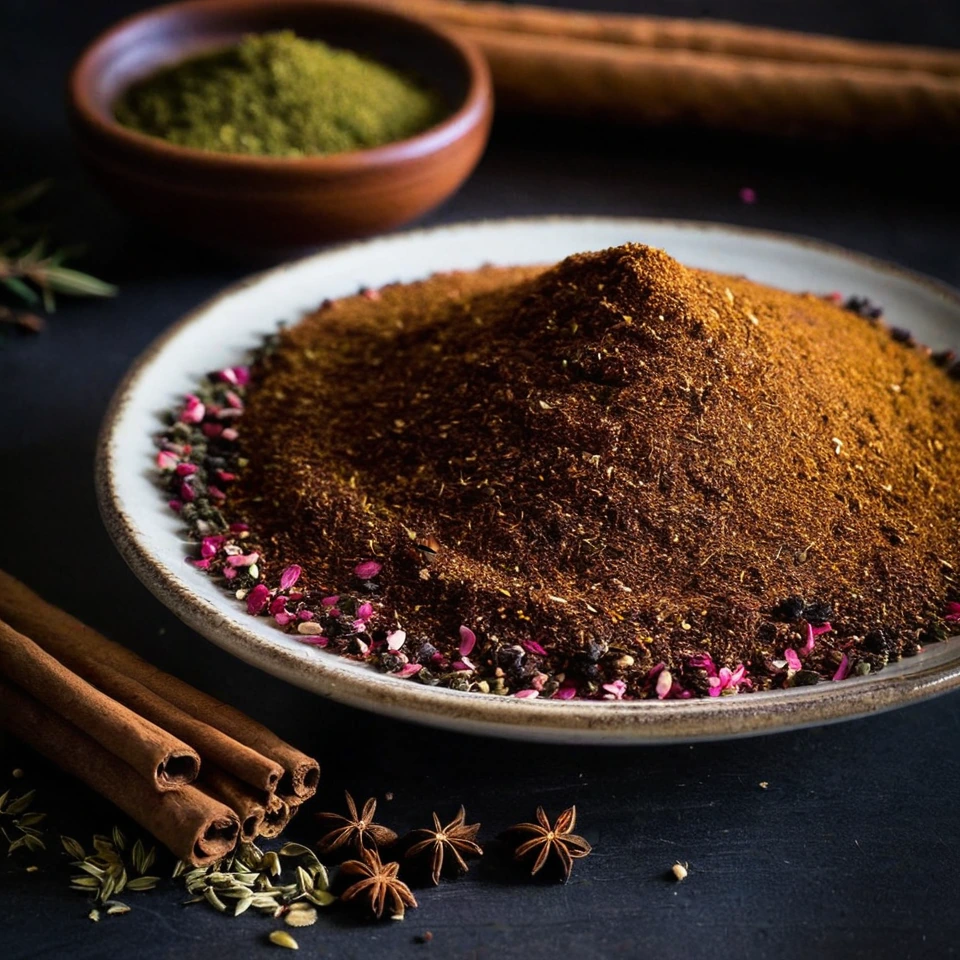
Advieh (Persian Spice Blend)
Advieh is a fragrant Persian spice blend that boasts a complex aroma of warm cinnamon, earthy cumin, and floral hints of rose and saffron. Its texture is finely ground, making it easy to incorporate into dishes. Originating from the rich culinary traditions of Iran, advieh adds depth and sophistication to both savory and sweet recipes. Its unique combination of spices reflects the historical spice trade routes that influenced Persian cuisine.
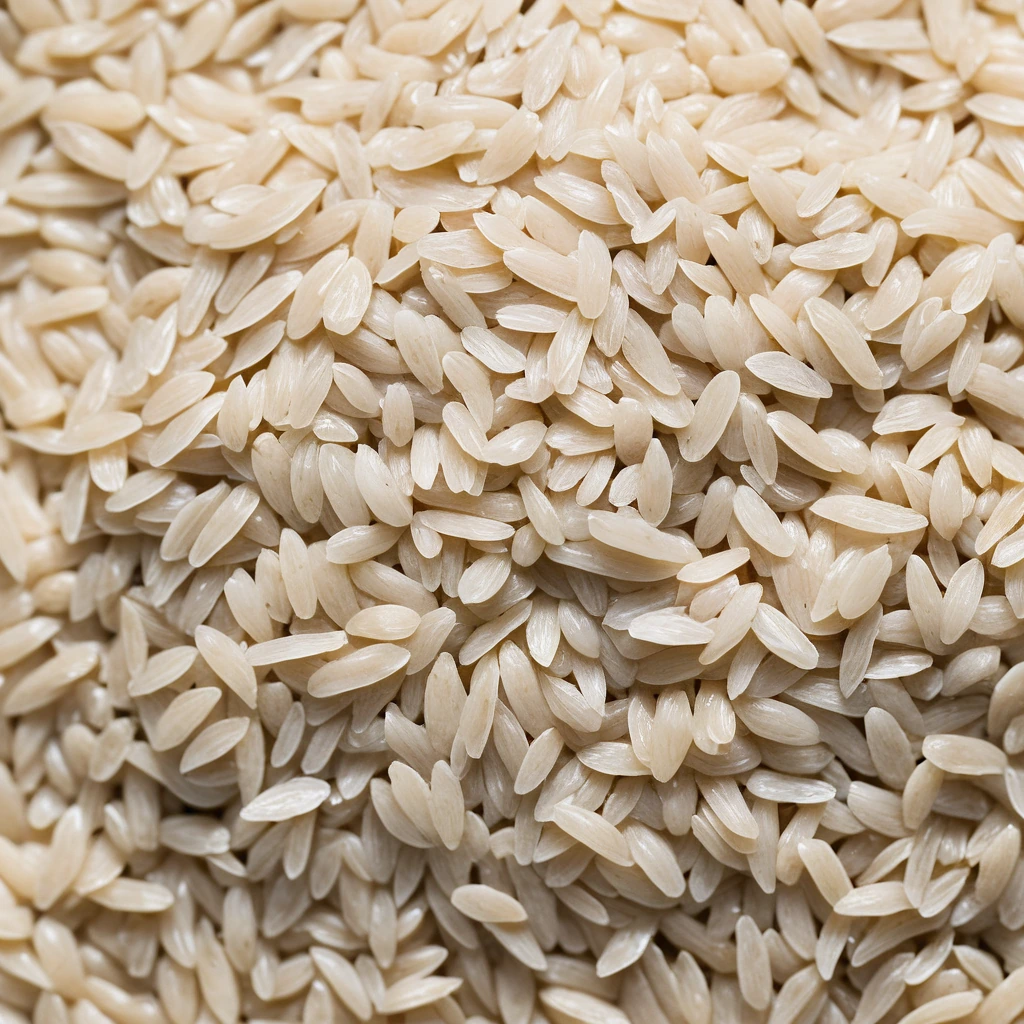
Arborio Rice
Arborio rice is a short-grain Italian rice variety renowned for its use in risotto. Originating from the Po Valley in Northern Italy, it is a staple in Italian cuisine. Its flavor is mild and nutty, with a pleasant creamy texture when cooked due to its high amylopectin content, which releases starch and creates a velvety consistency. The grains remain plump and firm to the bite, offering a satisfying chewiness. In cooking, Arborio rice excels at absorbing flavors from broths and seasonings while maintaining its shape, making it ideal for dishes that require both creaminess and structure.
Recipes to try
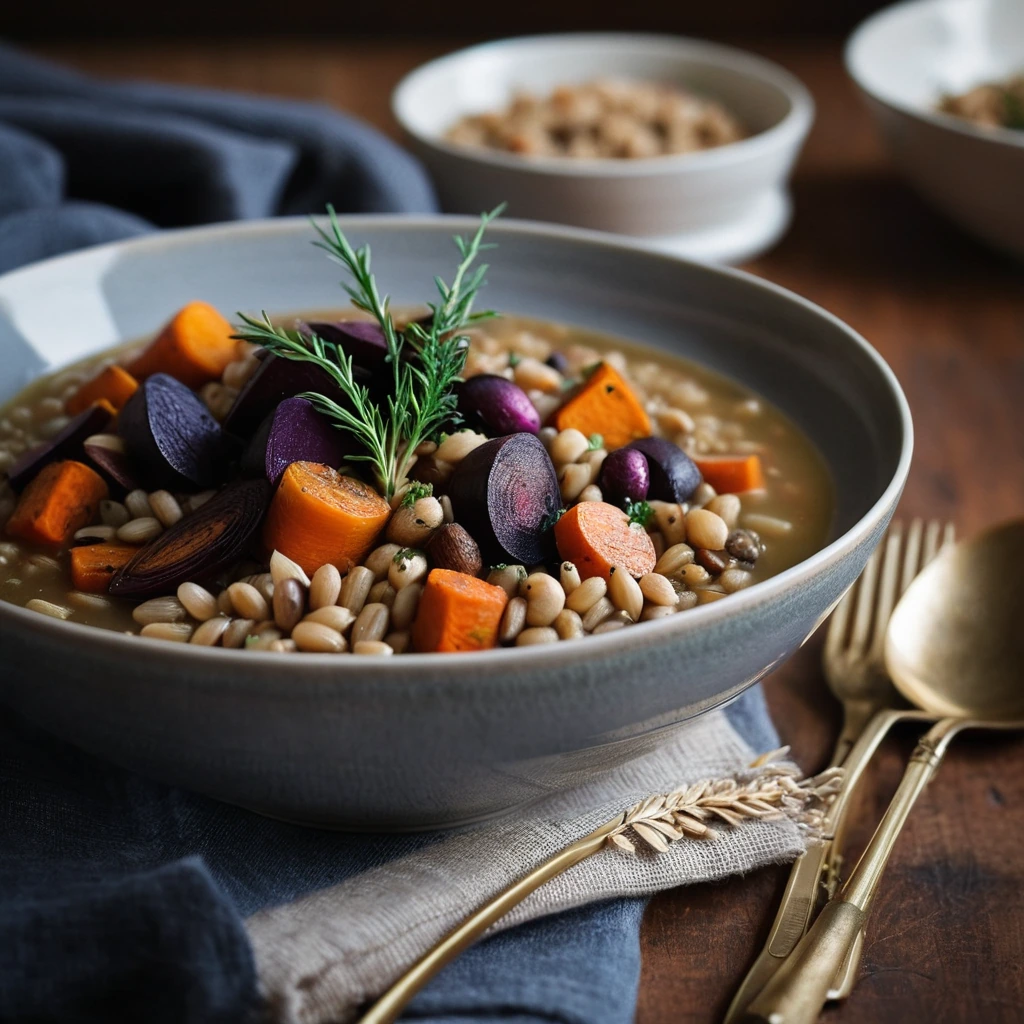
Roasted Root Vegetable and Barley Stew
Hearty and deeply flavorful, this stew marries caramelized root veggies with chewy barley for a comforting bowlful of warmth.

Sausage and Feta Stuffed Mini Peppers
These adorable mini peppers are packed with a savory blend of sausage and creamy feta, delivering a burst of flavor in every bite.