Slow Cooker: Layering Ingredients for Best Texture
Mastering the art of layering ingredients in a slow cooker is crucial for achieving optimal texture in your dishes. This technique is not just about piling ingredients into your cooker; it's about understanding how different foods behave under prolonged, gentle heat. Meats, vegetables, and liquids each have unique properties that, when layered correctly, can transform a simple meal into a culinary masterpiece. The key is to harness the slow cooker's low, even heat to meld flavors while preserving the integrity of each ingredient. Root vegetables like carrots and potatoes require more time to soften, while delicate items like leafy greens and fresh herbs need to be added at the right time to avoid becoming mushy. Layering also impacts how liquids distribute throughout the dish, ensuring even cooking and preventing dryness. This technique applies to stews, soups, and even pulled meats, ensuring every bite is tender and full of flavor. Understanding the science behind this process allows you to control the cooking environment within your slow cooker, leading to dishes that are rich, hearty, and perfectly textured.
Notes
The science behind layering is simple: heat rises, and so do flavors when properly layered. Tougher ingredients require more time to break down, which is why they belong at the bottom. Meanwhile, delicate ingredients need less time and should be placed closer to the top. A common mistake is overcrowding the cooker, which can lead to uneven cooking. Ensure there’s enough space for heat to circulate. Safety is paramount; always use oven mitts when handling a hot slow cooker. For make-ahead meals, layer ingredients up to step 6, cover, and refrigerate overnight before cooking. Leftovers store well in the fridge for up to 4 days or can be frozen for up to 3 months.
Steps
- 1 Start with a base layer of aromatics like onions, garlic, and celery to build flavor.
- 2 Add tougher vegetables like carrots, potatoes, and parsnips next, ensuring even cooking.
- 3 Place meat on top of the vegetables to prevent it from drying out and to allow fat to baste lower layers.
- 4 Sprinkle seasonings directly on the meat for maximum absorption.
- 5 Pour in liquids such as broth or tomato sauce carefully to avoid washing away seasonings.
- 6 Add beans or grains if using, positioning them in gaps to absorb flavors from surrounding ingredients.
- 7 Finish with delicate vegetables like zucchini, bell peppers, or leafy greens to avoid overcooking.
- 8 Cover and cook on low for 8-10 hours or high for 4-6 hours, checking halfway through to ensure proper cooking.
Ingredients to explore
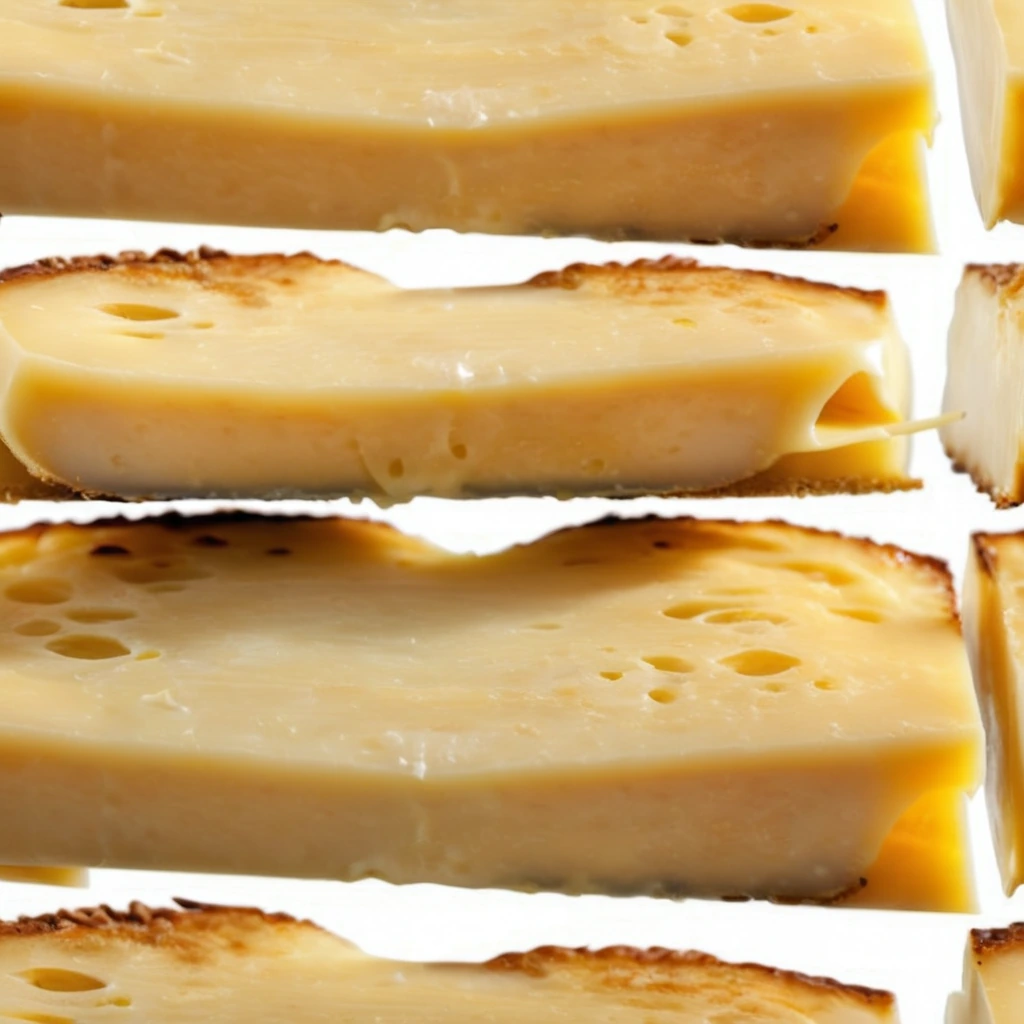
American Cheese Slices
Those iconic, perfectly pliable slices of creamy, mild American cheese. Each slice boasts a smooth, melt-in-your-mouth texture that brings comfort to any dish.
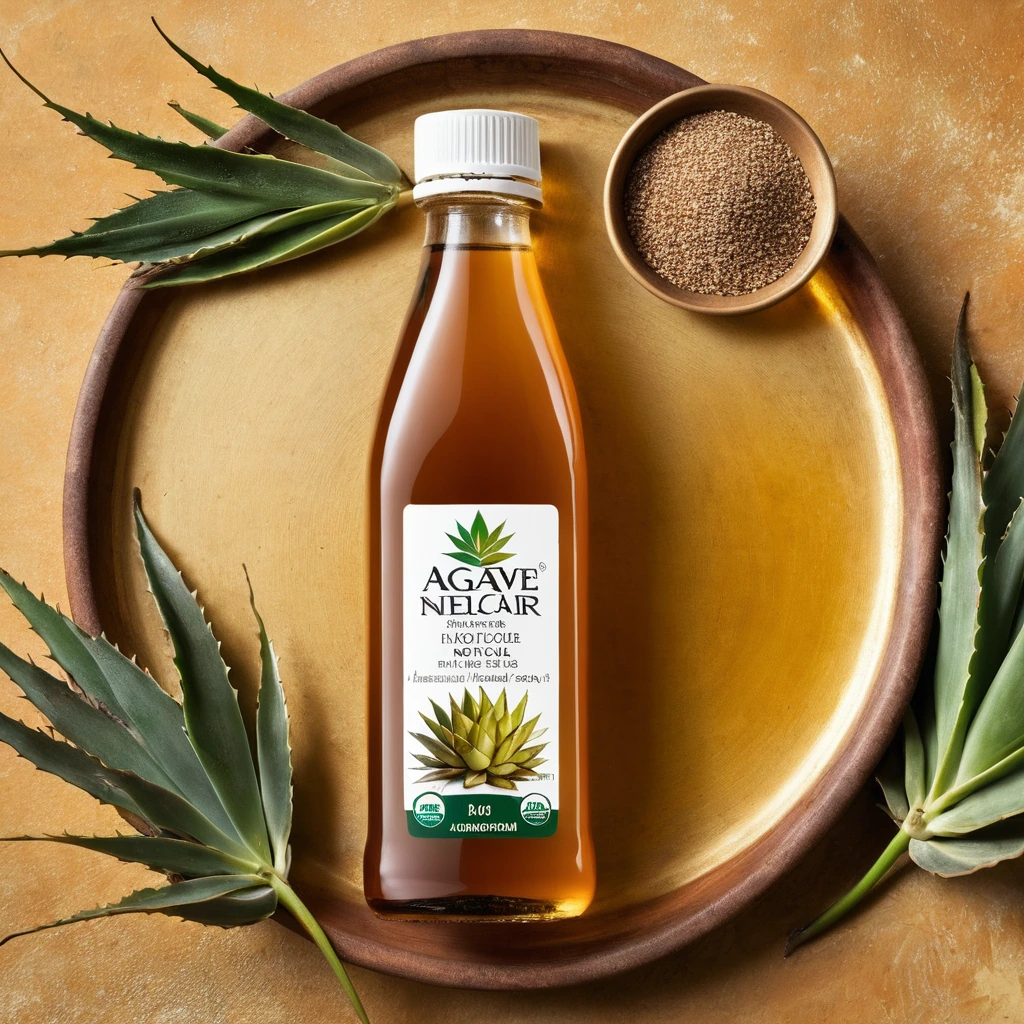
Agave Nectar
A golden, velvety sweetener derived from the agave plant, offering a subtly sweet flavor with a smooth, syrup-like texture.
Recipes to try
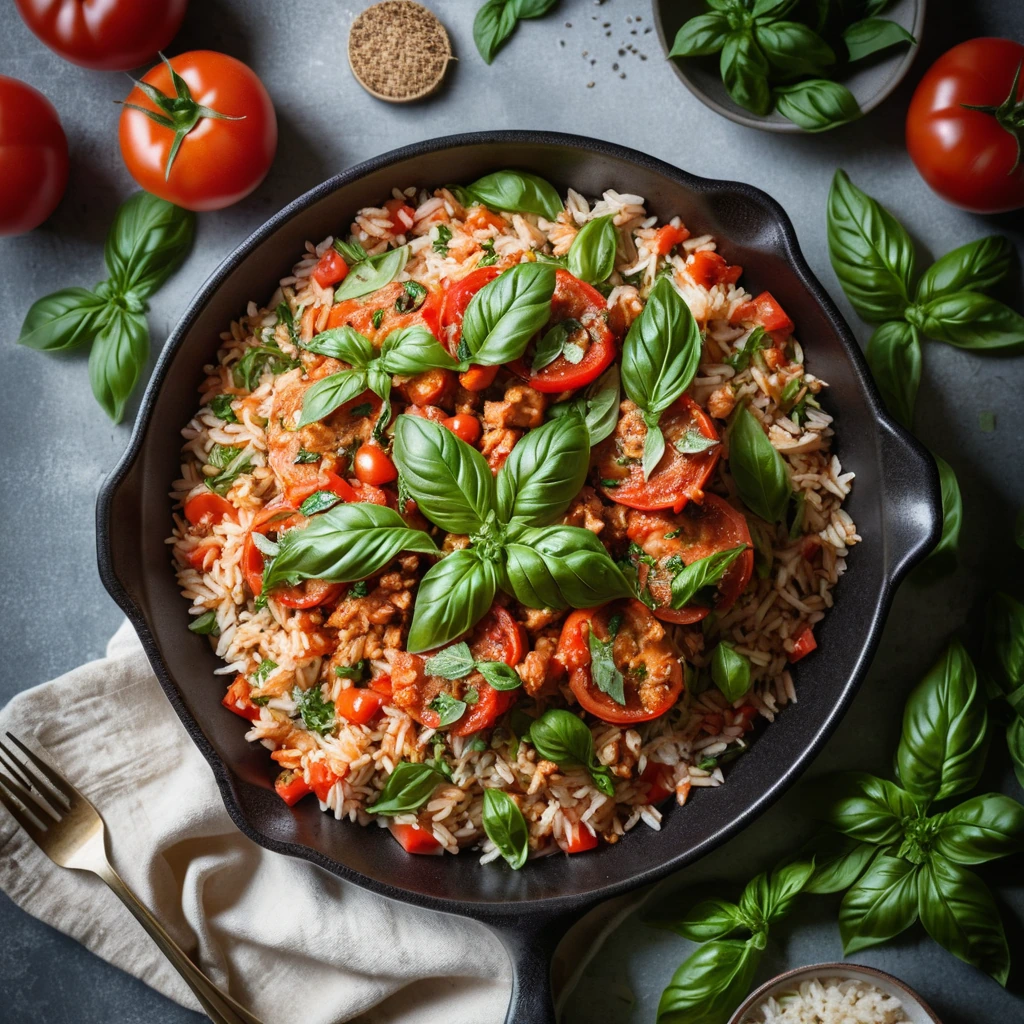
Tomato Basil Chicken and Rice Skillet
Golden chicken and fluffy rice simmered in a vibrant tomato-basil sauce, bursting with fresh garden flavors.
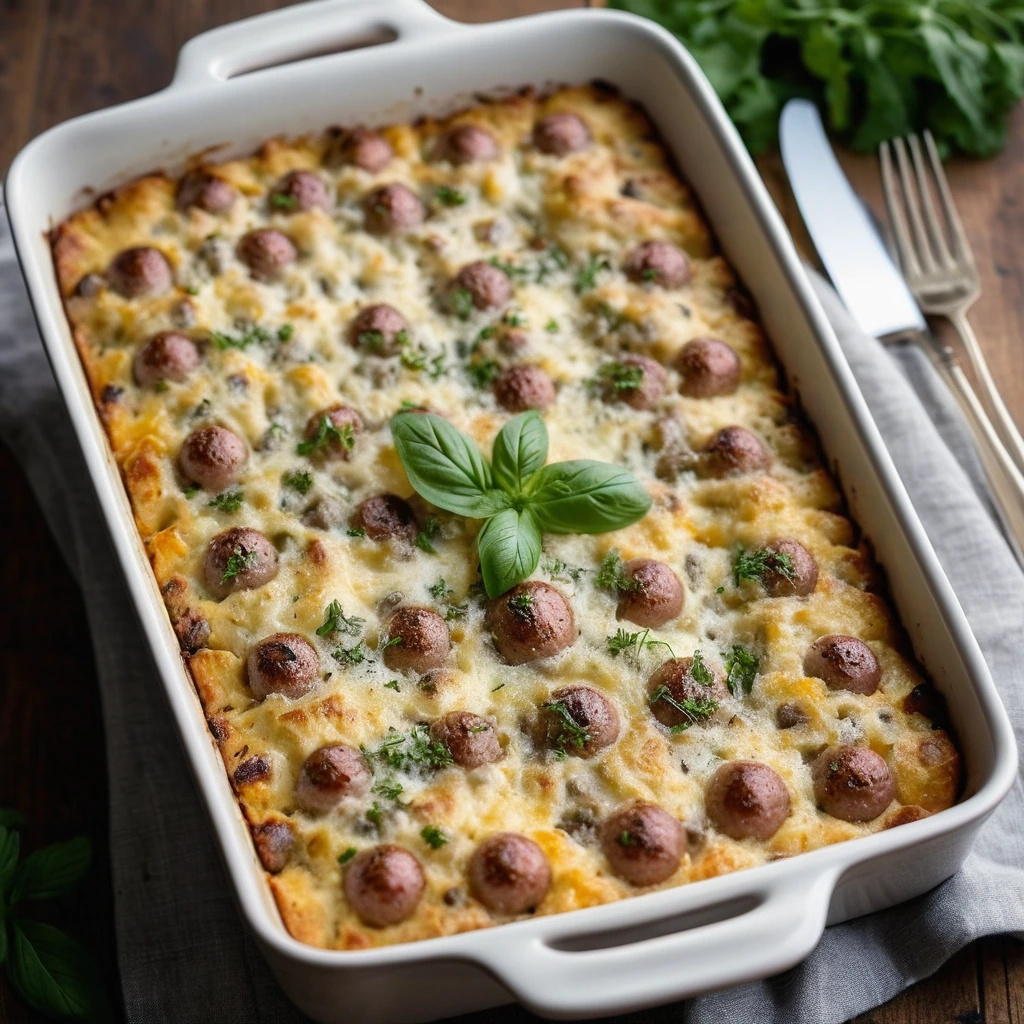
Sausage and Potato Breakfast Casserole
This hearty casserole combines savory sausage, crispy potatoes, and melty cheese into a golden, bubbly brunch masterpiece.