Seafood: Scoring Fish Skin for Crispy Sear
Achieving a perfectly crispy sear on fish can elevate your home cooking to restaurant standards. The secret lies in properly scoring the fish skin. This technique not only ensures even cooking but also creates a delightful, crunchy texture that fish lovers adore. When executed correctly, scoring the skin allows for better heat distribution, preventing the dreaded issue of undercooked centers and overcooked outsides. Moreover, it helps the skin adhere to the pan, maximizing contact and promoting that sought-after Maillard reaction. In this guide, we’ll delve into why scoring works, how to do it with precision, and tips to avoid common pitfalls. Whether you're grilling, pan-searing, or broiling, mastering this technique will transform your seafood dishes. Let’s get into the nitty-gritty of scoring fish skin to achieve that coveted crispy sear.
Notes
The science behind scoring is simple: it increases surface area, allowing more contact with the hot pan and better heat transfer. This encourages the proteins and fats in the skin to render and crisp up beautifully. A common mistake is cutting too deeply, which can cause the skin to tear or the flesh to overcook. Always use a very sharp knife to avoid jagged cuts. Safety is key, so take care when handling the knife. For best results, cook the fish immediately after scoring to prevent the skin from drying out. Leftovers can be stored in an airtight container in the fridge for up to two days, though the texture of the skin may change upon reheating.
Steps
- 1 Select a sharp chef’s knife for precision.
- 2 Pat the fish dry with paper towels to remove excess moisture.
- 3 Place the fish on a stable cutting board, skin-side up.
- 4 Hold the knife at a slight angle, almost parallel to the skin.
- 5 Starting from the tail end, make shallow diagonal cuts about 1/4 inch apart.
- 6 Ensure each cut is consistent in depth, about halfway through the skin.
- 7 Turn the fish and repeat scoring on the opposite side if desired.
- 8 Handle the fish gently to avoid tearing the skin.
- 9 Preheat your pan over medium-high heat until it’s hot.
- 10 Add oil with a high smoke point, like avocado or peanut oil.
- 11 Place the fish skin-side down in the pan immediately.
- 12 Press gently with a spatula for the first 30 seconds to ensure even contact.
- 13 Sear for 3-4 minutes or until the skin is crispy and golden.
- 14 Flip and cook the flesh side for an additional 2-3 minutes.
Ingredients to explore
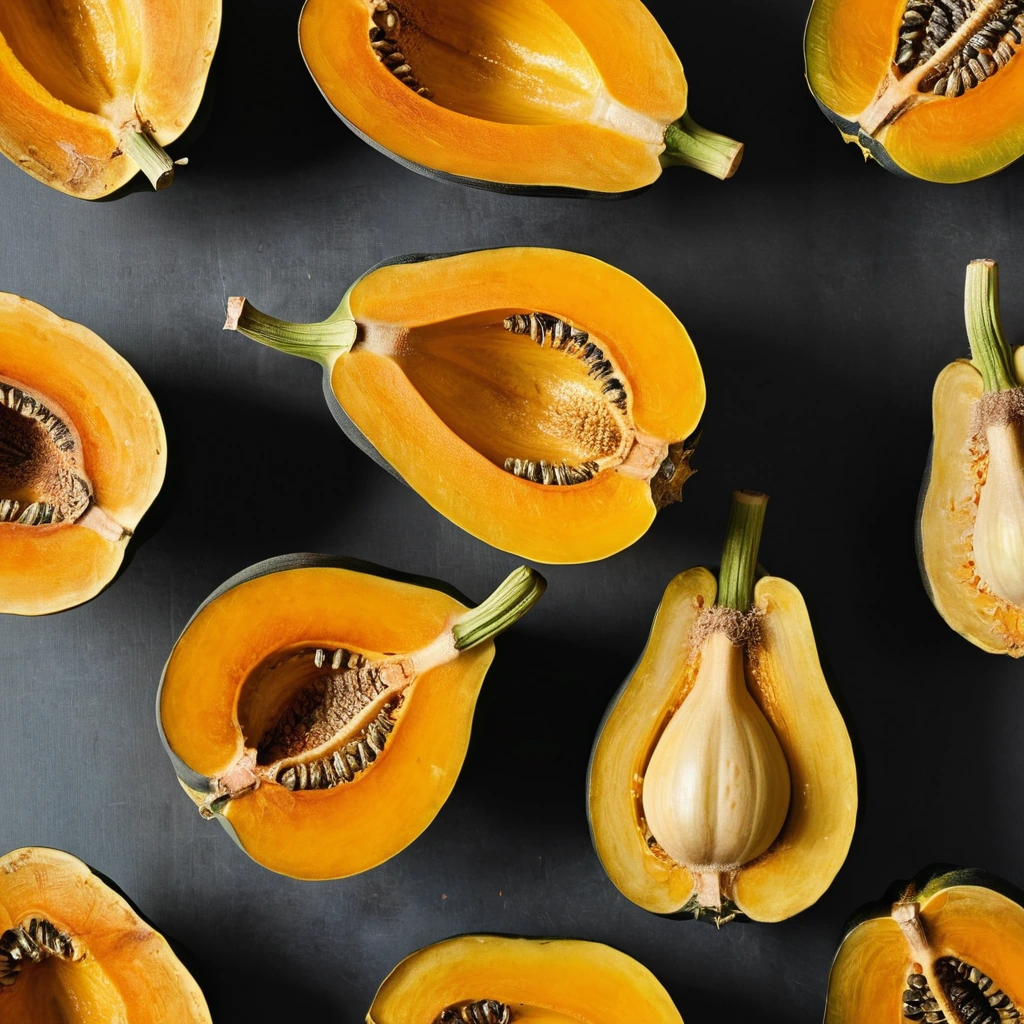
Acorn Squash
Acorn squash is a winter squash variety known for its distinctive teardrop shape and deep ridges resembling the texture of an acorn shell. Originating in the Americas, it has been cultivated for centuries and is a staple in autumn cuisine. The flesh is sweet and nutty with a hint of earthiness, offering a delightful contrast to savory dishes. Its texture is dense yet tender when cooked, making it ideal for roasting or pureeing. In cooking, acorn squash holds its shape well and absorbs flavors from herbs and spices, enhancing both its taste and versatility in recipes.

Andouille Sausage
Andouille sausage is a coarse-grained, smoked pork sausage with a rich history rooted in French cuisine, particularly from the Alsace region. It was adapted in Louisiana, where it became a staple in Cajun and Creole cooking. The sausage is known for its robust, smoky flavor with hints of garlic, pepper, and other spices, creating a spicy and savory profile. Its texture is firm yet slightly chewy, making it a hearty addition to dishes. When cooked, andouille sausage maintains its shape well and infuses dishes with its distinctive smoky essence, enhancing stews, soups, and rice dishes.
Recipes to try
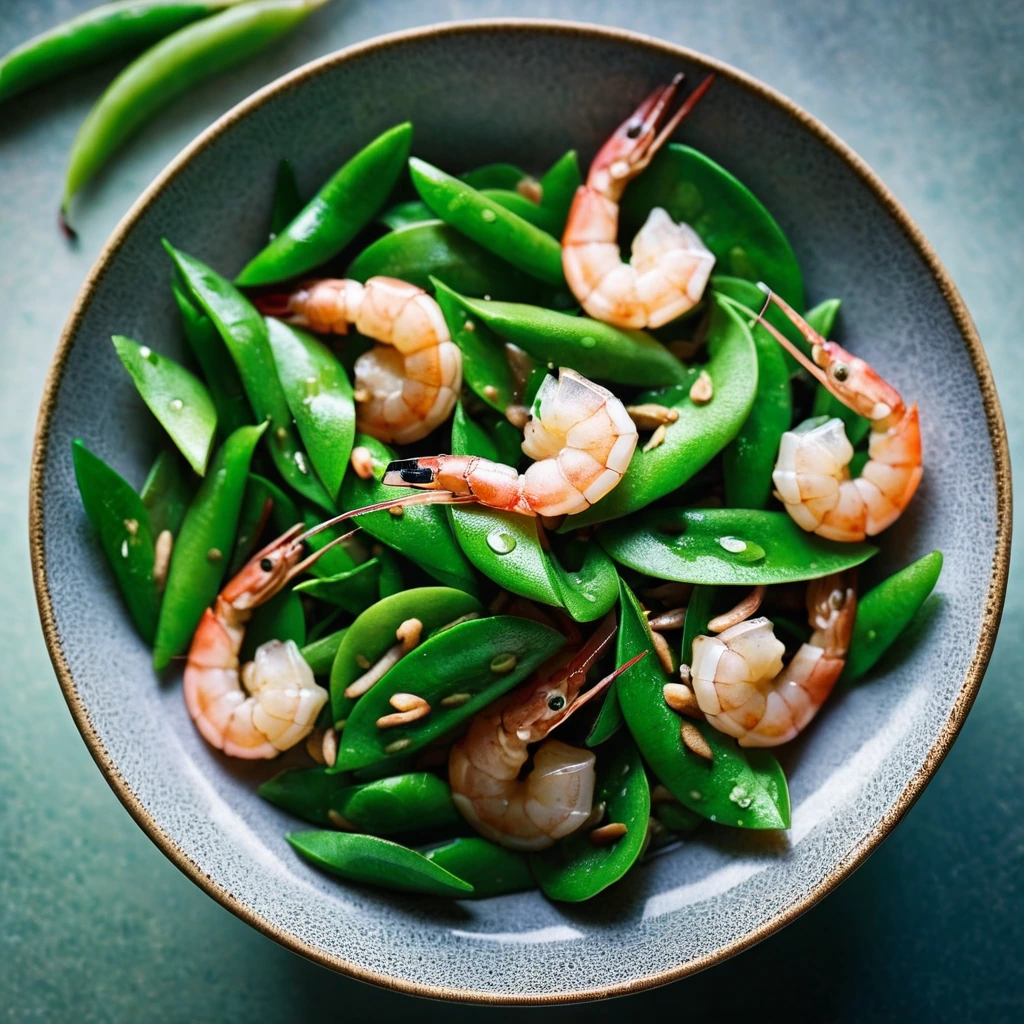
Shrimp and Snow Pea Stir Fry with Ginger
Succulent shrimp and crisp snow peas dance together in a fragrant, ginger-infused stir fry that's quick, zesty, and utterly satisfying.
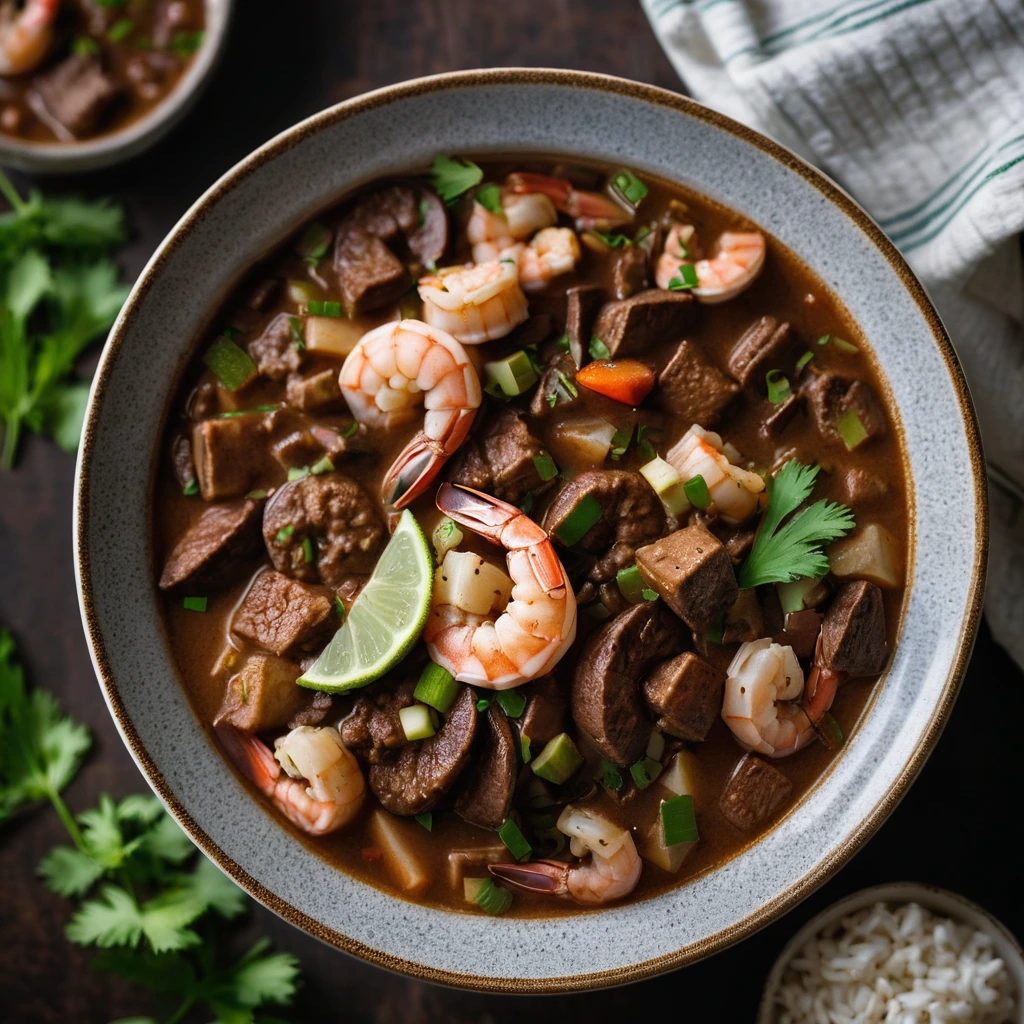
Shrimp and Sausage Gumbo Style Stew
A hearty, soul-warming stew packed with plump shrimp, spicy sausage, and a rich, dark roux-based broth.