Seafood: Removing Surface Moisture for Better Sear
Achieving a perfect sear on seafood is a skill that can elevate your home cooking to restaurant quality. The key to this technique lies in effectively removing surface moisture from the seafood before cooking. Excess moisture can lead to steaming rather than searing, resulting in a soggy exterior instead of the coveted crispy, golden crust. This technique applies to a variety of seafood, including fish fillets, shrimp, scallops, and more. By mastering this method, you'll unlock deeper flavors and a more appealing texture in your dishes. First, understanding the science is crucial: when water meets a hot surface, it evaporates, and this can lower the surface temperature, hindering the Maillard reaction that creates flavorful browning. Second, patting dry your seafood properly ensures that it makes direct contact with the hot pan, creating a sizzle and encouraging caramelization. Finally, employing the right tools and techniques can make all the difference. Let's dive into the specifics of how to remove surface moisture for a better sear, transforming your seafood dishes into something extraordinary.
Notes
Removing surface moisture is vital for achieving that perfect sear because it allows the seafood to sizzle upon contact with the hot pan, initiating the Maillard reaction efficiently. A common mistake is rushing the drying process, leading to missed spots and uneven cooking. Ensure your towels are clean and dry to avoid reintroducing moisture. For safety, always handle sharp seafood bones with care. If preparing ahead, pat dry your seafood and store it uncovered in the refrigerator for up to an hour before cooking to maintain dryness. Proper storage in an airtight container can keep seared seafood fresh for up to two days.
Steps
- 1 Select fresh seafood of your choice, ensuring it is clean and ready for cooking.
- 2 Place a clean kitchen towel or paper towels on a flat surface.
- 3 Transfer the seafood onto the towel, ensuring pieces do not overlap.
- 4 Gently press another towel or paper towel onto the seafood, applying even pressure to absorb moisture.
- 5 Flip the seafood and repeat the patting process on the other side.
- 6 Check for any remaining moisture in crevices or folds, and remove it.
- 7 Allow the seafood to rest at room temperature for 5-10 minutes to equalize temperature.
- 8 Season the seafood immediately before cooking to prevent drawing out moisture.
- 9 Heat your pan over medium-high heat and add oil or butter until shimmering but not smoking.
Ingredients to explore
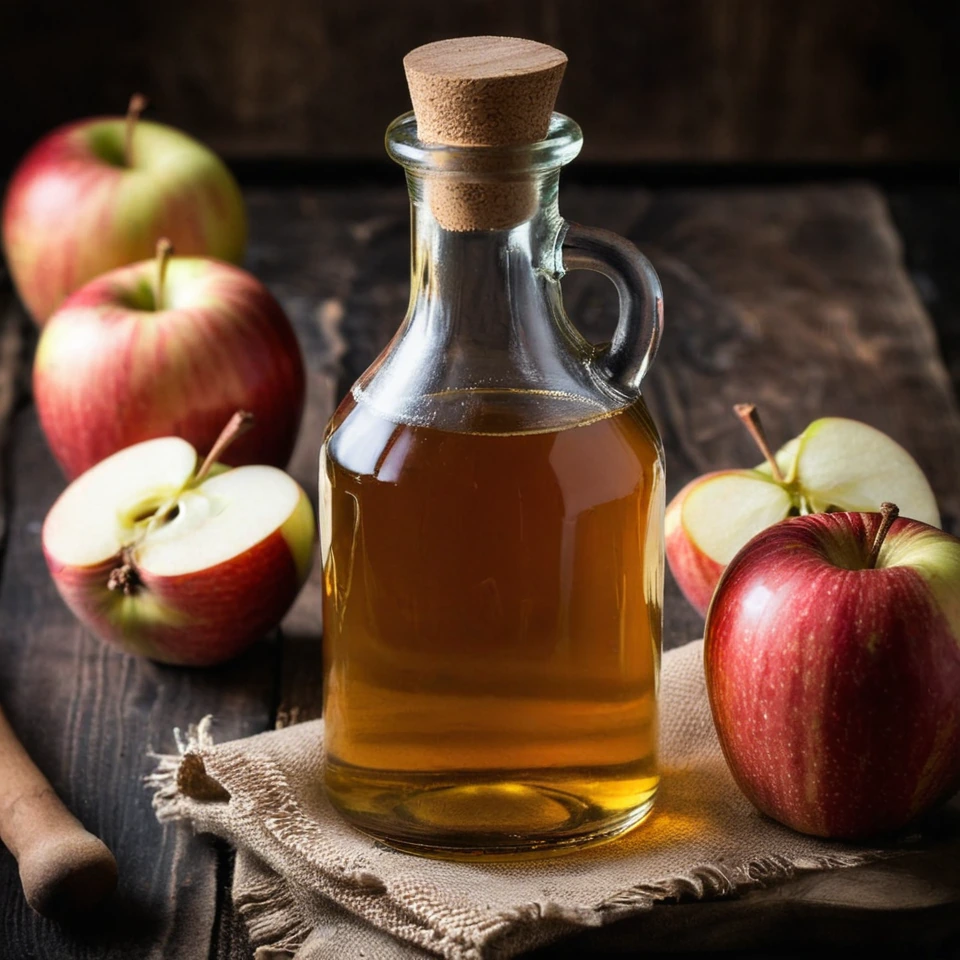
Apple Cider Vinegar
Apple cider vinegar is a type of vinegar made through the fermentation of apple cider, resulting in a tangy, slightly sweet liquid with a pale to medium amber color.
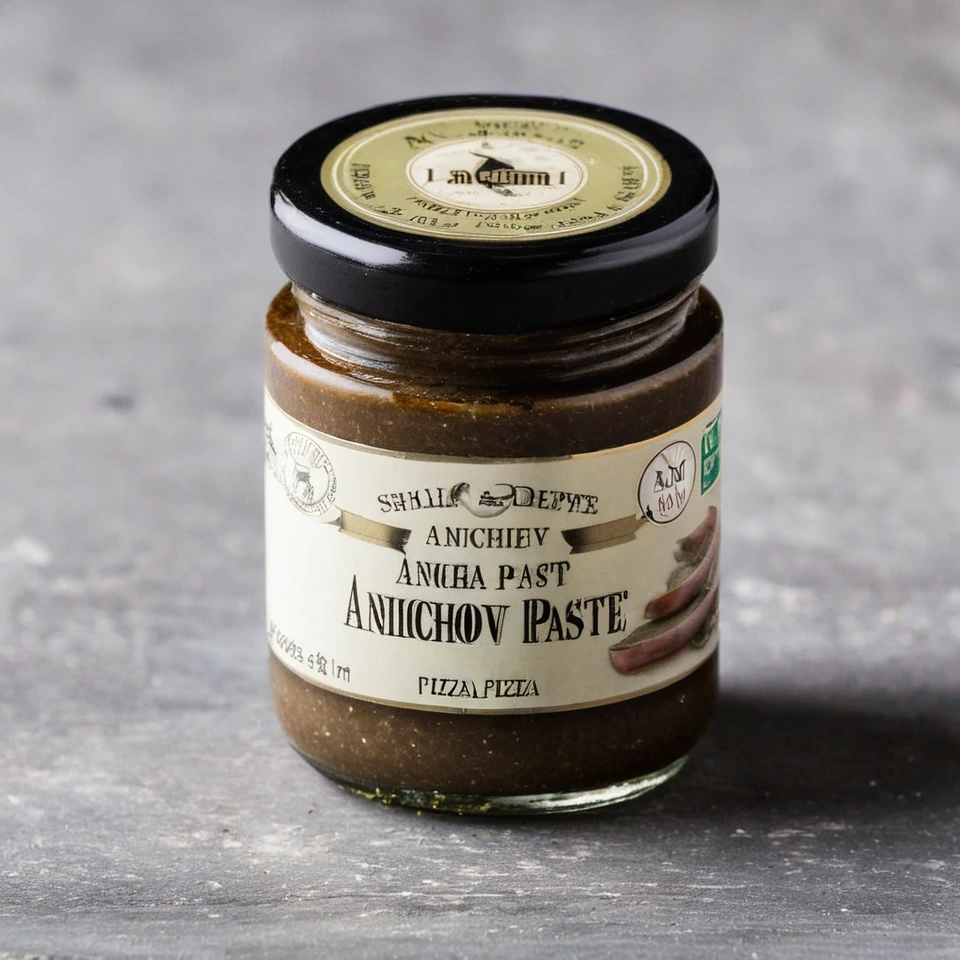
Anchovy Paste
Anchovy paste is a rich, salty spread made from finely ground anchovies, salt, and sometimes olive oil. It offers a deep umami flavor that enhances a variety of dishes.