Seafood: Handling Frozen Seafood the Right Way
Handling frozen seafood properly is crucial for maintaining its quality and ensuring it's safe to eat. Whether you're dealing with shrimp, fish fillets, or scallops, understanding the nuances of frozen seafood can elevate your home cooking. First, always check the packaging for signs of freezer burn or ice crystals, which can indicate improper storage. Frozen seafood should be stored at 0°F or below to preserve its texture and flavor. When selecting frozen seafood, opt for vacuum-sealed packages to minimize air exposure. Thawing is another critical step; never thaw seafood at room temperature as it can lead to bacterial growth. Instead, use the refrigerator or a cold-water bath for safe and efficient thawing. Properly thawed seafood should feel firm but flexible, not mushy. Once thawed, cook it immediately to prevent spoilage. Understanding how to handle frozen seafood ensures your dishes are not only delicious but also safe for your family and guests.
Notes
Understanding the science behind handling frozen seafood is key. Freezing slows down enzyme activity and microbial growth, preserving seafood quality. However, improper thawing can lead to texture degradation and potential foodborne illnesses. Always use a food thermometer to ensure seafood is cooked to a safe temperature. Common mistakes include thawing at room temperature and refreezing seafood. For storage, consume thawed seafood within 1-2 days if refrigerated. If you need to store cooked seafood, let it cool quickly and refrigerate promptly. Keeping seafood safe is about maintaining a consistent cold chain from freezer to plate.
Steps
- 1 Check the packaging for intact seals and absence of ice crystals.
- 2 Store frozen seafood in the coldest part of your freezer at 0°F or below.
- 3 Plan ahead: transfer frozen seafood to the refrigerator for slow thawing, usually 24 hours.
- 4 For quicker thawing, submerge sealed seafood in a cold-water bath, changing water every 30 minutes.
- 5 Never refreeze thawed seafood as it compromises texture and safety.
- 6 Pat seafood dry with paper towels before cooking to ensure a good sear.
- 7 Season immediately before cooking to preserve the freshness of herbs and spices.
- 8 Cook seafood to an internal temperature of 145°F for safety and quality.
- 9 Use a cooking method suitable for the type of seafood: pan-sear, grill, or bake.
Ingredients to explore
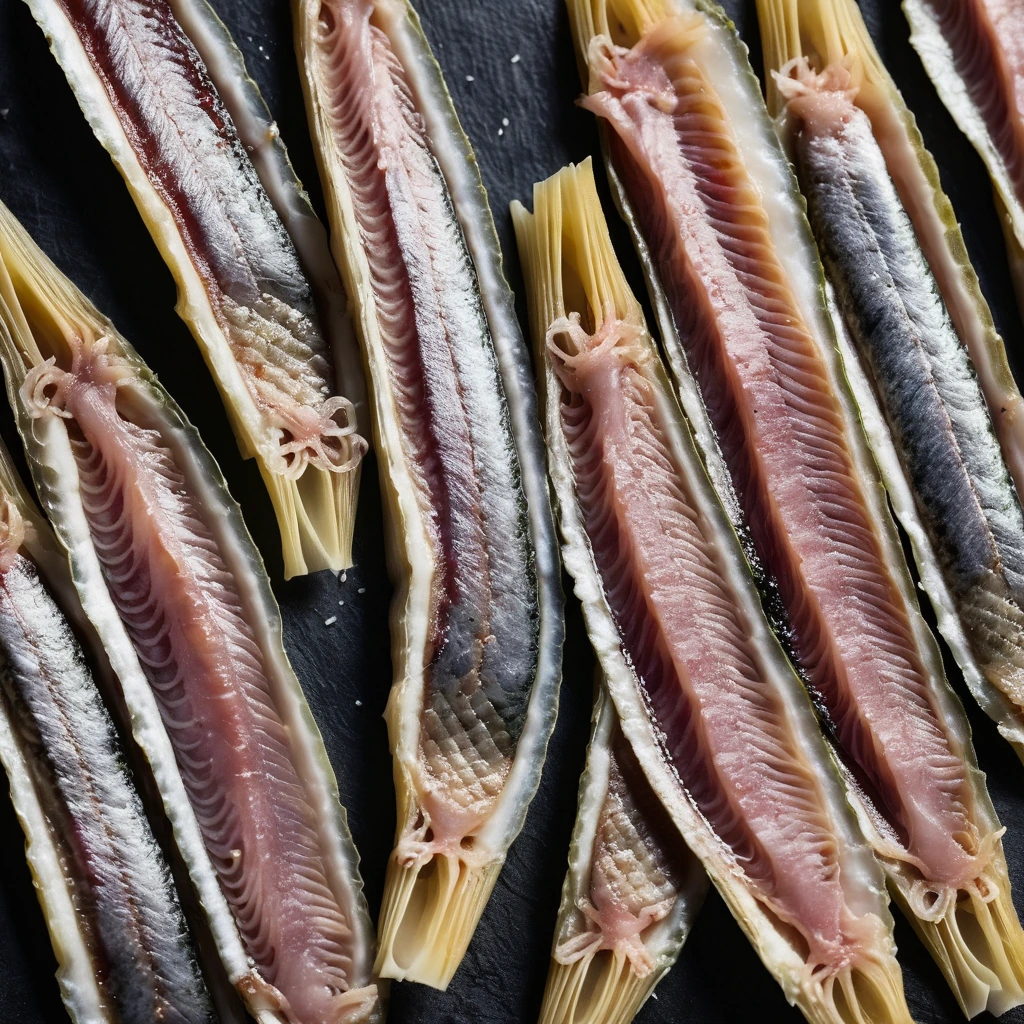
Anchovy Fillets
Silvery and succulent, anchovy fillets are a briny treasure from the sea. Their rich, umami flavor adds depth to dishes, making them a beloved ingredient in kitchens worldwide.
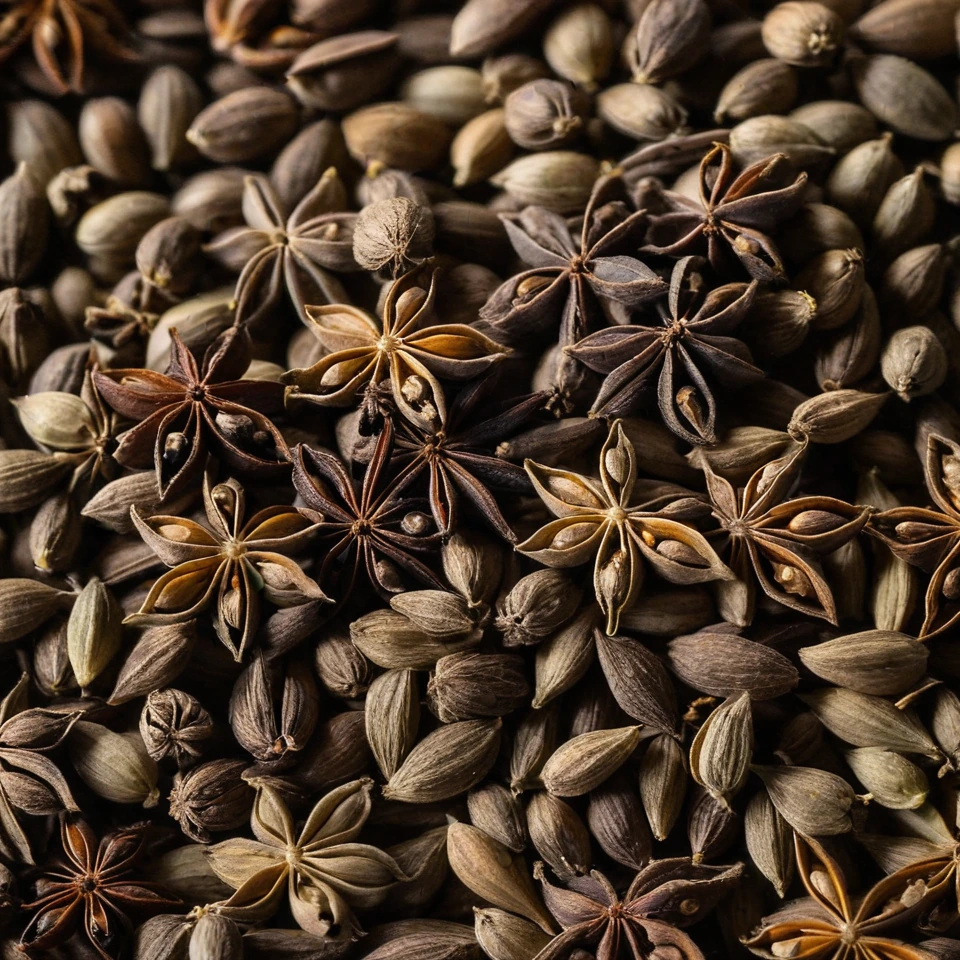
Anise Seeds
Anise seeds are small, oval seeds with a sweet, licorice-like flavor. They are commonly used in both sweet and savory dishes, offering a warm, aromatic taste.
Recipes to try
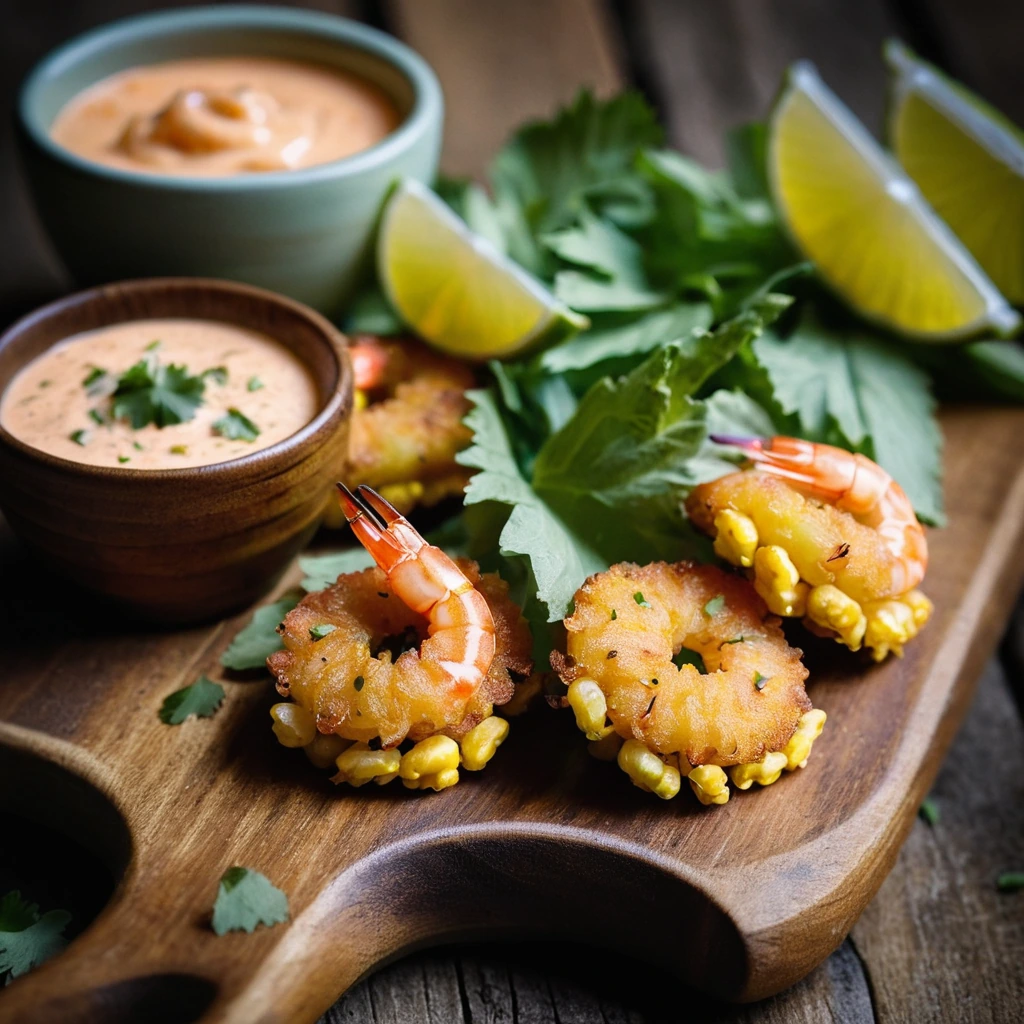
Shrimp and Corn Fritters with Chili Aioli
Crispy on the outside, tender on the inside, these golden fritters pack a punch with juicy shrimp and sweet corn, all topped with a zesty chili aioli.
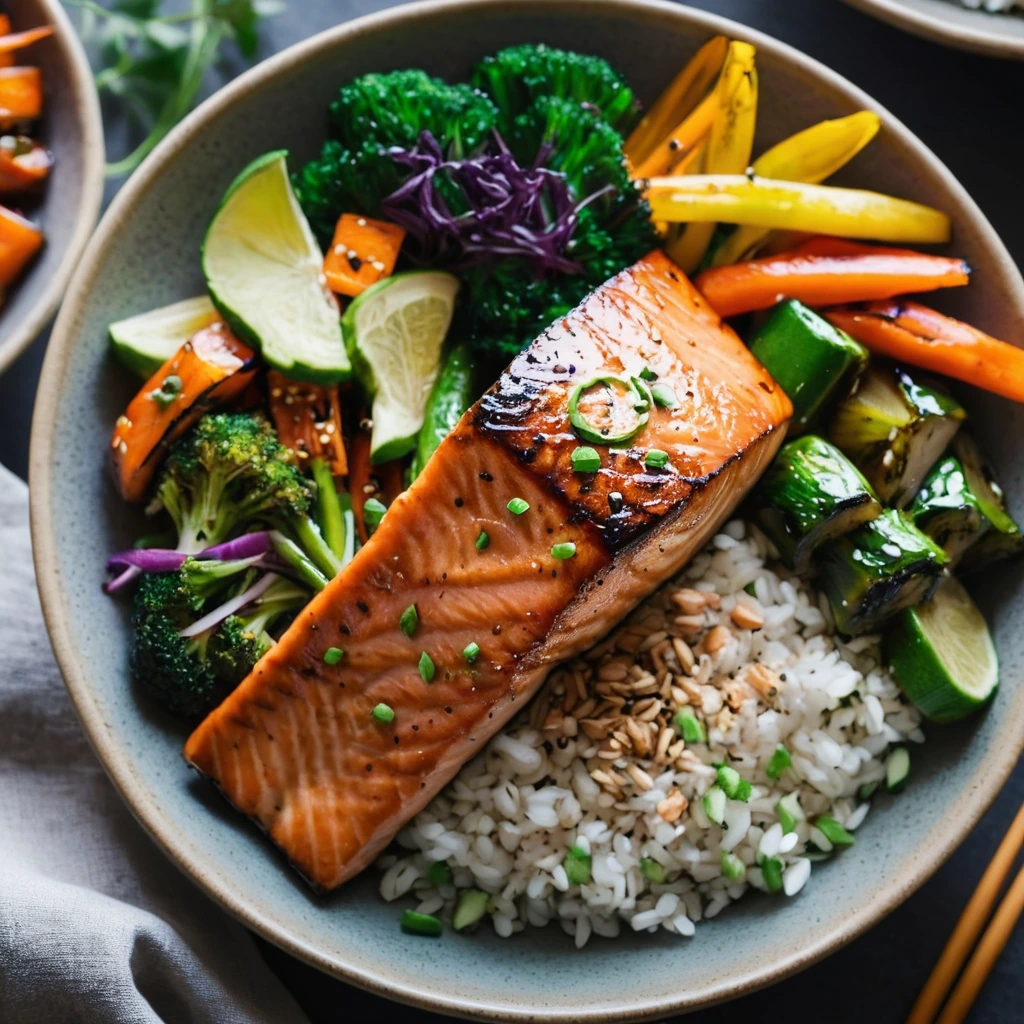
Teriyaki Glazed Salmon and Veggie Bowls
Sweet and savory teriyaki glaze coats succulent salmon fillets atop a vibrant medley of colorful veggies, creating a symphony of flavors in every bite.