Seafood: Checking Doneness by Flake and Temp
Achieving the perfect doneness in seafood is an art that balances texture, flavor, and safety. The technique of checking doneness by flake and temperature is a reliable method used by chefs to ensure seafood is cooked just right. This method hinges on two key indicators: visual flakiness and internal temperature. Seafood should flake easily with a fork when done, and its internal temperature should reach a safe minimum of 145°F (63°C) for most fish and shellfish. Overcooking is a common pitfall, leading to dry, rubbery textures, so understanding these cues is crucial. Different types of seafood may require slight variations in cooking times and temperatures, but the flake test provides a universal visual cue. Additionally, the natural oils in seafood can become unappetizing if overheated, so precision is key. By mastering this technique, home cooks can consistently enjoy tender, juicy seafood dishes that are both safe and delicious. Understanding how proteins coagulate and transform during cooking helps in gauging doneness accurately. Moreover, factors like the thickness of the fillet and starting temperature of the seafood can influence cooking times. This technique empowers cooks to adapt to these variables, ensuring consistently excellent results.
Notes
The science behind checking seafood doneness lies in protein coagulation. As seafood heats, proteins denature and coagulate, leading to the firming and flaking of the flesh. Overcooking causes proteins to squeeze out moisture, resulting in dryness. Common mistakes include using a fork too early, which can tear the delicate flesh, or relying solely on time rather than visual and temperature cues. Always ensure your thermometer is clean and accurate to avoid foodborne illness risks. Seafood is best enjoyed fresh, but leftovers can be refrigerated for up to two days or frozen for longer storage. Reheat gently to preserve texture.
Steps
- 1 Preheat your cooking surface or oven to the desired temperature.
- 2 Season the seafood with salt and pepper.
- 3 Place the seafood on the preheated surface or in the oven.
- 4 Cook the seafood until it is opaque and begins to flake easily with a fork.
- 5 Use a digital thermometer to check the internal temperature.
- 6 Remove the seafood when it reaches 145°F (63°C).
- 7 Let the seafood rest for 1-2 minutes before serving.
- 8 Check again with a fork to ensure it flakes easily.
- 9 Serve immediately to enjoy the optimal texture and flavor.
Ingredients to explore
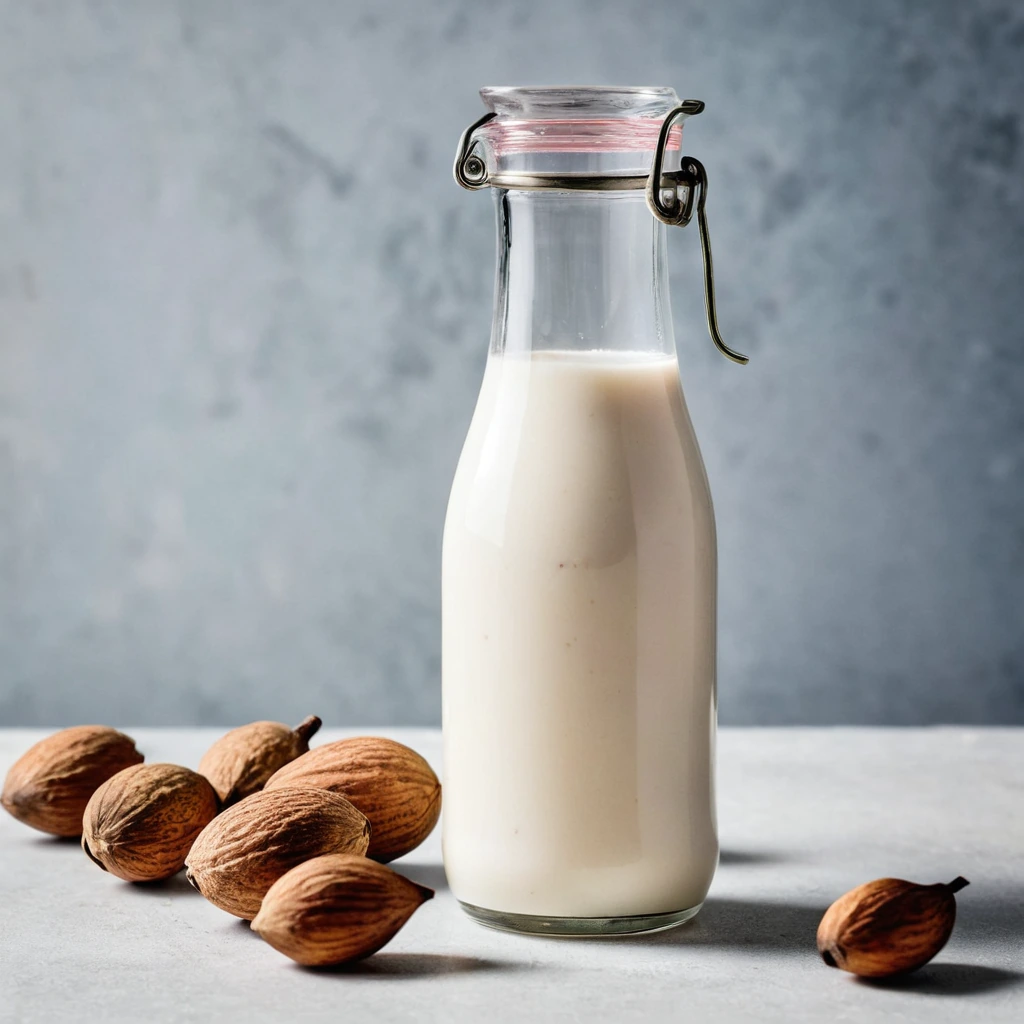
Almond Milk
Almond milk is a plant-based milk alternative made from ground almonds and water. Originating from traditional recipes in medieval Europe and the Middle East, it has gained widespread popularity in modern times as a dairy-free option. Almond milk has a subtly nutty flavor with a mild sweetness, and its aroma is reminiscent of fresh almonds. Its texture is smooth and creamy, though typically lighter than dairy milk. In cooking, almond milk behaves well in both savory and sweet applications, though it does not brown or caramelize like dairy milk. It is often used in cereals, smoothies, and baking, where its delicate flavor complements rather than overpowers other ingredients.
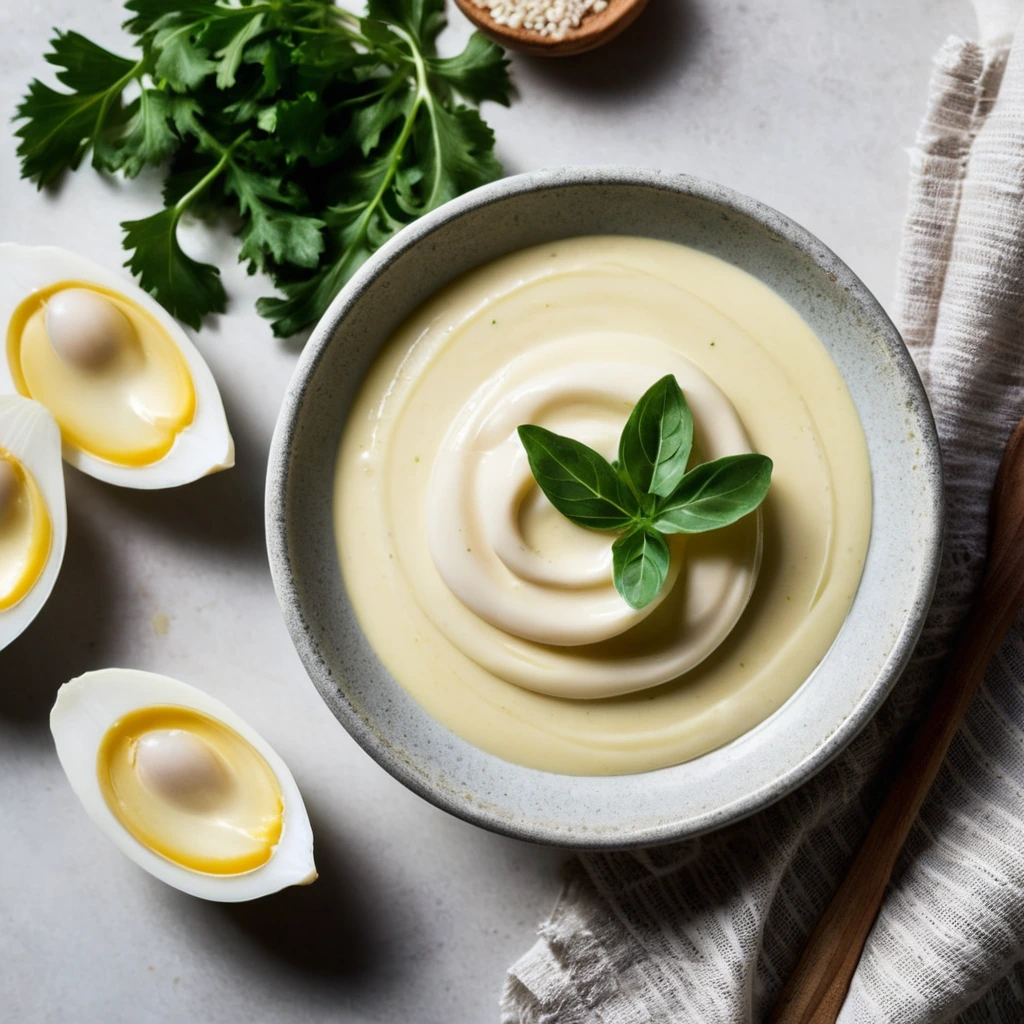
Aioli
A luscious, velvety emulsion of garlic and olive oil, aioli is a rich and aromatic sauce that dances on the palate with its creamy texture and bold, pungent flavor.
Recipes to try

Sausage and Potato Breakfast Casserole
This hearty casserole combines savory sausage, crispy potatoes, and melty cheese into a golden, bubbly brunch masterpiece.

Sausage, Pepper, and Onion Hoagies
Juicy Italian sausages nestled in soft hoagie rolls with a sweet and smoky medley of peppers and onions.