Sauces: Finishing Sauces with Fresh Herbs
Elevate your culinary creations with the vibrant touch of fresh herbs. This technique is all about adding a burst of flavor and color to your sauces at the very end of cooking. Fresh herbs are delicate and can lose their nuanced aromas if exposed to heat for too long, so timing is crucial. This method is perfect for dishes that need a fresh, lively finish, whether it's a classic béarnaise, a simple tomato sauce, or a creamy hollandaise. Understanding the unique characteristics of different herbs—like the citrusy notes of tarragon, the peppery kick of chives, or the earthy depth of basil—will help you choose the right herb for your sauce. Moreover, mastering this technique requires knowing when and how much to add, ensuring the herbs don’t become overpowering or disintegrate into a soggy mess. This guide will walk you through the art of finishing sauces with fresh herbs, offering insights into selecting, preparing, and incorporating herbs to achieve a professional-level result in your home kitchen.
Notes
The science behind finishing with fresh herbs is simple: heat can quickly degrade their volatile oils, which are responsible for their flavor and aroma. Adding herbs at the end preserves these compounds, enhancing the sauce's taste. A common mistake is adding herbs too early, leading to a loss of flavor and color. To avoid this, always add herbs off the heat. When storing sauces with fresh herbs, remember that the herbs will continue to wilt, so it's best to add them just before serving. If you need to prepare ahead, consider infusing oil with the herbs and whisking it into the sauce at service time.
Steps
- 1 Choose fresh, vibrant herbs appropriate for your sauce.
- 2 Rinse herbs gently under cold water and pat them dry with a clean towel.
- 3 Taste your sauce and adjust seasoning before adding herbs.
- 4 Remove the sauce from heat to prevent wilting the herbs.
- 5 Strip leaves from stems if using herbs like basil, tarragon, or cilantro.
- 6 Chop herbs finely, but not too small, to preserve texture and flavor.
- 7 Stir herbs into the sauce gently to distribute evenly.
- 8 Let the sauce rest for 1-2 minutes to allow the herbs to release their flavor.
- 9 Taste again and adjust seasoning if necessary.
- 10 Serve immediately to enjoy the full freshness of the herbs.
Ingredients to explore
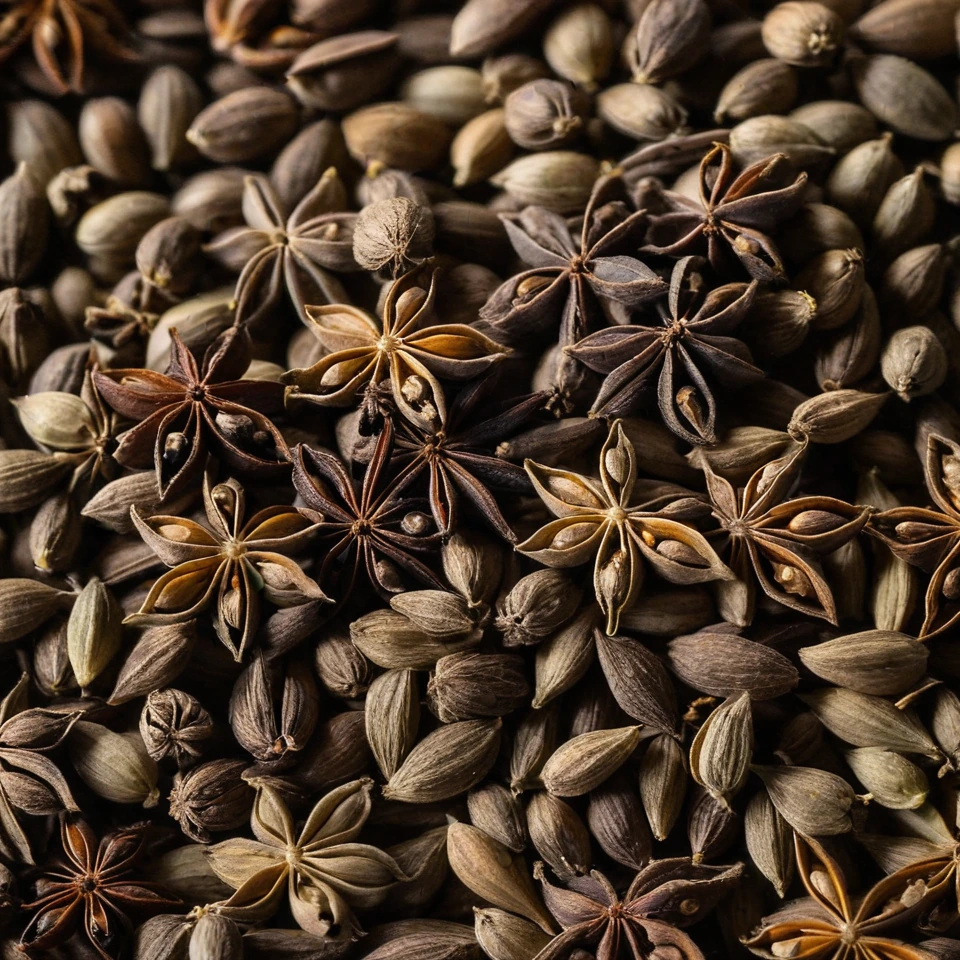
Anise Seeds
Anise seeds are small, oval seeds with a sweet, licorice-like flavor. They are commonly used in both sweet and savory dishes, offering a warm, aromatic taste.
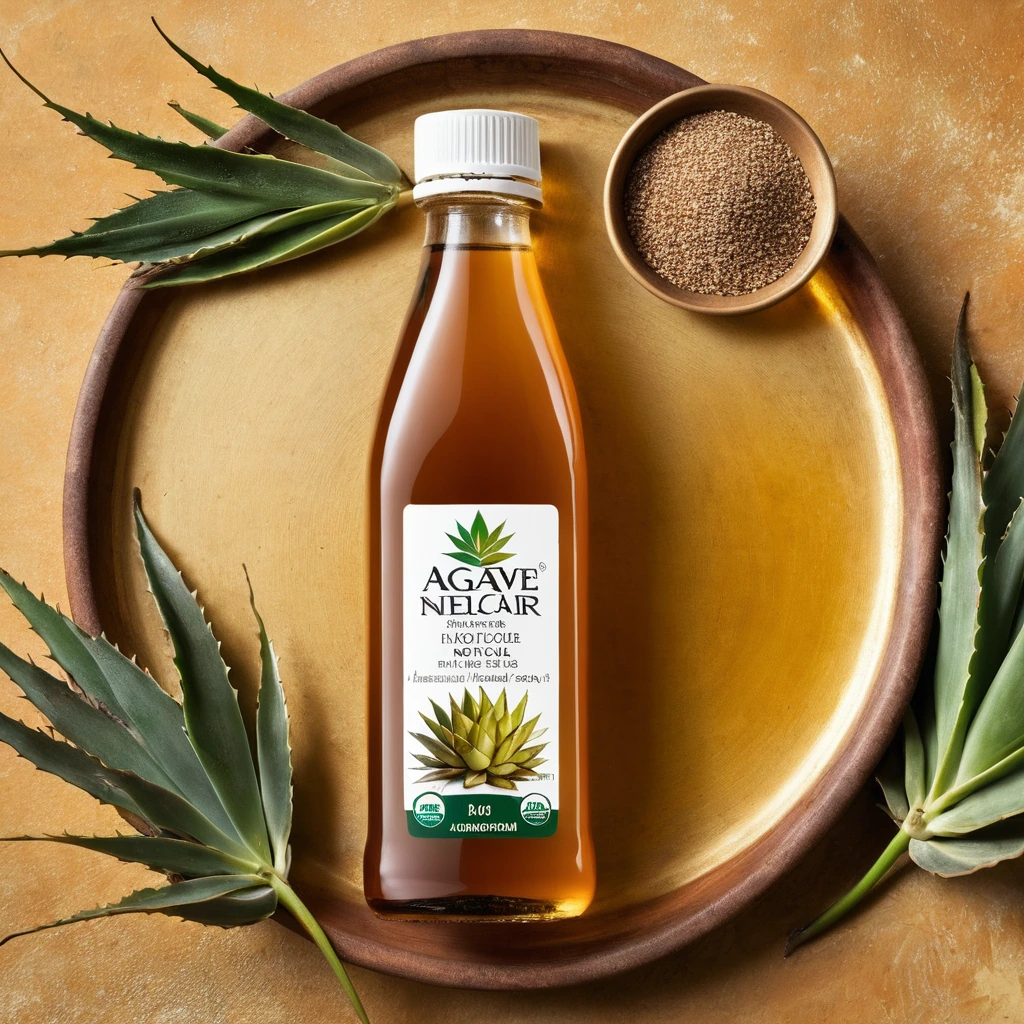
Agave Nectar
A golden, velvety sweetener derived from the agave plant, offering a subtly sweet flavor with a smooth, syrup-like texture.
Recipes to try
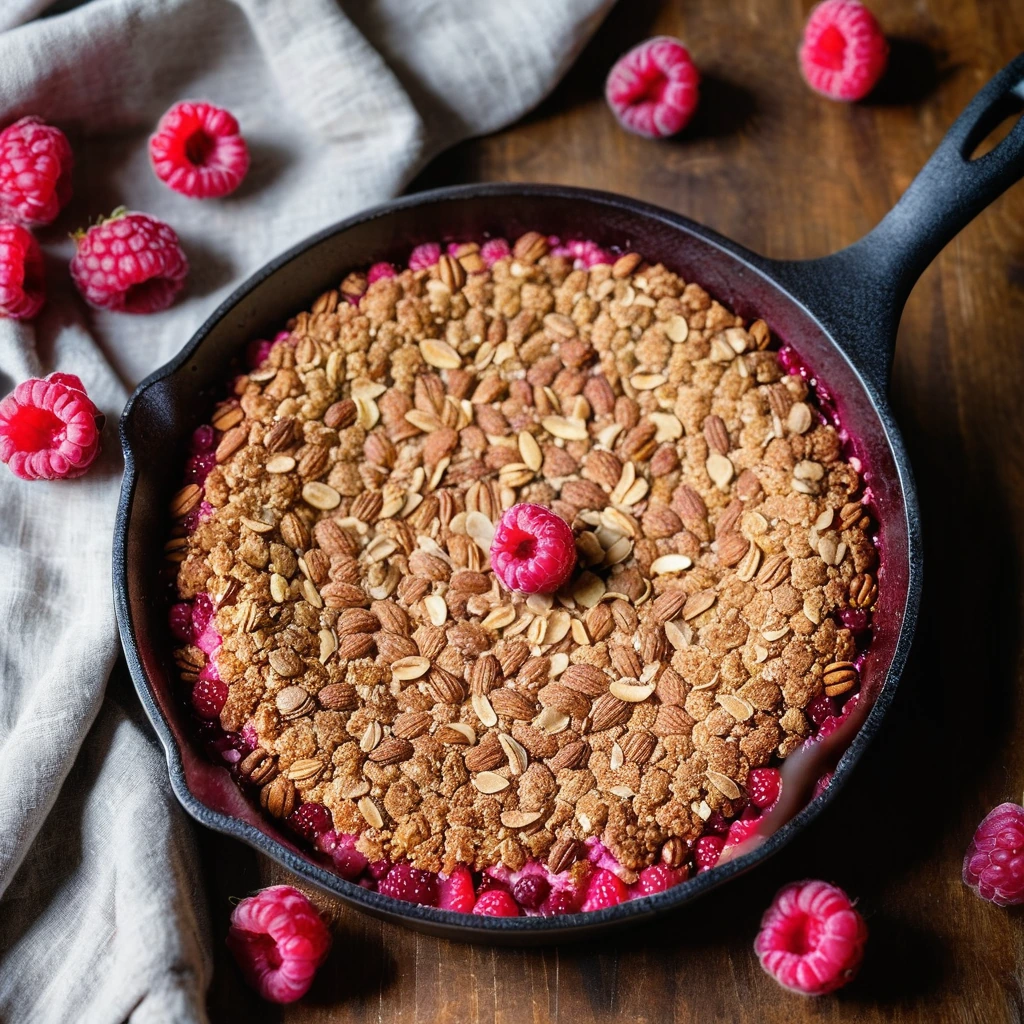
Raspberry Almond Crumble Skillet
A symphony of sweet raspberries nestled under a golden, almond-studded crumble, perfect for cozy evenings and brunch spreads.
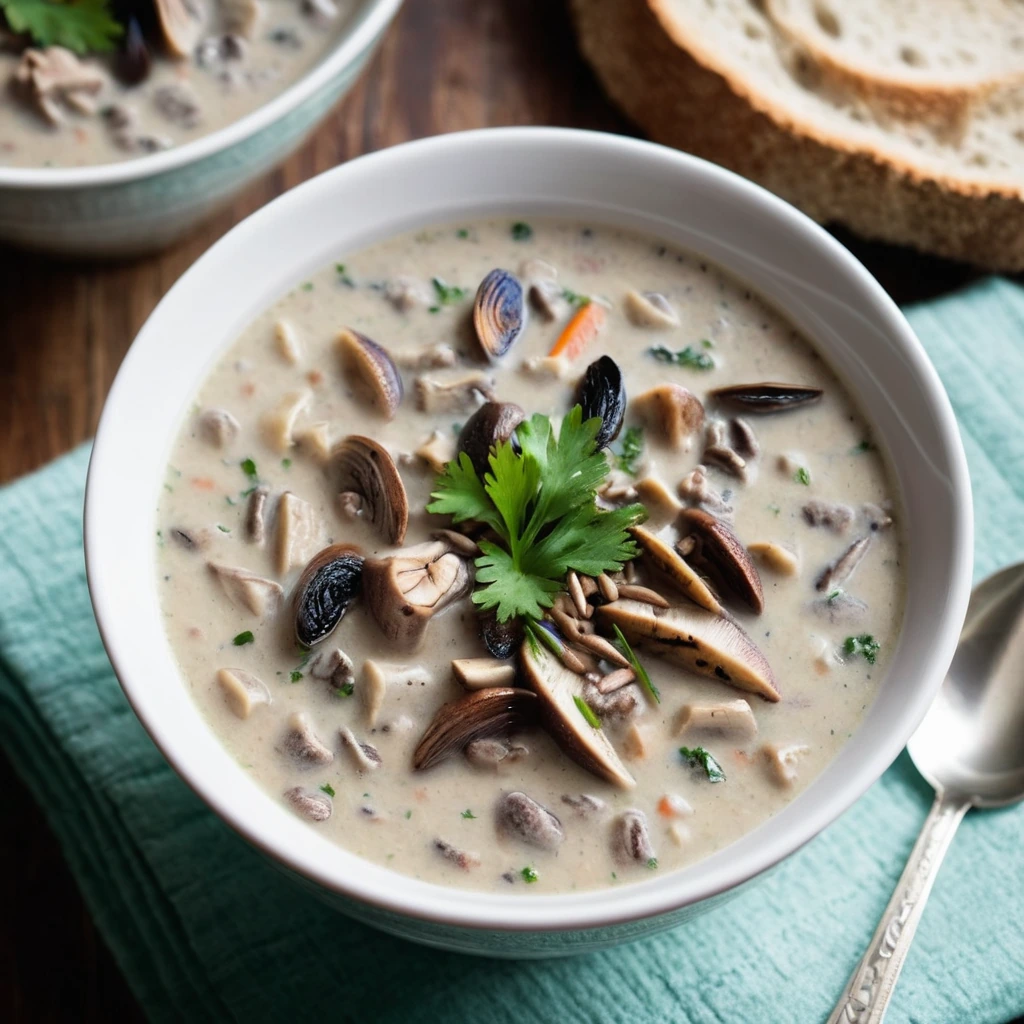
Turkey and Wild Rice Mushroom Soup
Warm up with this hearty soup, brimming with tender turkey, earthy wild rice, and a medley of savory mushrooms in a rich, comforting broth.