Sauces: Balancing Acidity in Tomato Sauces
Creating a perfectly balanced tomato sauce is an art that hinges on managing acidity. Too much, and your sauce can taste sharp and uninviting; too little, and it may lack brightness and depth. The acidity in tomatoes can vary widely depending on their ripeness, variety, and growing conditions. Understanding how to adjust acidity is crucial for achieving that rich, complex flavor that defines a great tomato sauce. First, taste your sauce before making any adjustments. This initial taste test is your baseline. Next, consider natural balancing agents. Ingredients like sugar, honey, or even a pinch of baking soda can tame excessive tartness. However, moderation is key; too much sugar can mask other flavors, while baking soda can alter the color and texture of your sauce. Another approach is to use acidic ingredients like red wine or balsamic vinegar to actually introduce more acidity in a controlled way, which might seem counterintuitive but can help harmonize flavors. Additionally, incorporating herbs and spices can distract from any lingering harshness, offering layers of complexity. Remember, fresh herbs like basil and oregano can brighten a sauce, while spices like cinnamon or cloves can add warmth and balance. Finally, patience is your ally. Simmering the sauce allows flavors to meld and acidity to mellow naturally. Achieving balance is a nuanced process that might require a few trials, but with attention and care, you'll soon craft a tomato sauce that's perfectly balanced and irresistibly delicious.
Notes
The science behind balancing acidity lies in understanding pH levels and flavor perception. Too much acid can overwhelm the palate, while a balanced sauce allows all flavors to shine. When using baking soda, do so sparingly as it can turn the sauce metallic if overused. A common mistake is adding too much sugar, which can make the sauce overly sweet and cloying. To avoid this, adjust sugar incrementally. Safety is generally not a concern here, but always use clean utensils and containers. For storage, let the sauce cool before refrigerating in an airtight container for up to 5 days, or freeze for longer preservation. Making ahead allows flavors to deepen, enhancing the sauce's overall taste.
Steps
- 1 Start with ripe, high-quality tomatoes for your sauce base.
- 2 Cook the tomatoes down with aromatic vegetables like onions, garlic, and carrots.
- 3 Taste the sauce after initial cooking to assess its acidity level.
- 4 If overly acidic, add 1 teaspoon of sugar and taste again.
- 5 Consider adding 1/4 teaspoon of baking soda for a more pronounced reduction in acidity.
- 6 Incorporate 1/2 cup of red wine or a splash of balsamic vinegar for complexity.
- 7 Season generously with salt, pepper, and fresh herbs like basil and oregano.
- 8 Simmer the sauce gently for at least 30 minutes to allow flavors to integrate.
- 9 Taste and adjust seasoning, adding more balancing ingredients if necessary.
- 10 Finish with a drizzle of olive oil for richness and depth.
Ingredients to explore
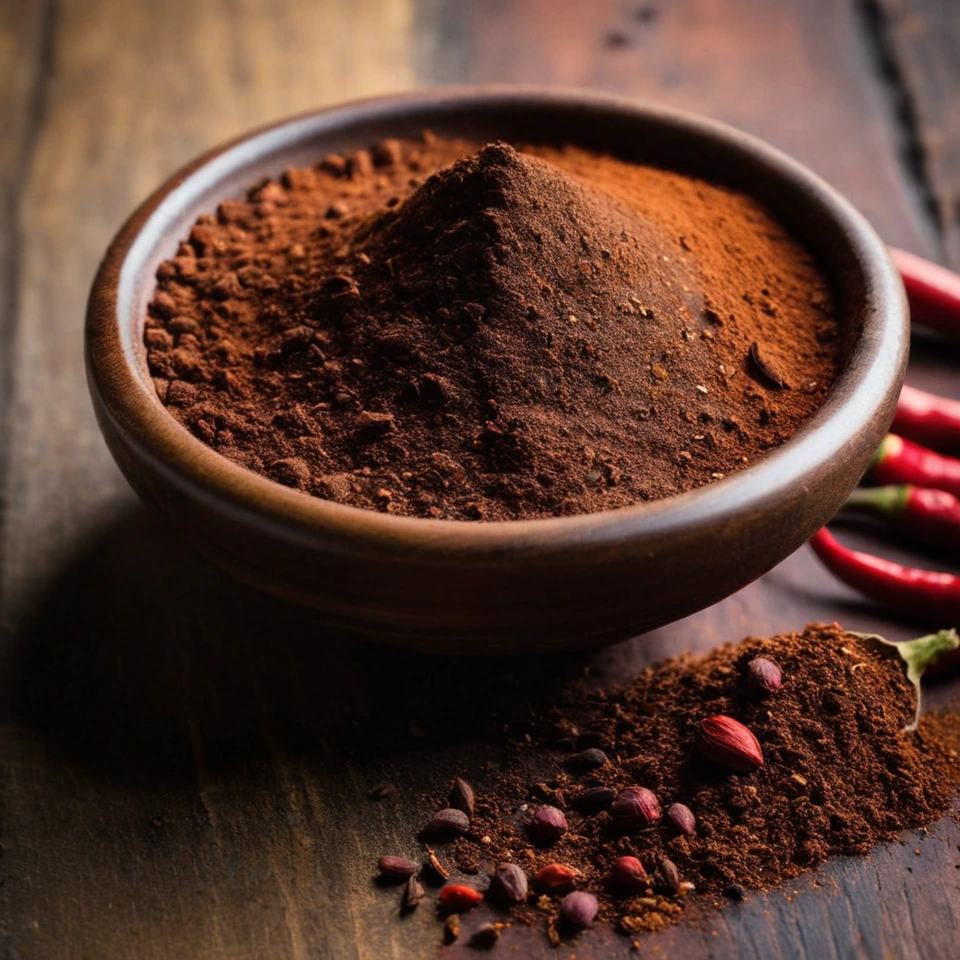
Ancho Chili Powder
Ancho chili powder offers a deep, smoky sweetness with hints of dried fruit and cocoa, reminiscent of its origin as dried poblano peppers from Mexico. Its aroma is warm and inviting, with a mild heat that lingers gently. The texture is fine and velvety, making it easy to incorporate into a variety of dishes. This powder is prized for its ability to add complexity without overwhelming spice, ideal for enriching both traditional Mexican moles and contemporary global cuisines.

Aleppo Pepper
Aleppo pepper offers a harmonious balance of heat and sweetness, with a subtle fruity aroma reminiscent of sun-dried tomatoes and currants. Originating from the region around Aleppo, Syria, it has a fine, slightly coarse texture that shatters easily between fingers. Its mild yet complex flavor profile makes it a prized seasoning for enhancing dishes without overwhelming them. Valued for its versatility, it bridges the gap between spice and seasoning, bringing a touch of warmth and depth to a variety of cuisines.
Recipes to try
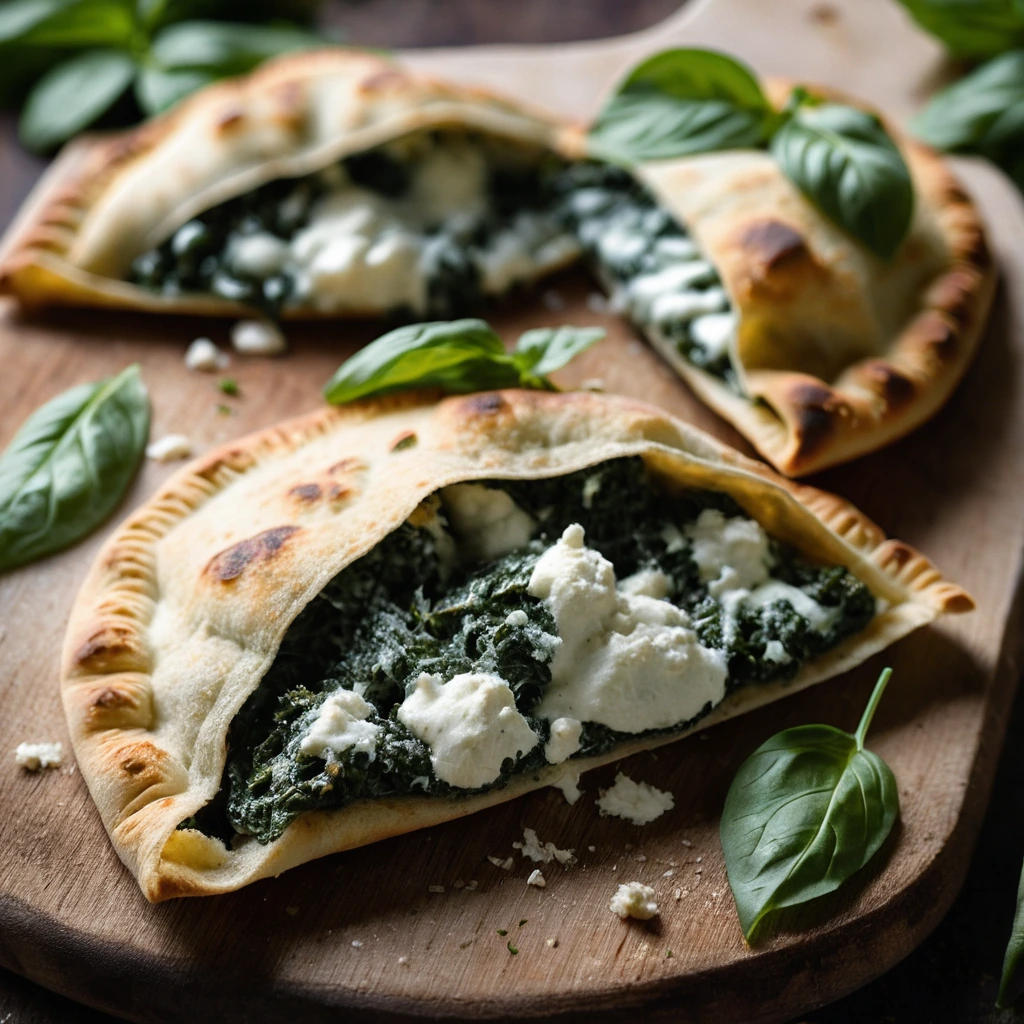
Spinach and Ricotta Stuffed Pizza Pockets
Golden, crispy pockets filled with a creamy ricotta and spinach blend that'll have you reaching for seconds.
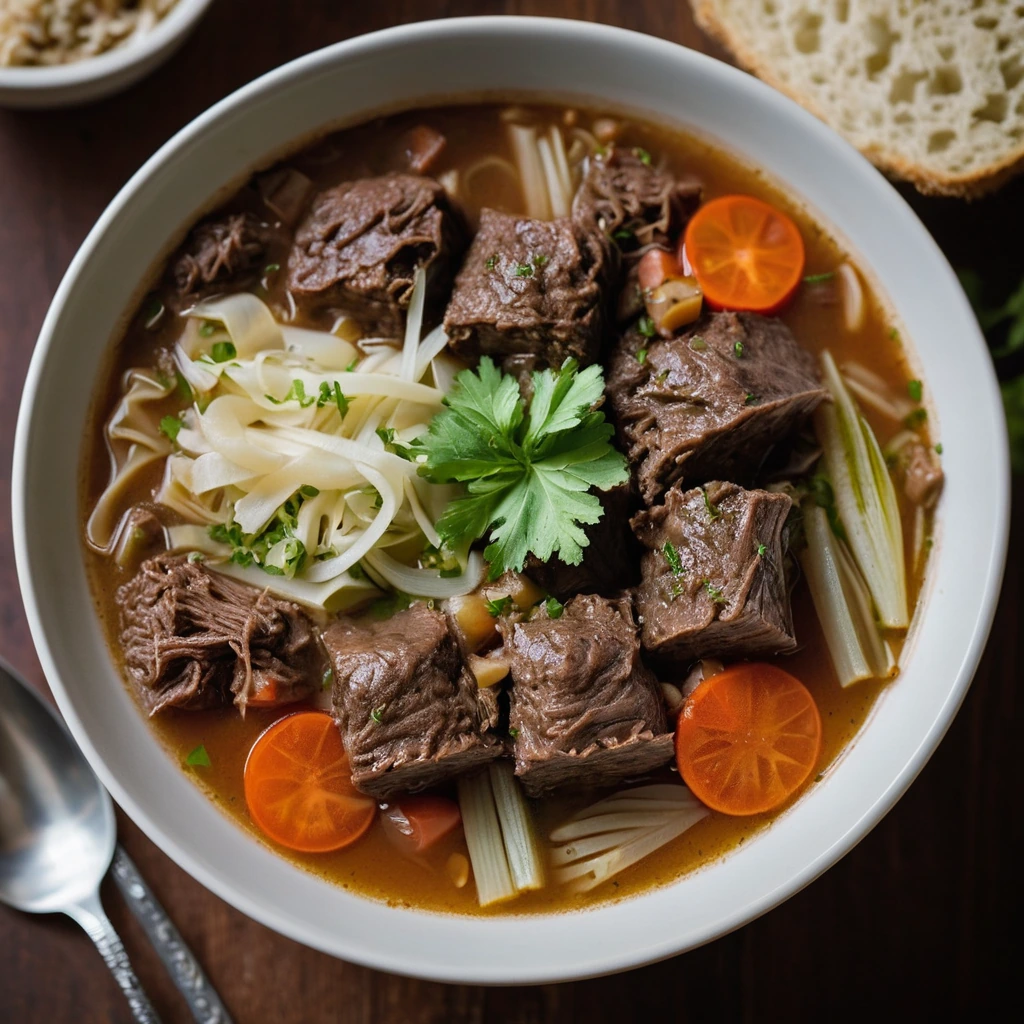
Stuffed Cabbage Roll Inspired Beef Soup
Warm up with this hearty soup that nods to classic stuffed cabbage rolls, brimming with tender beef and savory broth.