Sauce Technique: Using Anchovies and Fish Sauce as Salt Boosters
Creating a delicious sauce often hinges on balancing flavors, and one of the most critical components is salt. Anchovies and fish sauce are two powerhouse ingredients that can elevate your sauces from good to gourmet. Both are rich in umami, a savory taste that enhances the depth of a dish. Anchovies, when dissolved into a sauce, break down into a rich, salty paste that adds complexity without overpowering other flavors. Fish sauce, a staple in Southeast Asian cuisine, offers a potent salty punch with a nuanced flavor profile that includes hints of sweetness and funk. Understanding how to harness these ingredients can transform your cooking, allowing you to reduce the need for plain salt while boosting flavor. This technique is particularly useful in Mediterranean dishes like puttanesca sauce, Asian stir-fries, and even vinaigrettes. Learning to use anchovies and fish sauce effectively requires knowing when and how to incorporate them to achieve the desired balance. Too much can overpower a dish, while too little won’t deliver the desired depth. This guide will walk you through the nuances of using these salt boosters to craft sauces that are both balanced and bursting with flavor.
Notes
The science behind using anchovies and fish sauce lies in their glutamate content, which enhances umami and makes other flavors pop. A common mistake is adding too much at once; always start with a small amount and build up to taste. For safety, ensure your fish sauce is refrigerated after opening and check for any signs of spoilage. Anchovy-based sauces can be made ahead and stored in the refrigerator for up to 3 days. Fish sauce, due to its high salt content, has a long shelf life but should still be kept in a cool, dark place. Experiment with different brands to find the one that best suits your palate.
Steps
- 1 Start with a cold pan to prevent the anchovies from browning too quickly.
- 2 Add 2-3 anchovy fillets to the pan.
- 3 Mash the anchovies with a wooden spoon or spatula until they dissolve into a paste.
- 4 Heat the pan over medium heat to gently melt the anchovies into the oil.
- 5 Once the anchovies have dissolved, add aromatics like minced garlic or shallots.
- 6 Sauté the aromatics until fragrant, about 1-2 minutes.
- 7 Deglaze the pan with a splash of liquid like white wine, broth, or vinegar.
- 8 Add 1-2 teaspoons of fish sauce, adjusting to taste.
- 9 Simmer the sauce gently to allow the flavors to meld, about 5-10 minutes.
- 10 Taste and adjust seasoning with additional fish sauce or a pinch of salt if needed.
- 11 Finish with fresh herbs or a squeeze of lemon for brightness.
- 12 Remove from heat and let rest for a few minutes before serving.
Ingredients to explore
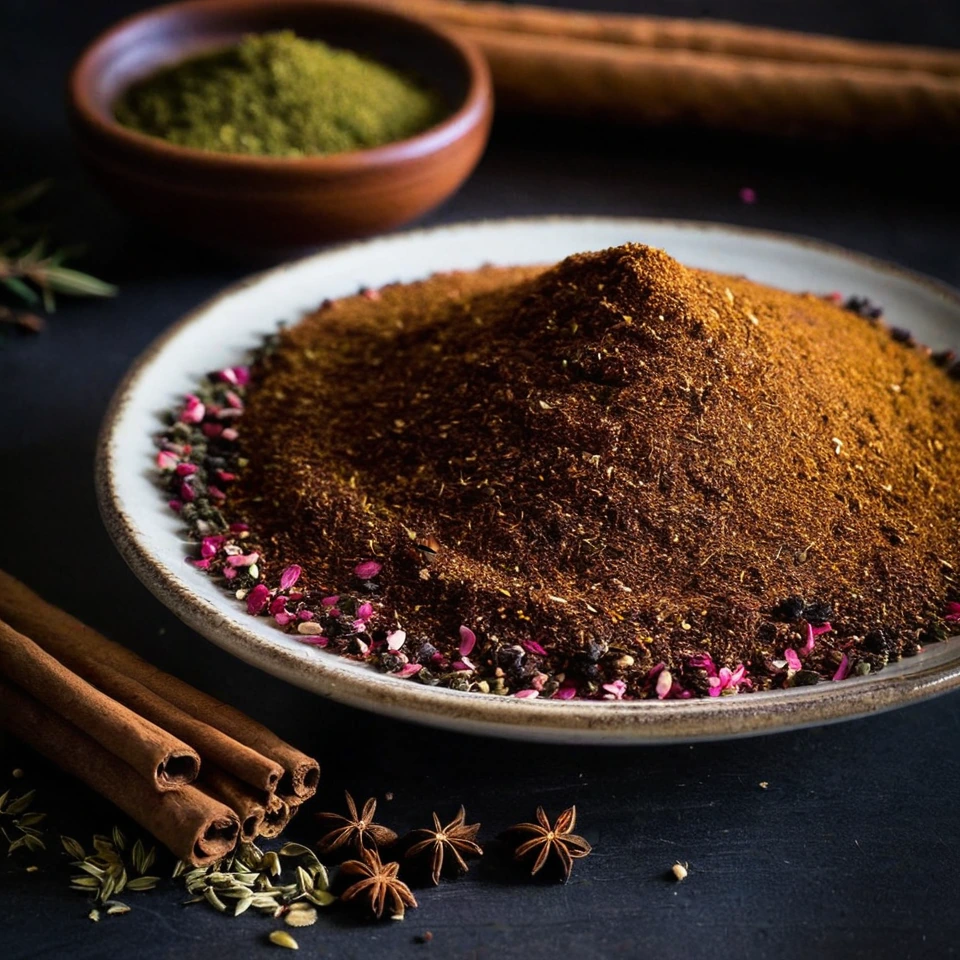
Advieh (Persian Spice Blend)
Advieh is a fragrant Persian spice blend that boasts a complex aroma of warm cinnamon, earthy cumin, and floral hints of rose and saffron. Its texture is finely ground, making it easy to incorporate into dishes. Originating from the rich culinary traditions of Iran, advieh adds depth and sophistication to both savory and sweet recipes. Its unique combination of spices reflects the historical spice trade routes that influenced Persian cuisine.
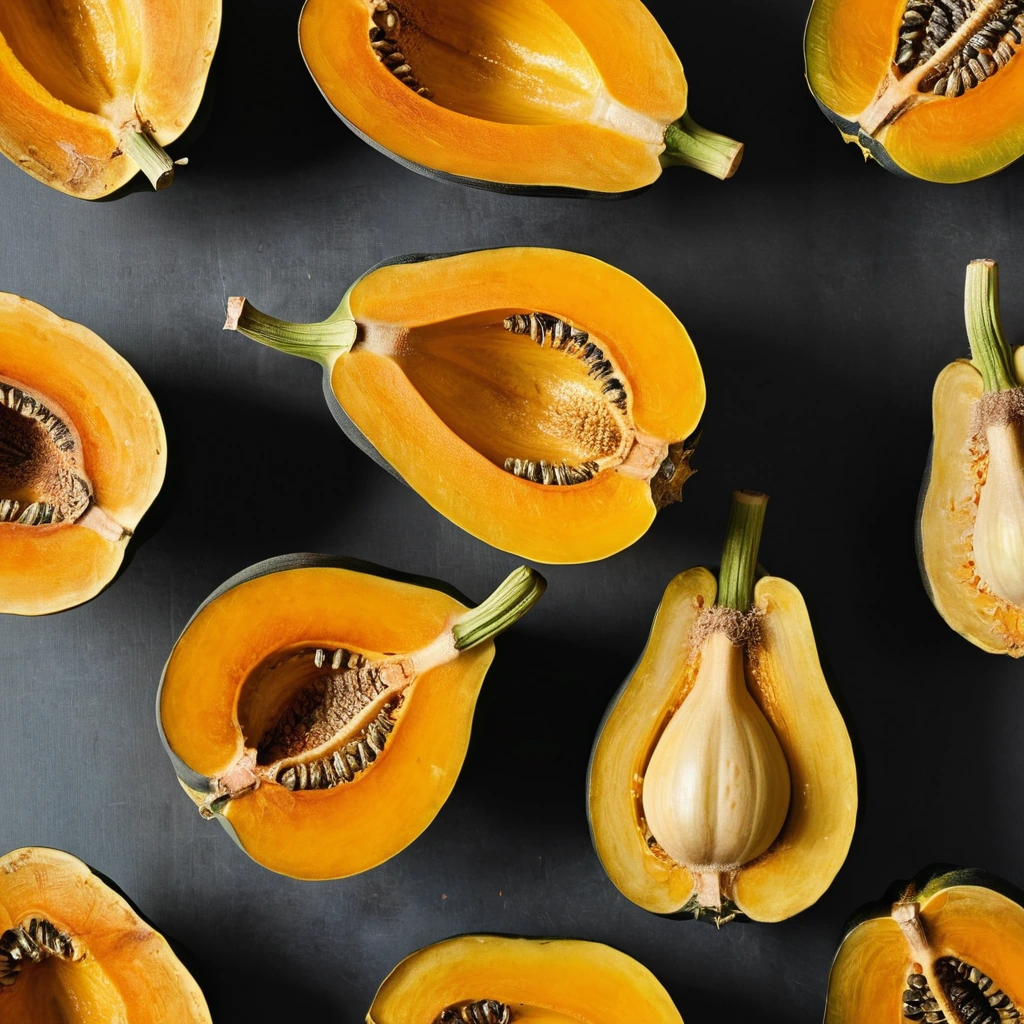
Acorn Squash
Acorn squash is a winter squash variety known for its distinctive teardrop shape and deep ridges resembling the texture of an acorn shell. Originating in the Americas, it has been cultivated for centuries and is a staple in autumn cuisine. The flesh is sweet and nutty with a hint of earthiness, offering a delightful contrast to savory dishes. Its texture is dense yet tender when cooked, making it ideal for roasting or pureeing. In cooking, acorn squash holds its shape well and absorbs flavors from herbs and spices, enhancing both its taste and versatility in recipes.