Sauce Technique: Thickening Sauces by Pureeing Vegetables Instead of Flour
Creating luscious, velvety sauces doesn't always require a roux or cornstarch. This technique harnesses the natural thickening power of vegetables to achieve a smooth, rich texture without the heaviness of flour. Pureed vegetables not only thicken sauces but also add depth of flavor and nutrients. Ideal for vegan and gluten-free diets, this method is a fantastic alternative for home cooks seeking lighter, healthier options. Vegetables like cauliflower, zucchini, and carrots break down easily and blend into a silky smooth puree that can transform any sauce. Understanding the science behind this technique allows cooks to experiment confidently, adjusting the sauce's consistency and flavor profile to suit their needs. The key is selecting the right vegetables, cooking them to perfection, and blending them seamlessly into your sauce. Whether you're making a creamy pasta sauce, a hearty soup base, or a luxurious gravy, pureeing vegetables offers a versatile and nutritious thickening solution.
Notes
The science behind pureeing vegetables for thickening lies in their natural pectin and starch content, which gel when heated, providing structure to the sauce. To troubleshoot, ensure vegetables are fully cooked and well-drained to avoid a thin sauce. Common mistakes include adding the puree too quickly, which can cool the sauce and hinder thickening, or not straining for a smooth texture. Safety is key; always be cautious when blending hot liquids to avoid burns. For make-ahead and storage, let the sauce cool completely before refrigerating for up to 4 days or freezing for up to 3 months. Reheat gently, adding a bit of liquid if necessary to restore the desired consistency.
Steps
- 1 Select 1 to 2 cups of vegetables suitable for pureeing, such as cauliflower, zucchini, or carrots.
- 2 Wash and trim the vegetables, then cut them into uniform pieces to ensure even cooking.
- 3 Steam or boil the vegetables until they are tender and easily pierced with a fork, about 8 to 10 minutes.
- 4 Drain the vegetables well to remove excess water that could thin your sauce.
- 5 Transfer the vegetables to a blender or food processor.
- 6 Blend until smooth, adding a splash of cooking liquid from your sauce to aid the process and ensure integration.
- 7 Strain the puree through a fine-mesh sieve to achieve an ultra-smooth texture if desired.
- 8 Gradually whisk the puree into your sauce over medium heat.
- 9 Simmer gently, stirring constantly, until the sauce thickens to your desired consistency, about 5 to 10 minutes.
- 10 Taste and adjust seasoning, adding salt, pepper, or herbs as needed.
- 11 For a richer flavor, consider incorporating a splash of cream, broth, or a nut milk at the end.
- 12 Keep the sauce at a gentle simmer to prevent breaking or over-thickening.
- 13 Remove from heat and let rest for a few minutes before serving to allow flavors to meld.
Ingredients to explore

Andouille Sausage
Andouille sausage is a coarse-grained, smoked pork sausage with a rich history rooted in French cuisine, particularly from the Alsace region. It was adapted in Louisiana, where it became a staple in Cajun and Creole cooking. The sausage is known for its robust, smoky flavor with hints of garlic, pepper, and other spices, creating a spicy and savory profile. Its texture is firm yet slightly chewy, making it a hearty addition to dishes. When cooked, andouille sausage maintains its shape well and infuses dishes with its distinctive smoky essence, enhancing stews, soups, and rice dishes.
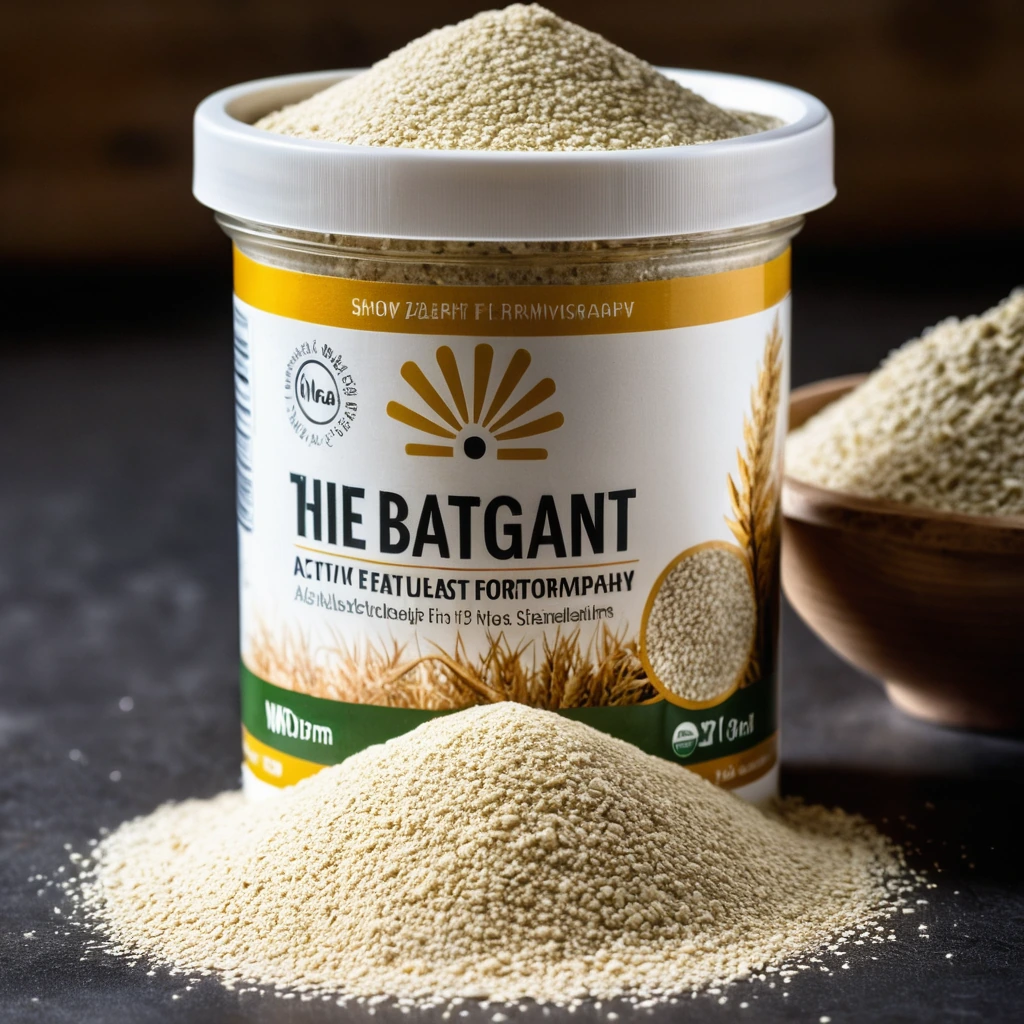
Active Dry Yeast
A fine, granulated leavening agent that brings baked goods to life with its gentle fermentation magic.
Recipes to try
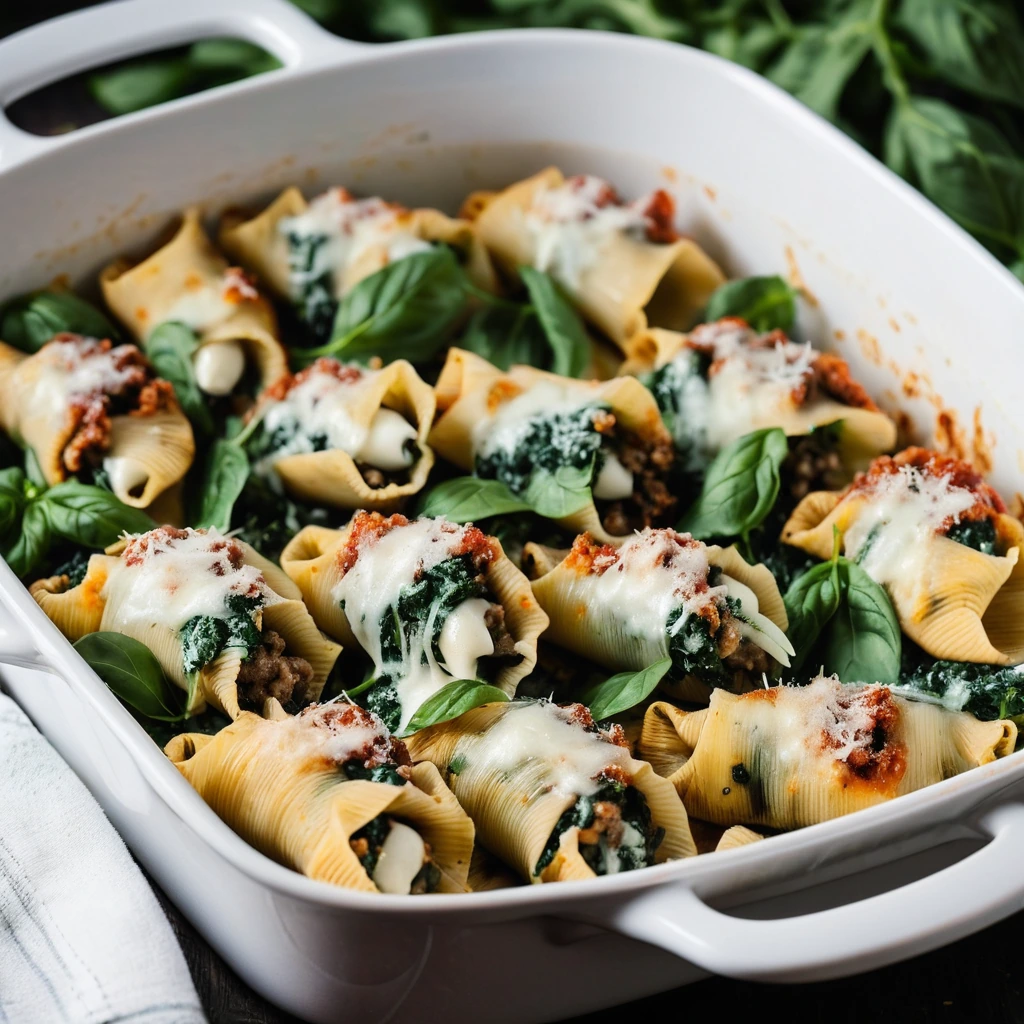
Sausage and Spinach Stuffed Shells Bake
Creamy ricotta and hearty sausage nestled in pasta shells, crowned with a blanket of melted mozzarella and fresh spinach.
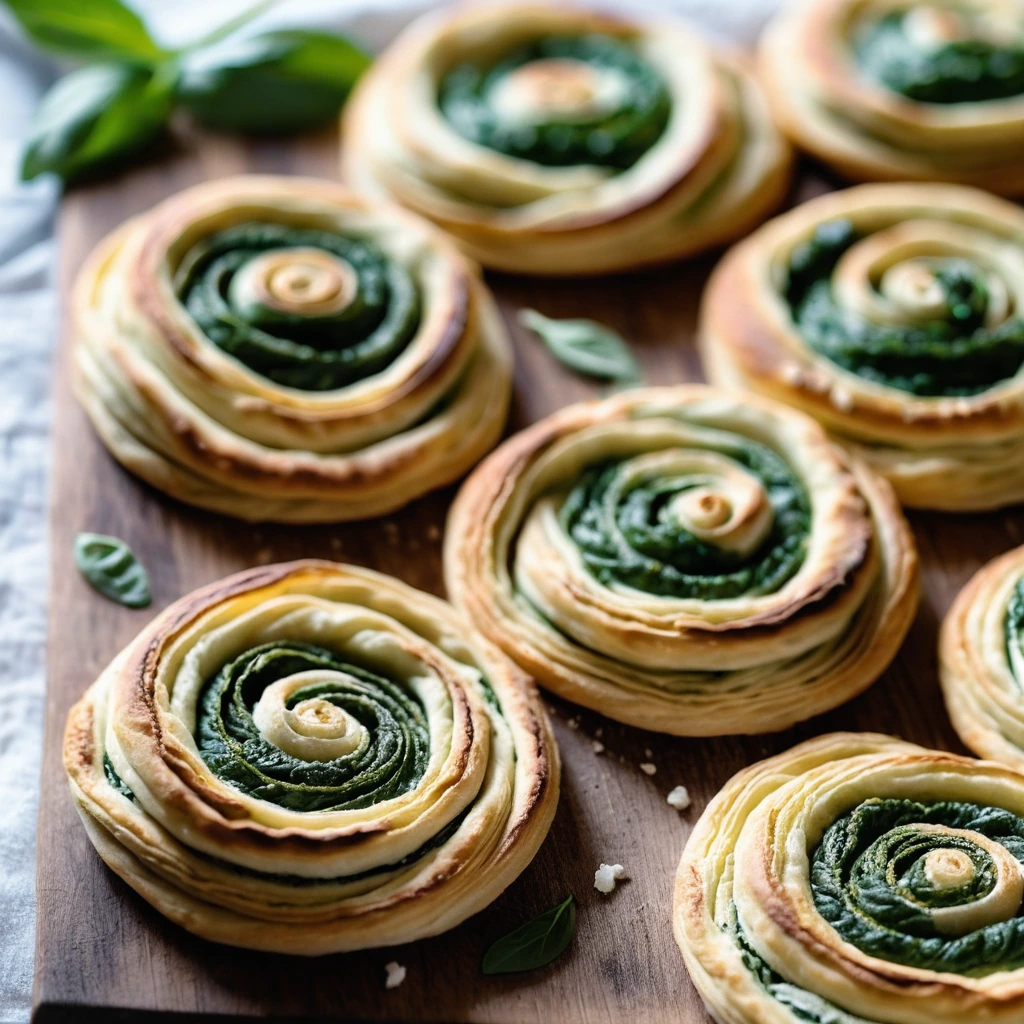
Spinach and Feta Puff Pastry Swirls
Golden, flaky layers of puff pastry embrace a savory mix of spinach and tangy feta in these irresistible swirls.