Sauce Technique: Layering Chili Pastes for Complex Heat
Creating a sauce with complex heat is an art that transforms ordinary dishes into extraordinary culinary experiences. By layering chili pastes, you can build depth and balance in your sauces, ensuring each bite offers a nuanced flavor profile. This technique involves selecting different chili pastes, each contributing its unique heat level and flavor notes. Begin with a base paste like mild ancho or chipotle for smoky sweetness, then introduce medium-heat pastes such as harissa for a touch of spice and North African flair. Finally, incorporate a high-heat paste like Thai bird's eye chili for a fiery finish. Balancing these elements requires patience and a keen palate. Understanding the heat scale and flavor profiles of each paste is crucial. Start by sautéing aromatics like onions and garlic to build a flavorful foundation. Then, gradually whisk in each paste, allowing their flavors to meld and intensify. Simmering the sauce helps to marry these layers into a cohesive blend, releasing the full spectrum of flavors. Adjust seasonings with acidity like lime juice or vinegar, sweetness from honey or sugar, and salt to taste. This technique is versatile, enhancing everything from soups and stews to marinades and dipping sauces. With practice, you’ll learn to tailor the heat and flavor to suit your personal preference, creating sauces that dazzle and delight.
Notes
The science behind layering chili pastes lies in the gradual release of capsaicin, the compound responsible for heat. Introducing pastes in ascending order of heat allows your palate to adjust, preventing an overwhelming initial burn. Common mistakes include adding all pastes at once, leading to an unbalanced sauce. Always taste as you go to ensure harmony. For safety, avoid touching your eyes or face when handling chili pastes. For storage, let the sauce cool completely before refrigerating in an airtight container for up to a week. For make-ahead convenience, the sauce can be prepared a day in advance to allow flavors to meld further.
Steps
- 1 Heat 2 tablespoons of oil in a saucepan over medium heat.
- 2 Add 1 diced onion and 2 minced garlic cloves, sauté until translucent.
- 3 Stir in 1 tablespoon mild chili paste (e.g., ancho) and cook for 1 minute.
- 4 Add 1 tablespoon medium-heat chili paste (e.g., harissa) and cook for another minute.
- 5 Whisk in 1 teaspoon high-heat chili paste (e.g., Thai bird’s eye) and stir continuously.
- 6 Pour in 1 cup of broth or water to deglaze the pan, scraping up any browned bits.
- 7 Simmer the sauce on low heat for 15-20 minutes, stirring occasionally.
- 8 Season with salt, lime juice, or vinegar to balance the flavors.
- 9 Taste and adjust with additional chili paste or sweetness if needed.
- 10 Remove from heat and let cool slightly before serving or storing.
Ingredients to explore

Anaheim Peppers
Anaheim peppers are a mild chili pepper variety named after Anaheim, California, where they were first cultivated commercially. Originating from the New Mexico region, these peppers are celebrated for their versatility and gentle heat. They possess a flavor that is mildly sweet with a subtle tang, and a pleasant vegetal note reminiscent of green bell peppers, but with a hint of spice. Their texture is firm and crisp when fresh, becoming tender and slightly smoky when roasted or cooked. In cooking, Anaheim peppers behave well across a range of techniques, from grilling and roasting to stuffing and sautéing, contributing a nuanced depth without overwhelming other ingredients with heat.
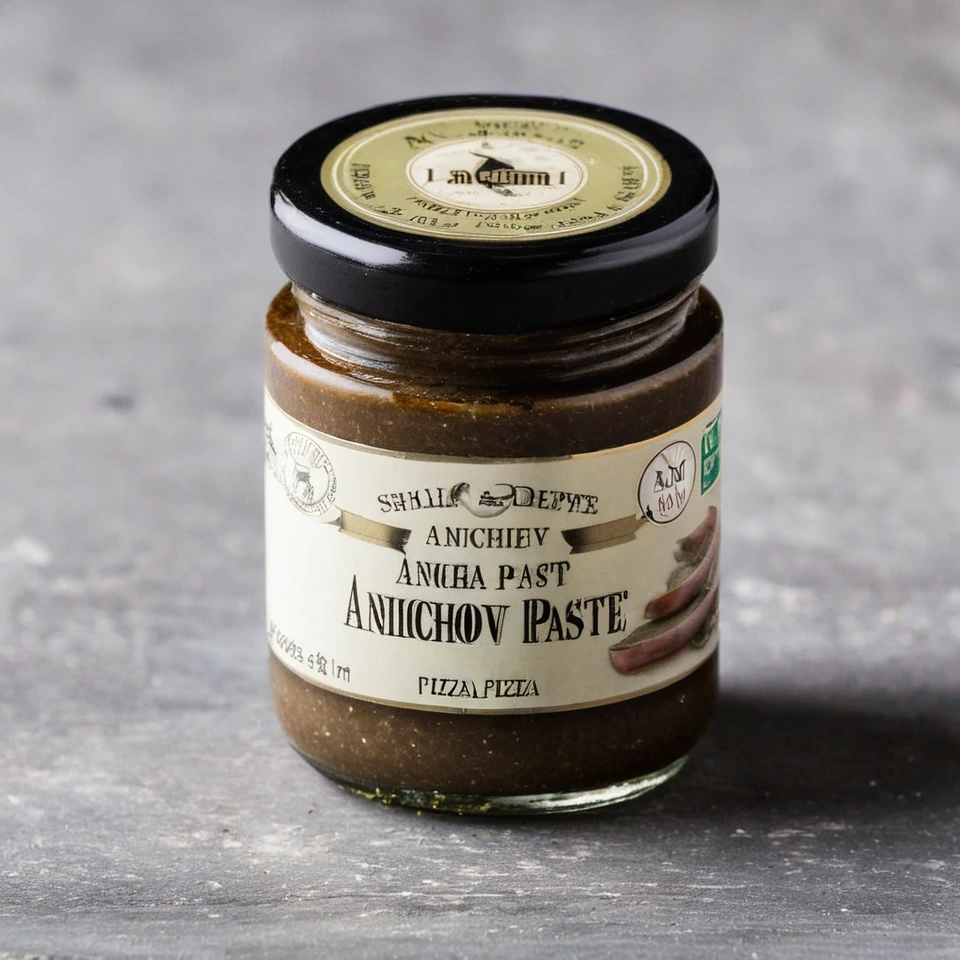
Anchovy Paste
Anchovy paste is a rich, salty spread made from finely ground anchovies, salt, and sometimes olive oil. It offers a deep umami flavor that enhances a variety of dishes.
Recipes to try
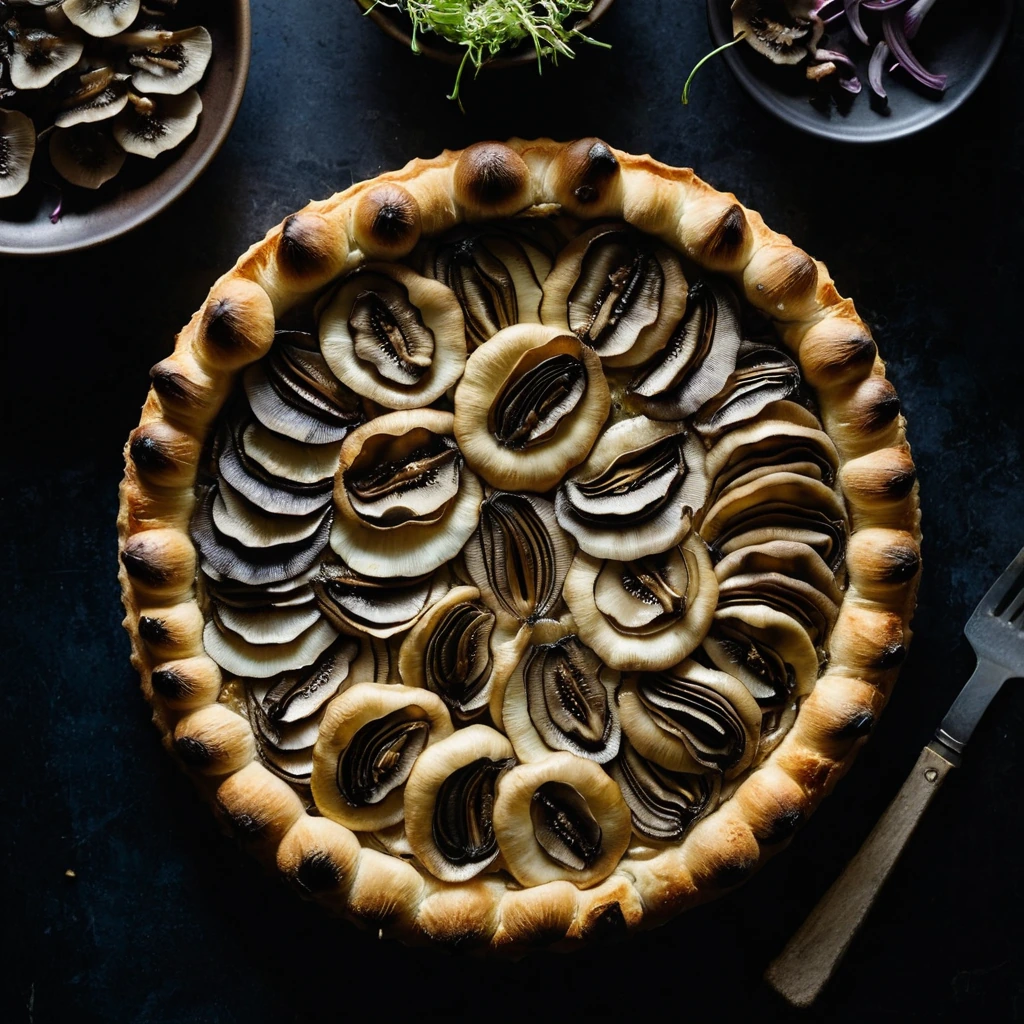
Mushroom, Onion, and Gruyère Tart
Golden, flaky pastry cradles a rich, earthy filling of sautéed mushrooms and onions, crowned with melty Gruyère.
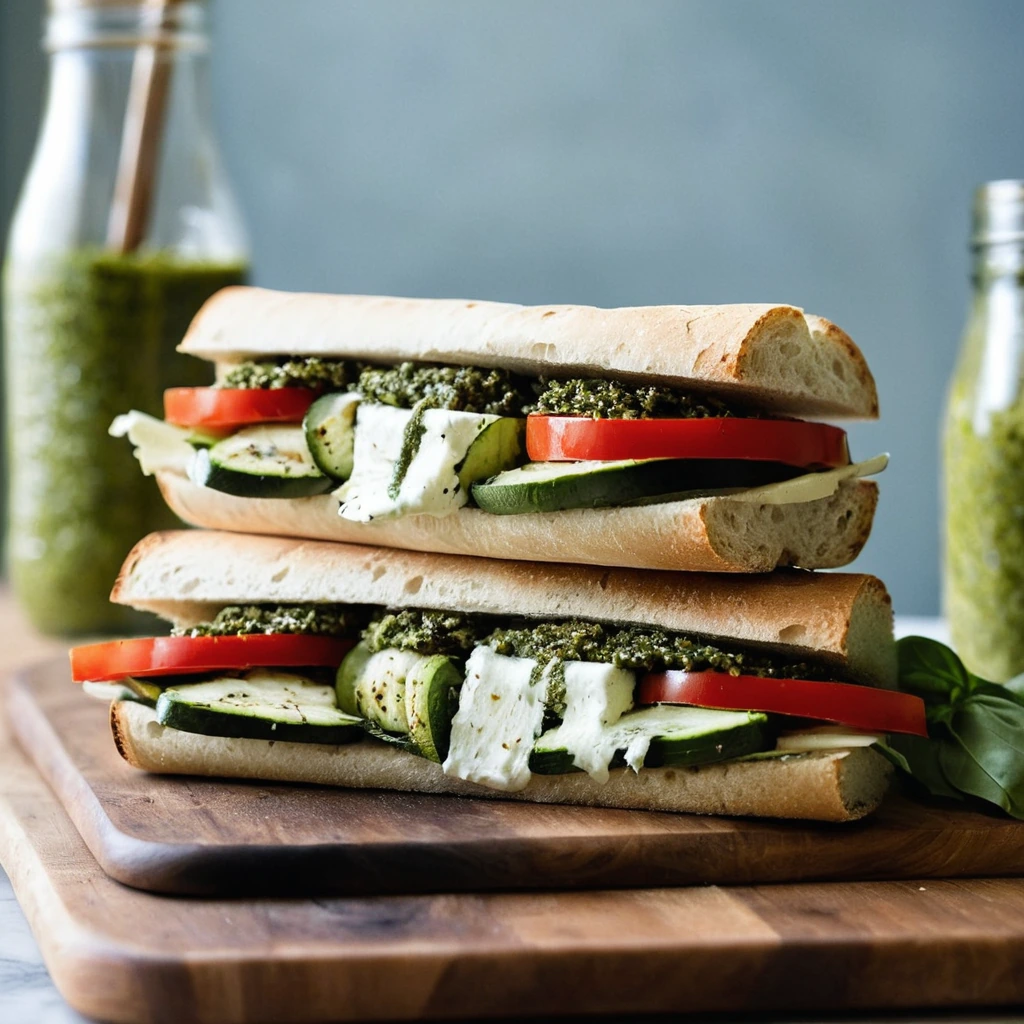
Pesto Roasted Veggie Sandwiches with Mozzarella
Warm, toasty ciabatta cradles a medley of roasted veggies, vibrant pesto, and melty mozzarella for a sandwich that's as hearty as it is fresh.