Sauce Technique: Finishing Sauces with Fresh Herbs at the Last Second
Adding fresh herbs to a sauce at the last second is a simple yet transformative technique that can elevate any dish from ordinary to extraordinary. The vibrant colors, bright flavors, and aromatic essence of fresh herbs can turn a humble sauce into a culinary masterpiece. This method preserves the delicate volatile oils in herbs that can easily dissipate with prolonged heat exposure. Whether you're drizzling a sauce over grilled fish, pasta, or roasted vegetables, finishing with fresh herbs ensures that their essence shines through. Understanding which herbs work best, how much to use, and when to add them is key to mastering this technique. It's not just about tossing in a handful of basil or parsley; it's about enhancing the dish with precision and intention. The visual appeal is undeniable, but the aromatic and flavor impact is where the magic happens. From the citrusy zing of fresh dill to the peppery bite of chives, each herb brings its own personality to the sauce. Let's dive into the art of finishing sauces with fresh herbs, ensuring your culinary creations are always bursting with freshness and flavor.
Notes
The science behind finishing sauces with fresh herbs lies in preserving their volatile oils, which are responsible for their aromatic qualities. These oils are easily lost when exposed to high heat for extended periods. Adding herbs at the last second ensures their essence is captured in its purest form. Common mistakes include adding herbs too early, resulting in a muted flavor, or overchopping, which can bruise the leaves and release too much moisture. Ensure your herbs are completely dry before adding them to avoid diluting the sauce. For storage, sauces finished with fresh herbs are best enjoyed immediately but can be kept in the refrigerator for up to 24 hours if covered tightly. However, note that the herbs will lose some of their vibrancy over time.
Steps
- 1 Choose fresh herbs that complement your sauce's base flavors.
- 2 Wash herbs gently under cold water and pat them dry with a clean towel.
- 3 Chop herbs finely, ensuring uniform pieces for even distribution.
- 4 Prepare your sauce up to the point where it is ready to be finished.
- 5 Remove the sauce from direct heat and let it cool slightly.
- 6 Stir in the fresh herbs gently to maintain their texture and color.
- 7 Taste and adjust seasoning if necessary, remembering that herbs can enhance saltiness.
- 8 Serve immediately to enjoy the full aromatic and flavor profile of the herbs.
Ingredients to explore
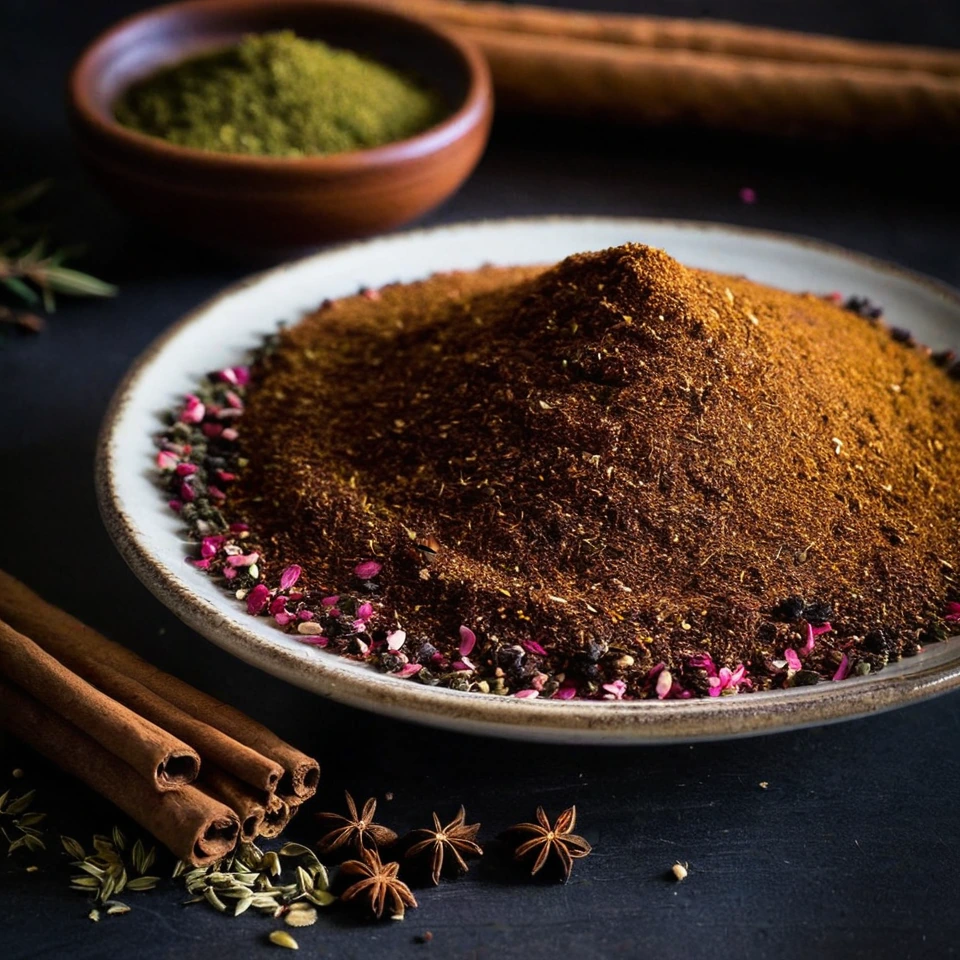
Advieh (Persian Spice Blend)
Advieh is a fragrant Persian spice blend that boasts a complex aroma of warm cinnamon, earthy cumin, and floral hints of rose and saffron. Its texture is finely ground, making it easy to incorporate into dishes. Originating from the rich culinary traditions of Iran, advieh adds depth and sophistication to both savory and sweet recipes. Its unique combination of spices reflects the historical spice trade routes that influenced Persian cuisine.
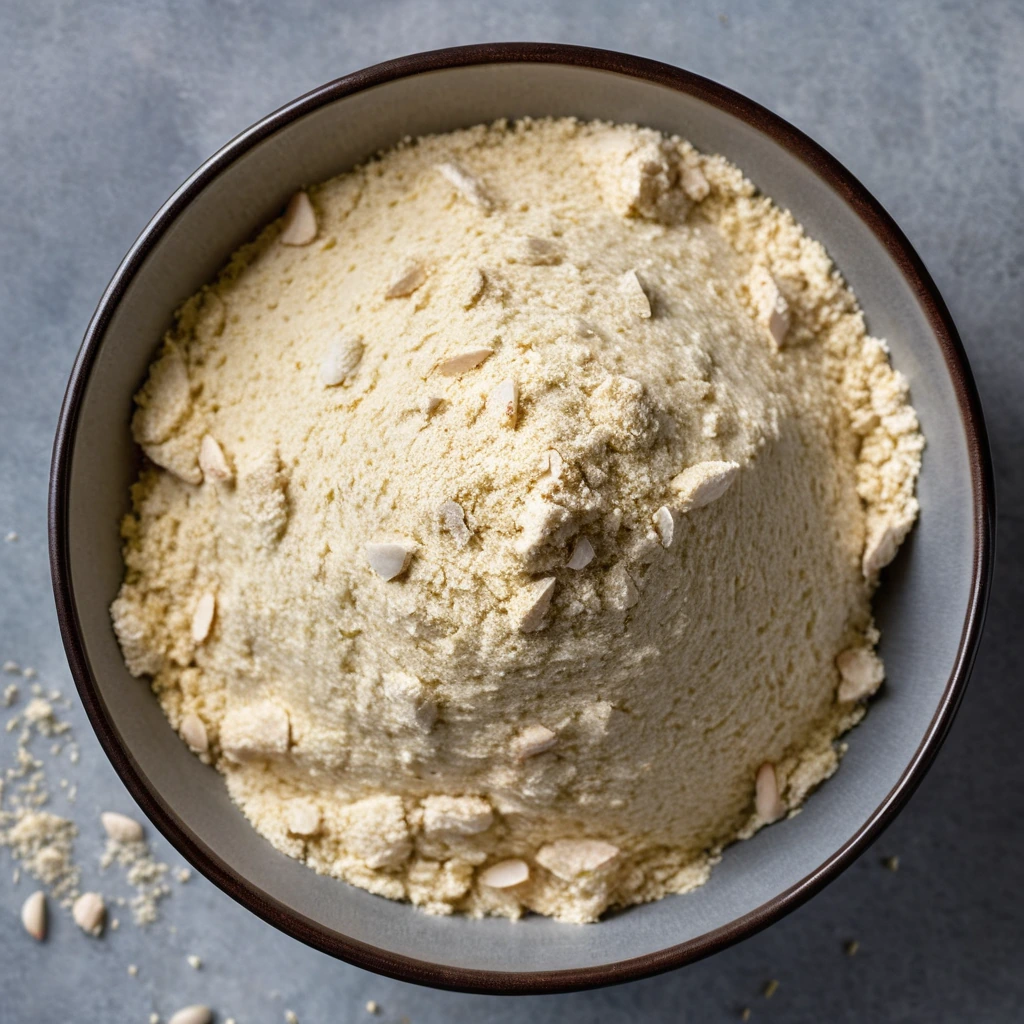
Almond Flour
A finely ground flour made from blanched almonds, offering a delicate nutty aroma and a tender crumb to your baked goods.
Recipes to try

Roasted Cauliflower Tikka with Basmati Rice
Golden roasted cauliflower bites with a smoky, spicy kick served alongside fragrant basmati rice.
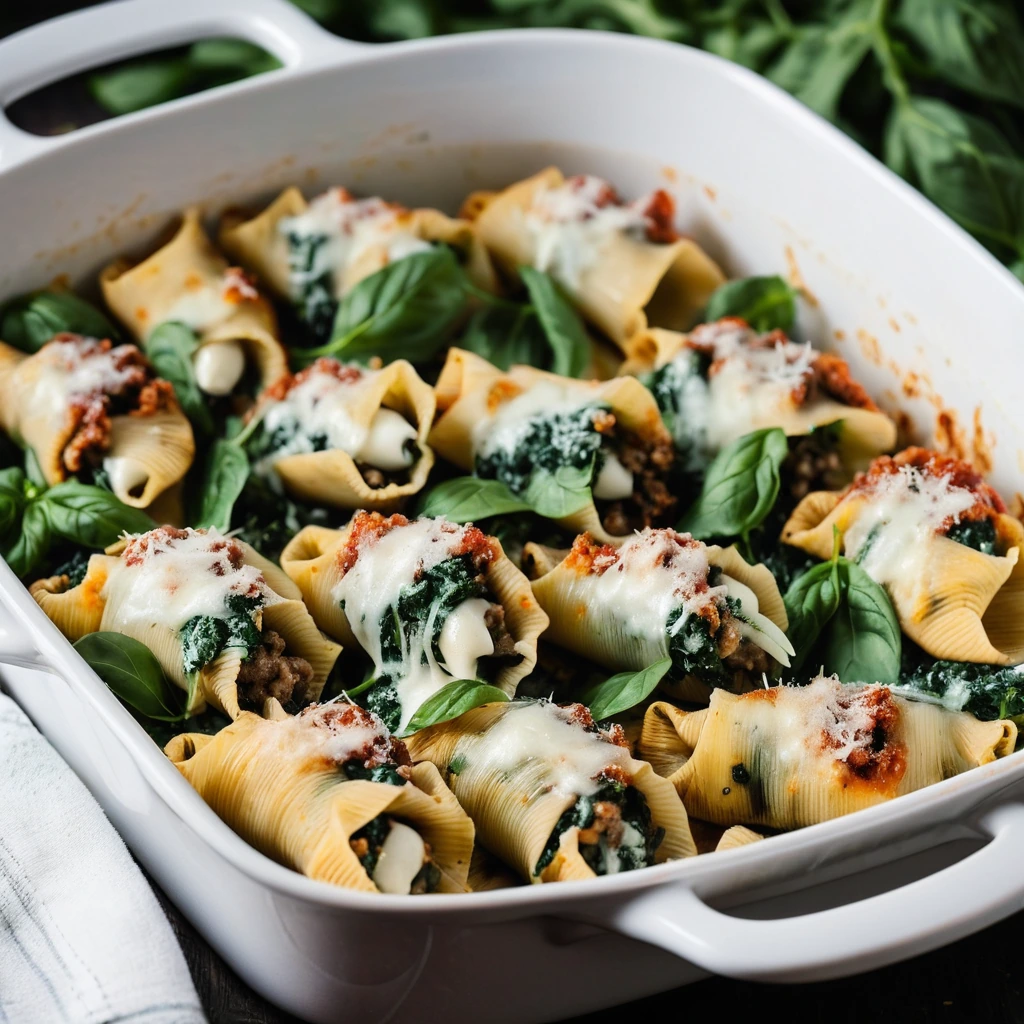
Sausage and Spinach Stuffed Shells Bake
Creamy ricotta and hearty sausage nestled in pasta shells, crowned with a blanket of melted mozzarella and fresh spinach.