Sauce Technique: Building Pan Gravies After Roasting Meats
Creating a rich and flavorful pan gravy is an art that transforms a simple roasted meat into a gourmet meal. The secret lies in harnessing the caramelized bits left in the roasting pan, known as fond. These browned particles are packed with flavor and form the foundation of your gravy. Start by removing the roasted meat from the pan and placing it on a cutting board to rest. While the meat is resting, it's time to turn your attention to the pan. First, deglaze it with a liquid—usually stock or wine—to lift the fond from the bottom. This step is crucial, as it combines the concentrated flavors with the liquid base. Simmering the deglazing liquid allows it to reduce and intensify in taste. Next, a roux made from equal parts fat and flour is often introduced to thicken the gravy. The fat can come from the roasting pan itself, adding even more flavor. Whisking constantly ensures a smooth, lump-free sauce. Seasonings such as salt, pepper, and herbs are added to taste, enhancing the overall flavor profile. Finally, strain the gravy to achieve a silky texture. The result is a luxurious sauce that complements your roasted meat beautifully. Understanding the science behind each step is key to troubleshooting common issues like a gravy that’s too thin or lumpy. Safety is also a consideration, as hot liquids and stovetops require careful handling.
Notes
The science behind pan gravy lies in the Maillard reaction, which occurs when proteins and sugars in the meat are exposed to high heat, creating complex flavors. To avoid lumps, ensure your roux is smooth before adding it to the pan. If your gravy is too thin, simmer it longer to reduce or add a bit more roux. Conversely, if it's too thick, whisk in a bit more stock. Always exercise caution when handling hot pans and liquids to prevent burns. For make-ahead convenience, store your gravy in an airtight container in the refrigerator for up to 3 days. Reheat gently, adding a splash of stock or water if needed to restore consistency.
Steps
- 1 Remove roasted meat from the pan and let it rest on a cutting board.
- 2 Place the roasting pan on two burners over medium heat.
- 3 Add 1/4 cup of stock or wine to the pan and scrape up the browned bits with a wooden spoon.
- 4 Simmer the liquid for 3-5 minutes to reduce and concentrate the flavor.
- 5 Whisk together 2 tablespoons of fat from the pan and 2 tablespoons of flour in a small bowl to make a roux.
- 6 Gradually whisk the roux into the pan, ensuring no lumps form.
- 7 Continue whisking until the gravy thickens, about 2-3 minutes.
- 8 Season with salt, pepper, and any desired herbs.
- 9 Taste and adjust seasoning as needed.
- 10 Strain the gravy through a fine-mesh sieve into a serving vessel.
- 11 Keep warm until ready to serve.
Ingredients to explore
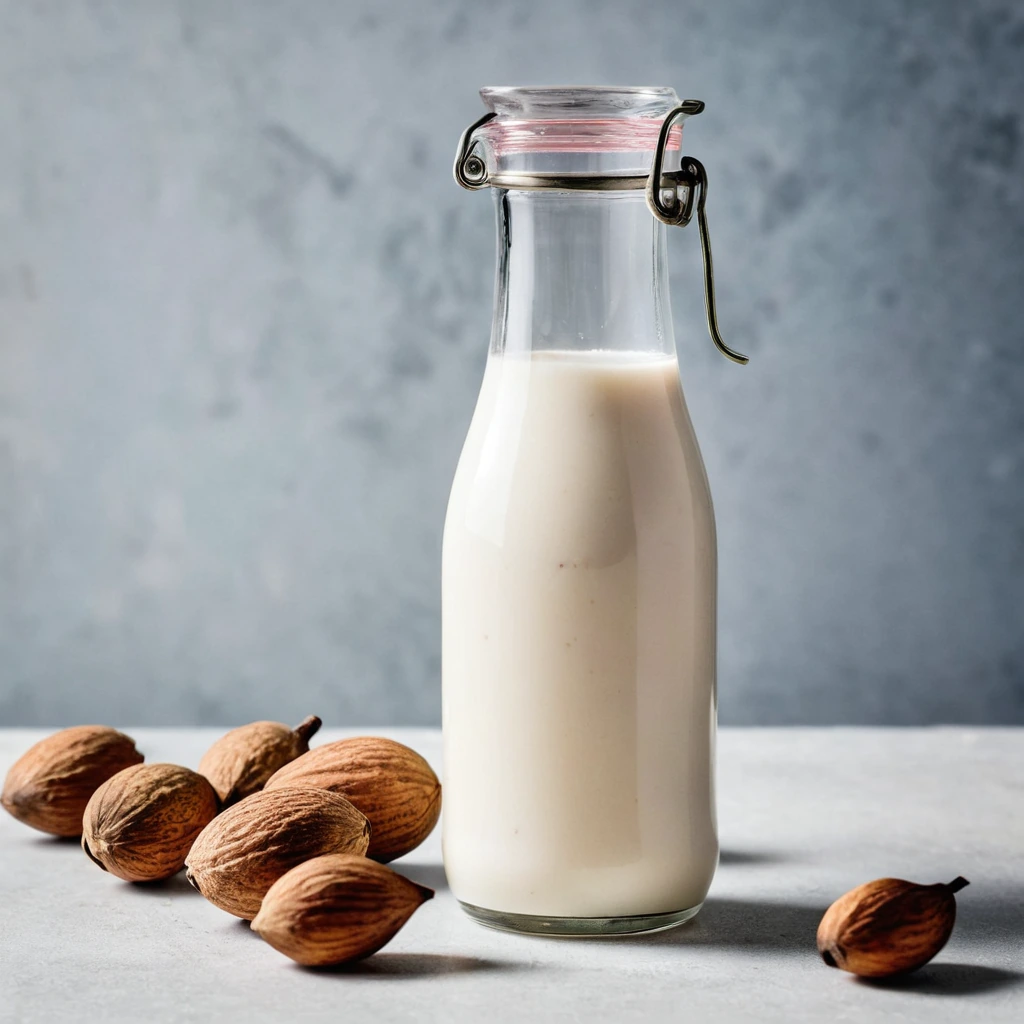
Almond Milk
Almond milk is a plant-based milk alternative made from ground almonds and water. Originating from traditional recipes in medieval Europe and the Middle East, it has gained widespread popularity in modern times as a dairy-free option. Almond milk has a subtly nutty flavor with a mild sweetness, and its aroma is reminiscent of fresh almonds. Its texture is smooth and creamy, though typically lighter than dairy milk. In cooking, almond milk behaves well in both savory and sweet applications, though it does not brown or caramelize like dairy milk. It is often used in cereals, smoothies, and baking, where its delicate flavor complements rather than overpowers other ingredients.

American Cheese Slices
Those iconic, perfectly pliable slices of creamy, mild American cheese. Each slice boasts a smooth, melt-in-your-mouth texture that brings comfort to any dish.
Recipes to try
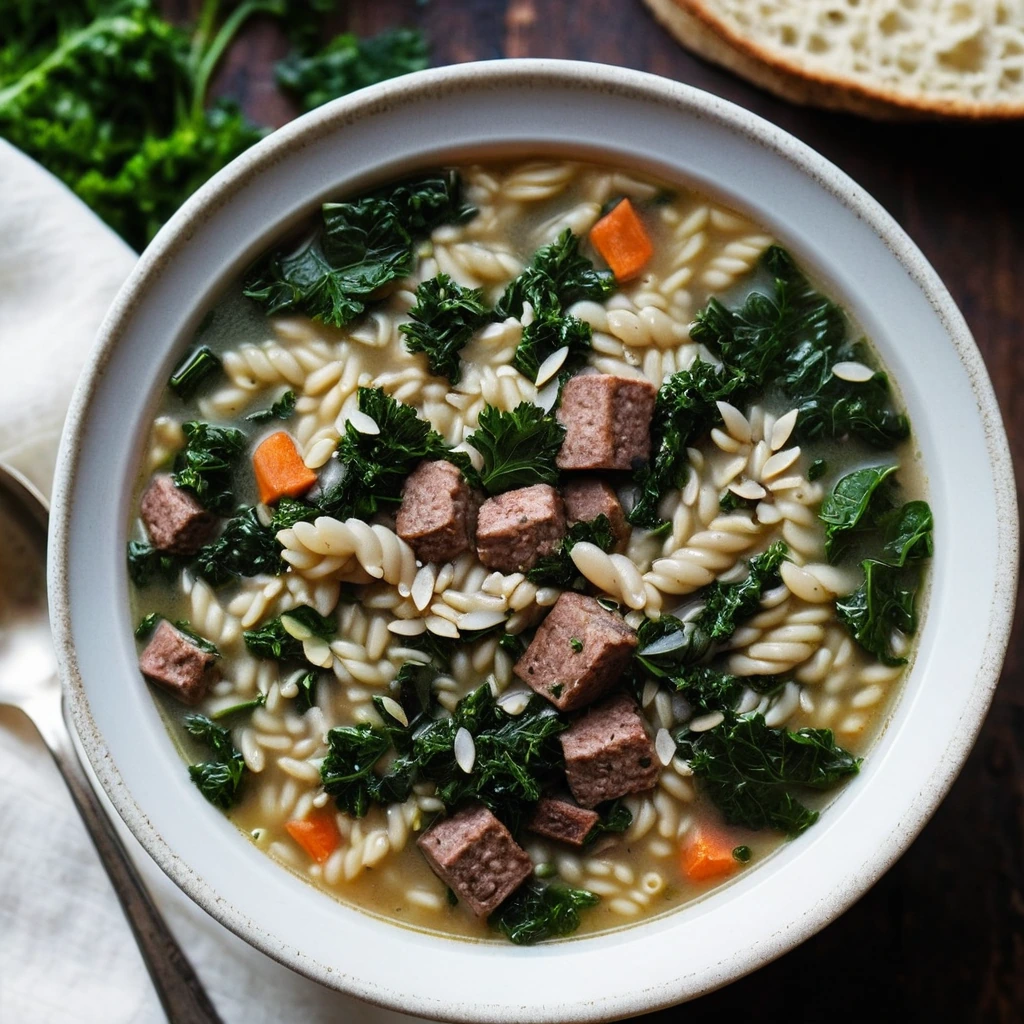
Sausage, Kale, and White Bean Orzo Soup
This hearty soup is a cozy hug in a bowl, brimming with smoky sausage, tender kale, and creamy white beans in a savory broth.

Sweet Potato, Sausage, and Egg Breakfast Hash
Rustic and hearty, this breakfast hash is a symphony of smoky sausage, tender sweet potatoes, and perfectly cooked eggs.