Salads: Composing a Main Course Salad Bowl
Creating a main course salad bowl is an art that transforms simple ingredients into a satisfying, restaurant-quality meal. Unlike side salads, these are hearty, balanced dishes designed to stand alone. The key to success lies in thoughtful composition: selecting robust greens, incorporating a variety of textures, and layering flavors to create a harmonious dish. Start with a sturdy base like romaine or kale, which can support heavier ingredients without wilting. Next, add protein—grilled chicken, roasted chickpeas, or seared tofu provide substance and staying power. Carbohydrates such as quinoa, farro, or roasted sweet potatoes offer energy and bulk. Vegetables like cherry tomatoes, cucumbers, and bell peppers contribute color and crunch, while olives, nuts, or seeds introduce complexity and depth. Dressings should be assertive enough to coat all components yet subtle enough not to overpower. Finally, consider garnishes like fresh herbs or crumbled cheese for an extra layer of flavor and visual appeal. Mastering this technique ensures a salad that's both nutritious and indulgent, perfect for any meal of the day.
Notes
The science behind a successful main course salad lies in balancing moisture and texture. Sturdy greens prevent sogginess, while proteins and grains offer structural integrity. Dressings should be emulsified to evenly distribute flavor without making the salad watery. Common mistakes include over-dressing, which can lead to a limp salad, and under-seasoning, which results in a bland dish. To store leftovers, keep dressing separate and toss just before eating to maintain crispness. Always use clean, dry hands when handling greens to avoid contamination and maintain freshness.
Steps
- 1 Select sturdy greens like romaine or kale and wash thoroughly.
- 2 Dry greens completely using a salad spinner to prevent wilting.
- 3 Prepare your protein by grilling, roasting, or searing to your desired doneness.
- 4 Cook grains such as quinoa or farro according to package instructions and allow to cool.
- 5 Roast vegetables like sweet potatoes or beets at 400°F for 25-30 minutes until tender.
- 6 Chop fresh vegetables into bite-sized pieces for even distribution.
- 7 Whisk together a vinaigrette using olive oil, vinegar, mustard, and seasonings.
- 8 Layer greens, protein, grains, and vegetables in a large bowl.
- 9 Sprinkle with nuts, seeds, or cheese for added texture and flavor.
- 10 Drizzle dressing over the salad just before serving to maintain crispness.
- 11 Toss gently to combine, ensuring all ingredients are lightly coated.
- 12 Garnish with fresh herbs or additional toppings for visual appeal.
- 13 Serve immediately for the best texture and flavor experience.
Ingredients to explore
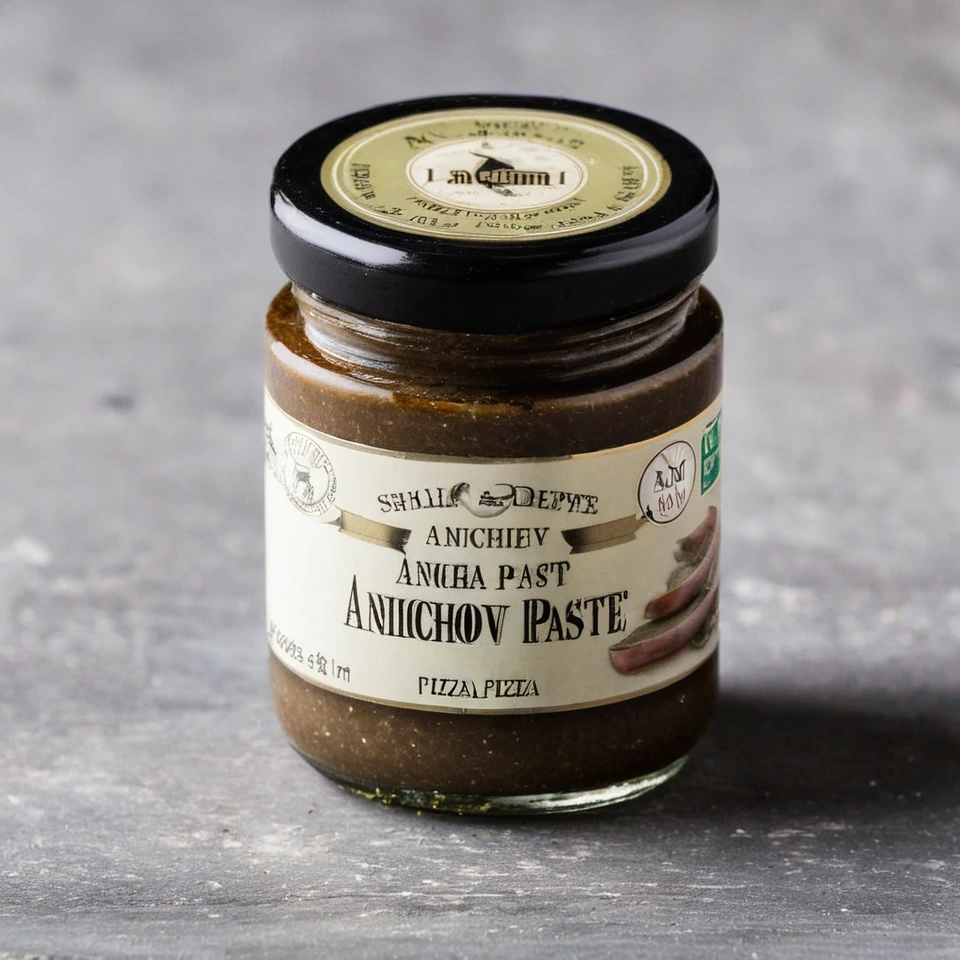
Anchovy Paste
Anchovy paste is a rich, salty spread made from finely ground anchovies, salt, and sometimes olive oil. It offers a deep umami flavor that enhances a variety of dishes.

Andouille Sausage
Andouille sausage is a coarse-grained, smoked pork sausage with a rich history rooted in French cuisine, particularly from the Alsace region. It was adapted in Louisiana, where it became a staple in Cajun and Creole cooking. The sausage is known for its robust, smoky flavor with hints of garlic, pepper, and other spices, creating a spicy and savory profile. Its texture is firm yet slightly chewy, making it a hearty addition to dishes. When cooked, andouille sausage maintains its shape well and infuses dishes with its distinctive smoky essence, enhancing stews, soups, and rice dishes.
Recipes to try
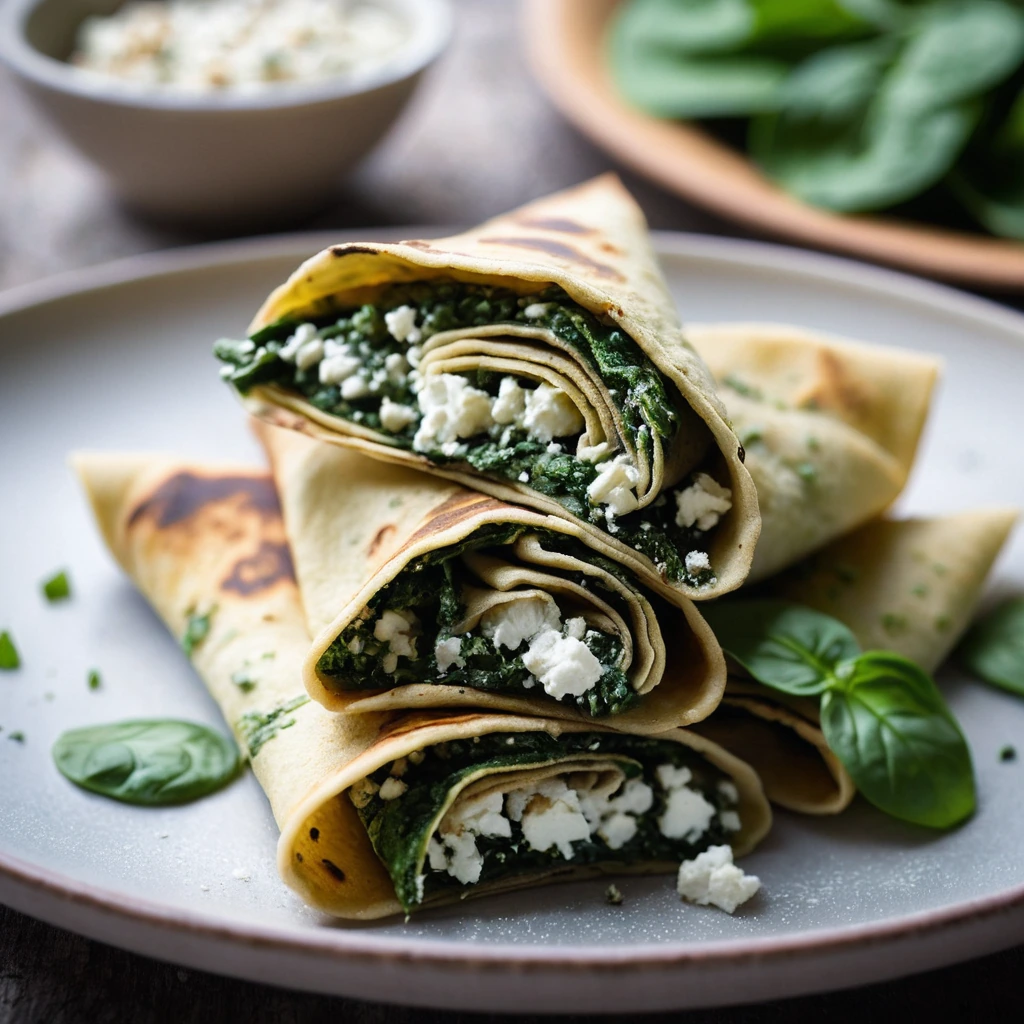
Spinach, Mushroom, and Feta Stuffed Crepes
Golden crepes envelop a savory blend of earthy mushrooms, tender spinach, and tangy feta for a satisfying vegetarian treat.
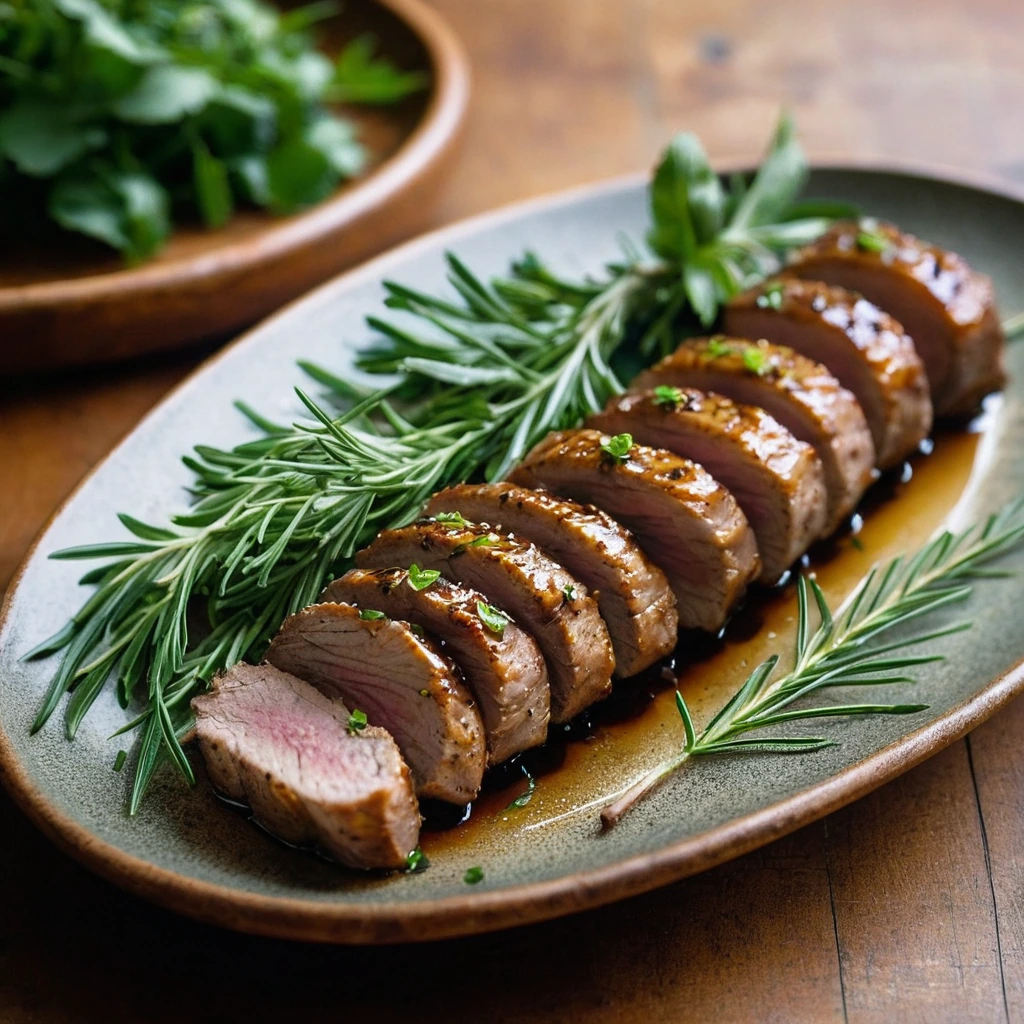
Pork Tenderloin with Garlic Honey Glaze
Succulent pork tenderloin kissed with a sweet, sticky glaze of garlic and honey for a flavor punch that'll have everyone coming back for seconds.