Salad & Cold Prep: Prepping Crunchy Toppings in Advance
Prepping crunchy toppings for salads and cold dishes in advance can seem daunting, but with the right techniques, you can ensure your toppings stay crisp and flavorful until serving time. The key lies in understanding moisture control and the science of texture. Vegetables like carrots, celery, and bell peppers are naturally crunchy, but they lose their crispness when exposed to air and moisture over time. By employing blanching, proper storage, and smart seasoning strategies, you can maintain that satisfying crunch. Blanching involves briefly boiling vegetables and then shocking them in ice water, which halts the cooking process and preserves their texture. Additionally, drying your vegetables thoroughly before storage is crucial to prevent sogginess. Using airtight containers or resealable bags can further protect your toppings from humidity. Seasoning with salt too early can draw out moisture, so it's best to season just before serving. This technique ensures your salads and cold dishes remain vibrant and crunchy, elevating both presentation and taste.
Notes
The science behind blanching lies in its ability to deactivate enzymes that cause vegetables to lose texture over time. Proper drying is crucial, as residual moisture can lead to spoilage and sogginess. A common mistake is seasoning too early, which draws out moisture and softens the vegetables. To avoid this, wait until just before serving to add salt and other seasonings. Always check your vegetables for texture before use, as prolonged refrigeration can still cause some loss of crispness. For storage, keep your containers in the coolest part of your refrigerator to maximize freshness. If you notice any signs of wilting, use those toppings first or incorporate them into cooked dishes where texture is less critical.
Steps
- 1 Select fresh, firm vegetables for optimal crunch.
- 2 Wash vegetables thoroughly and dry completely using a salad spinner or clean kitchen towels.
- 3 Cut vegetables into uniform pieces to ensure even blanching and cooking.
- 4 Bring a pot of salted water to a boil and prepare a bowl of ice water nearby.
- 5 Blanch vegetables for 30 seconds to 2 minutes, depending on size and type.
- 6 Immediately transfer blanched vegetables to ice water to stop the cooking process.
- 7 Drain vegetables well and pat dry with clean towels or paper towels.
- 8 Toss vegetables lightly with a small amount of oil to prevent browning and sticking.
- 9 Store in airtight containers or resealable bags, removing as much air as possible.
- 10 Label and date your containers for easy tracking.
- 11 Refrigerate vegetables for up to 5 days, checking for texture before use.
- 12 Season with salt and any desired spices just before serving to maintain crunch.
- 13 For extra crispness, consider tossing with a small amount of acid like lemon juice right before serving.
- 14 Experiment with other crunchy toppings like nuts or seeds, toasting them separately and storing in a cool, dry place.
Ingredients to explore
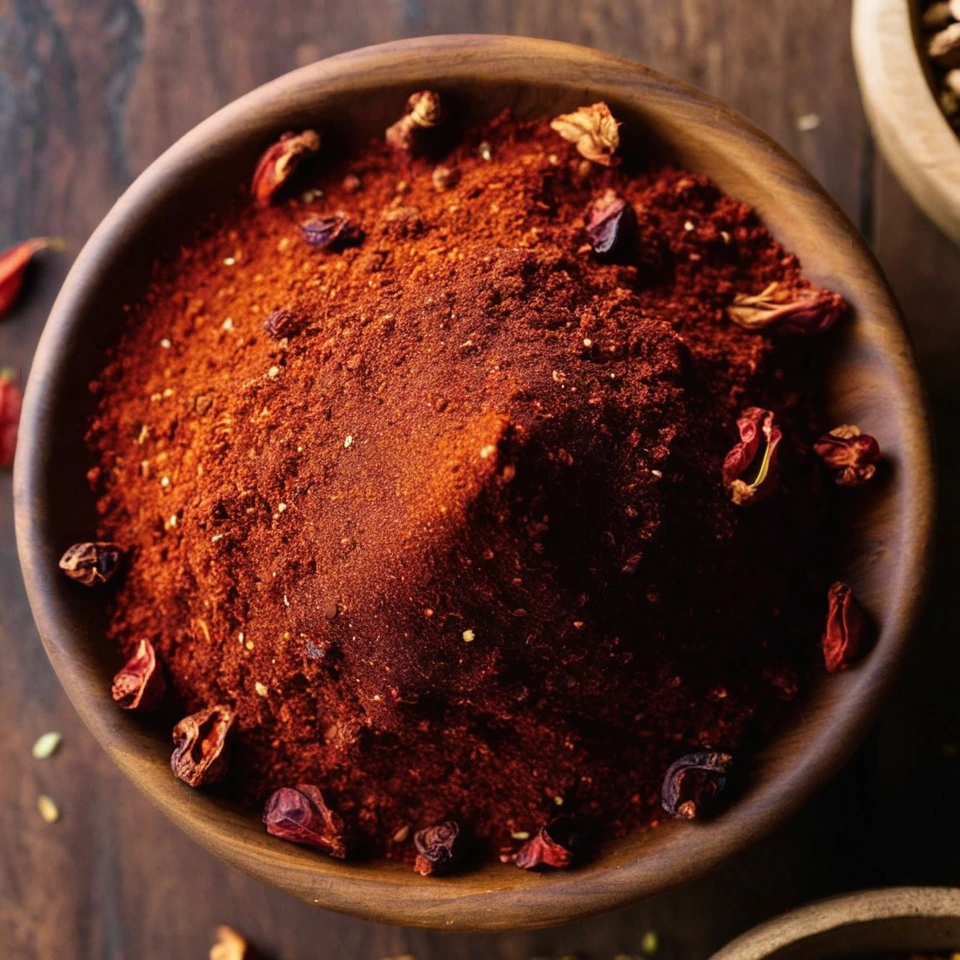
Aleppo Pepper
Aleppo pepper offers a harmonious balance of heat and sweetness, with a subtle fruity aroma reminiscent of sun-dried tomatoes and currants. Originating from the region around Aleppo, Syria, it has a fine, slightly coarse texture that shatters easily between fingers. Its mild yet complex flavor profile makes it a prized seasoning for enhancing dishes without overwhelming them. Valued for its versatility, it bridges the gap between spice and seasoning, bringing a touch of warmth and depth to a variety of cuisines.

Anaheim Peppers
Anaheim peppers are a mild chili pepper variety named after Anaheim, California, where they were first cultivated commercially. Originating from the New Mexico region, these peppers are celebrated for their versatility and gentle heat. They possess a flavor that is mildly sweet with a subtle tang, and a pleasant vegetal note reminiscent of green bell peppers, but with a hint of spice. Their texture is firm and crisp when fresh, becoming tender and slightly smoky when roasted or cooked. In cooking, Anaheim peppers behave well across a range of techniques, from grilling and roasting to stuffing and sautéing, contributing a nuanced depth without overwhelming other ingredients with heat.
Recipes to try
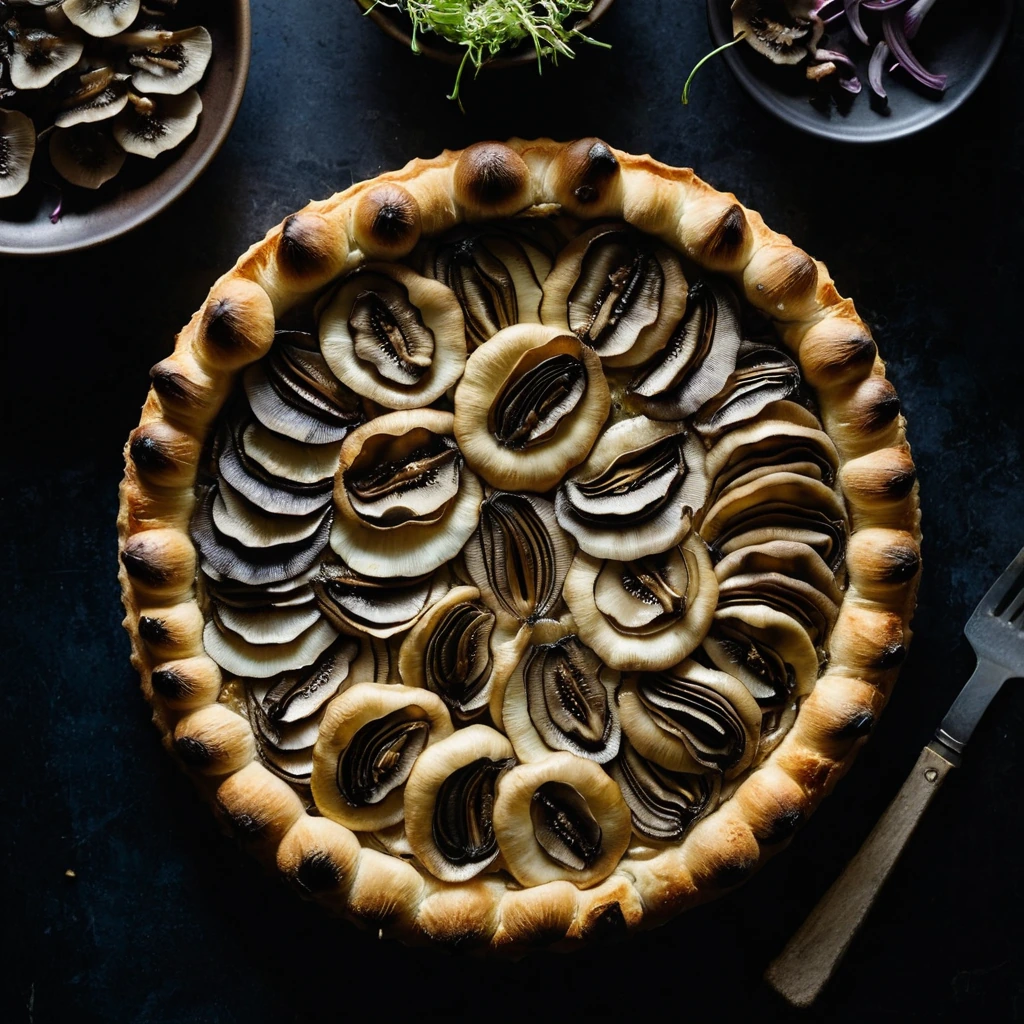
Mushroom, Onion, and Gruyère Tart
Golden, flaky pastry cradles a rich, earthy filling of sautéed mushrooms and onions, crowned with melty Gruyère.
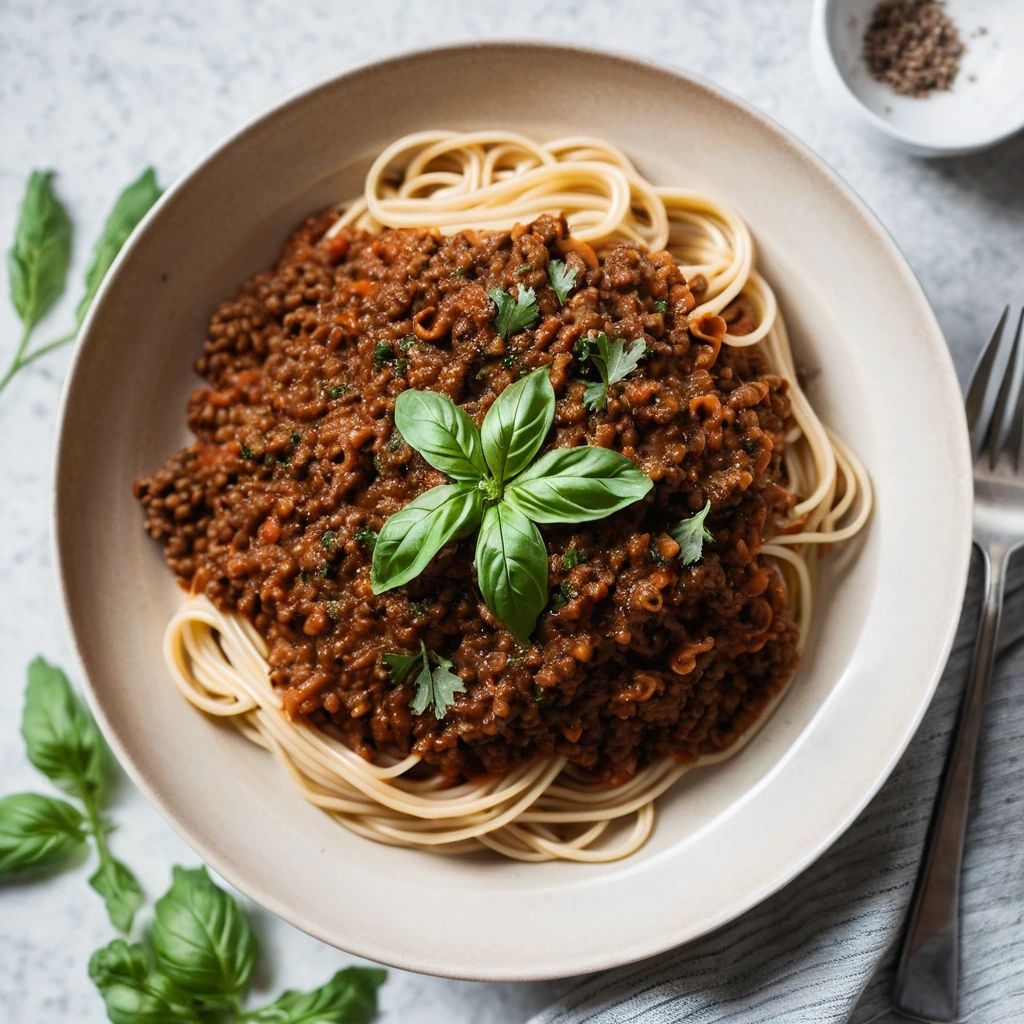
Mushroom and Lentil Bolognese over Spaghetti
A hearty, savory Bolognese packed with earthy mushrooms and protein-rich lentils, served over perfectly al dente spaghetti.