Safety: Venting Lids and Steam Burns Prevention
Cooking with steam can be both efficient and dangerous if not handled properly. Venting lids are a crucial tool in preventing steam burns, a common kitchen hazard. This technique dives into the importance of using vented lids to manage steam pressure and temperature, ensuring that your cooking experience is safe and controlled. We'll explore how steam burns occur, the role of venting lids in mitigating this risk, and how to use them effectively. Understanding the science behind steam and pressure can transform your cooking habits, making your kitchen a safer space. Whether you're simmering soups, boiling pasta, or canning preserves, mastering the use of vented lids can prevent accidents and improve cooking outcomes. This guide provides a comprehensive overview of selecting the right lids, understanding their features, and integrating them into your cooking routine to avoid potential injuries.
Notes
Venting lids work by allowing steam to escape in a controlled manner, preventing pressure build-up that could lead to violent releases of hot steam or liquid. This controlled release reduces the risk of burns and maintains a safer cooking environment. Common mistakes include using non-vented lids for recipes that require constant stirring or monitoring, which can lead to pressure buildup and potential spills. Always inspect the vent for blockages to ensure proper function. Safety is paramount; never lean over the pot when removing the lid to avoid direct contact with escaping steam. For make-ahead meals, ensure the lid is completely dry before storage to prevent rust. Store in a cool, dry place to maintain the integrity of the vent mechanism.
Steps
- 1 Select a pot with a compatible vented lid.
- 2 Ensure the vent is clear of obstructions before use.
- 3 Fill the pot with the appropriate amount of liquid or food.
- 4 Place the vented lid securely on the pot.
- 5 Turn the heat to medium-high to bring the contents to a boil.
- 6 Observe steam escaping through the vent to regulate pressure.
- 7 Once boiling, reduce heat to maintain a steady simmer.
- 8 Avoid tilting or shaking the pot to prevent hot liquid from escaping.
- 9 Use oven mitts when handling the pot or lid.
- 10 Turn off the heat before removing the lid.
- 11 Tilt the lid slightly to allow remaining steam to escape.
- 12 Wait for steam to dissipate before fully removing the lid.
- 13 Handle with care to avoid residual heat on the lid and pot.
- 14 Clean the lid and pot promptly after use to prevent mineral buildup.
Ingredients to explore
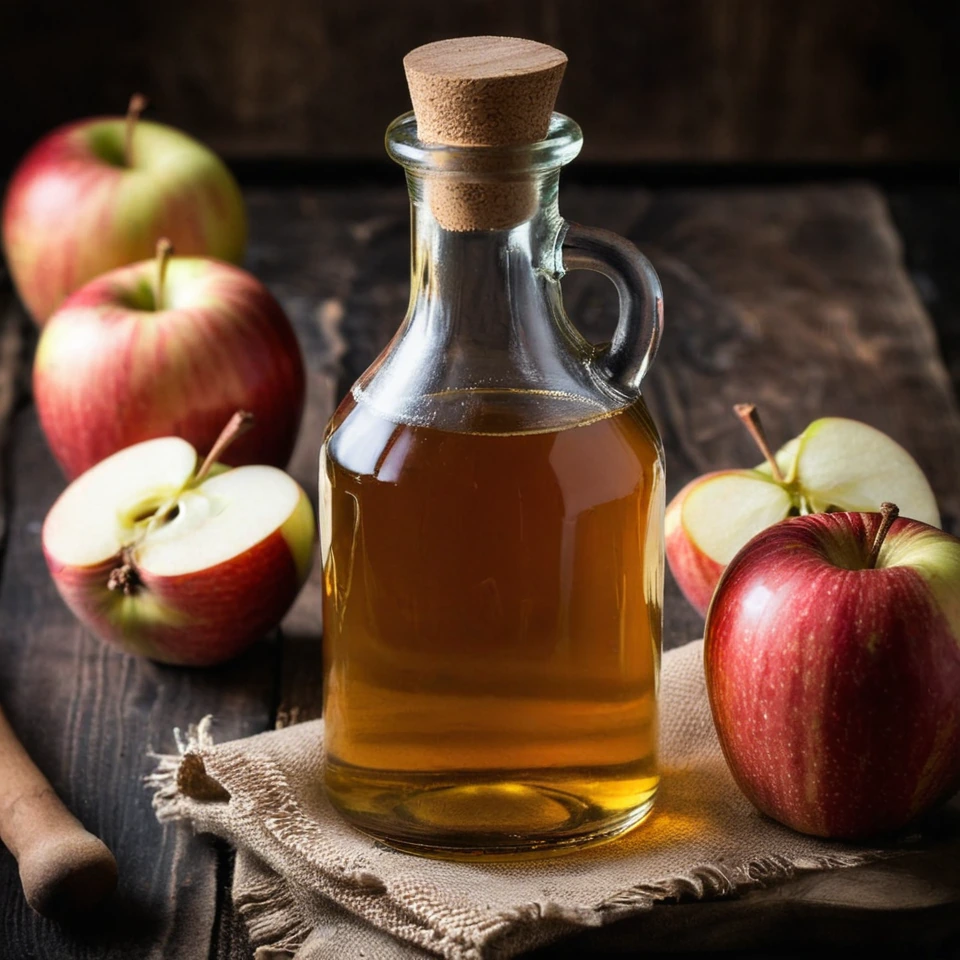
Apple Cider Vinegar
Apple cider vinegar is a type of vinegar made through the fermentation of apple cider, resulting in a tangy, slightly sweet liquid with a pale to medium amber color.
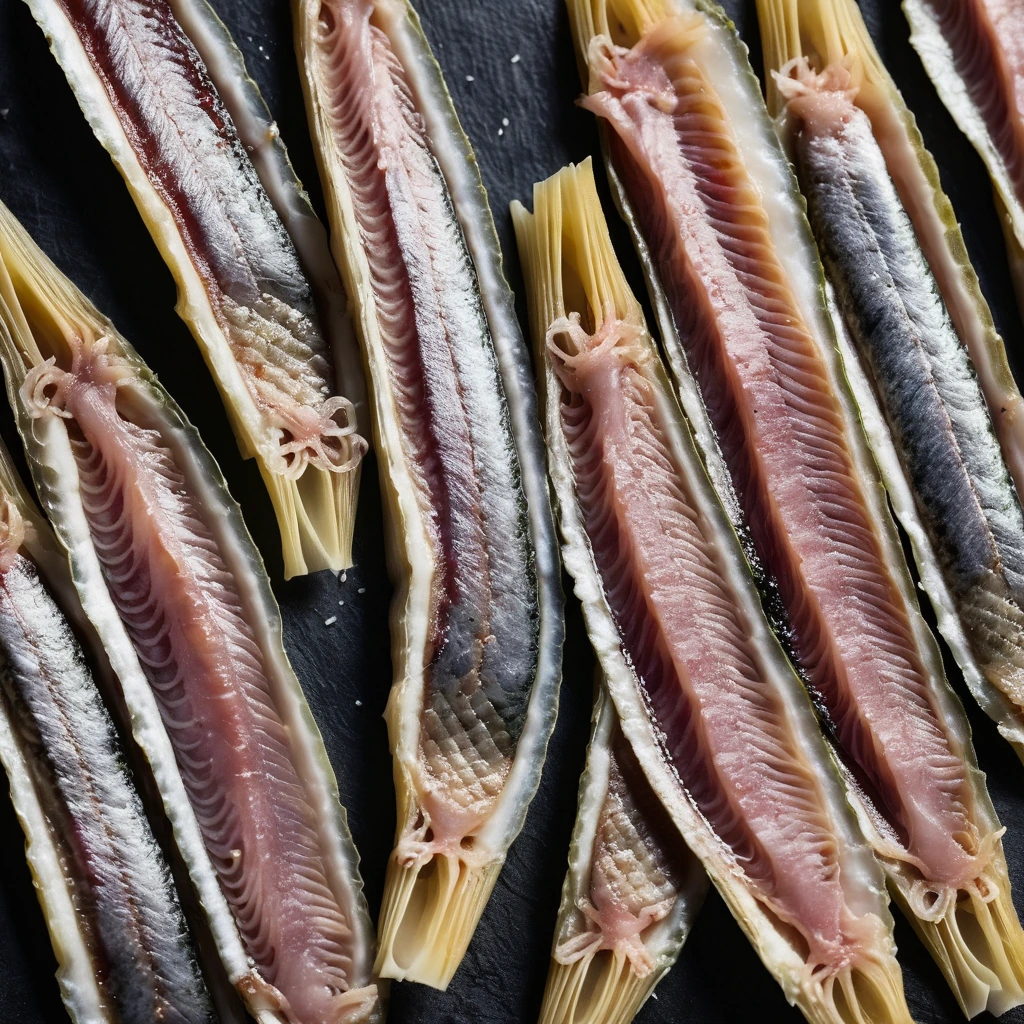
Anchovy Fillets
Silvery and succulent, anchovy fillets are a briny treasure from the sea. Their rich, umami flavor adds depth to dishes, making them a beloved ingredient in kitchens worldwide.
Recipes to try
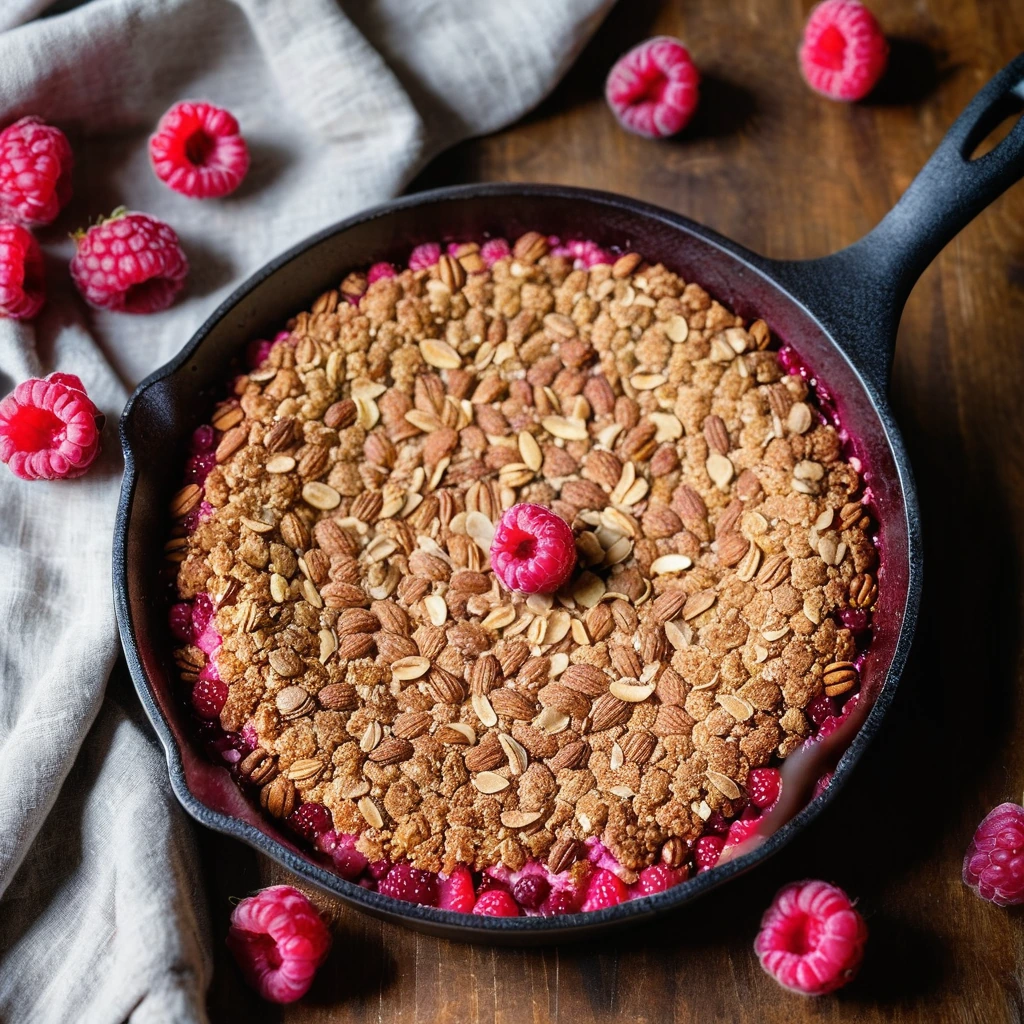
Raspberry Almond Crumble Skillet
A symphony of sweet raspberries nestled under a golden, almond-studded crumble, perfect for cozy evenings and brunch spreads.
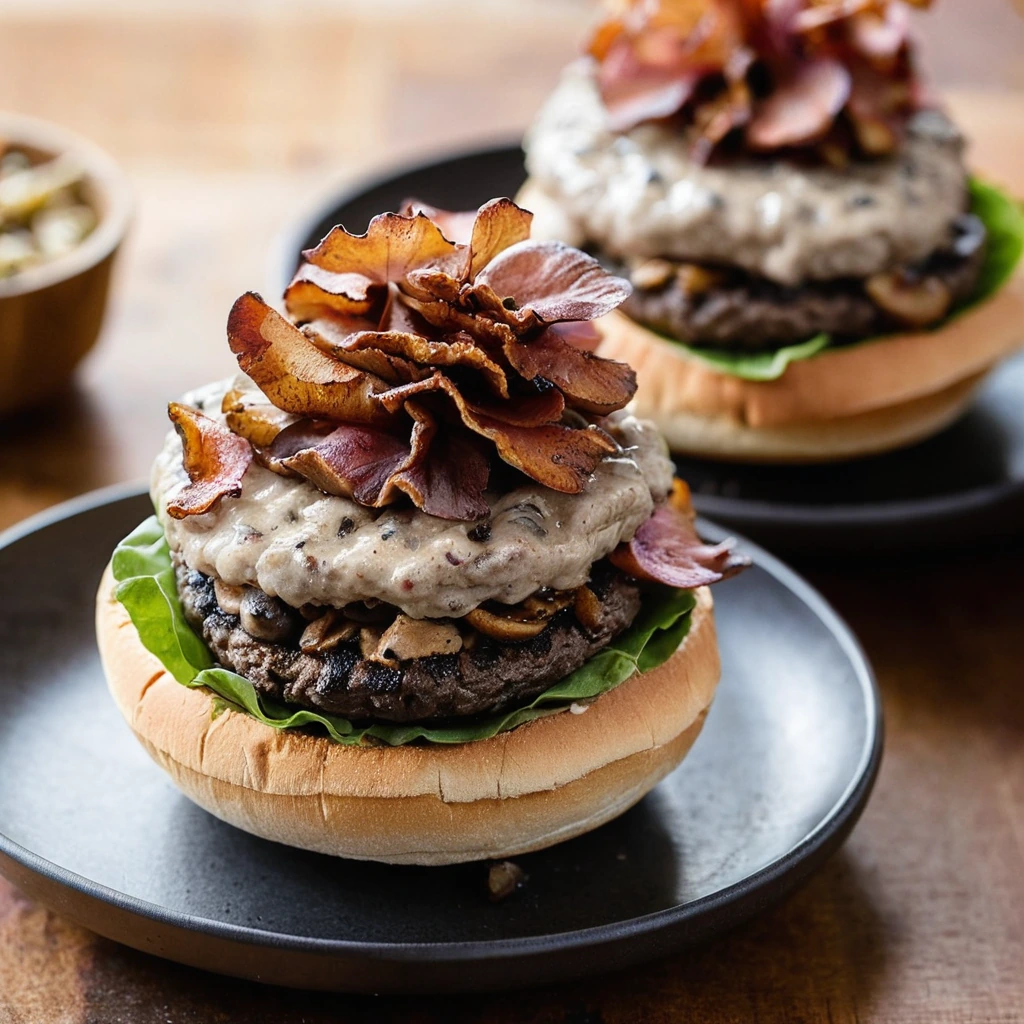
Maple Bacon Mushroom Burger Bowls
Sweet, smoky, and savory come together in these hearty bowls, where juicy burger patties meet crispy bacon and earthy mushrooms.