Safety: Smothering Small Grease Fires Safely
Grease fires are one of the most common kitchen emergencies, but understanding how to smother them safely can prevent disaster. Unlike other types of fires, grease fires require a unique approach due to the volatile nature of cooking oils and fats. When overheated, these substances can ignite and, if mishandled, lead to dangerous flare-ups. This technique outlines how to effectively and safely extinguish small grease fires using readily available tools. By following these steps, you can minimize risk and protect your home. First, it's crucial to recognize the danger signs: smoke, flames, or a sputtering sound from a pan. Acting quickly yet calmly is essential. Never attempt to move the pan or use water, as both actions can spread the fire. Instead, smothering the fire deprives it of oxygen, effectively extinguishing the flames. Common household items like baking soda, salt, or a Class B fire extinguisher can be your allies in this situation. Additionally, a metal lid or cookie sheet can serve as a quick barrier to cut off oxygen supply. Understanding this technique not only prepares you for an emergency but also instills confidence in your cooking endeavors, ensuring your kitchen remains a safe and enjoyable space.
Notes
Understanding the science behind smothering grease fires is crucial. When you deprive a fire of oxygen, you disrupt the combustion process, effectively extinguishing it. Common mistakes include using water, which causes oil to splatter and spread the fire, or attempting to move the burning pan, increasing risk of injury. Safety is paramount, so always prioritize your well-being over property. It's wise to keep baking soda and a Class B fire extinguisher accessible in your kitchen. For make-ahead considerations, ensure your fire extinguisher is checked annually and familiarize everyone in your household with your fire safety plan. Store grease properly to prevent future fires, and always clean up cooking surfaces after use.
Steps
- 1 Turn off the heat source immediately.
- 2 Wear oven mitts to protect your hands from heat.
- 3 Cover the pan with a metal lid to cut off oxygen.
- 4 If no lid is available, use a metal cookie sheet to smother the flames.
- 5 Stand back after covering to avoid steam burns.
- 6 If the fire is small, sprinkle baking soda or salt over it.
- 7 Avoid using flour or water, as they can worsen the fire.
- 8 Keep a Class B fire extinguisher nearby for emergencies.
- 9 Do not attempt to move the pan, even if the fire appears out.
- 10 Call emergency services if the fire grows out of control.
- 11 Once the fire is out, allow the pan to cool before inspecting.
- 12 Dispose of the extinguished grease properly to avoid reigniting.
- 13 Clean up any spills immediately to prevent future accidents.
- 14 Review and practice your fire safety plan regularly.
Ingredients to explore
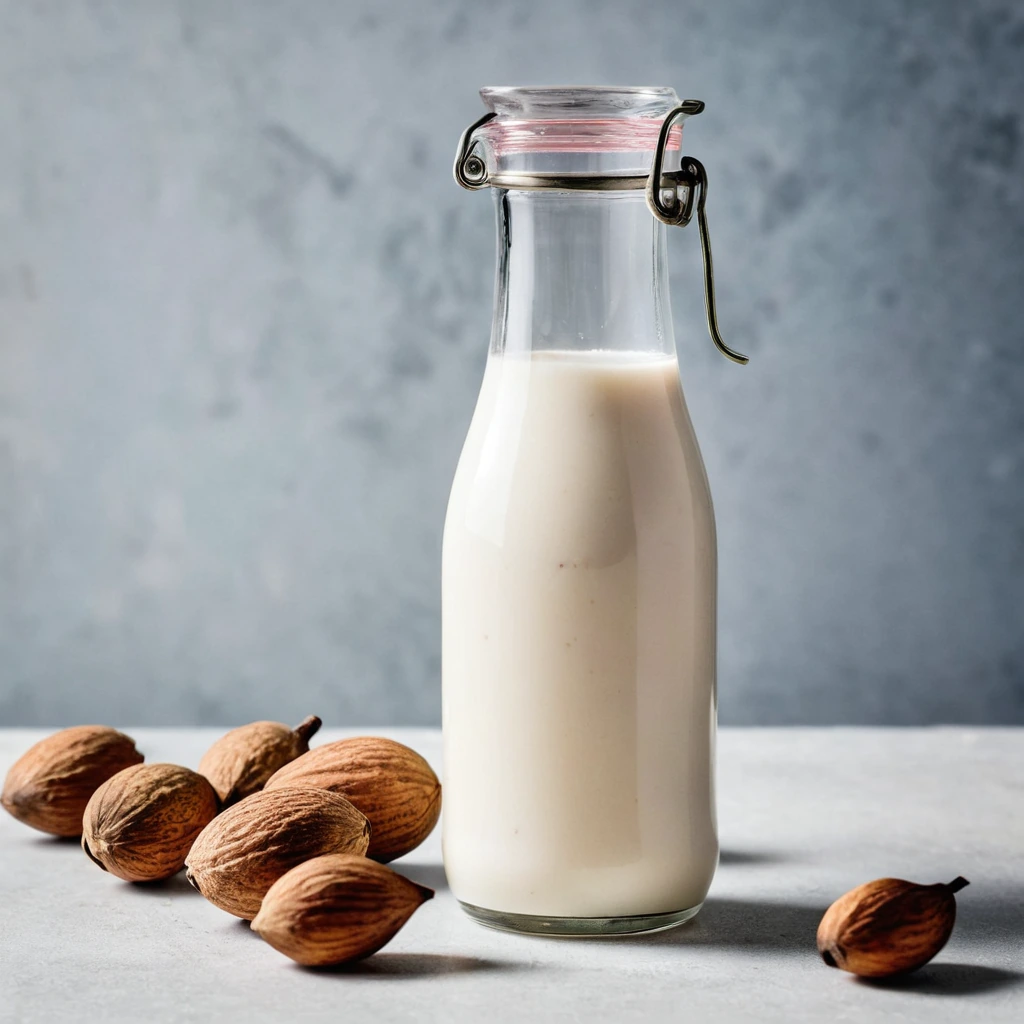
Almond Milk
Almond milk is a plant-based milk alternative made from ground almonds and water. Originating from traditional recipes in medieval Europe and the Middle East, it has gained widespread popularity in modern times as a dairy-free option. Almond milk has a subtly nutty flavor with a mild sweetness, and its aroma is reminiscent of fresh almonds. Its texture is smooth and creamy, though typically lighter than dairy milk. In cooking, almond milk behaves well in both savory and sweet applications, though it does not brown or caramelize like dairy milk. It is often used in cereals, smoothies, and baking, where its delicate flavor complements rather than overpowers other ingredients.
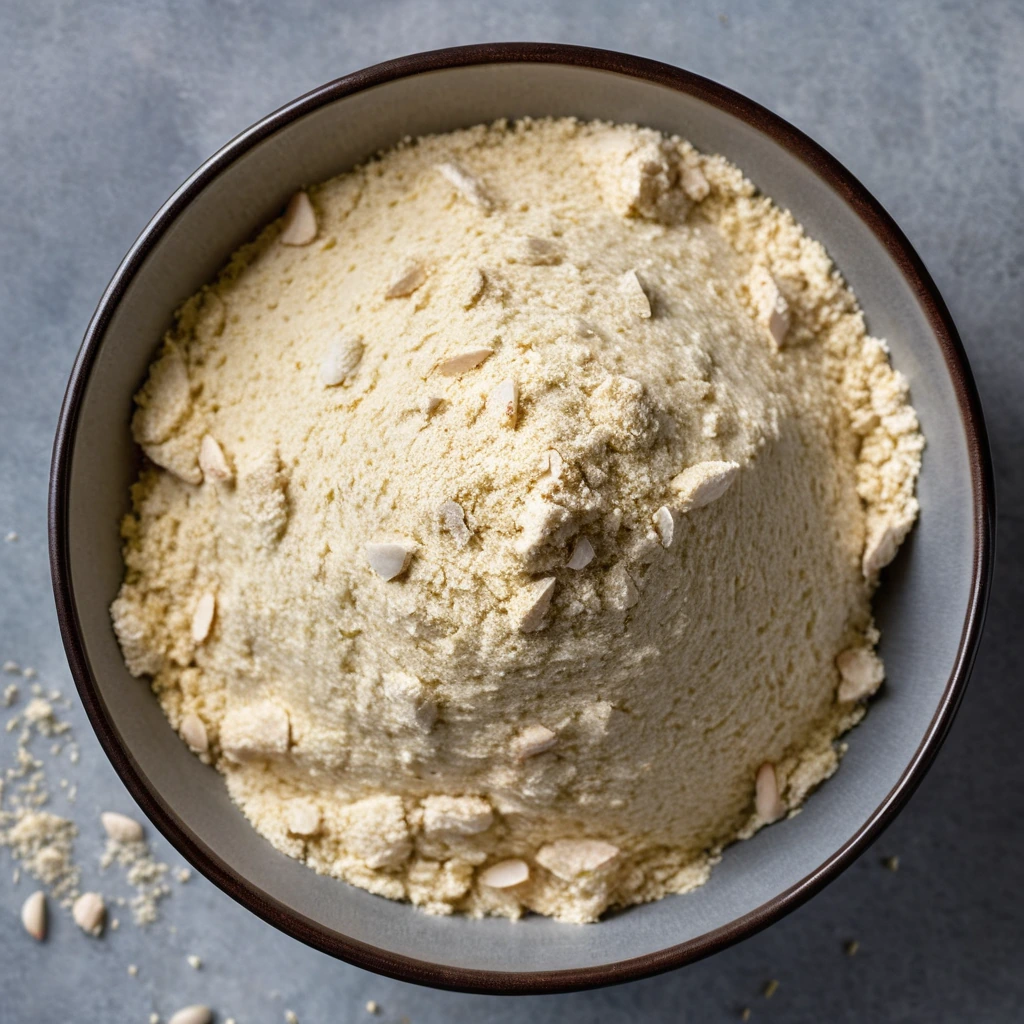
Almond Flour
A finely ground flour made from blanched almonds, offering a delicate nutty aroma and a tender crumb to your baked goods.
Recipes to try
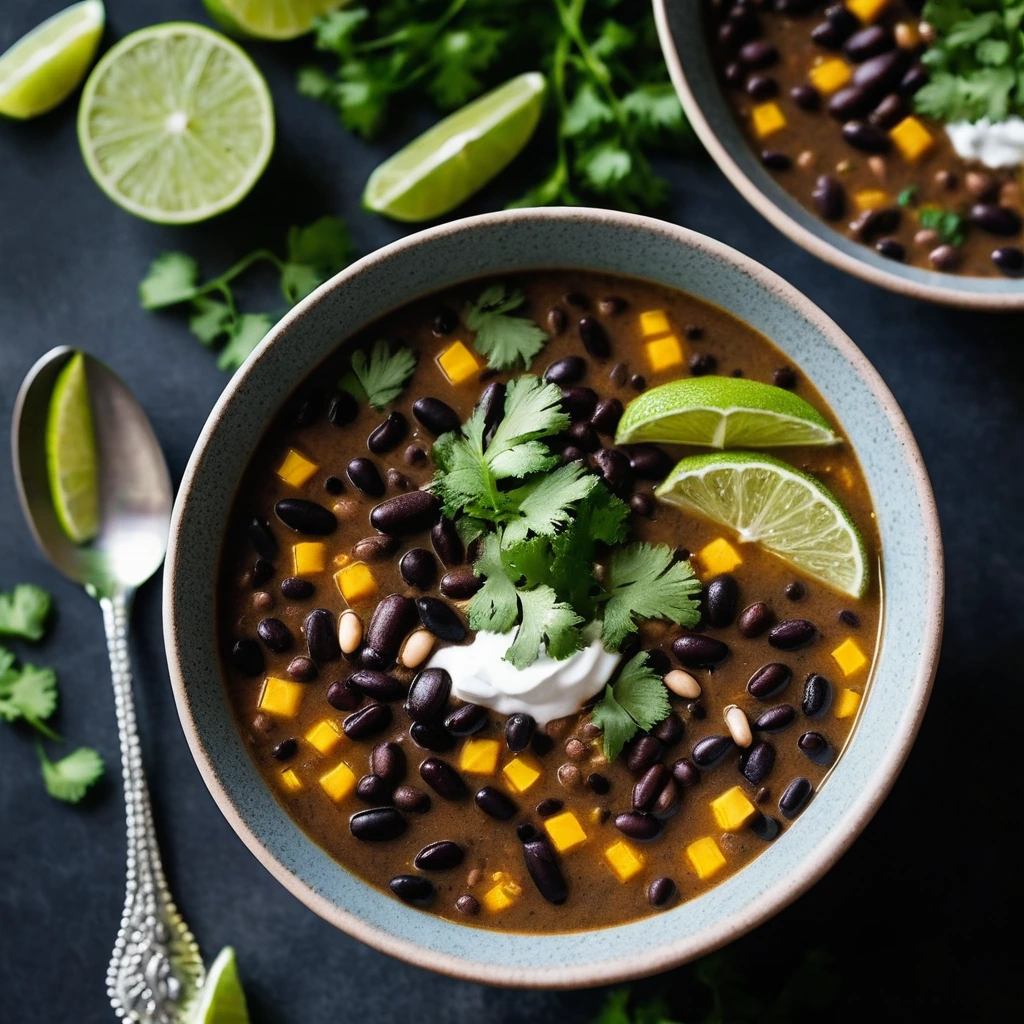
Smoky Black Bean and Corn Soup with Lime
This soup is a tangy, smoky hug in a bowl, with the fresh zing of lime cutting through rich black beans and sweet corn.

Sausage, Pepper, and Onion Hoagies
Juicy Italian sausages nestled in soft hoagie rolls with a sweet and smoky medley of peppers and onions.