Safety: Handling Glass Bakeware with Care
Glass bakeware is a staple in many kitchens, prized for its even heat distribution and aesthetic appeal. However, handling it requires a certain level of caution to prevent accidents. This technique dives into the nuances of safely using glass bakeware, from preheating to serving. Glass can shatter under thermal shock, so understanding how to mitigate risks is crucial. We’ll explore the best practices for managing temperature changes, checking for damage, and ensuring a secure grip. Additionally, we'll discuss how to clean and store glass bakeware to prolong its life and maintain its integrity. By following these guidelines, you'll not only protect yourself from potential injuries but also extend the lifespan of your glass bakeware. Let's ensure your culinary adventures remain safe and enjoyable.
Notes
Understanding the science behind glass bakeware helps in handling it safely. Glass is susceptible to thermal shock due to its composition, meaning rapid temperature changes can cause it to crack or shatter. To avoid this, gradual temperature adjustments are essential. A common mistake is rushing the cooling process, which can lead to breakage. Always use caution when handling hot bakeware, even with oven mitts, as glass can remain hot for a while. For storage, ensure your bakeware is completely dry and stored in a location where it won’t be jostled. Proper care extends the life of your glass bakeware, ensuring it remains a safe and reliable kitchen companion.
Steps
- 1 Inspect your glass bakeware for any cracks or chips before use.
- 2 Preheat your oven to the required temperature before placing the glass bakeware inside.
- 3 Avoid sudden temperature changes by not placing cold glass directly into a hot oven.
- 4 Use oven mitts to grip the bakeware securely, ensuring a firm hold.
- 5 Place the glass bakeware on a dry, flat surface in the oven to prevent sliding.
- 6 Allow the bakeware to cool slightly before removing it from the oven.
- 7 Never use metal utensils on glass surfaces to prevent scratches and cracks.
- 8 Let the bakeware cool to room temperature before washing or refrigerating.
- 9 Wash with warm, soapy water and avoid abrasive scrubbers to prevent scratches.
- 10 Dry thoroughly with a soft cloth to prevent water spots and potential breakage.
- 11 Store in a safe place where it won’t be knocked or bumped into.
- 12 Avoid stacking glass bakeware to prevent chipping and cracking.
Ingredients to explore
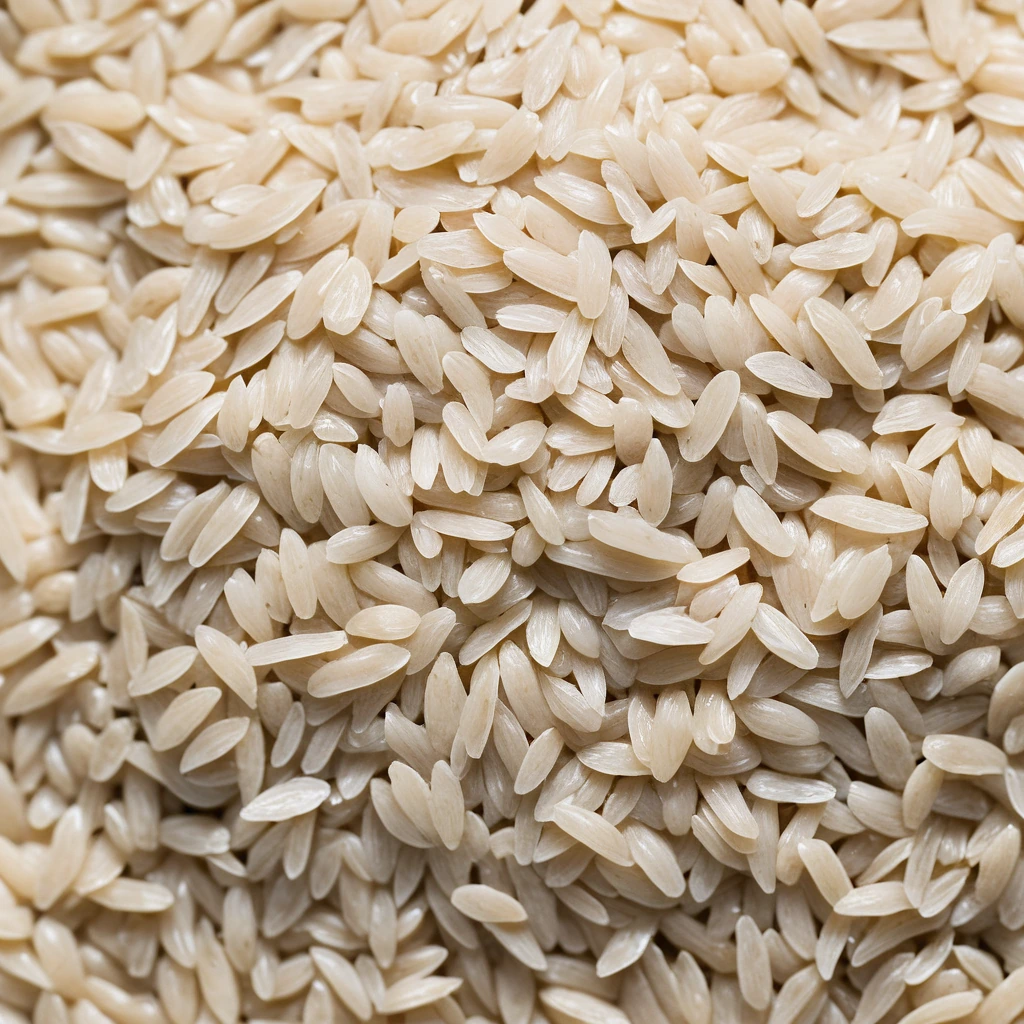
Arborio Rice
Arborio rice is a short-grain Italian rice variety renowned for its use in risotto. Originating from the Po Valley in Northern Italy, it is a staple in Italian cuisine. Its flavor is mild and nutty, with a pleasant creamy texture when cooked due to its high amylopectin content, which releases starch and creates a velvety consistency. The grains remain plump and firm to the bite, offering a satisfying chewiness. In cooking, Arborio rice excels at absorbing flavors from broths and seasonings while maintaining its shape, making it ideal for dishes that require both creaminess and structure.
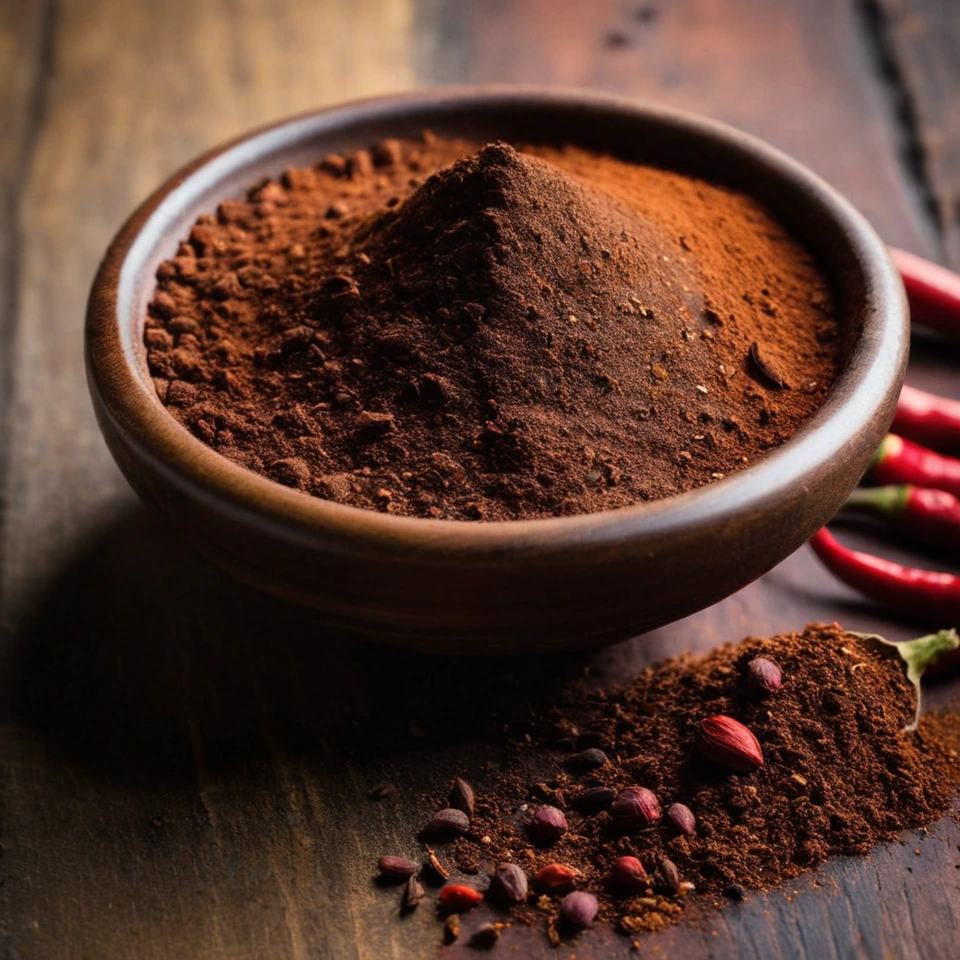
Ancho Chili Powder
Ancho chili powder offers a deep, smoky sweetness with hints of dried fruit and cocoa, reminiscent of its origin as dried poblano peppers from Mexico. Its aroma is warm and inviting, with a mild heat that lingers gently. The texture is fine and velvety, making it easy to incorporate into a variety of dishes. This powder is prized for its ability to add complexity without overwhelming spice, ideal for enriching both traditional Mexican moles and contemporary global cuisines.
Recipes to try
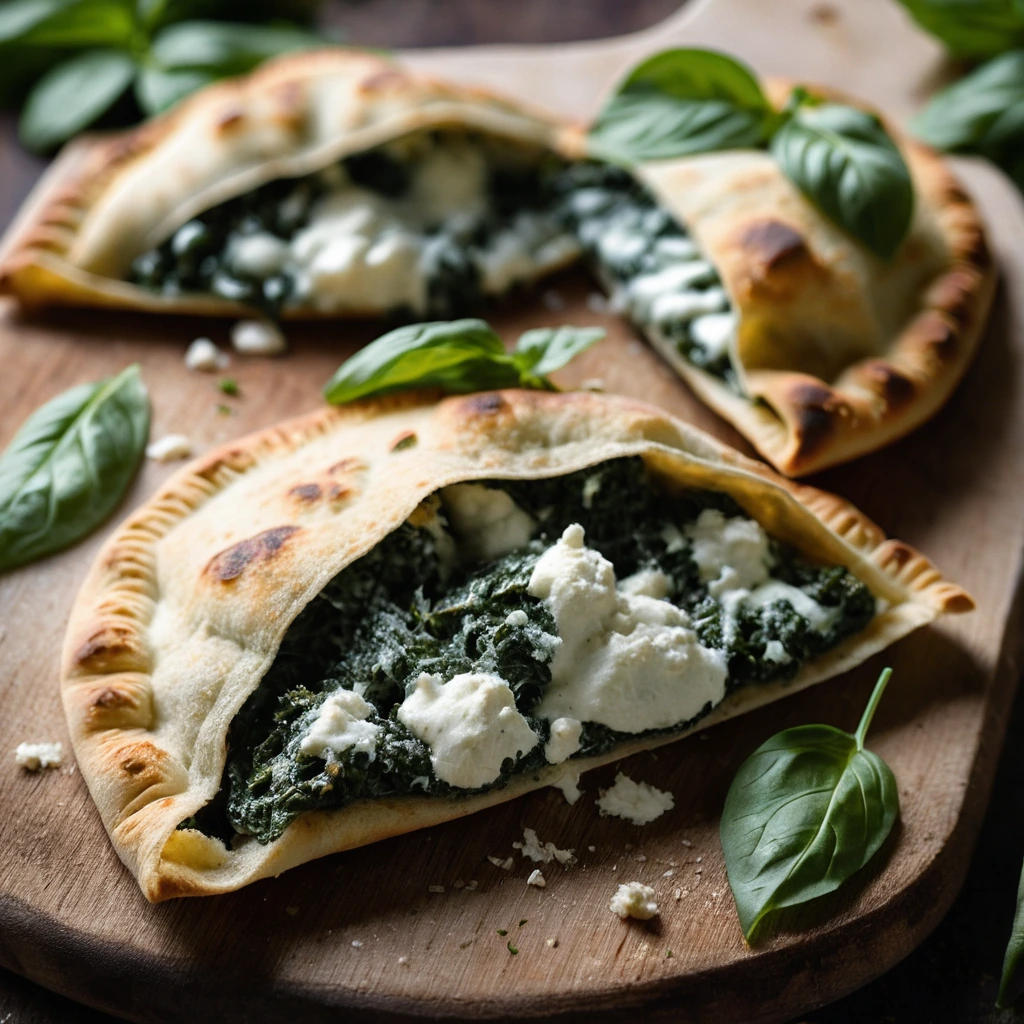
Spinach and Ricotta Stuffed Pizza Pockets
Golden, crispy pockets filled with a creamy ricotta and spinach blend that'll have you reaching for seconds.
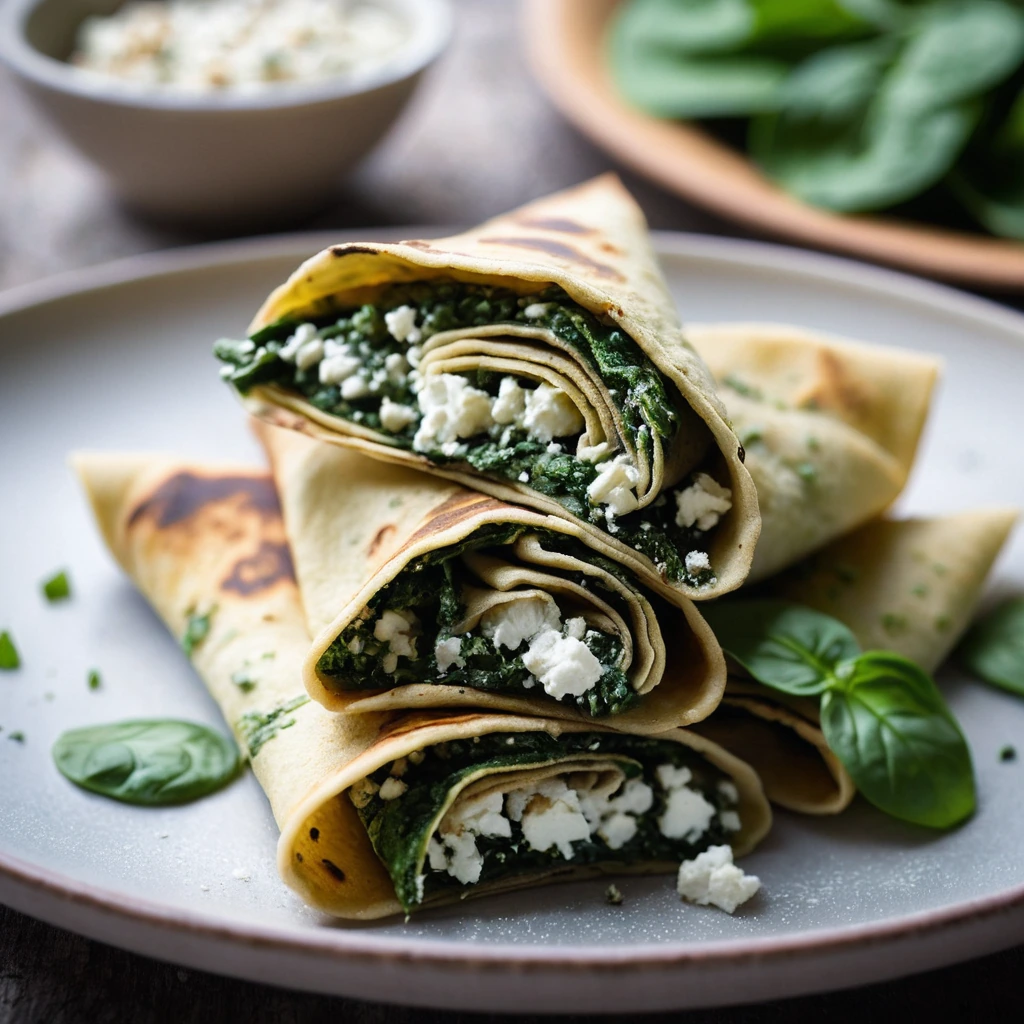
Spinach, Mushroom, and Feta Stuffed Crepes
Golden crepes envelop a savory blend of earthy mushrooms, tender spinach, and tangy feta for a satisfying vegetarian treat.