Roasting: Resting Roasts Before Slicing
Resting a roast before slicing is a crucial step that ensures juicy, flavorful results. When you pull a roast out of the oven, it's tempting to dive right in with the carving knife. But patience is your ally here. During roasting, the proteins and connective tissues contract, pushing juices toward the center of the meat. If you cut into it immediately, these juices will escape, leaving you with a dry, disappointing meal. Resting allows the meat fibers to relax and reabsorb those precious juices, ensuring each slice is succulent and tender. The resting period also lets the temperature even out, so you won't have an overcooked exterior and an undercooked interior. Whether you're roasting beef, pork, or lamb, understanding the science and technique of resting will elevate your culinary game. Let's dive into why resting is essential and how to do it properly for chef-level results.
Notes
The science behind resting is straightforward: when meat is roasted, heat causes its proteins to coagulate and contract, squeezing out juices. Resting allows these fibers to relax and reabsorb some of the expelled moisture. Skipping this step often leads to a dry roast, as juices spill out when cut. A common mistake is resting the meat too shortly or covering it tightly with foil, which can lead to condensation and an overly moist surface. For safety, ensure your roast reaches a safe internal temperature before resting. Roasts can be prepared ahead, rested, and kept warm in a low oven (200°F) for up to 30 minutes before slicing and serving.
Steps
- 1 Remove the roast from the oven when it reaches 5°F below your target internal temperature.
- 2 Transfer the roast to a carving board or platter.
- 3 Loosely tent the roast with aluminum foil to keep it warm.
- 4 Let the roast rest for 15 to 20 minutes per pound for smaller roasts, or 20 to 30 minutes for larger roasts.
- 5 Avoid re-covering the roast with foil tightly, as this can trap steam and overcook the surface.
- 6 Resist the urge to slice into the roast during resting to preserve its juices.
- 7 After resting, use a sharp knife to slice against the grain for tender pieces.
- 8 Serve immediately after slicing to enjoy the roast at its best.
Ingredients to explore
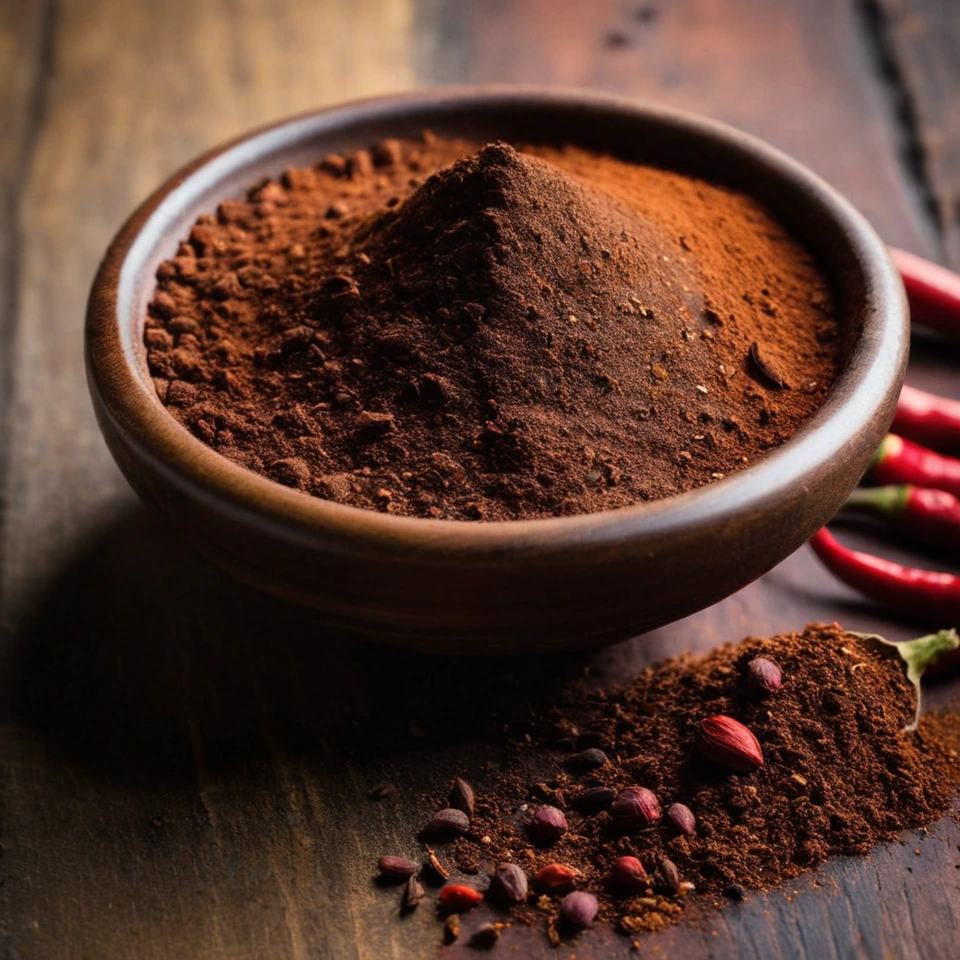
Ancho Chili Powder
Ancho chili powder offers a deep, smoky sweetness with hints of dried fruit and cocoa, reminiscent of its origin as dried poblano peppers from Mexico. Its aroma is warm and inviting, with a mild heat that lingers gently. The texture is fine and velvety, making it easy to incorporate into a variety of dishes. This powder is prized for its ability to add complexity without overwhelming spice, ideal for enriching both traditional Mexican moles and contemporary global cuisines.
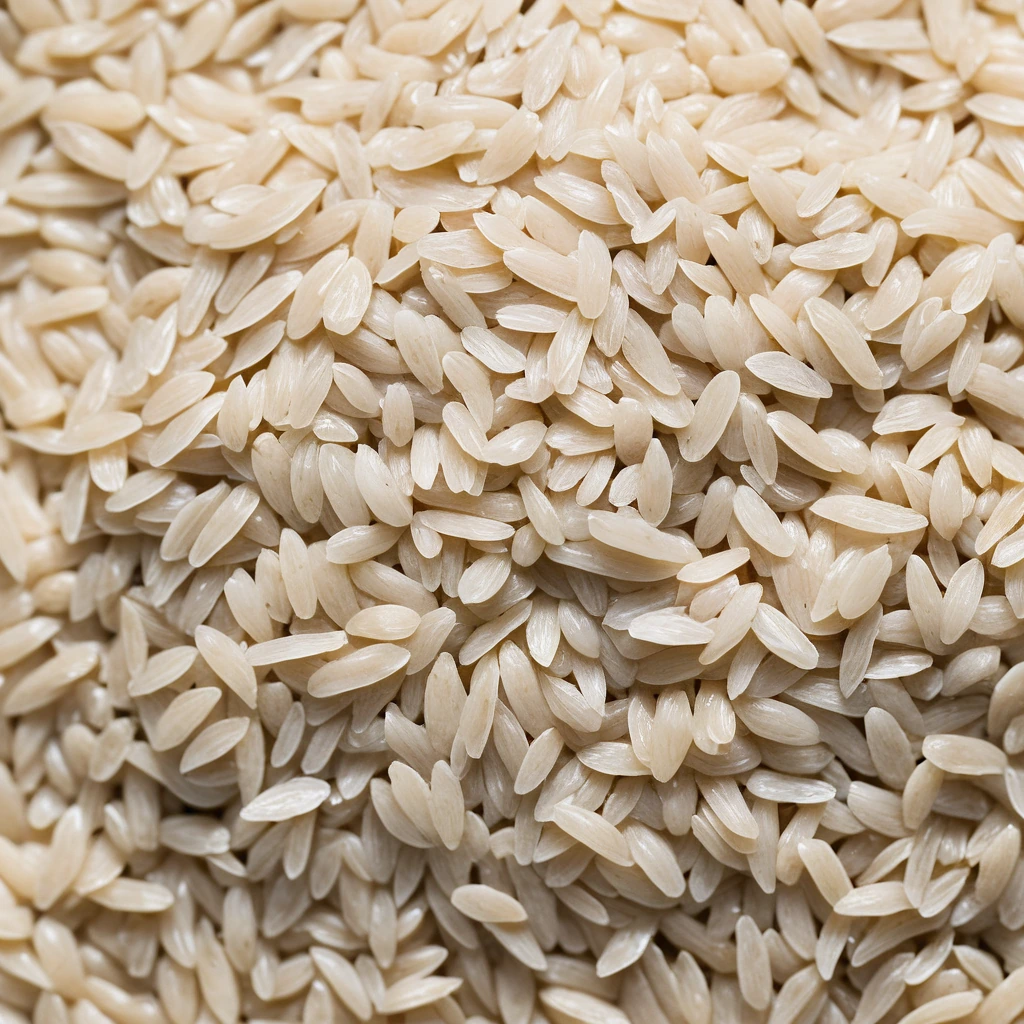
Arborio Rice
Arborio rice is a short-grain Italian rice variety renowned for its use in risotto. Originating from the Po Valley in Northern Italy, it is a staple in Italian cuisine. Its flavor is mild and nutty, with a pleasant creamy texture when cooked due to its high amylopectin content, which releases starch and creates a velvety consistency. The grains remain plump and firm to the bite, offering a satisfying chewiness. In cooking, Arborio rice excels at absorbing flavors from broths and seasonings while maintaining its shape, making it ideal for dishes that require both creaminess and structure.
Recipes to try

Sausage, Pepper, and Onion Hoagies
Juicy Italian sausages nestled in soft hoagie rolls with a sweet and smoky medley of peppers and onions.
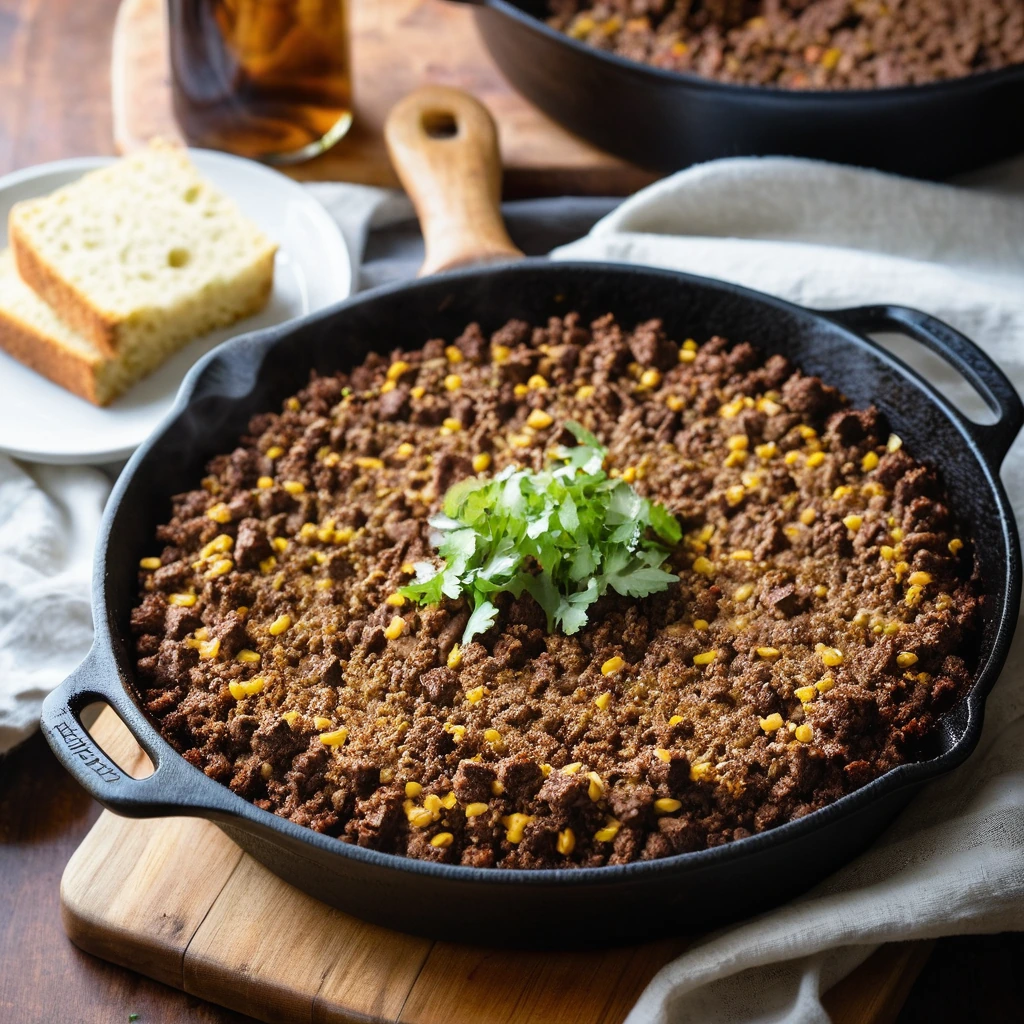
Smoky BBQ Ground Beef and Cornbread Skillet
Imagine the rich smokiness of BBQ sauce mingling with tender ground beef atop golden, crumbly cornbread in a skillet.