Roasting: Checking Doneness with Thermometer and Touch
Roasting is a beloved cooking technique that transforms ingredients with dry heat, resulting in caramelized surfaces and juicy interiors. Achieving perfect doneness can be tricky, but armed with a thermometer and your sense of touch, you can roast like a pro. A meat thermometer is your most reliable tool, ensuring your roast reaches the ideal internal temperature for safety and flavor. Meanwhile, the touch test is a handy method for gauging doneness when you're sans thermometer or looking for a quick confirmation. This technique involves gently pressing the roast to assess its firmness, comparing it to the feel of your hand at different stages. While the thermometer offers precision, your touch can provide a helpful secondary check. Together, they ensure you serve succulent, perfectly cooked roasts every time. Understanding the science behind heat penetration and protein coagulation is key to mastering this technique. Different meats require different temperatures for optimal results—chicken needs to hit 165°F, while beef can vary from rare (125°F) to well-done (160°F). Additionally, resting your roast allows juices to redistribute, ensuring a moist final product. We'll guide you through the essentials of roasting, from selecting your thermometer to executing the touch test with confidence, and provide troubleshooting tips to avoid common pitfalls.
Notes
Using a thermometer is crucial because proteins coagulate at specific temperatures, ensuring both safety and texture. The touch test is subjective and comes with practice, so don't rely on it exclusively. Remember, resting your roast is essential as it allows juices to redistribute and settle, preventing a dry meal. Common mistakes include not letting the roast rest and inserting the thermometer into a bone, which can give a false reading. Always wash your hands and utensils to avoid cross-contamination. Roasts can be prepared and seasoned ahead of time, stored uncovered in the fridge for up to 24 hours before cooking.
Steps
- 1 Preheat oven to 375°F.
- 2 Pat your roast dry with paper towels.
- 3 Season the roast generously with salt and pepper.
- 4 Insert a meat thermometer into the thickest part of the roast, avoiding bone.
- 5 Place the roast in a roasting pan and insert into the preheated oven.
- 6 Roast until the thermometer reads 5°F below your target temperature.
- 7 Remove the roast from the oven and tent it with foil.
- 8 Let the roast rest for 15 to 20 minutes.
- 9 For the touch test, gently press the roast with your finger.
- 10 Compare the firmness to the fleshy part of your hand between thumb and forefinger.
- 11 Rare feels like the fleshy part when thumb touches pinky, medium like thumb touches ring finger, well-done like thumb touches index finger.
- 12 Reinsert the thermometer if necessary to confirm doneness.
- 13 Slice against the grain and serve immediately.
Ingredients to explore

American Cheese Slices
Those iconic, perfectly pliable slices of creamy, mild American cheese. Each slice boasts a smooth, melt-in-your-mouth texture that brings comfort to any dish.
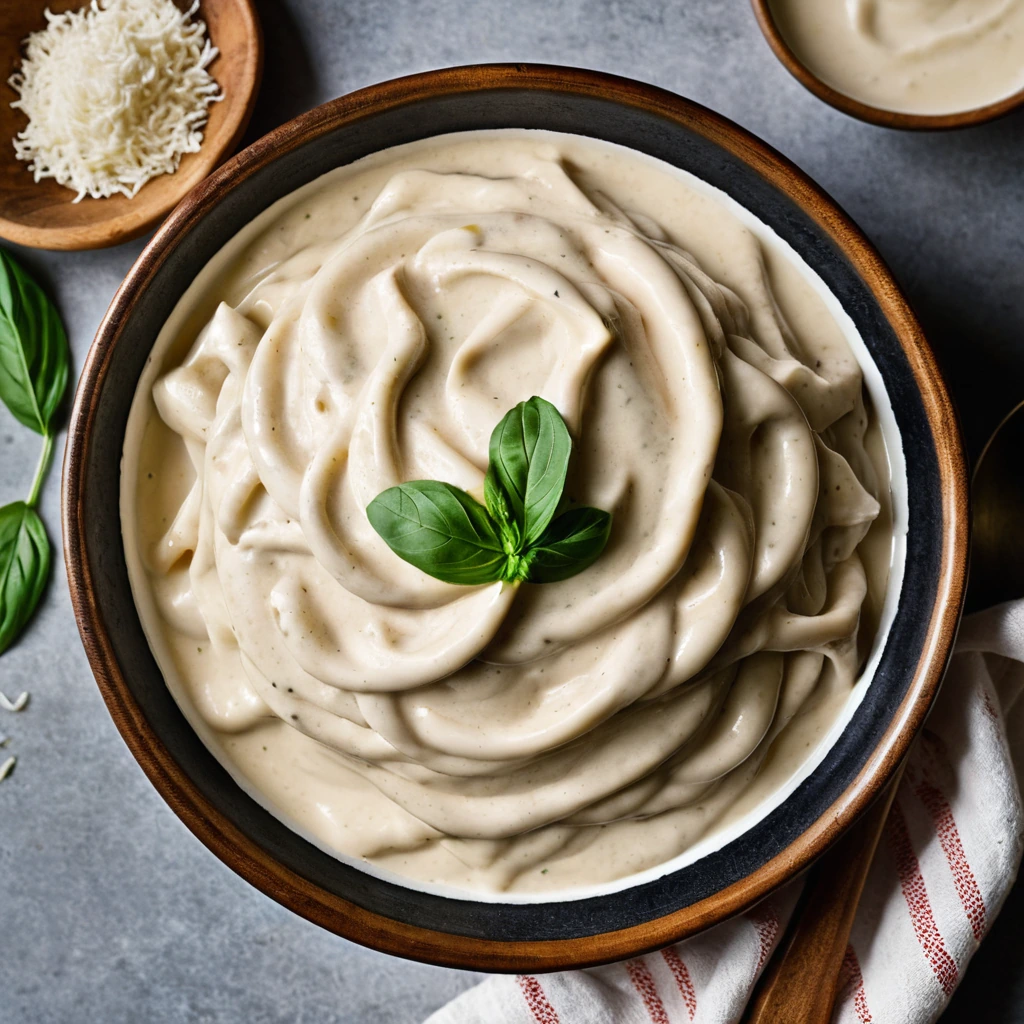
Alfredo Sauce
Creamy, rich, and utterly indulgent, Alfredo sauce is a dreamy blend of butter, heavy cream, and Parmesan cheese. Its velvety texture and savory depth make it a beloved staple in Italian-American cuisine.
Recipes to try
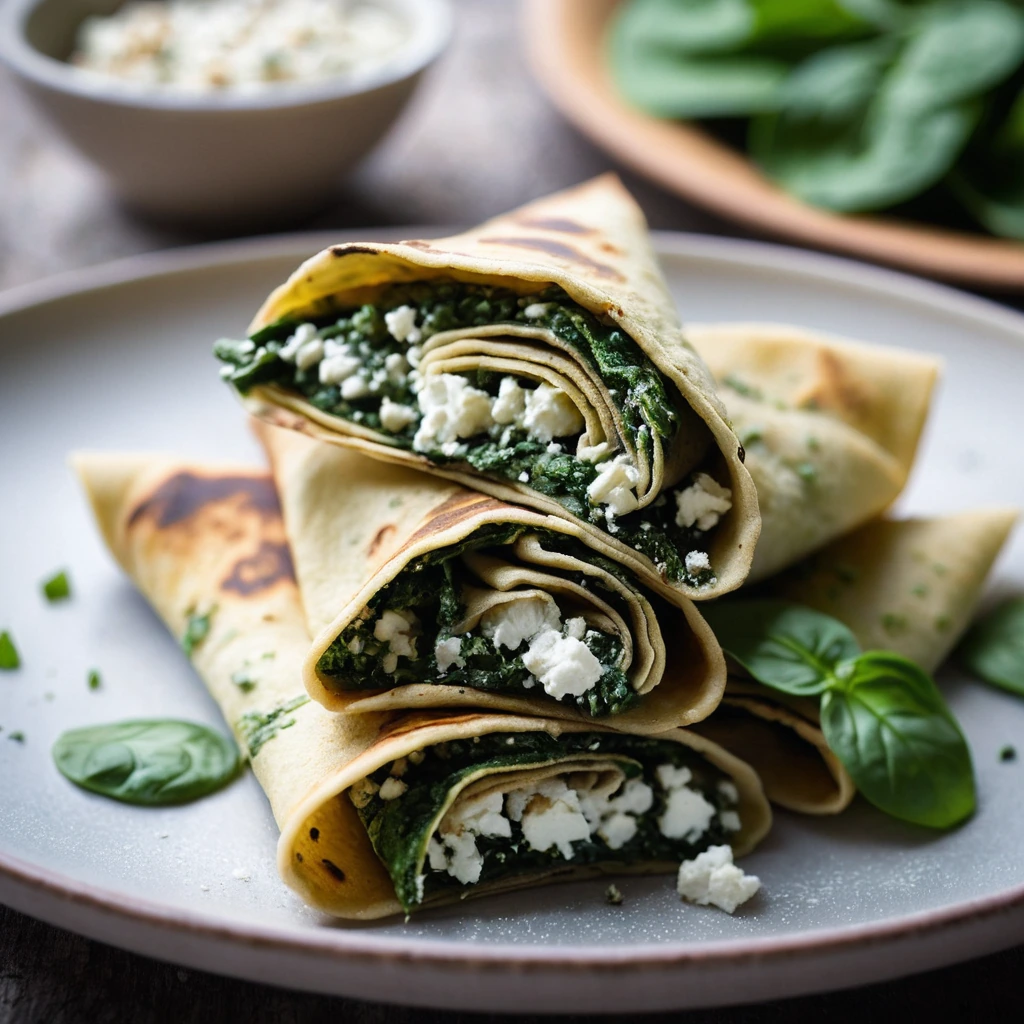
Spinach, Mushroom, and Feta Stuffed Crepes
Golden crepes envelop a savory blend of earthy mushrooms, tender spinach, and tangy feta for a satisfying vegetarian treat.

Triple Chocolate Chunk Skillet Cookie
This skillet cookie is a gooey, decadent delight with chunks of dark, milk, and white chocolate that will make you swoon.