Preservation Technique: Labeling and Rotating Pantry Staples
Preserving the freshness and quality of your pantry staples is crucial for efficient cooking and reducing food waste. Labeling and rotating your pantry items is a simple yet effective technique that ensures you always use the oldest items first, minimizing spoilage and maximizing your ingredients' shelf life. This method is especially important for busy home cooks who might not always remember when they purchased certain items. By implementing a systematic labeling and rotation system, you can keep track of expiration dates, organize your pantry, and make meal planning a breeze. The technique involves using clear labels to mark each item with its purchase date and understanding the FIFO (First In, First Out) principle to ensure older items are used before newer ones. This approach not only keeps your pantry organized but also helps you maintain a well-stocked kitchen with fresh ingredients ready for your next culinary adventure. Understanding how to properly store different types of pantry staples is also part of this technique, as certain items may have specific storage requirements to maintain their quality. Additionally, this system helps you identify items that need to be used soon, preventing last-minute scramble to use them before they expire. By integrating labeling and rotation into your kitchen routine, you'll enjoy the benefits of reduced waste, better organization, and a more efficient cooking experience.
Notes
The science behind labeling and rotating lies in managing inventory effectively, ensuring that food items are consumed before they lose their optimal quality. FIFO (First In, First Out) is a proven method used in professional kitchens and warehouses to minimize waste. Common mistakes include neglecting to update labels when transferring items to new containers and failing to regularly check expiration dates. To troubleshoot, set reminders on your phone or calendar to review your pantry weekly. For safety, always check for signs of spoilage like unusual odors or mold before consuming any pantry staples. As for storage, most dry goods can be kept at room temperature, but items like flour or sugar can benefit from airtight containers to keep out pests and moisture. If you're planning to store your pantry staples long-term, consider a cool, dark place to extend their shelf life. Make-ahead tip: Label bulk purchases immediately and rotate them diligently to enjoy fresh ingredients throughout their lifespan.
Steps
- 1 Purchase a label maker or durable markers suitable for pantry conditions.
- 2 Select clear, adhesive labels that can withstand pantry humidity and temperature changes.
- 3 Write the name of the item and the purchase date clearly on each label.
- 4 Apply labels to each item in your pantry immediately after purchase.
- 5 Organize your pantry by grouping similar items together for easy access.
- 6 Arrange items so the oldest ones are at the front and newer ones are at the back.
- 7 Check your pantry weekly to ensure compliance with the FIFO principle.
- 8 Use or donate items nearing their expiration date to prevent waste.
- 9 Update labels if you transfer items to new containers.
- 10 Store items according to their specific requirements (e.g., cool, dry places).
- 11 Consider using stackable bins or shelves to maintain order and visibility.
- 12 Reassess your pantry organization every few months to adapt to your cooking habits.
- 13 Dispose of expired items promptly to maintain pantry efficiency.
Ingredients to explore
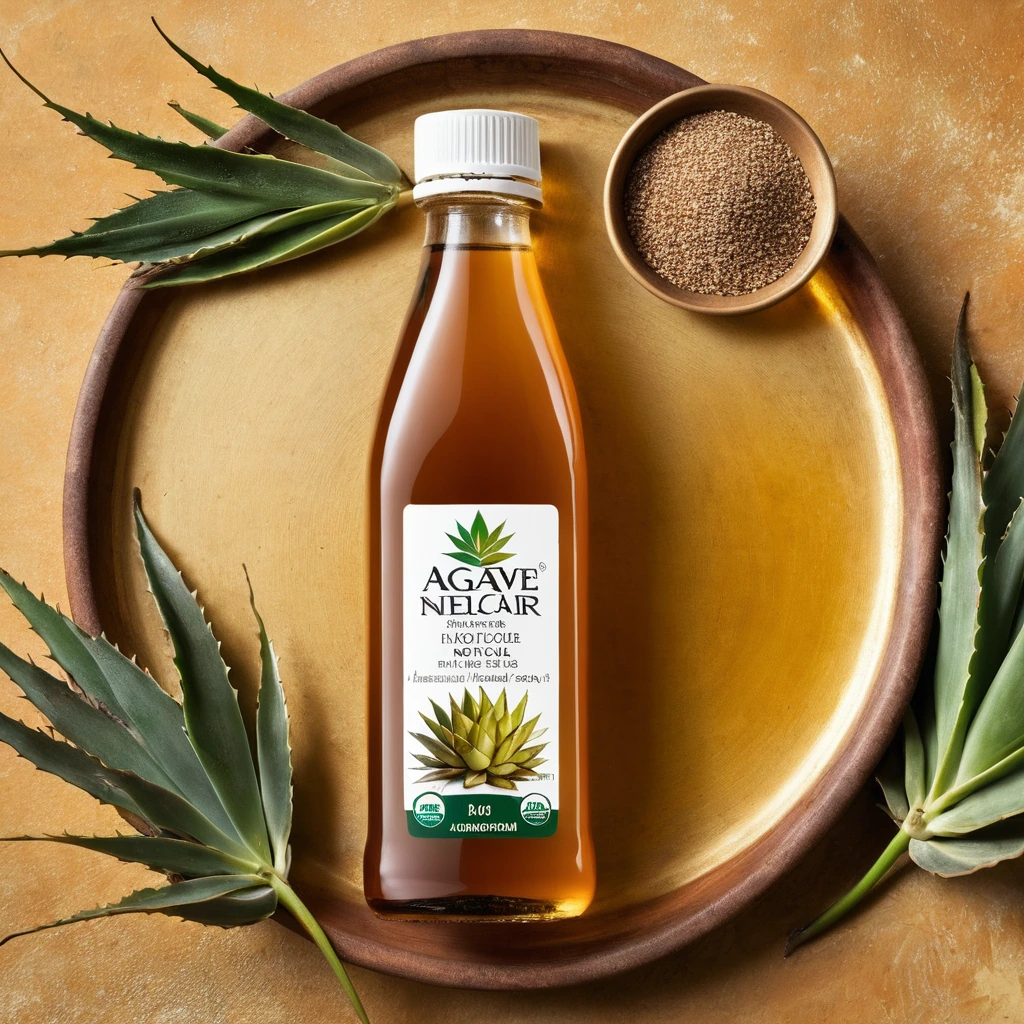
Agave Nectar
A golden, velvety sweetener derived from the agave plant, offering a subtly sweet flavor with a smooth, syrup-like texture.
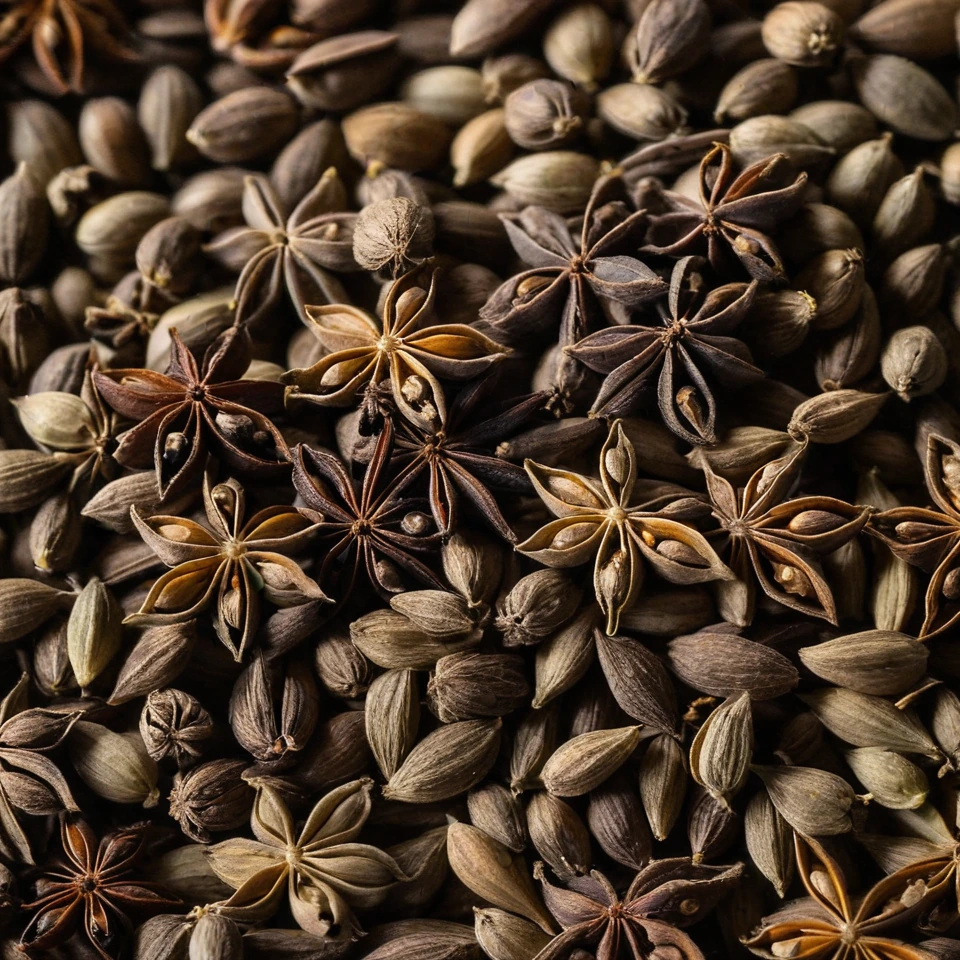
Anise Seeds
Anise seeds are small, oval seeds with a sweet, licorice-like flavor. They are commonly used in both sweet and savory dishes, offering a warm, aromatic taste.
Recipes to try
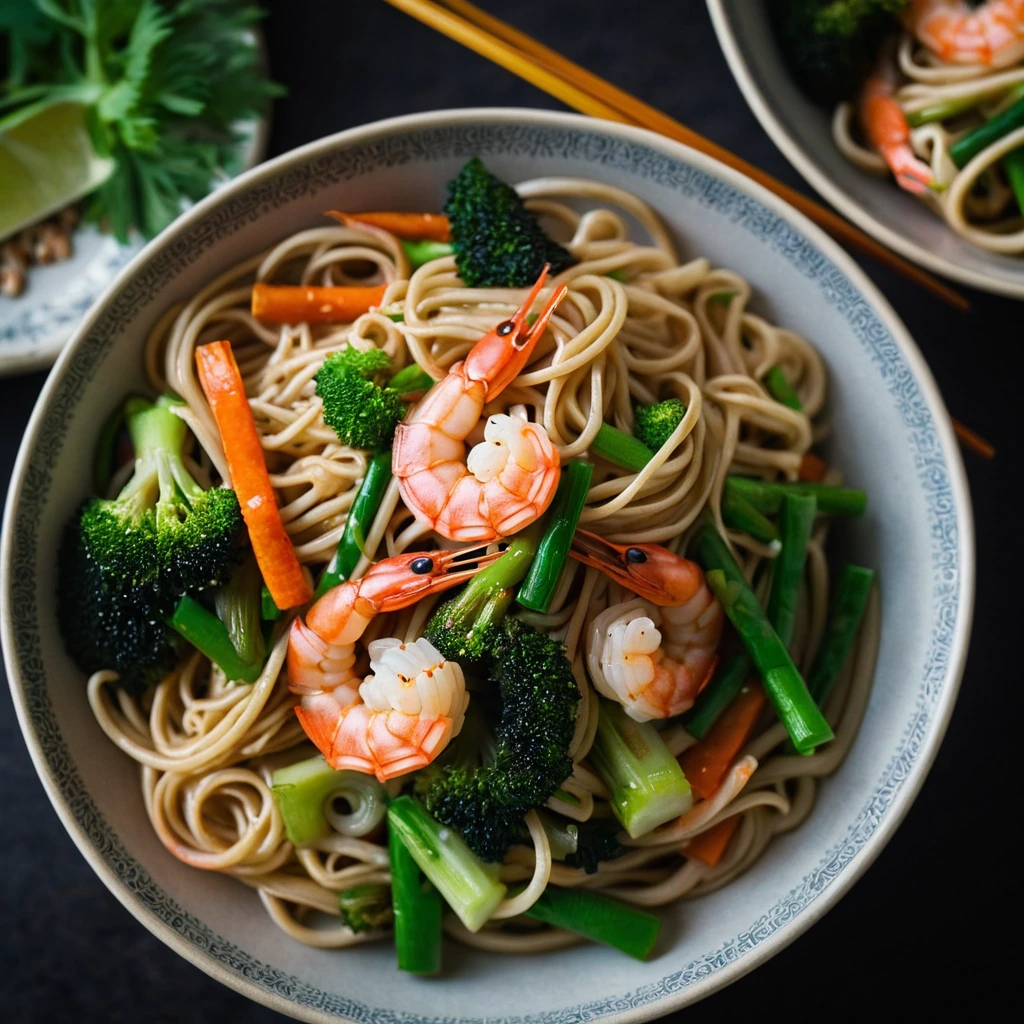
Shrimp and Veggie Lo Mein
Silky noodles twirled with succulent shrimp and a colorful medley of veggies in a savory sauce that'll have you slurping for more.
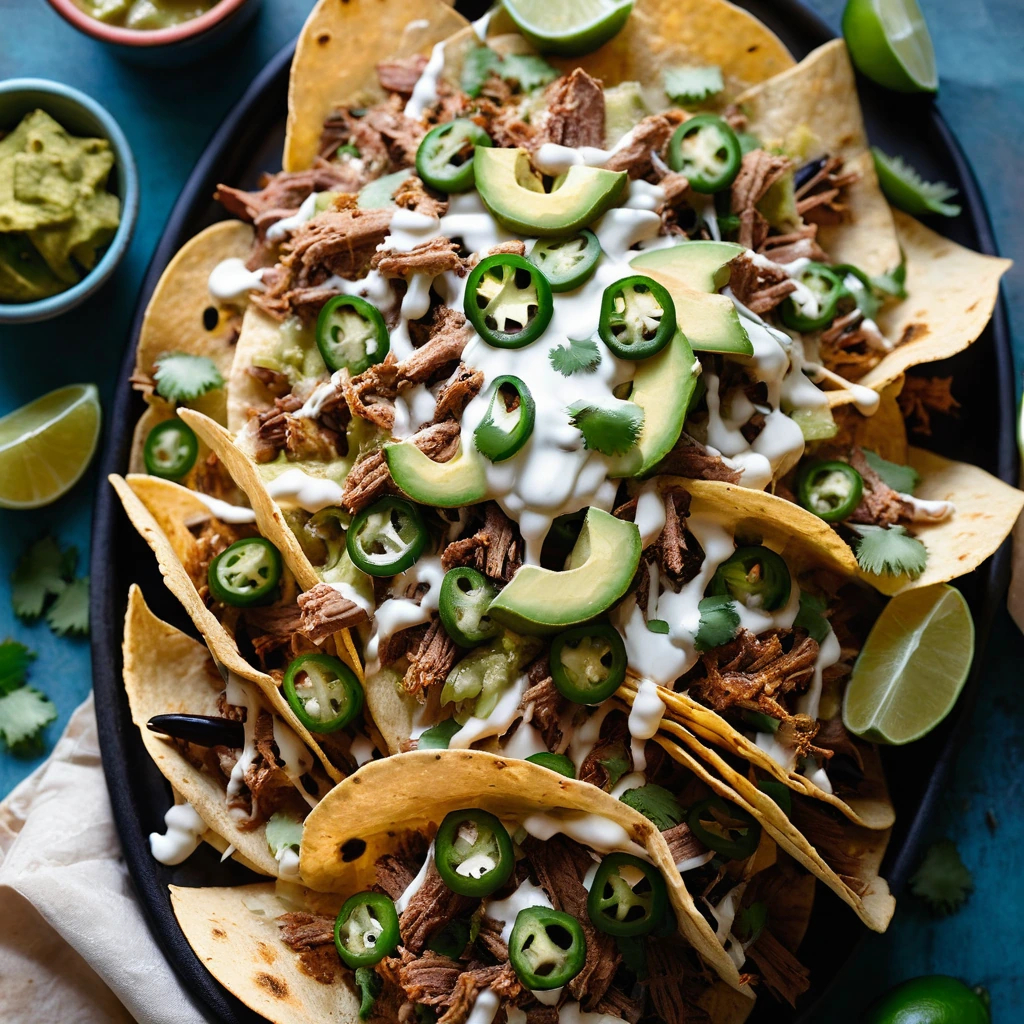
Pork Carnitas Nachos with Queso and Jalapeños
Crispy tortilla chips smothered in tender pork carnitas, melty queso, and zesty jalapeños for a fiesta in your mouth.