Precision Knife Work: Slicing Herbs Without Bruising Them
Achieving chef-level precision when slicing herbs can elevate your dishes from ordinary to extraordinary. The delicate nature of herbs means that bruising is a common pitfall, leading to a loss of flavor and color. This technique focuses on slicing herbs with finesse, ensuring their integrity remains intact. Fresh herbs are the soul of many dishes, adding layers of complexity and aroma. When herbs are bruised, their essential oils are released prematurely, diminishing their potential impact on a dish. By mastering the art of slicing herbs without bruising them, you can ensure that every sprinkle and garnish delivers maximum flavor. This technique is particularly useful for tender herbs like basil, cilantro, and mint, which are prone to damage. Understanding the structure of herbs helps in identifying the right approach to slicing. The leaves are delicate and often have a high surface area to volume ratio, making them susceptible to physical damage. Proper knife work not only preserves the visual appeal of your dishes but also ensures that the herbs retain their vibrant color and robust flavor until they hit the plate. This guide will walk you through selecting the right knife, preparing your herbs, and slicing with precision to avoid bruising. Whether you're garnishing a soup or preparing a fresh salsa, these skills will make a world of difference.
Notes
The key to slicing herbs without bruising lies in maintaining a sharp knife and using controlled movements. A dull knife requires more pressure, which can easily bruise delicate leaves. Keep your knife sharp to ensure clean cuts. Common mistakes include slicing too quickly or applying too much pressure, both of which can lead to bruising. To avoid this, work at a comfortable pace and use a gentle touch. Additionally, handling herbs too much after slicing can cause them to wilt or discolor. Use them immediately or store them properly in an airtight container in the refrigerator for up to a day. Safety is paramount, so always use a stable cutting surface and keep fingers tucked away from the blade's path.
Steps
- 1 Select a sharp chef's knife with a fine edge.
- 2 Rinse herbs gently under cool water and pat dry with a clean towel.
- 3 For leafy herbs, remove leaves from stems.
- 4 Lay the leaves flat on a cutting board.
- 5 Hold the knife at a slight angle with the tip resting on the board.
- 6 Slice herbs with a gentle rocking motion, using the heel of the blade.
- 7 Aim for thin, even slices, adjusting pressure to avoid crushing.
- 8 Turn leaves as needed to slice from multiple angles for uniformity.
- 9 Check frequently to ensure slices are not becoming too fine or coarse.
- 10 Gather sliced herbs into a loose pile and chop gently if further reduction is needed.
- 11 Transfer sliced herbs to a dish immediately to prevent over-handling.
- 12 Avoid stacking leaves too high to prevent crushing the bottom layer.
- 13 Clean knife and cutting board promptly to prevent staining and odors.
Ingredients to explore
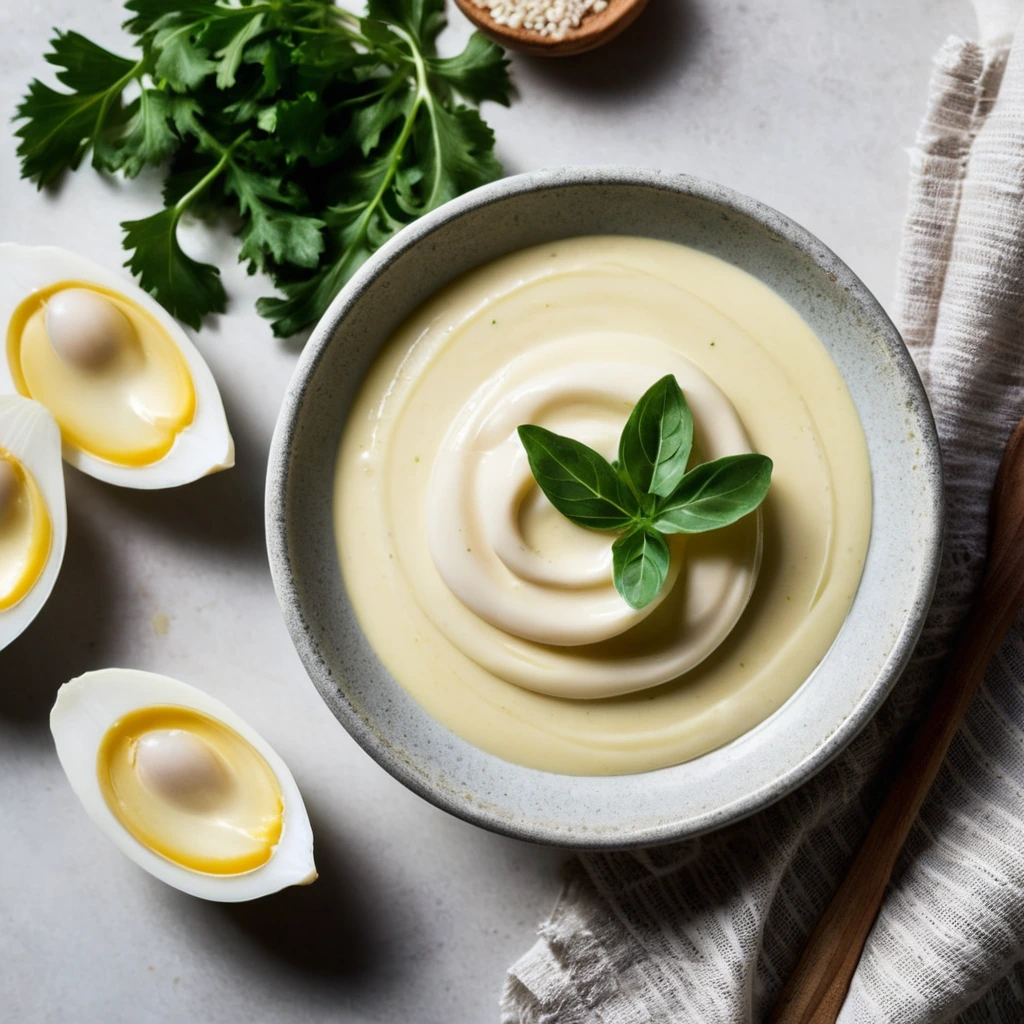
Aioli
A luscious, velvety emulsion of garlic and olive oil, aioli is a rich and aromatic sauce that dances on the palate with its creamy texture and bold, pungent flavor.
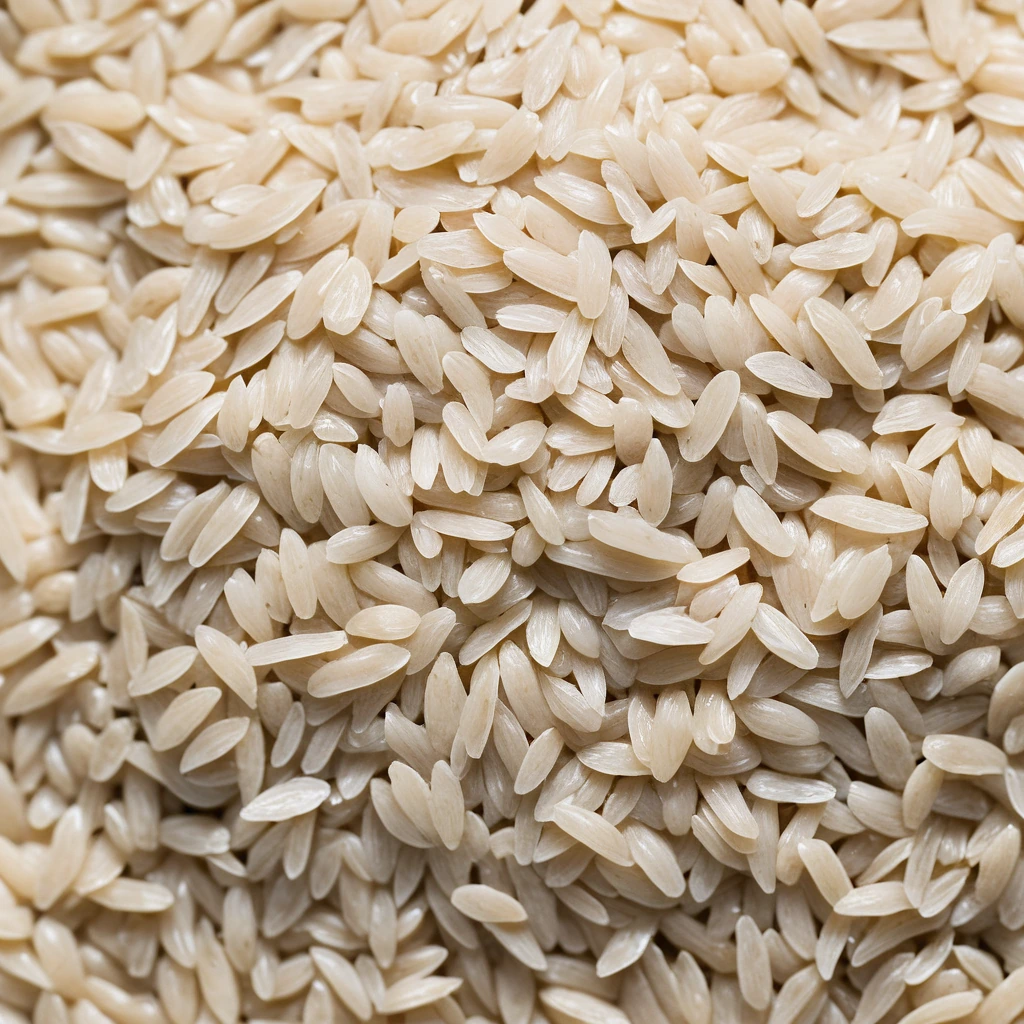
Arborio Rice
Arborio rice is a short-grain Italian rice variety renowned for its use in risotto. Originating from the Po Valley in Northern Italy, it is a staple in Italian cuisine. Its flavor is mild and nutty, with a pleasant creamy texture when cooked due to its high amylopectin content, which releases starch and creates a velvety consistency. The grains remain plump and firm to the bite, offering a satisfying chewiness. In cooking, Arborio rice excels at absorbing flavors from broths and seasonings while maintaining its shape, making it ideal for dishes that require both creaminess and structure.
Recipes to try

Pumpkin Spice Cheesecake Swirl Brownies
Indulge in the cozy combo of fudgy brownies with a creamy pumpkin cheesecake swirl - autumn's dream dessert come to life.
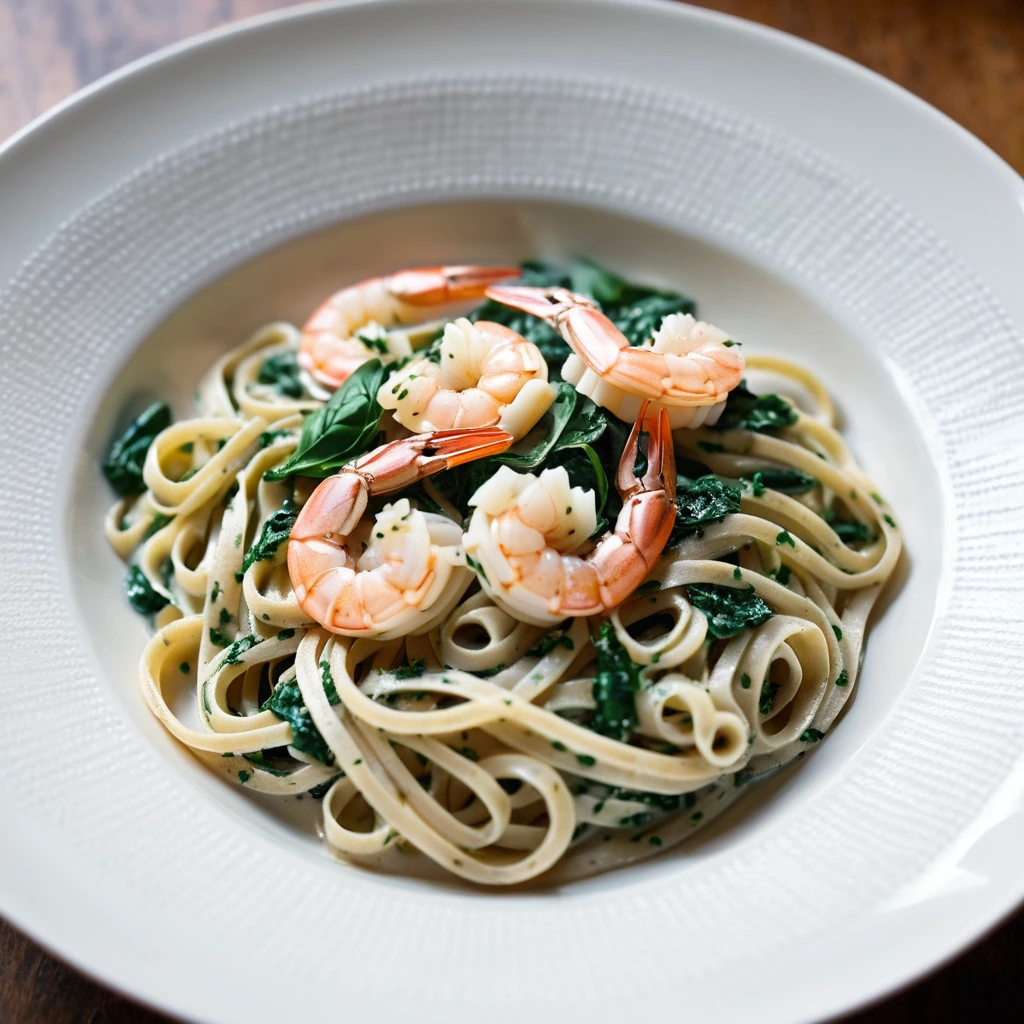
Shrimp and Spinach Linguine in White Wine Sauce
Succulent shrimp and fresh spinach mingle in a creamy white wine sauce, twirled into perfectly al dente linguine.