Precision Knife Work: Making Decorative Citrus Zest Ribbons
Precision knife work is an art that can elevate your dishes with simple, yet stunning garnishes like decorative citrus zest ribbons. These delicate strips of citrus peel add a burst of flavor and a touch of elegance to any plate. Achieving perfect ribbons requires a sharp knife, a steady hand, and a bit of practice. Start by selecting the right citrus fruit – lemons, limes, and oranges work beautifully. The key is to remove just the colorful zest, avoiding the bitter white pith underneath. This technique not only enhances presentation but also infuses dishes with fresh citrus aroma. Understanding the anatomy of citrus fruits will guide you in slicing at just the right angle. Patience is crucial; rushing can lead to uneven ribbons or worse, accidental cuts. With the right approach, you'll soon be able to effortlessly transform ordinary citrus into a garnish that wows. This guide will walk you through selecting your tools, preparing the fruit, and executing the perfect cut. Whether you're a seasoned cook or just starting out, mastering this skill will impress your guests and elevate your culinary creations.
Notes
The secret to successful citrus zest ribbons lies in using a sharp knife; a dull blade can tear the zest rather than slice it cleanly. Keep your fingers clear of the blade's path by curling them into a claw shape. If you accidentally cut yourself, apply pressure and seek medical attention if necessary. For storage, keep zest ribbons in an airtight container in the refrigerator for up to a day, though they're best used immediately for maximum flavor and appearance. To prevent browning, toss the ribbons lightly with a bit of lemon juice. Practice makes perfect, so don't be discouraged if your first attempts aren't flawless.
Steps
- 1 Select a firm, fresh citrus fruit with a smooth, unwaxed skin.
- 2 Rinse the fruit under cool water and pat it dry with a clean towel.
- 3 Hold the fruit firmly with one hand and a sharp paring knife in the other.
- 4 Starting at the top, carefully slice off a thin layer of peel, following the curve of the fruit.
- 5 Adjust your grip as needed to maintain control and stability.
- 6 Continue slicing along the fruit's contour, removing just the colored zest.
- 7 Avoid cutting into the white pith; discard any pieces with pith attached.
- 8 Once all zest is removed, use the knife to cut the zest into thin, uniform ribbons.
- 9 For decorative purposes, gently twist or curl the ribbons over a utensil handle.
- 10 Immediately transfer the ribbons to a plate to prevent them from drying out.
- 11 Use the ribbons to garnish dishes, cocktails, or desserts.
- 12 Wash your knife and hands thoroughly after handling citrus to remove essential oils.
Ingredients to explore
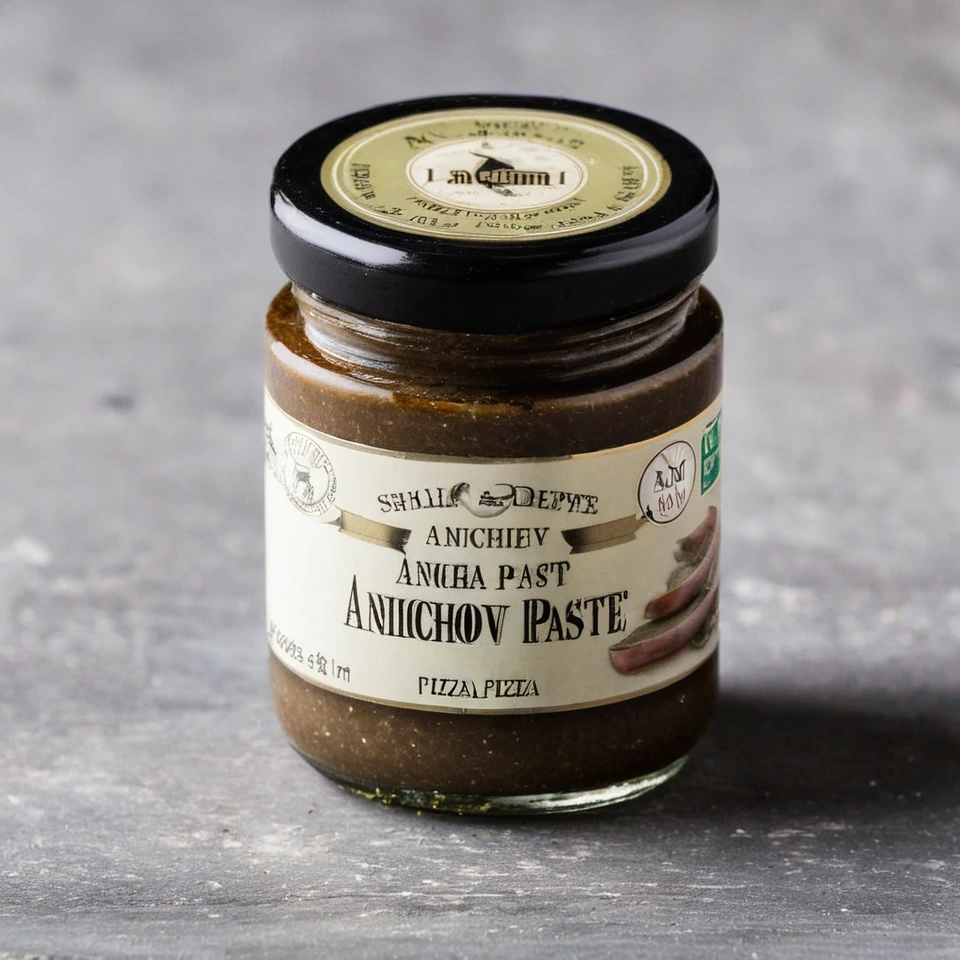
Anchovy Paste
Anchovy paste is a rich, salty spread made from finely ground anchovies, salt, and sometimes olive oil. It offers a deep umami flavor that enhances a variety of dishes.
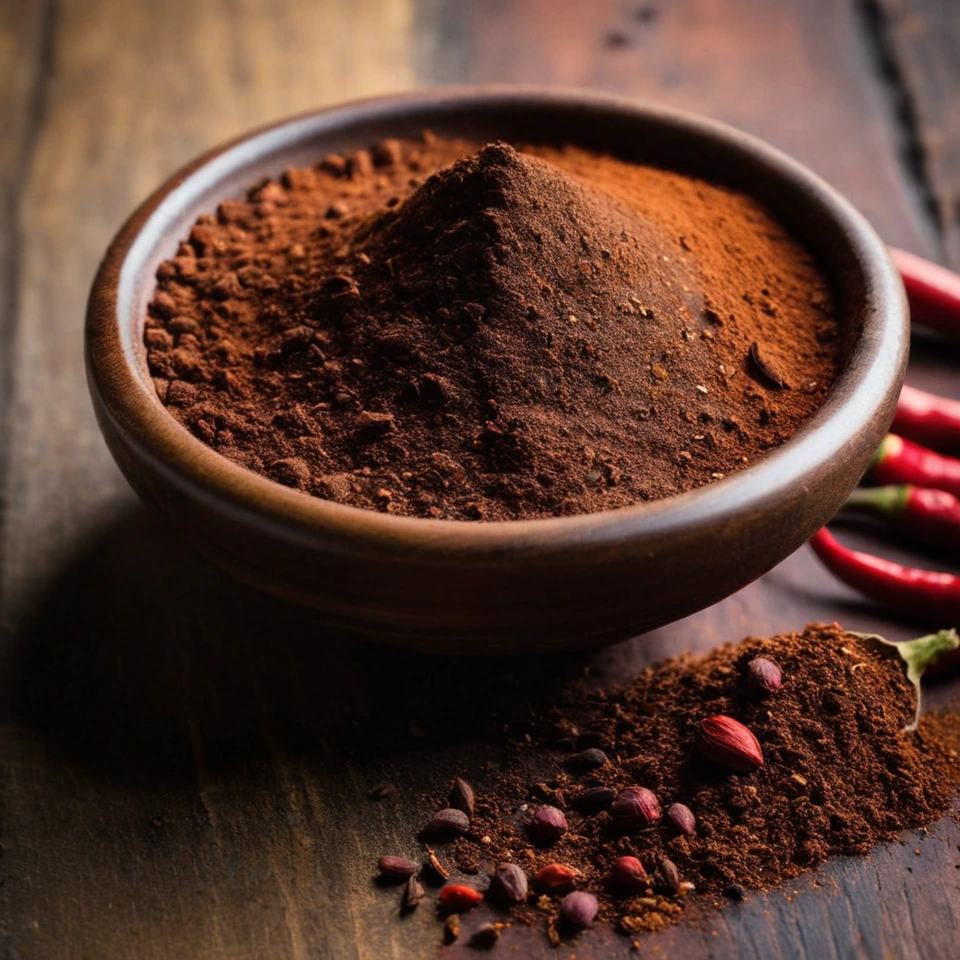
Ancho Chili Powder
Ancho chili powder offers a deep, smoky sweetness with hints of dried fruit and cocoa, reminiscent of its origin as dried poblano peppers from Mexico. Its aroma is warm and inviting, with a mild heat that lingers gently. The texture is fine and velvety, making it easy to incorporate into a variety of dishes. This powder is prized for its ability to add complexity without overwhelming spice, ideal for enriching both traditional Mexican moles and contemporary global cuisines.
Recipes to try
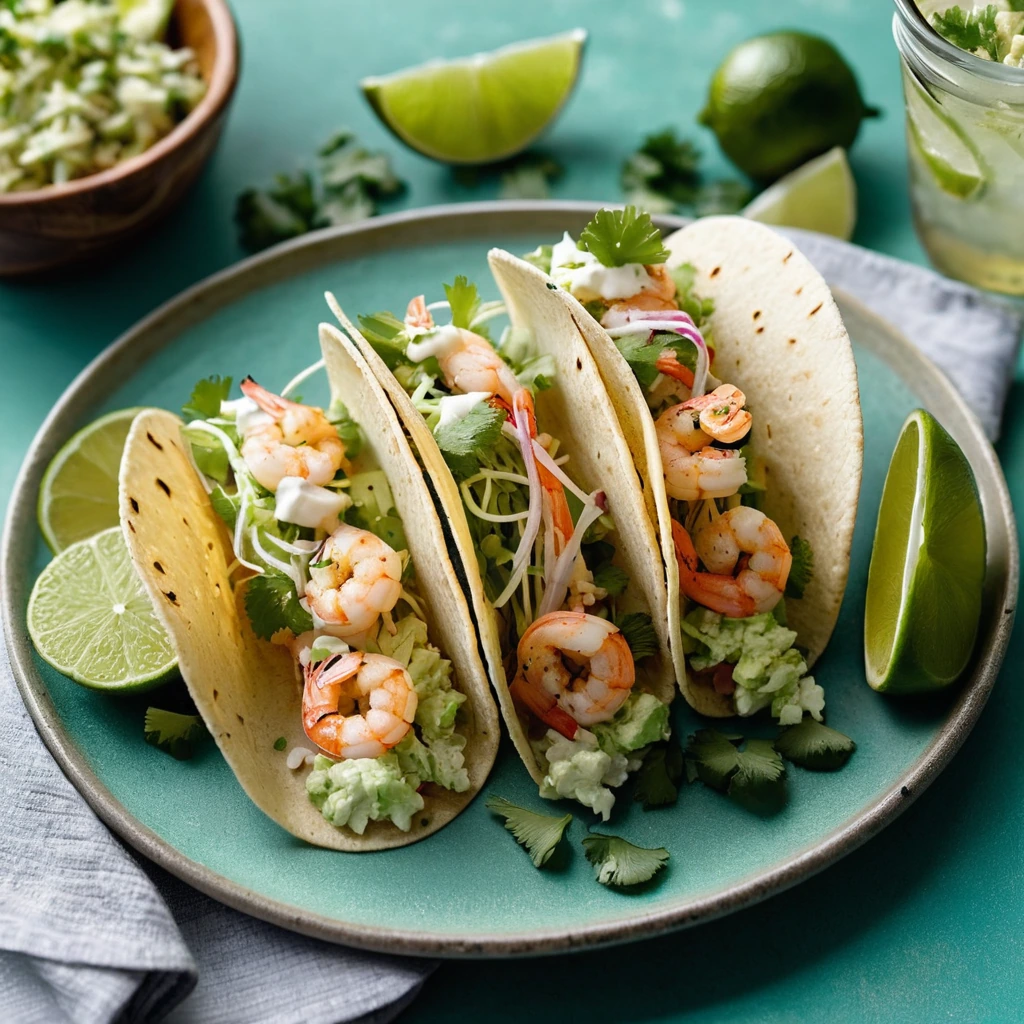
Shrimp Tacos with Cilantro Lime Slaw
Juicy grilled shrimp nestled in warm tortillas, topped with a vibrant cilantro lime slaw that's as refreshing as a sea breeze.
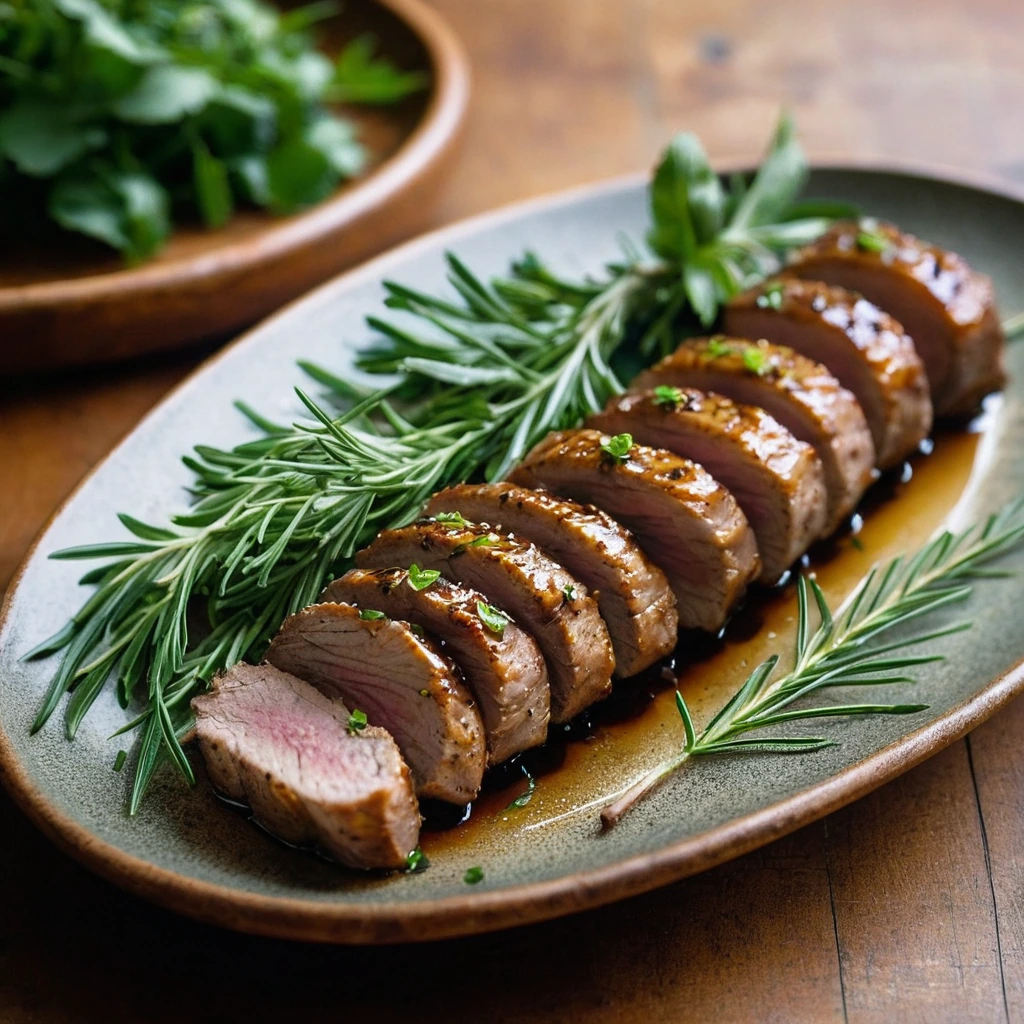
Pork Tenderloin with Garlic Honey Glaze
Succulent pork tenderloin kissed with a sweet, sticky glaze of garlic and honey for a flavor punch that'll have everyone coming back for seconds.