Precision Knife Work: Halving and Pitting Stone Fruit Safely
Mastering the art of precision knife work is essential for any home cook looking to elevate their culinary skills. Stone fruits, like peaches, plums, and cherries, are delightful in both sweet and savory dishes, but their pits can pose a challenge. This technique will guide you through the process of halving and pitting stone fruits safely and efficiently, ensuring you get the most out of each piece of fruit. We'll delve into selecting the right knife, understanding fruit anatomy, and employing techniques that minimize waste while maximizing safety. Whether you're preparing a summer cobbler or a vibrant fruit salad, these skills will serve you well. By the end of this tutorial, you'll feel confident handling stone fruits with ease and finesse, armed with tips to prevent common mishaps. Let's sharpen your skills and dive into the world of stone fruits!
Notes
The key to safely halving and pitting stone fruit lies in using a sharp knife, as dull blades can slip and cause injury. The anatomy of stone fruits, with their central pit surrounded by flesh, makes precise cuts essential to avoid damaging the knife or your fingers. When selecting fruit, look for ripe specimens that yield slightly to pressure, as they'll be easier to halve and pit. A common mistake is rushing through the process; take your time to ensure clean cuts and safe pit removal. Always cut away from your body and keep fingers tucked back. For storage, place prepared fruit in an airtight container in the fridge for up to two days. If you're preparing fruit ahead of time, consider tossing it with a bit of lemon juice to prevent browning.
Steps
- 1 Select a sharp chef's knife or paring knife suitable for the size of the fruit.
- 2 Rinse the stone fruit under cool water and gently pat dry with a clean towel.
- 3 Place the fruit on a stable cutting board.
- 4 Hold the fruit firmly with one hand and position the knife just above the stem.
- 5 Slice downward, applying gentle pressure, to cut the fruit in half around the pit.
- 6 Rotate the fruit 180 degrees and repeat the cut to fully separate the halves.
- 7 Use your fingers to gently twist and remove the pit from each half.
- 8 Alternatively, use a small melon baller or teaspoon to scoop out the pit if twisting is difficult.
- 9 Check for any remaining small fragments of the pit and remove them.
- 10 Slice or dice the fruit halves as desired for your recipe.
- 11 For clingstone varieties, use the knife to carefully separate stubborn flesh from the pit.
- 12 Transfer prepared fruit to a bowl or directly into your dish.
- 13 Clean your knife and cutting board immediately after use to prevent staining.
- 14 Dispose of pits responsibly in a compost bin or trash.
Ingredients to explore
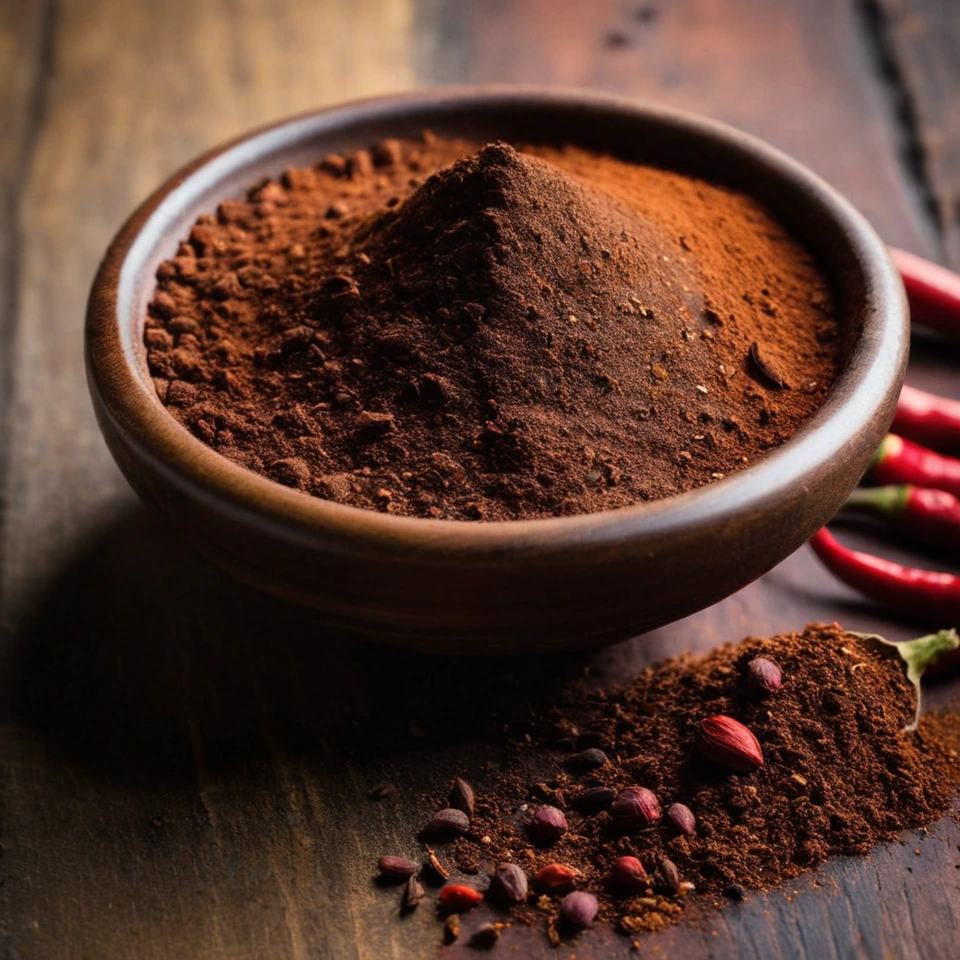
Ancho Chili Powder
Ancho chili powder offers a deep, smoky sweetness with hints of dried fruit and cocoa, reminiscent of its origin as dried poblano peppers from Mexico. Its aroma is warm and inviting, with a mild heat that lingers gently. The texture is fine and velvety, making it easy to incorporate into a variety of dishes. This powder is prized for its ability to add complexity without overwhelming spice, ideal for enriching both traditional Mexican moles and contemporary global cuisines.
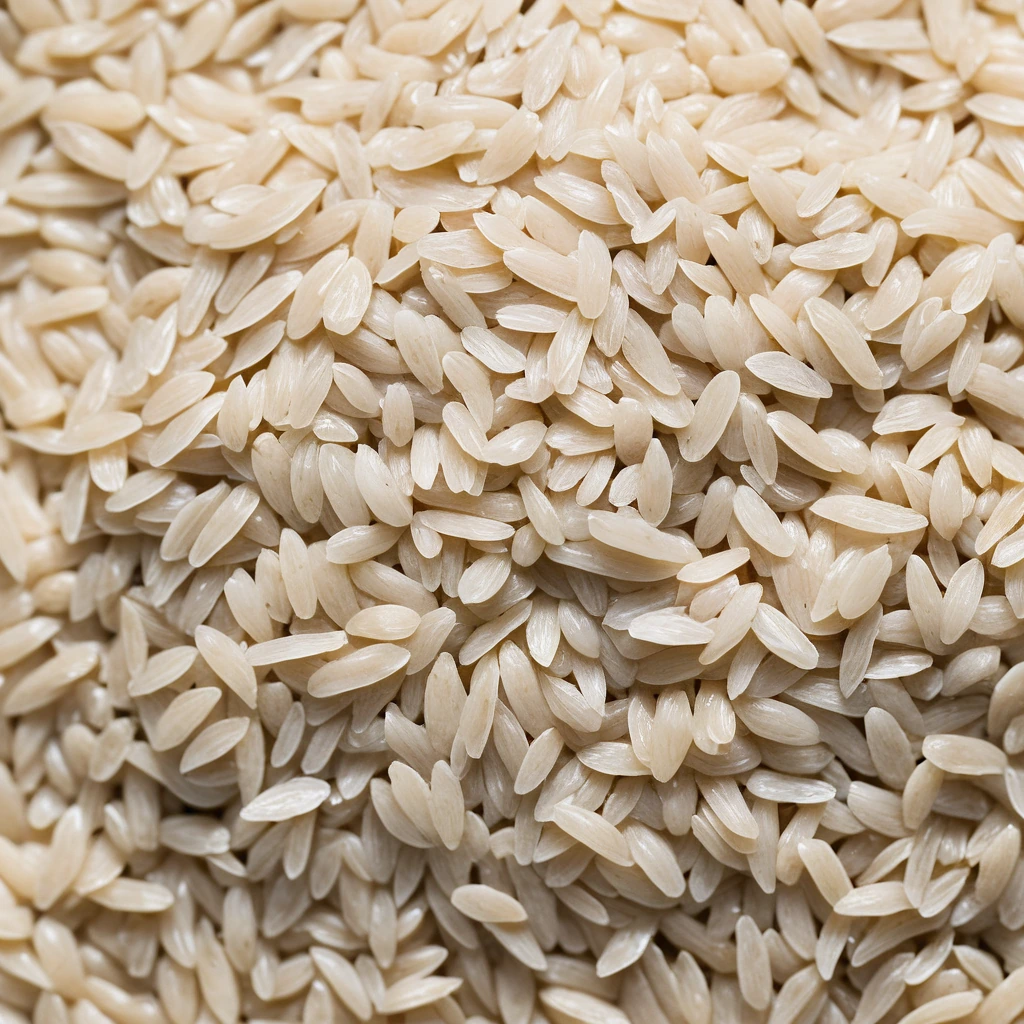
Arborio Rice
Arborio rice is a short-grain Italian rice variety renowned for its use in risotto. Originating from the Po Valley in Northern Italy, it is a staple in Italian cuisine. Its flavor is mild and nutty, with a pleasant creamy texture when cooked due to its high amylopectin content, which releases starch and creates a velvety consistency. The grains remain plump and firm to the bite, offering a satisfying chewiness. In cooking, Arborio rice excels at absorbing flavors from broths and seasonings while maintaining its shape, making it ideal for dishes that require both creaminess and structure.
Recipes to try
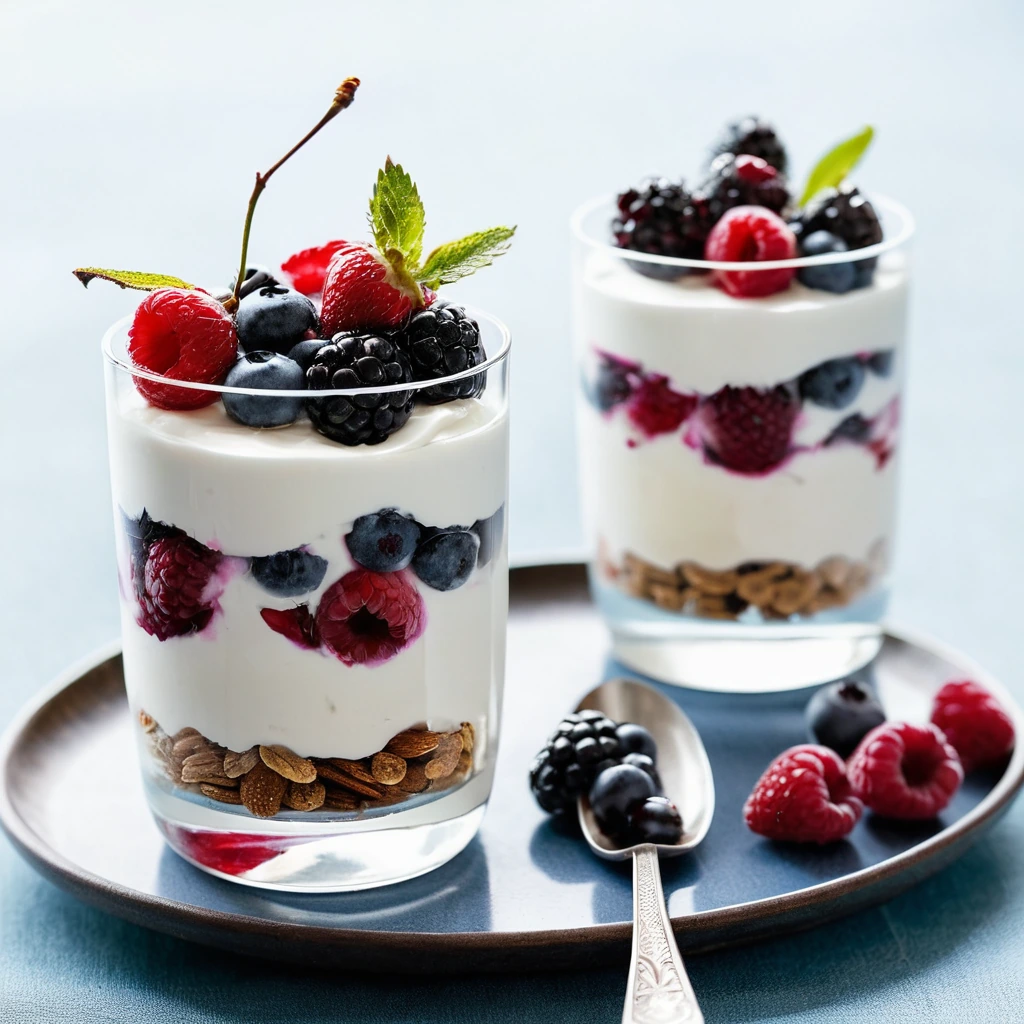
Vanilla Yogurt Parfaits with Roasted Berries
Creamy vanilla yogurt layers kissed by sweet, smoky roasted berries create a parfait that's both comforting and refreshing.
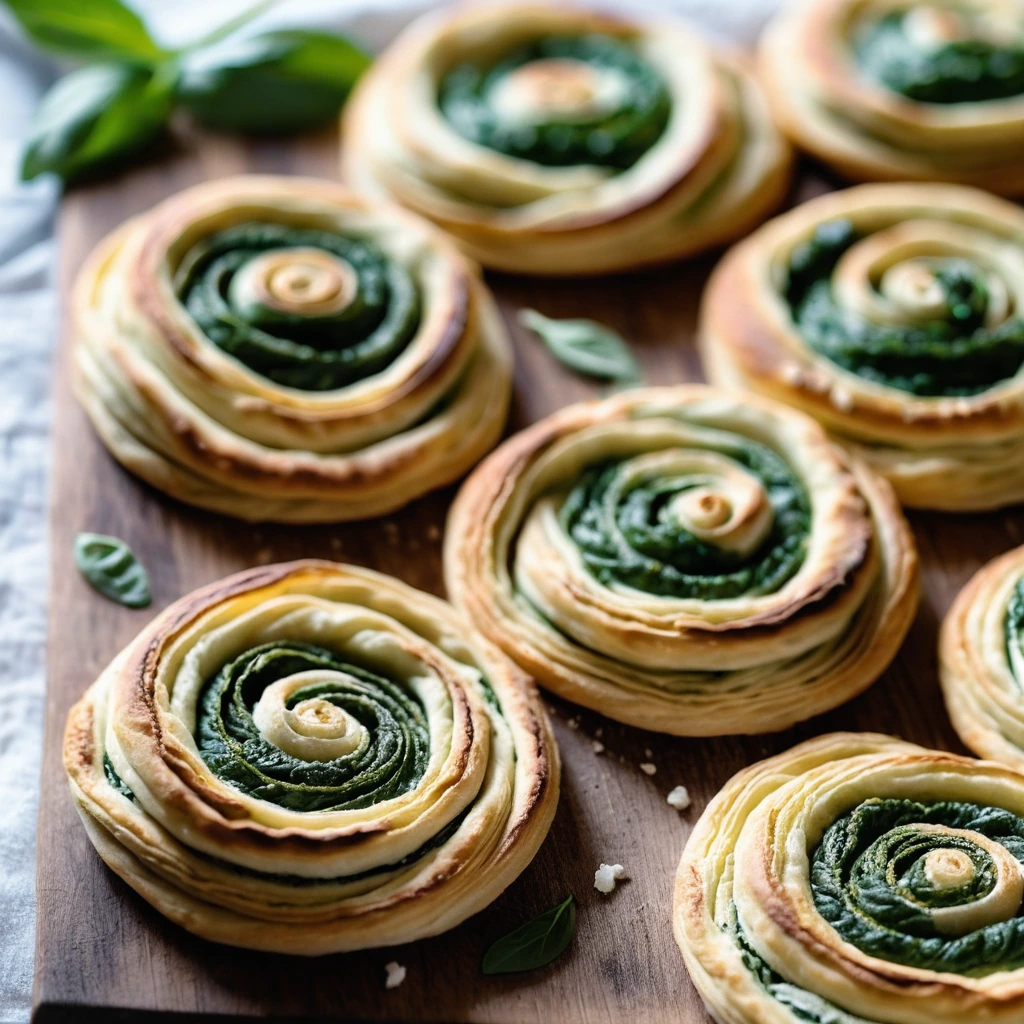
Spinach and Feta Puff Pastry Swirls
Golden, flaky layers of puff pastry embrace a savory mix of spinach and tangy feta in these irresistible swirls.