Poultry: Butter Basting for Crisp Skin
Butter basting is a culinary technique that elevates roasted poultry to new heights of flavor and texture. By periodically spooning melted butter over the bird during roasting, you create a golden, crispy skin that's both savory and rich. This method is particularly effective for chickens, turkeys, and even ducks. The key to successful butter basting lies in understanding the role of fat in browning and flavor development. Butter, with its lower smoke point compared to oils, imparts a nutty, caramelized flavor when used correctly. It also helps to keep the meat moist by sealing in juices. However, it requires vigilance to avoid flare-ups and burnt butter. Here, we delve into the science behind this technique, offering a step-by-step guide to ensure your poultry emerges from the oven with a skin that's irresistibly crisp and a flavor that's deeply satisfying. With patience and attention to detail, you can achieve professional results at home, turning your roasted birds into show-stoppers.
Notes
The science behind butter basting is fascinating. Butter contains milk solids that brown and contribute to flavor via the Maillard reaction. However, its lower smoke point (around 350°F) requires careful handling to prevent burning. Common mistakes include using too much butter, leading to flare-ups, and not monitoring the poultry's color, which can result in over-browning. To troubleshoot, keep a spray bottle of water nearby to douse any flames and adjust the oven temperature if necessary. For safety, always use oven mitts when handling hot pans. Butter basted poultry is best enjoyed fresh, but leftovers can be stored in the fridge for up to three days. Reheat gently to maintain texture.
Steps
- 1 Preheat oven to 425°F.
- 2 Pat the poultry dry with paper towels.
- 3 Season the poultry generously with salt and pepper.
- 4 Place the poultry, breast-side up, in a roasting pan.
- 5 Melt 1/2 cup of unsalted butter in a small saucepan over low heat.
- 6 After 30 minutes of roasting, carefully remove the pan from the oven.
- 7 Spoon the melted butter over the poultry, ensuring even coverage.
- 8 Return the pan to the oven and roast for another 30 minutes.
- 9 Repeat the basting process every 30 minutes until the internal temperature reaches 165°F.
- 10 If the skin begins to darken too quickly, tent the poultry with foil.
- 11 Let the poultry rest for 15-20 minutes before carving.
- 12 Discard any remaining basting butter.
- 13 Serve and enjoy your crispy-skinned poultry.
Ingredients to explore

Andouille Sausage
Andouille sausage is a coarse-grained, smoked pork sausage with a rich history rooted in French cuisine, particularly from the Alsace region. It was adapted in Louisiana, where it became a staple in Cajun and Creole cooking. The sausage is known for its robust, smoky flavor with hints of garlic, pepper, and other spices, creating a spicy and savory profile. Its texture is firm yet slightly chewy, making it a hearty addition to dishes. When cooked, andouille sausage maintains its shape well and infuses dishes with its distinctive smoky essence, enhancing stews, soups, and rice dishes.
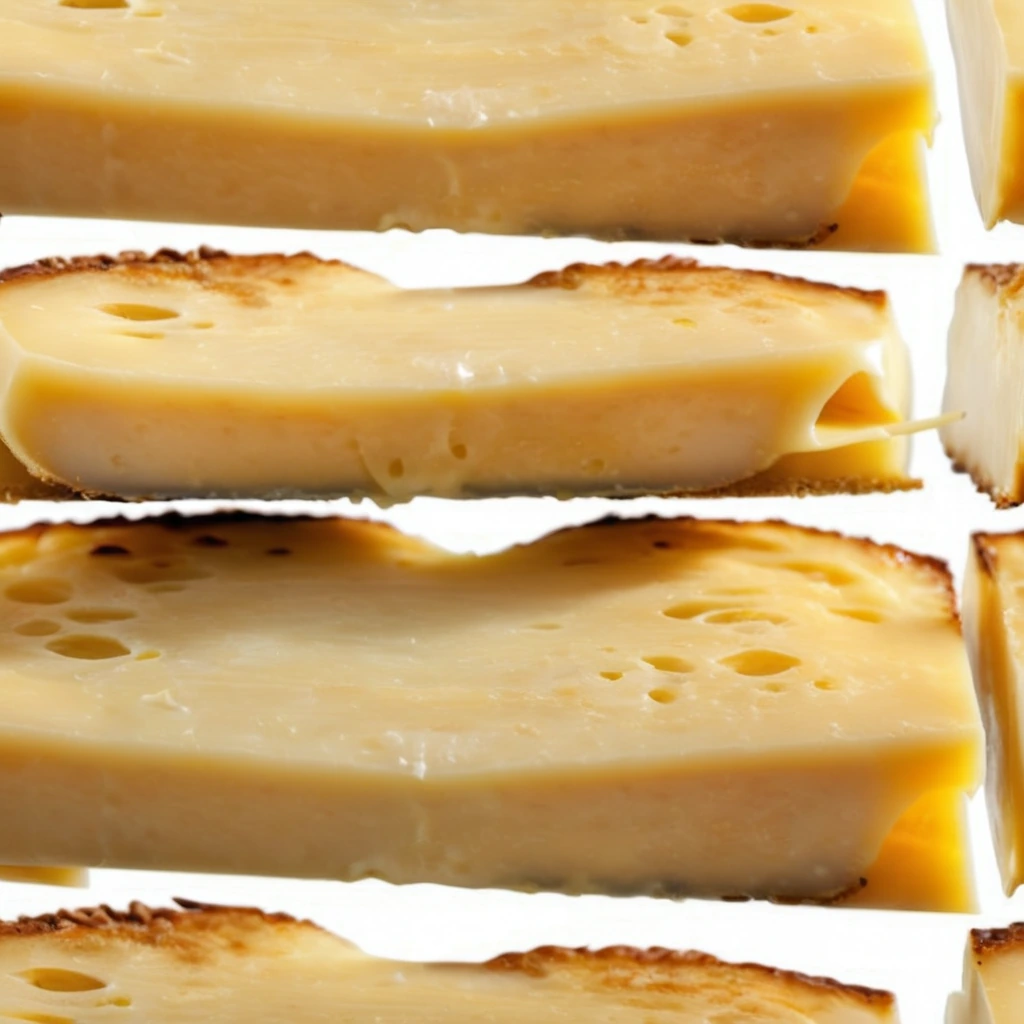
American Cheese Slices
Those iconic, perfectly pliable slices of creamy, mild American cheese. Each slice boasts a smooth, melt-in-your-mouth texture that brings comfort to any dish.
Recipes to try
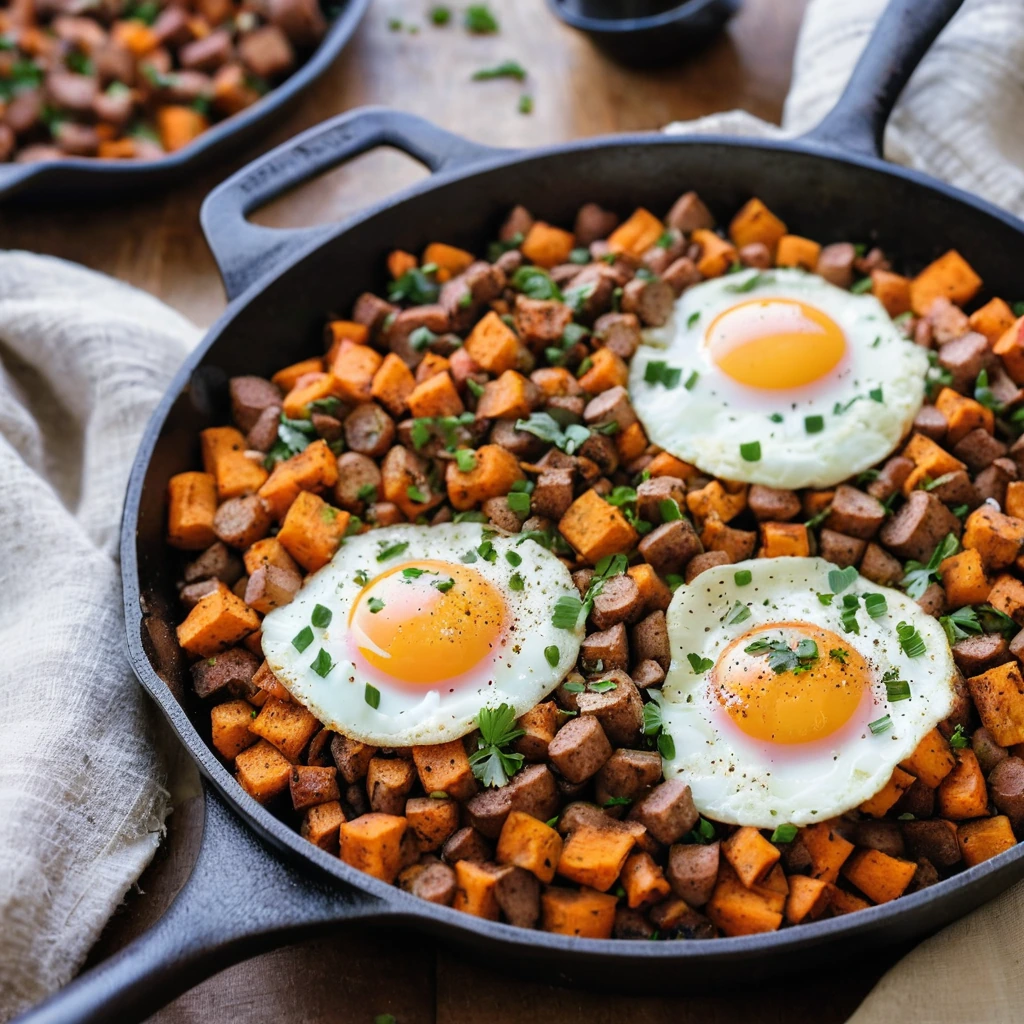
Sweet Potato, Sausage, and Egg Breakfast Hash
Rustic and hearty, this breakfast hash is a symphony of smoky sausage, tender sweet potatoes, and perfectly cooked eggs.
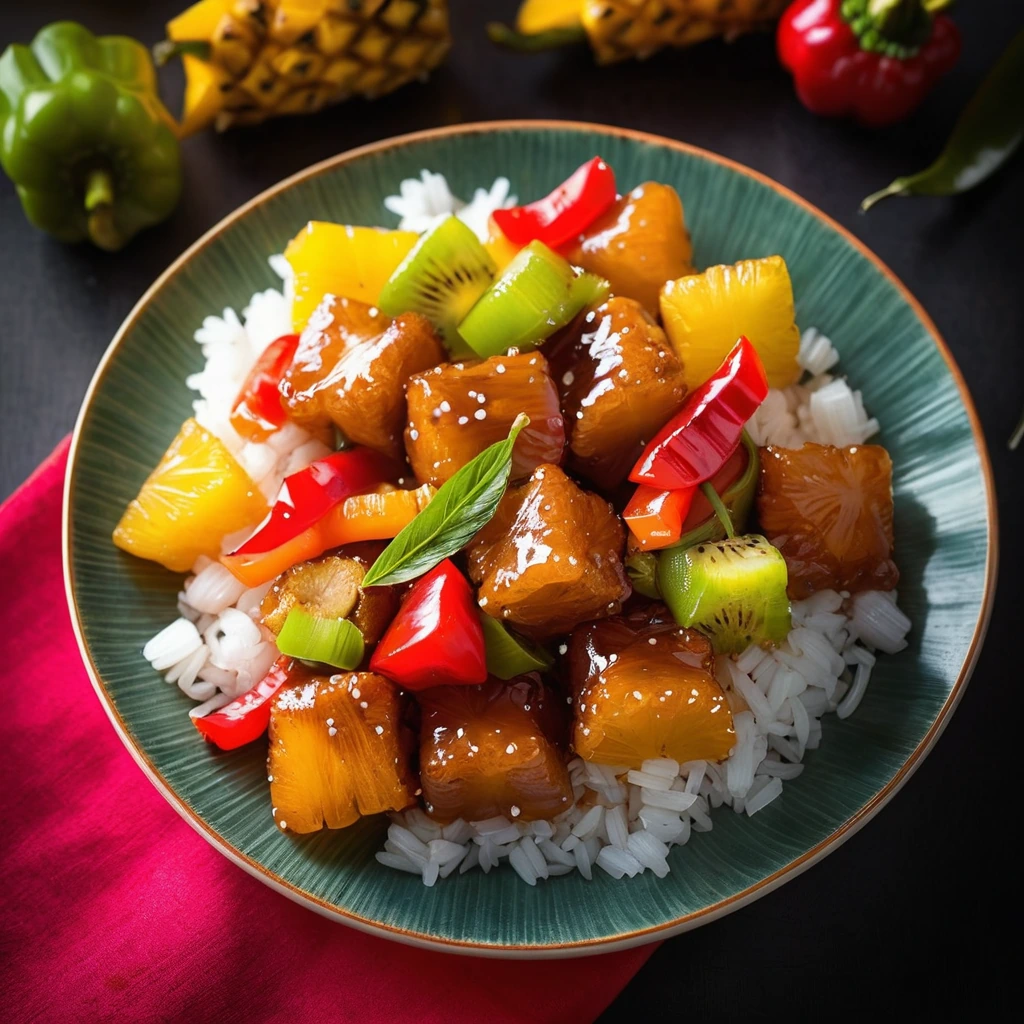
Sweet and Sour Pork with Pineapple and Peppers
Tangy, sweet, and a touch sour, this pork dish is a carnival of flavors with juicy pineapple chunks and crisp bell peppers.