Plating: Choosing the Right Plate Size
Plating is an art form that can elevate your home-cooked meals to restaurant-worthy presentations. Choosing the right plate size is a critical aspect of this culinary craft. It's not just about aesthetics; it's about enhancing the dining experience by balancing portion sizes with visual appeal. The right plate size can make a dish look more appetizing and satisfying. It can also influence how much we eat, as larger plates often lead to larger portions. Understanding the principles behind selecting plate sizes allows you to control portion sizes, create visual harmony, and focus attention on the key components of your dish. Whether you're serving a delicate appetizer or a hearty main course, the plate you choose sets the stage for the entire meal. It frames the food, much like a picture frame highlights a painting. This technique dives into how different plate sizes interact with various dishes, how they affect portion perception, and how they contribute to the overall ambiance of your meal presentation. By mastering this skill, you'll be able to present your culinary creations in a way that delights both the eyes and the palate, leaving your guests impressed and satisfied.
Notes
Choosing the right plate size is backed by psychology and science. Studies show that people tend to eat less when their food is served on smaller plates, as the portion appears larger in comparison to the plate's size. This can be a helpful tool for managing portion control. A common mistake is selecting a plate that is too large, which can make the food look sparse and unappetizing. To troubleshoot, always visualize how the dish will look on the plate before serving. Safety is not a major concern with plating, but ensure plates are heat-resistant if serving hot dishes. For make-ahead meals, consider serving sizes that can be easily transferred to plates without losing presentation quality. Store plates in a manner that prevents chipping or cracking to maintain their appearance.
Steps
- 1 Determine the type of dish you are serving: appetizer, soup, salad, main course, or dessert.
- 2 Select a plate size that complements the portion: small plates for appetizers, medium for soups and salads, large for main courses, and small to medium for desserts.
- 3 Consider the balance between the food and the plate: aim for the food to occupy about two-thirds of the plate's surface.
- 4 Think about the shape of the plate and how it frames your dish: round plates are versatile, while square or rectangular plates can offer a modern look.
- 5 Check that the plate size aligns with your tableware and setting for a cohesive presentation.
- 6 Experiment with different sizes to see how they change the visual impact of your dish.
- 7 Take into account the occasion: formal dinners might call for more traditional sizes, while casual gatherings can be more flexible.
- 8 Remember that the plate should enhance, not overwhelm, the food.
- 9 Ensure that the plate is large enough to allow for easy eating without food touching the diner's hand.
- 10 Consider cultural expectations and personal preferences when selecting plate sizes.
Ingredients to explore
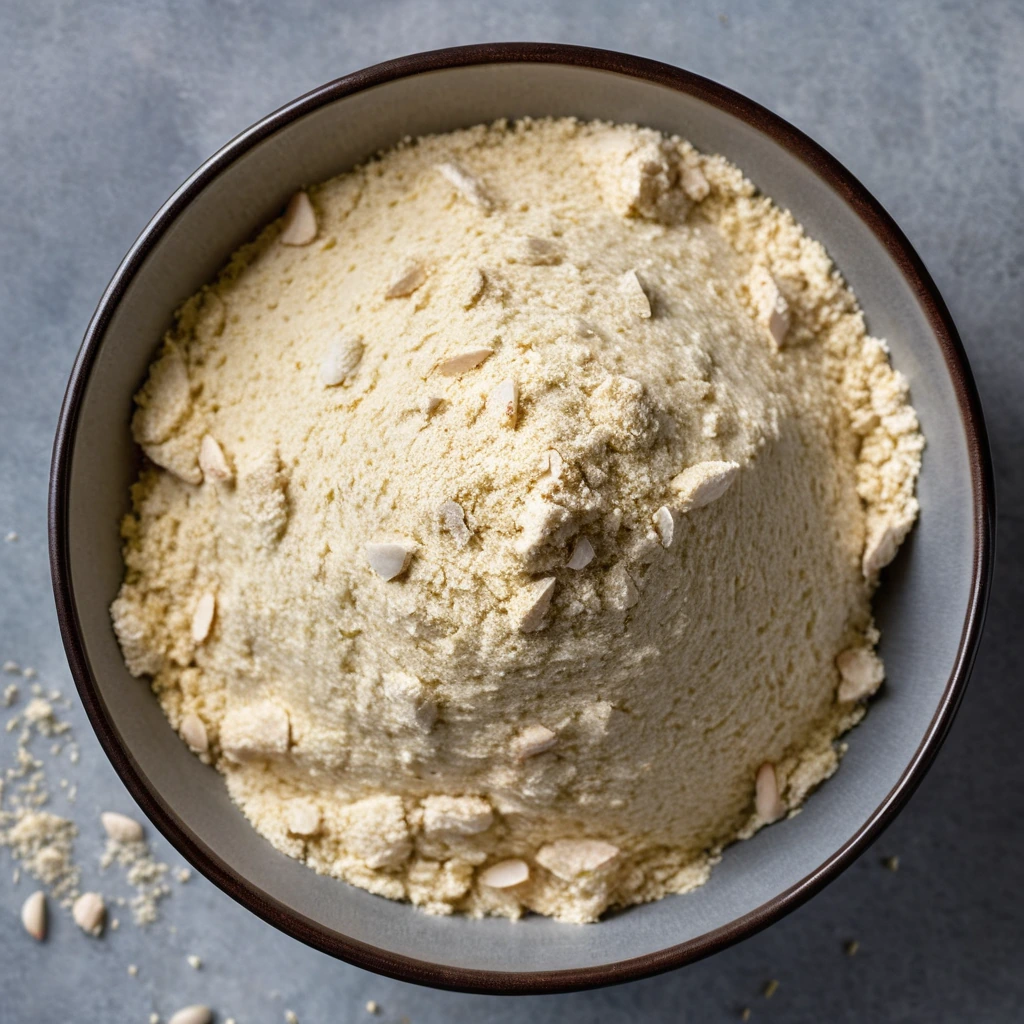
Almond Flour
A finely ground flour made from blanched almonds, offering a delicate nutty aroma and a tender crumb to your baked goods.
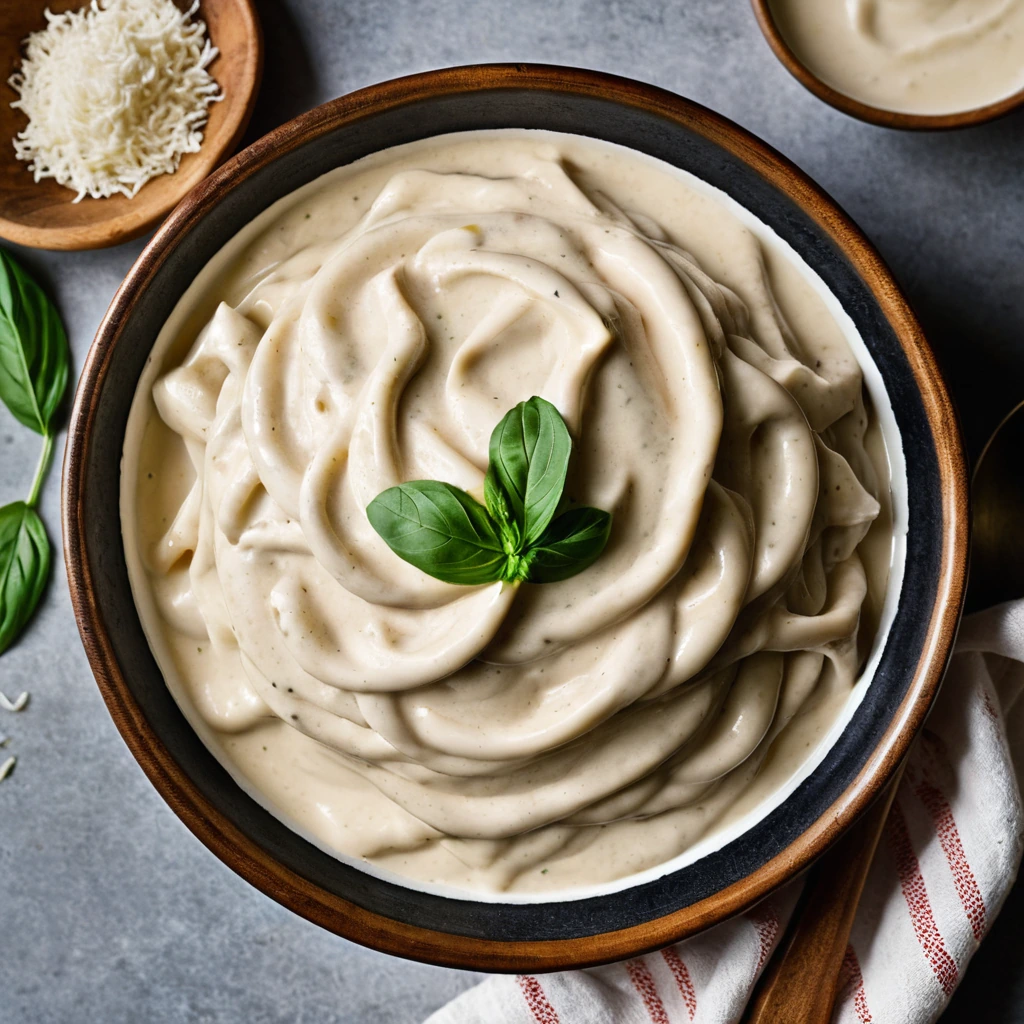
Alfredo Sauce
Creamy, rich, and utterly indulgent, Alfredo sauce is a dreamy blend of butter, heavy cream, and Parmesan cheese. Its velvety texture and savory depth make it a beloved staple in Italian-American cuisine.
Recipes to try
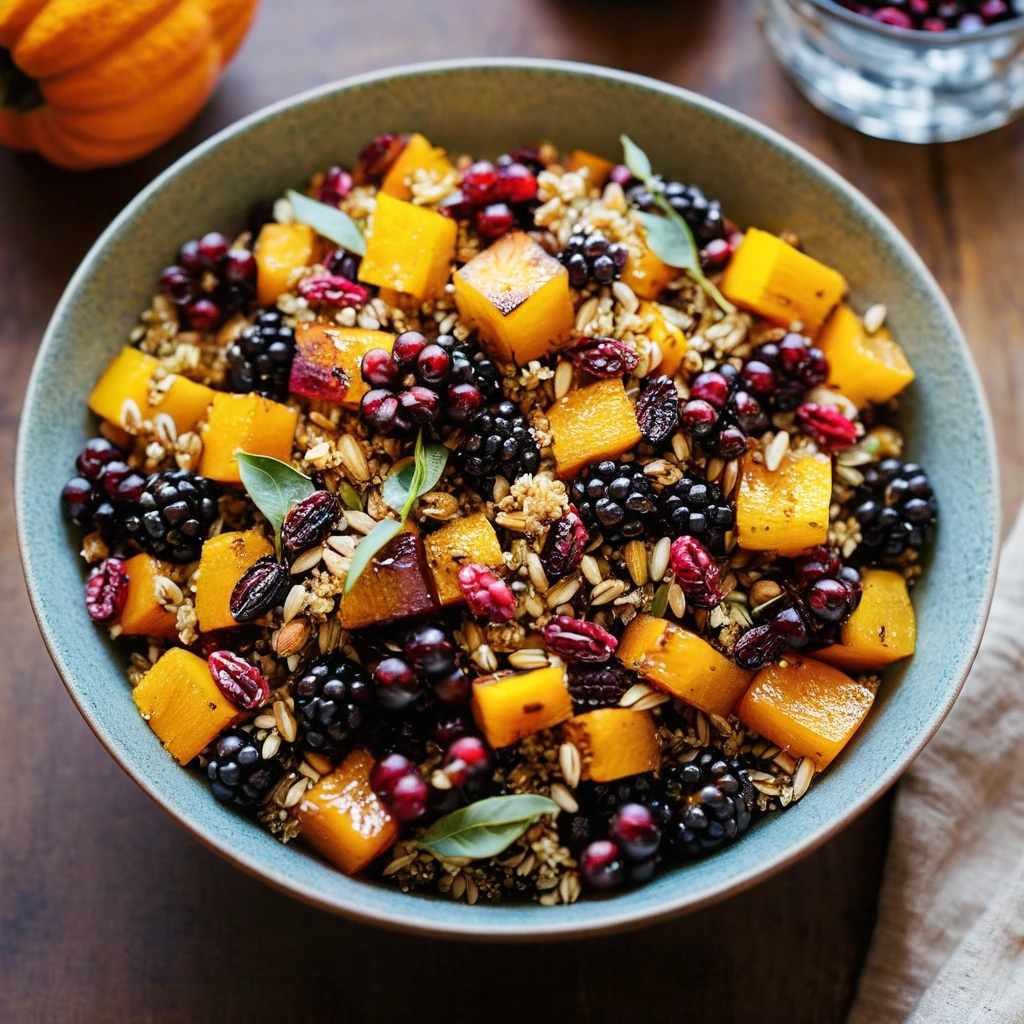
Warm Quinoa Salad with Roasted Squash and Cranberries
A cozy mix of nutty quinoa, tender roasted squash, and sweet cranberries makes this salad a fall favorite.
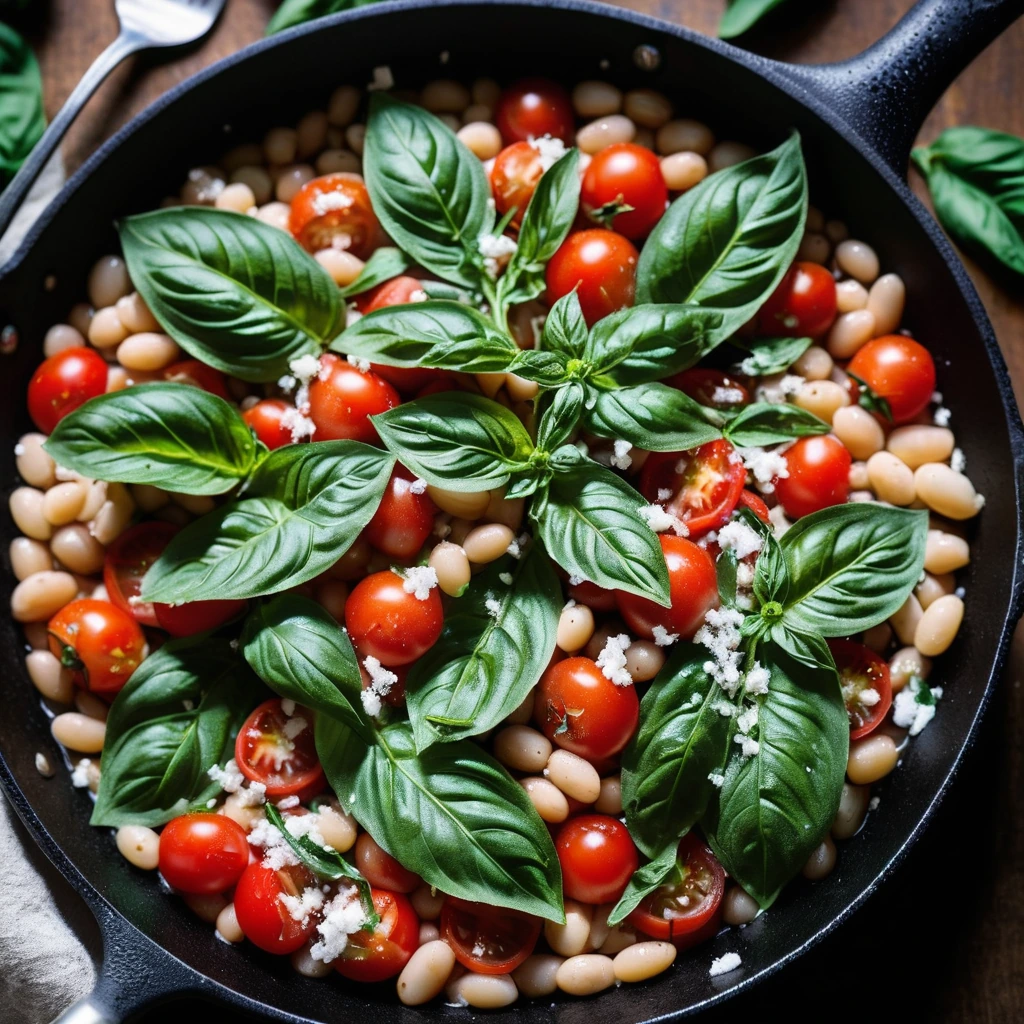
Tomato Basil White Bean Skillet with Parmesan
A comforting skillet packed with creamy white beans, ripe tomatoes, and fragrant basil, all topped with a generous sprinkle of Parmesan.