Plating: Adding Crunch for Texture Contrast
Plating isn't just about visual appeal; it's also about creating a symphony of textures that dance on your palate. Adding crunch to your dishes can elevate them from merely good to downright memorable. Crunch provides a satisfying contrast to soft, creamy, or tender elements, making each bite an adventure. Achieving the perfect crunch requires understanding the materials you use, their preparation, and their placement on the plate. Common crunchy elements include toasted nuts, seeds, breadcrumbs, and crispy fried shallots. Each brings its own unique flavor and texture to the dish. The key is to balance these elements so they complement rather than overpower. Start by selecting fresh, high-quality ingredients to ensure maximum flavor and texture. Then, consider the cooking methods that will enhance their crunchiness—toasting, frying, or baking. Finally, think about the timing of adding these elements to your plate. Too early, and they might lose their crispness; too late, and they might not integrate well with the rest of the dish. Mastering this technique can transform even the simplest meal into a gourmet experience.
Notes
The science behind crunch lies in the structure of the ingredients. When nuts and seeds are toasted, their natural oils are released, creating a brittle texture that shatters upon biting. Breadcrumbs turn crispy due to the Maillard reaction, where heat transforms their proteins and sugars into deliciously crunchy compounds. To troubleshoot, ensure your oven or skillet is at the correct temperature; too low, and you risk sogginess. For storage, keep crunchy elements in an airtight container to maintain their texture. Make ahead if possible, but add to dishes just before serving to preserve their crispness. Safety is key—be cautious of hot oil when frying to avoid burns.
Steps
- 1 Select fresh nuts, seeds, or bread for your crunchy elements.
- 2 Preheat oven to 350°F for baking nuts or seeds.
- 3 Spread nuts or seeds in a single layer on a baking sheet.
- 4 Bake for 8-10 minutes, stirring halfway through, until golden brown.
- 5 For breadcrumbs, toast them in a dry skillet over medium heat until golden.
- 6 Fry shallots in hot oil (350°F) until crispy and golden brown.
- 7 Drain fried shallots on paper towels to remove excess oil.
- 8 Season all crunchy elements with salt immediately after cooking.
- 9 Allow crunchy elements to cool completely before use.
- 10 Just before serving, sprinkle the crunchy elements over your dish.
- 11 Distribute evenly to ensure each bite contains a bit of crunch.
- 12 Consider color contrast to enhance visual appeal.
- 13 Taste and adjust seasoning if necessary after adding crunch.
Ingredients to explore
Recipes to try
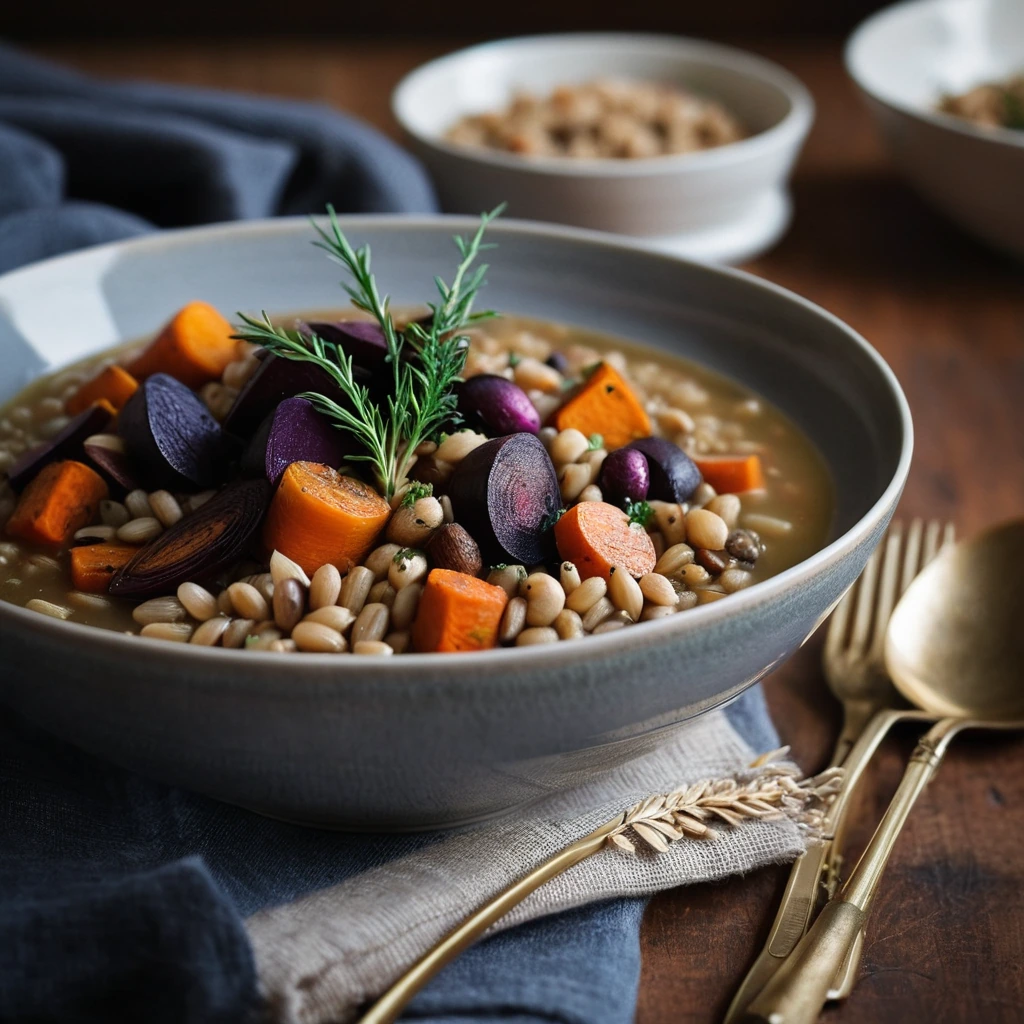
Roasted Root Vegetable and Barley Stew
Hearty and deeply flavorful, this stew marries caramelized root veggies with chewy barley for a comforting bowlful of warmth.
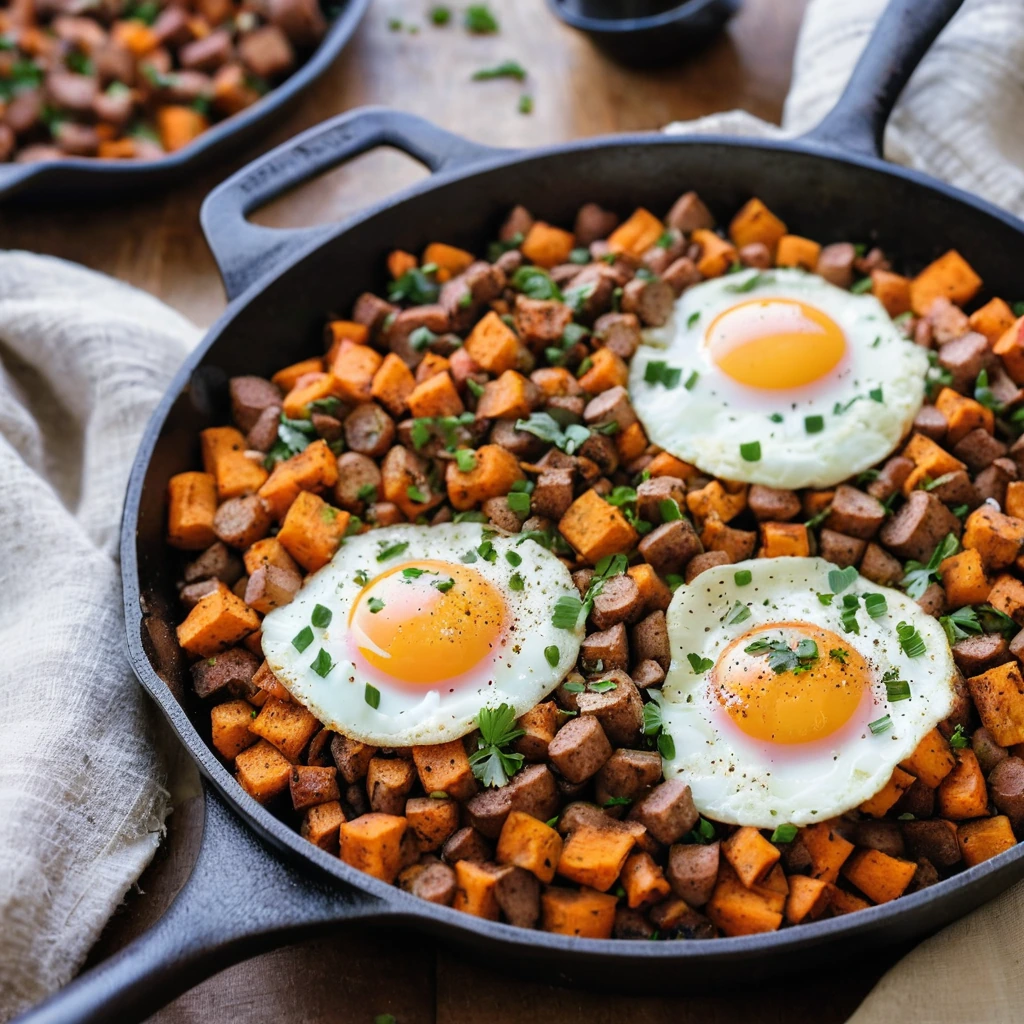
Sweet Potato, Sausage, and Egg Breakfast Hash
Rustic and hearty, this breakfast hash is a symphony of smoky sausage, tender sweet potatoes, and perfectly cooked eggs.