Pasta: Rolling Pasta Sheets with a Machine
Rolling pasta sheets with a machine is a game-changer for home cooks, offering precision and consistency that's hard to achieve by hand. This technique transforms simple ingredients into silky, uniform pasta sheets perfect for lasagnas, ravioli, or tagliatelle. The secret lies in the machine's ability to precisely control thickness and width, ensuring each sheet is perfect for your culinary creation. First, let's talk about selecting the right machine. Look for one with adjustable thickness settings and a sturdy build to handle repeated use. Next, prepare your pasta dough. It should rest for at least 30 minutes to relax the gluten, making it easier to roll. When you're ready, attach the pasta machine to a sturdy surface to prevent slipping. Start with the widest setting to feed in your dough, folding it into thirds each time you pass it through. Repeat this process several times to ensure even thickness and to work out any air bubbles. Gradually decrease the thickness setting with each pass until you achieve your desired sheet thinness. Keep the rolled sheets dusted with flour to prevent sticking, and remember, the key to perfect pasta sheets is patience and attention to detail. Whether you're making fettuccine or delicate lasagna layers, mastering this technique will elevate your pasta dishes to a professional level.
Notes
The science behind rolling pasta sheets lies in gluten development and relaxation. Resting the dough allows gluten strands to relax, making the dough more pliable and less likely to tear. Common mistakes include overworking the dough before resting or rushing the rolling process, leading to uneven sheets. Always ensure your machine is securely attached to avoid accidents. For make-ahead convenience, dried pasta sheets can be stored in an airtight container for a few days. Fresh sheets can be refrigerated for up to 24 hours, lightly dusted with flour and separated by parchment paper.
Steps
- 1 Prepare your pasta dough and let it rest for 30 minutes.
- 2 Attach the pasta machine to a sturdy surface.
- 3 Divide the dough into manageable portions.
- 4 Set the machine to the widest setting.
- 5 Feed a portion of dough through the machine.
- 6 Fold the dough into thirds and pass it through again.
- 7 Repeat folding and rolling until the dough is smooth.
- 8 Gradually decrease the machine setting to your desired thickness.
- 9 Dust the pasta sheet with flour to prevent sticking.
- 10 Fold the sheet loosely and repeat with remaining dough.
- 11 Hang or lay flat the rolled sheets to dry slightly before use.
- 12 For cutting, adjust the machine attachment if applicable and feed the sheet through.
- 13 Check the pasta sheets for even thickness and consistent texture.
Ingredients to explore
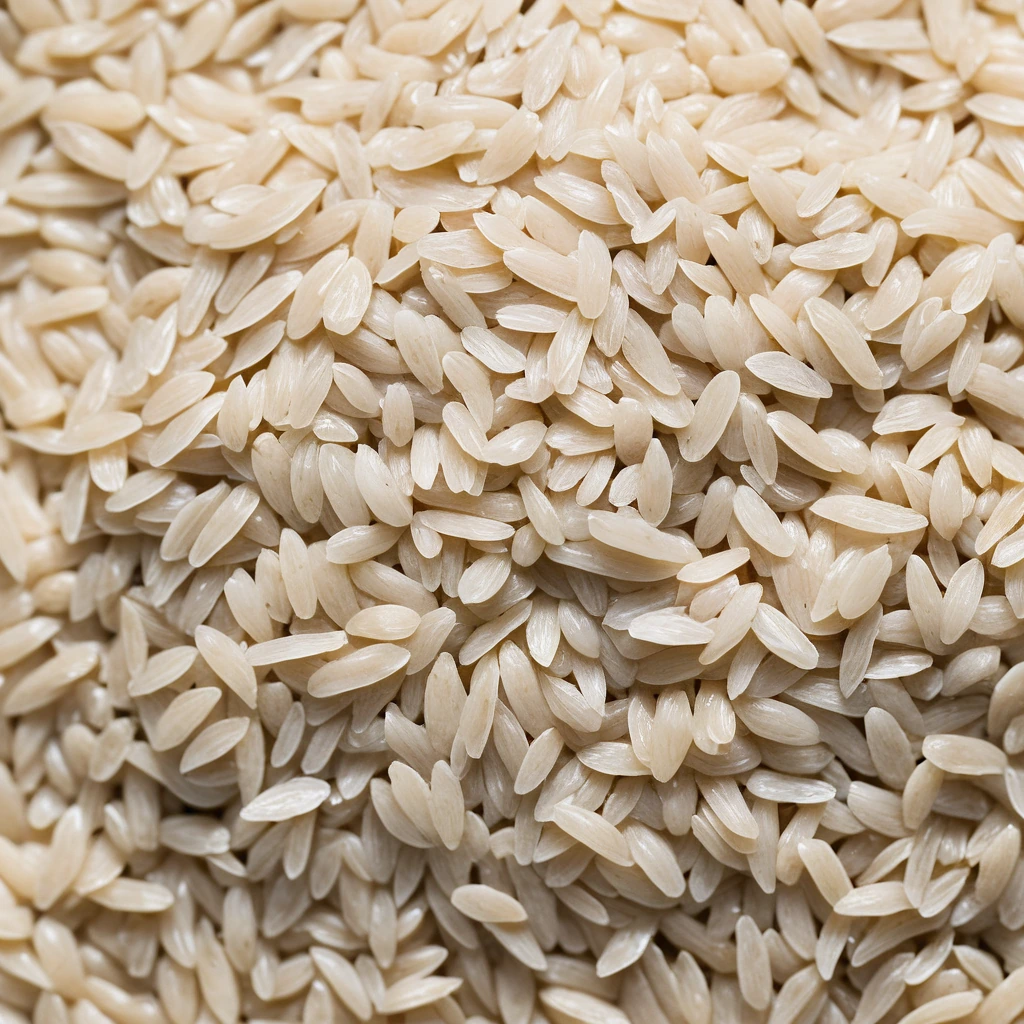
Arborio Rice
Arborio rice is a short-grain Italian rice variety renowned for its use in risotto. Originating from the Po Valley in Northern Italy, it is a staple in Italian cuisine. Its flavor is mild and nutty, with a pleasant creamy texture when cooked due to its high amylopectin content, which releases starch and creates a velvety consistency. The grains remain plump and firm to the bite, offering a satisfying chewiness. In cooking, Arborio rice excels at absorbing flavors from broths and seasonings while maintaining its shape, making it ideal for dishes that require both creaminess and structure.
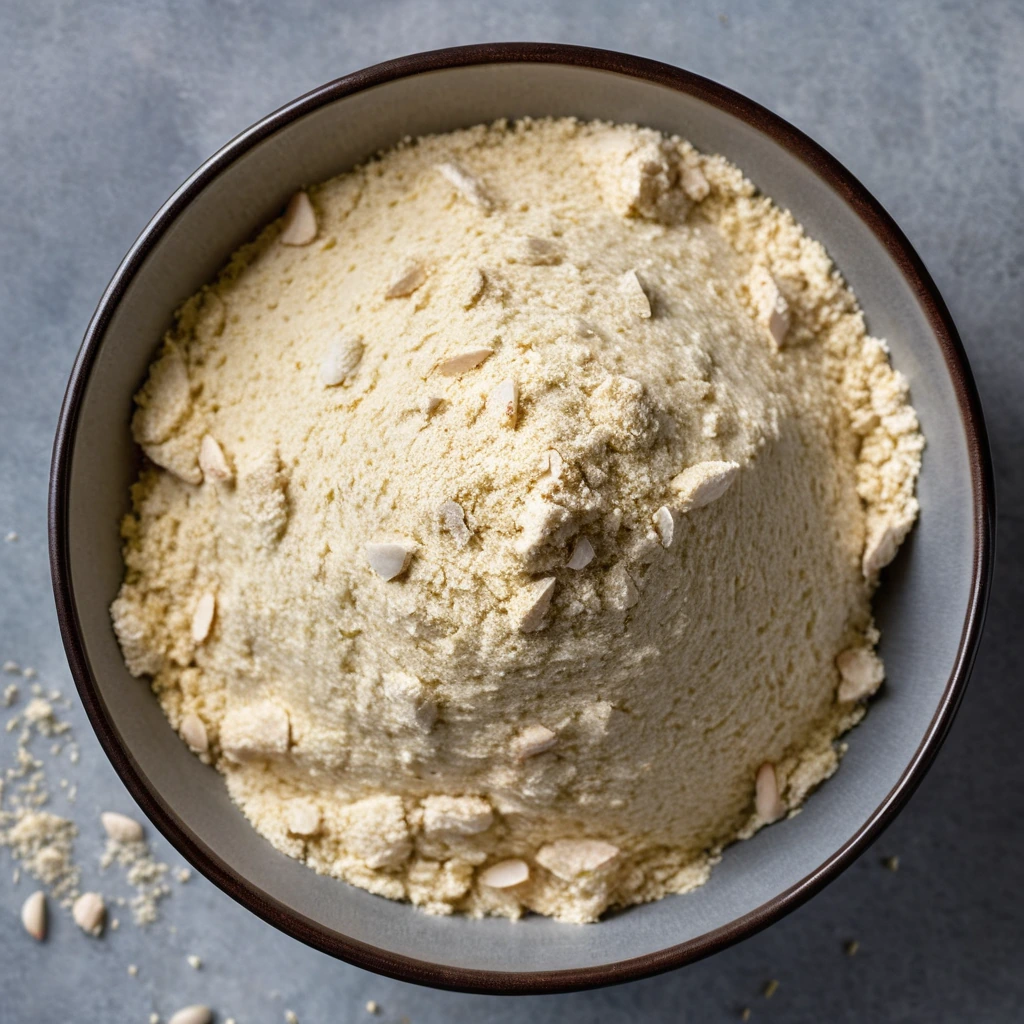
Almond Flour
A finely ground flour made from blanched almonds, offering a delicate nutty aroma and a tender crumb to your baked goods.
Recipes to try

Roasted Cauliflower and Garlic Soup with Parmesan
This velvety soup is a symphony of roasted cauliflower and garlic, kissed with nutty Parmesan for a cozy, crave-worthy bowl.

Sausage and Ricotta Stuffed Squash Boats
Tender roasted squash halves are stuffed with a savory mix of Italian sausage and creamy ricotta, making for a comforting and hearty meal.