Pans: Cast Iron Seasoning and Care
Cast iron cookware is a beloved staple in many kitchens due to its durability and exceptional heat retention. However, to maintain its performance and prevent rust, proper seasoning and care are essential. Seasoning is essentially a process of applying a thin layer of oil to the surface of the pan, which polymerizes when heated, creating a natural, non-stick surface. This technique not only protects the pan but also enhances its cooking capabilities over time. The care of cast iron involves understanding how to clean it properly, store it correctly, and occasionally re-season it to maintain its integrity. Let’s delve into the intricacies of seasoning and caring for your cast iron pans to ensure they last for generations. First, it's crucial to preheat your oven to ensure even seasoning. Then, you'll need to clean your pan thoroughly before applying a thin, even layer of oil. This process might sound daunting, but with patience and attention to detail, you can master it. Remember, each use builds upon the seasoning layer, making your pan more resilient and non-stick over time. Proper care includes avoiding dish soap, which can strip the seasoning, and instead using a stiff brush or coarse salt for scrubbing. After washing, dry the pan immediately and apply a light coat of oil while it’s still warm. Finally, store your pan in a dry place to prevent moisture buildup, which can lead to rust. By following these practices, you’ll preserve your cast iron’s natural non-stick surface and prevent it from deteriorating. Understanding the science behind seasoning — essentially creating a polymerized layer of oil — helps you appreciate the process. Troubleshooting common issues like rust or a sticky surface involves re-seasoning and proper drying techniques. With correct maintenance, your cast iron pan will become a cherished kitchen heirloom.
Notes
The science behind seasoning is straightforward: heat transforms the oil into a durable, non-stick surface by polymerizing it. This layer protects the iron from moisture and oxidation, which cause rust. A common mistake is using too much oil, leading to a sticky, gummy surface. Always use a thin layer. If your pan develops rust, gently scrub it with steel wool, re-season it, and ensure it’s thoroughly dry before storing. Never soak your cast iron pan, as prolonged exposure to water can compromise the seasoning. For make-ahead meals, consider cooking and storing food in other containers to prevent the pan from sitting wet. Regular use and proper care will ensure your cast iron pan remains in excellent condition for years.
Steps
- 1 Preheat oven to 375°F.
- 2 Wash pan with hot water and stiff brush, avoiding soap.
- 3 Dry pan thoroughly with a towel.
- 4 Place pan on stove over low heat to ensure complete dryness.
- 5 Apply a thin, even layer of flaxseed or vegetable oil with a paper towel.
- 6 Wipe off any excess oil to avoid a sticky surface.
- 7 Place an upside-down pan on the middle rack of the preheated oven.
- 8 Bake for one hour.
- 9 Turn off the oven and let the pan cool completely inside.
- 10 Repeat the process 2-3 times for a durable seasoning layer.
- 11 After each use, clean with hot water and a brush, then dry immediately.
- 12 While still warm, apply a light coat of oil with a paper towel.
- 13 Store in a dry place, preferably with the lid off to prevent moisture buildup.
Ingredients to explore
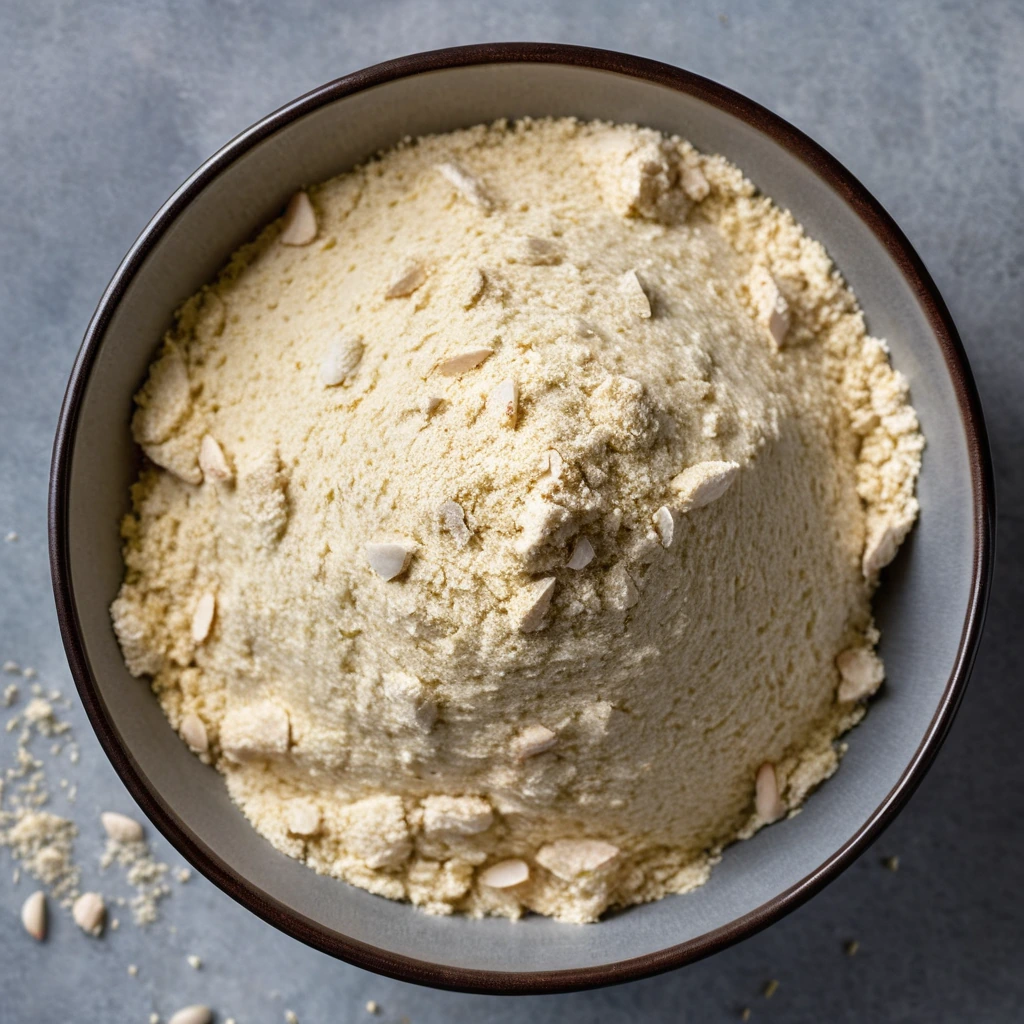
Almond Flour
A finely ground flour made from blanched almonds, offering a delicate nutty aroma and a tender crumb to your baked goods.
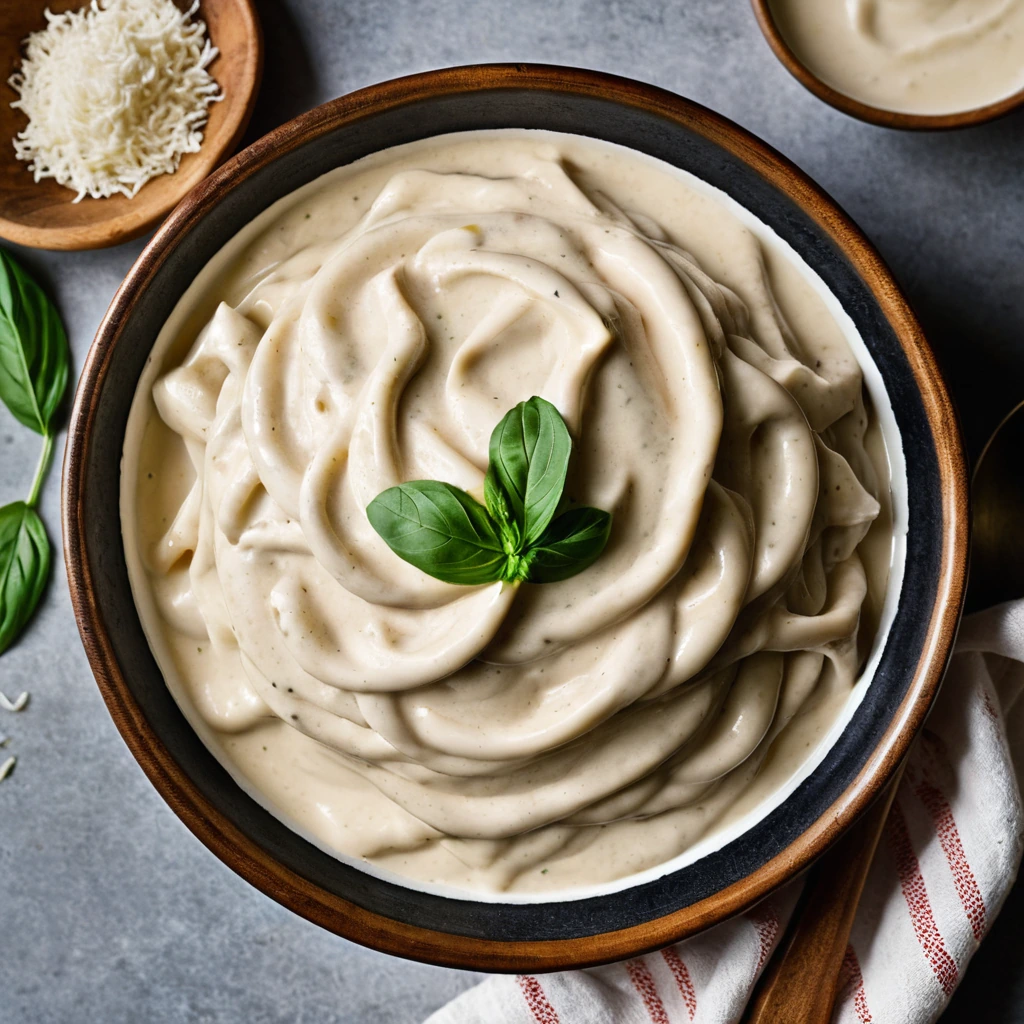
Alfredo Sauce
Creamy, rich, and utterly indulgent, Alfredo sauce is a dreamy blend of butter, heavy cream, and Parmesan cheese. Its velvety texture and savory depth make it a beloved staple in Italian-American cuisine.
Recipes to try
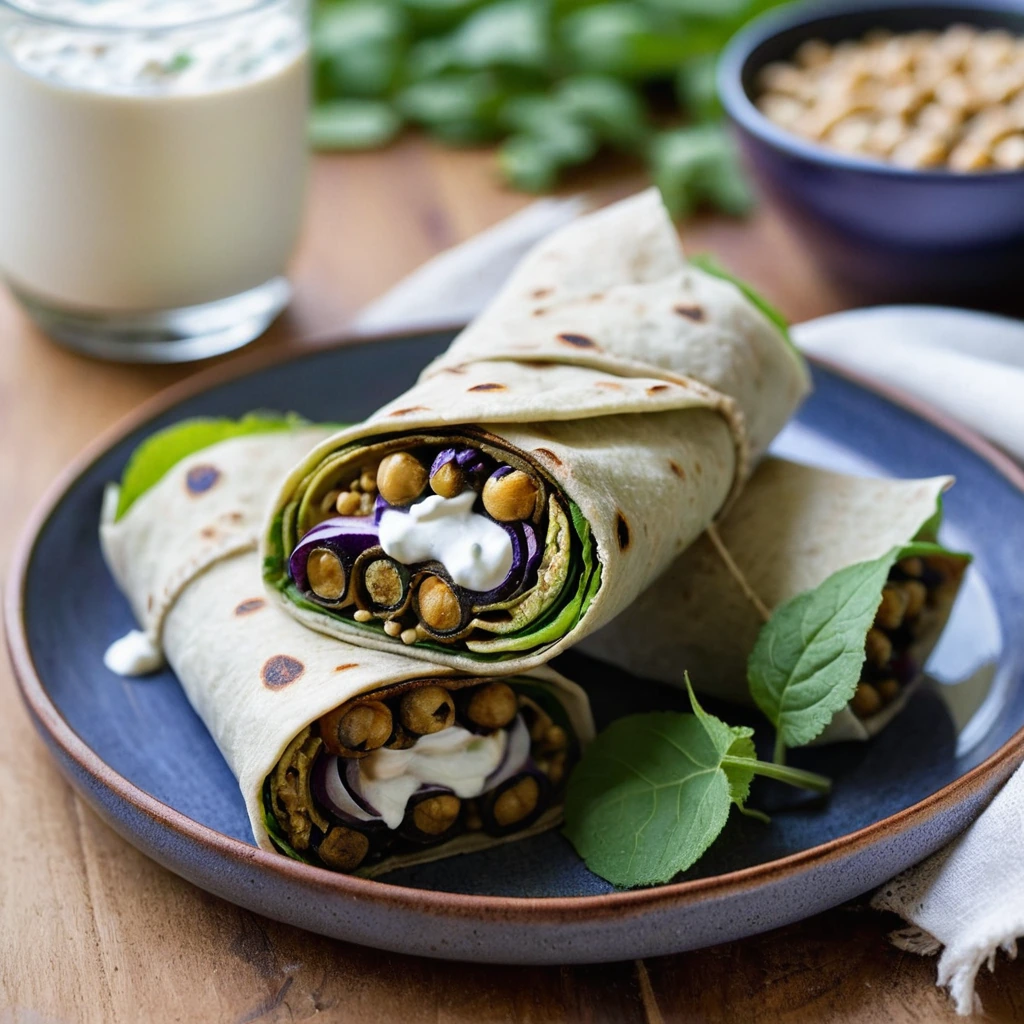
Roasted Eggplant and Chickpea Wraps with Yogurt
Creamy yogurt swirls with smoky roasted eggplant and hearty chickpeas, all wrapped in a warm tortilla for a veggie-packed meal.
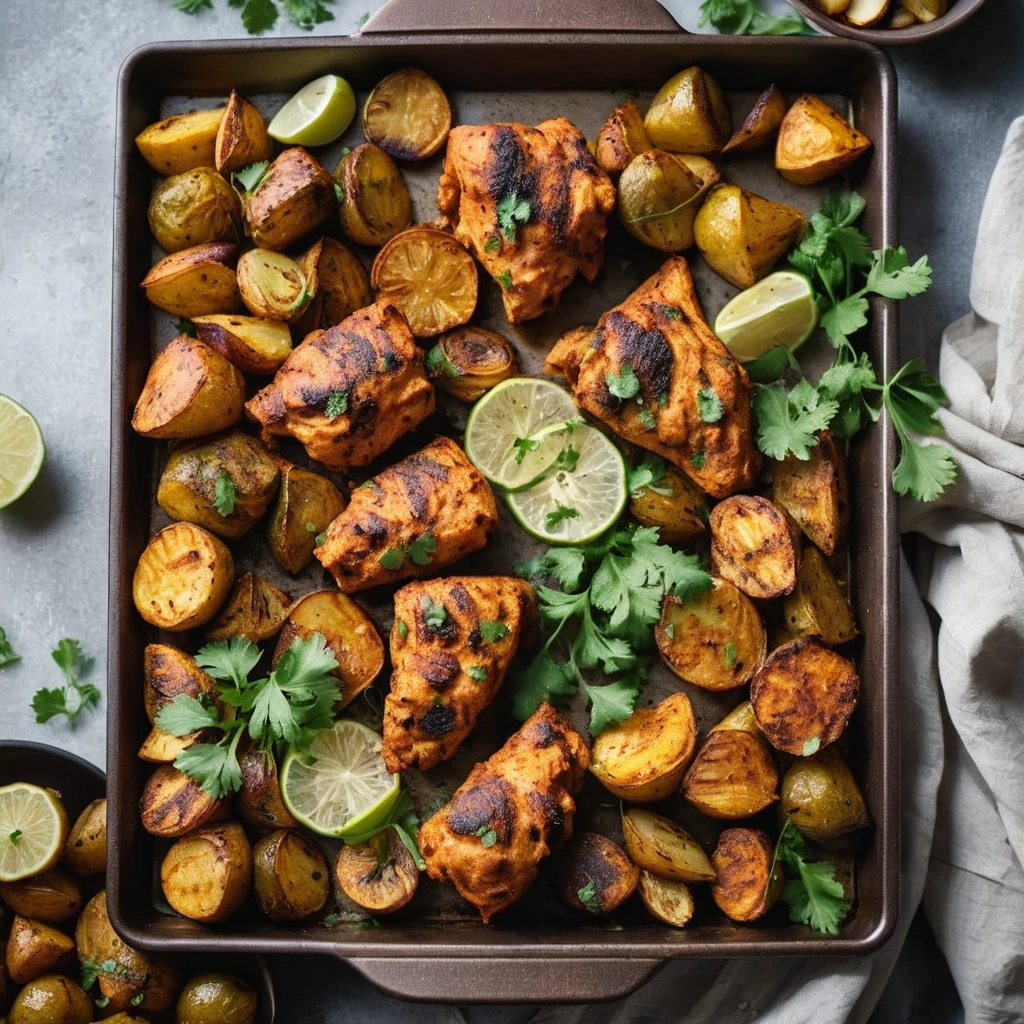
Sheet Pan Chicken Tikka with Garlic Potatoes
Juicy chicken and golden potatoes roasted to perfection on one sheet pan, infused with smoky tikka spices and garlicky goodness.