Pan Work: Finishing Pasta Directly in the Sauce
The technique of finishing pasta directly in the sauce is a game-changer for home cooks looking to elevate their pasta dishes with minimal effort. It's all about creating a harmonious blend of pasta and sauce, ensuring every strand is coated in flavorful perfection. The key lies in the starchy pasta cooking water, which acts as a natural emulsifier. This method simplifies the process by eliminating the need for separate saucepans and reduces the risk of overcooked pasta. Here's how it works: start by cooking your pasta in well-salted water until it's just shy of al dente. Reserve a generous amount of that starchy pasta water before draining. Then, transfer the pasta directly into your sauce pan. This allows the pasta to absorb the sauce's flavors while it finishes cooking, leading to a perfectly textured dish. Stirring frequently helps to evenly distribute the sauce and prevents sticking. As the pasta cooks in the sauce, add reserved pasta water a little at a time to achieve the desired consistency. This technique is especially effective for rich, creamy sauces like carbonara or simple olive oil-based ones. The gentle heat from the sauce ensures the pasta reaches its ideal al dente texture without becoming mushy. Additionally, finishing pasta in the sauce allows for better control over seasoning, as you can adjust the salt and pepper to taste right before serving. This method not only saves time and dishes but also results in a more cohesive and delicious pasta experience.
Notes
This technique works because the starch in the pasta water acts as an emulsifier, helping to bind the sauce to the pasta. Be mindful not to reserve too much water, as it can dilute the sauce if added excessively. A common mistake is adding all the reserved water at once, which can lead to a thin, watery sauce. To avoid this, incorporate the water gradually and let it simmer to thicken. Safety-wise, always use oven mitts when handling hot pans and utensils. For make-ahead considerations, this technique is best done just before serving, as pasta texture can degrade if left to sit for too long. If you must prepare ahead, gently reheat with a splash of pasta water to restore texture.
Steps
- 1 Cook pasta in a large pot of well-salted boiling water until al dente.
- 2 Reserve 1 to 2 cups of pasta cooking water before draining.
- 3 Prepare your sauce in a separate pan over medium heat.
- 4 Transfer drained pasta directly into the sauce pan.
- 5 Toss pasta in the sauce, ensuring even coating.
- 6 Add reserved pasta water 1/4 cup at a time, stirring constantly.
- 7 Continue to cook, stirring frequently, until pasta is perfectly al dente.
- 8 Adjust seasoning with salt and pepper to taste.
- 9 Finish with a drizzle of olive oil or a sprinkle of cheese if desired.
- 10 Serve immediately for the best texture and flavor.
Ingredients to explore
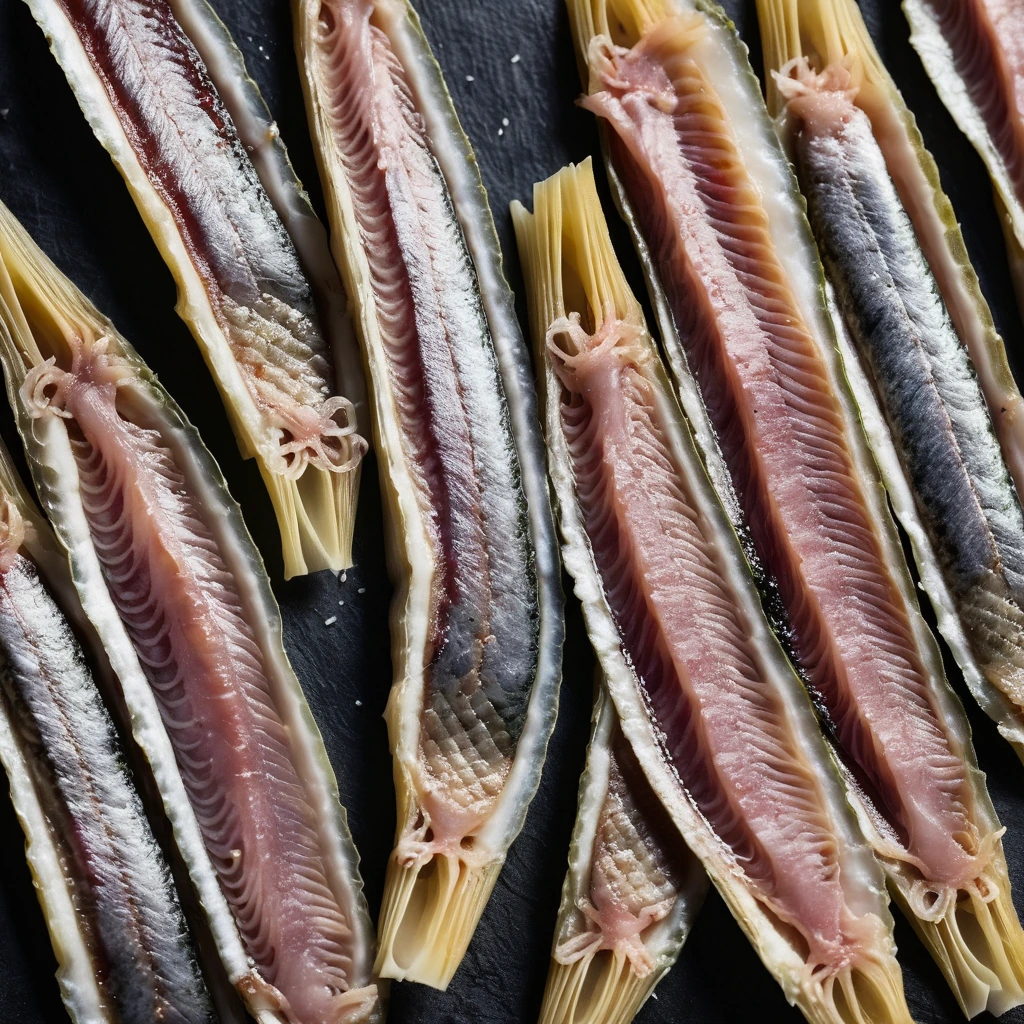
Anchovy Fillets
Silvery and succulent, anchovy fillets are a briny treasure from the sea. Their rich, umami flavor adds depth to dishes, making them a beloved ingredient in kitchens worldwide.

Anaheim Peppers
Anaheim peppers are a mild chili pepper variety named after Anaheim, California, where they were first cultivated commercially. Originating from the New Mexico region, these peppers are celebrated for their versatility and gentle heat. They possess a flavor that is mildly sweet with a subtle tang, and a pleasant vegetal note reminiscent of green bell peppers, but with a hint of spice. Their texture is firm and crisp when fresh, becoming tender and slightly smoky when roasted or cooked. In cooking, Anaheim peppers behave well across a range of techniques, from grilling and roasting to stuffing and sautéing, contributing a nuanced depth without overwhelming other ingredients with heat.
Recipes to try
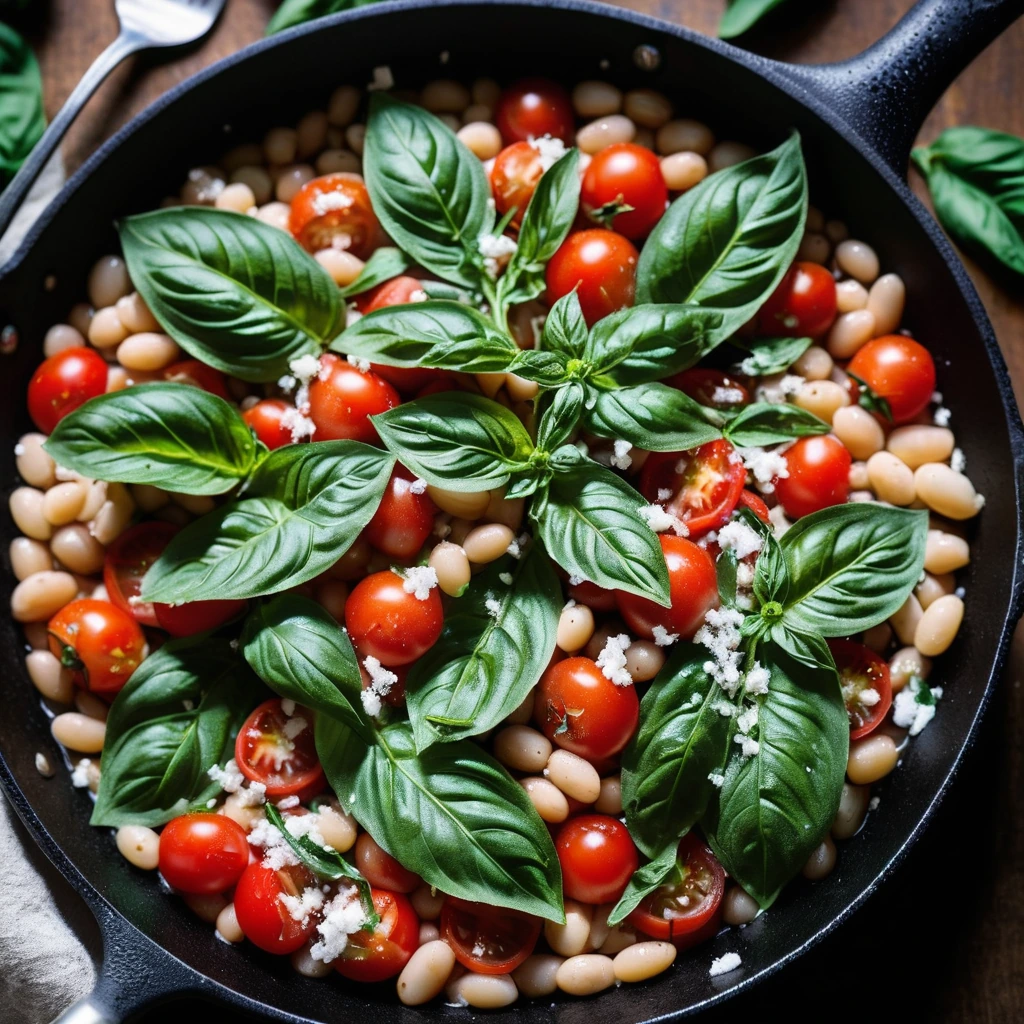
Tomato Basil White Bean Skillet with Parmesan
A comforting skillet packed with creamy white beans, ripe tomatoes, and fragrant basil, all topped with a generous sprinkle of Parmesan.
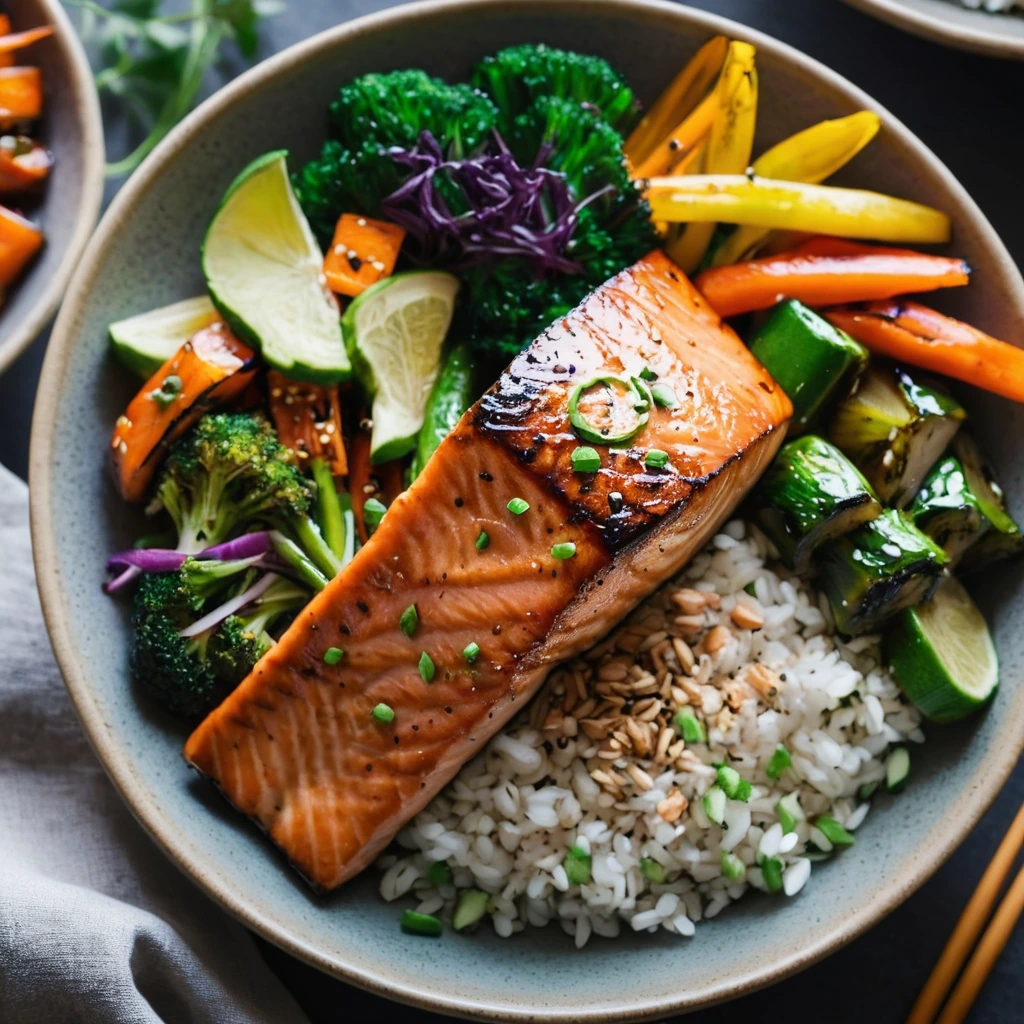
Teriyaki Glazed Salmon and Veggie Bowls
Sweet and savory teriyaki glaze coats succulent salmon fillets atop a vibrant medley of colorful veggies, creating a symphony of flavors in every bite.