Meat: Tying a Roast with Butcher's Twine
Tying a roast with butcher's twine is an essential skill for any home cook looking to achieve evenly cooked, beautifully shaped roasts. The technique ensures that your meat cooks uniformly and retains its shape during roasting, resulting in a professional presentation. Whether you're preparing a beef rib roast, a pork shoulder, or a leg of lamb, proper tying will make your dish look like it came straight from a high-end restaurant. Beyond aesthetics, tying helps control the thickness of the roast, ensuring that no part overcooks or remains undercooked. This guide will walk you through selecting the right twine, understanding the anatomy of your cut, and mastering the knot-tying techniques needed for a perfect roast. With patience and practice, you'll soon be able to tie roasts like a seasoned butcher.
Notes
Tying a roast works by compressing the meat into a uniform shape, which allows for even heat distribution and cooking. This is crucial because roasts naturally have varying thicknesses that can lead to uneven cooking if left untied. A common mistake is using twine that is too thin or synthetic, which can burn or impart off-flavors. Always use 100% cotton butcher's twine for safety and reliability. If the roast is particularly large or odd-shaped, consider using double ties at intervals for extra support. For storage, an untied roast is ideal to allow for even seasoning and refrigeration, but once tied, keep it refrigerated until ready to cook.
Steps
- 1 Select a quality cotton butcher's twine, about 1/8 inch thick.
- 2 Trim any excess fat or silver skin from the roast for even cooking.
- 3 Lay the roast on a clean work surface with the fattest side up.
- 4 Cut a length of twine about 3 to 4 times the width of the roast.
- 5 Fold the twine in half to create a loop, and place the loop under the roast near one end.
- 6 Bring the ends of the twine over the top of the roast and pull snugly to form the first tie.
- 7 Continue making ties at 1- to 2-inch intervals down the length of the roast.
- 8 For thicker sections, wrap the twine around multiple times to secure them.
- 9 After reaching the opposite end, tie a secure square knot to finish.
- 10 Trim any excess twine, leaving about 1 inch for easy removal later.
- 11 Rotate the roast 90 degrees and repeat the process on the other side.
- 12 Check the tension of the twine; it should be snug but not compressing the meat.
- 13 Place the tied roast on a rack in a roasting pan, ready for cooking.
Ingredients to explore
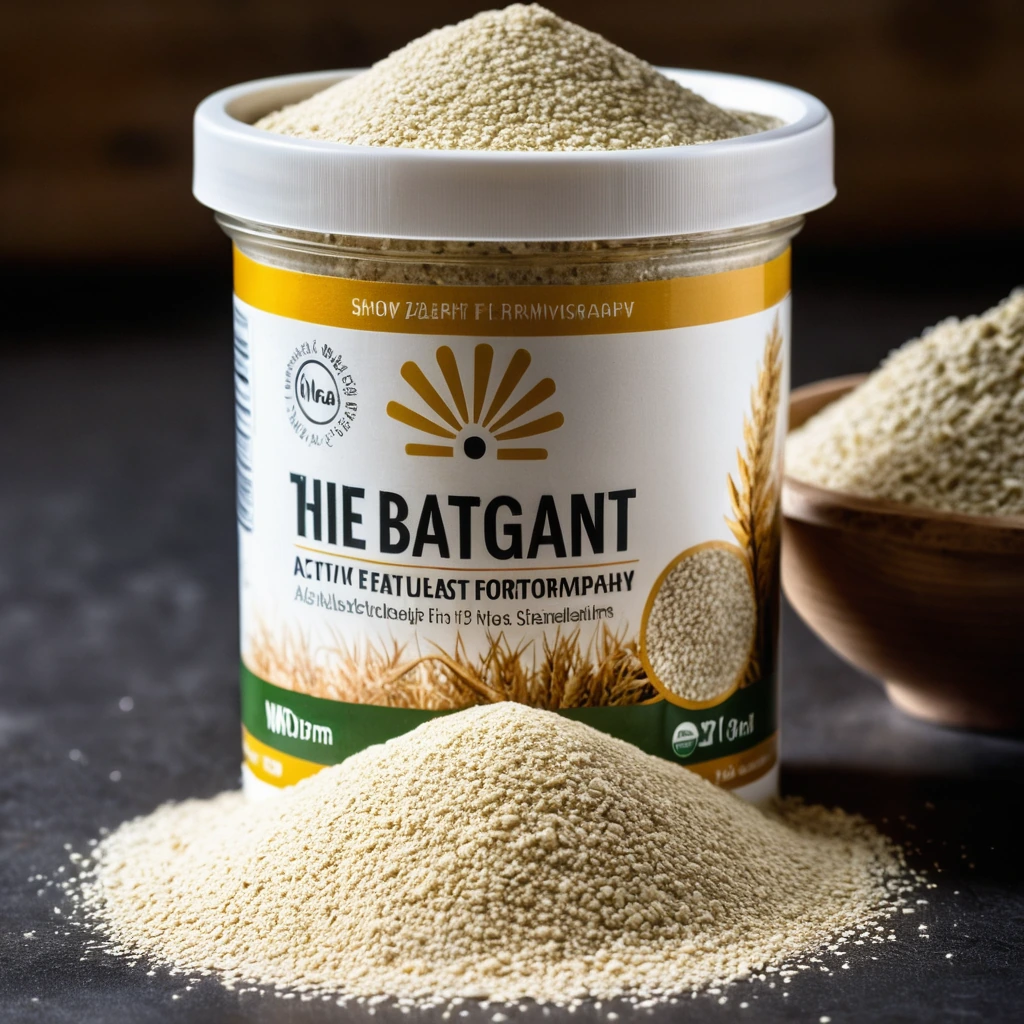
Active Dry Yeast
A fine, granulated leavening agent that brings baked goods to life with its gentle fermentation magic.
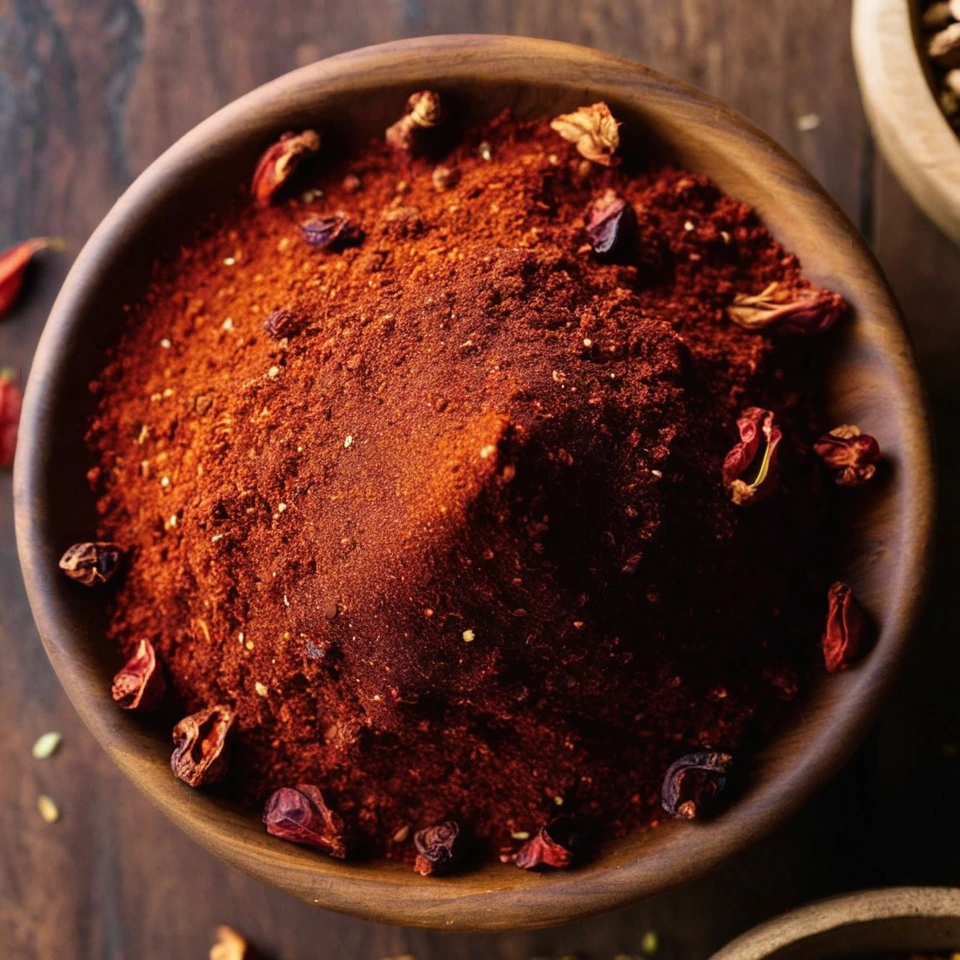
Aleppo Pepper
Aleppo pepper offers a harmonious balance of heat and sweetness, with a subtle fruity aroma reminiscent of sun-dried tomatoes and currants. Originating from the region around Aleppo, Syria, it has a fine, slightly coarse texture that shatters easily between fingers. Its mild yet complex flavor profile makes it a prized seasoning for enhancing dishes without overwhelming them. Valued for its versatility, it bridges the gap between spice and seasoning, bringing a touch of warmth and depth to a variety of cuisines.
Recipes to try
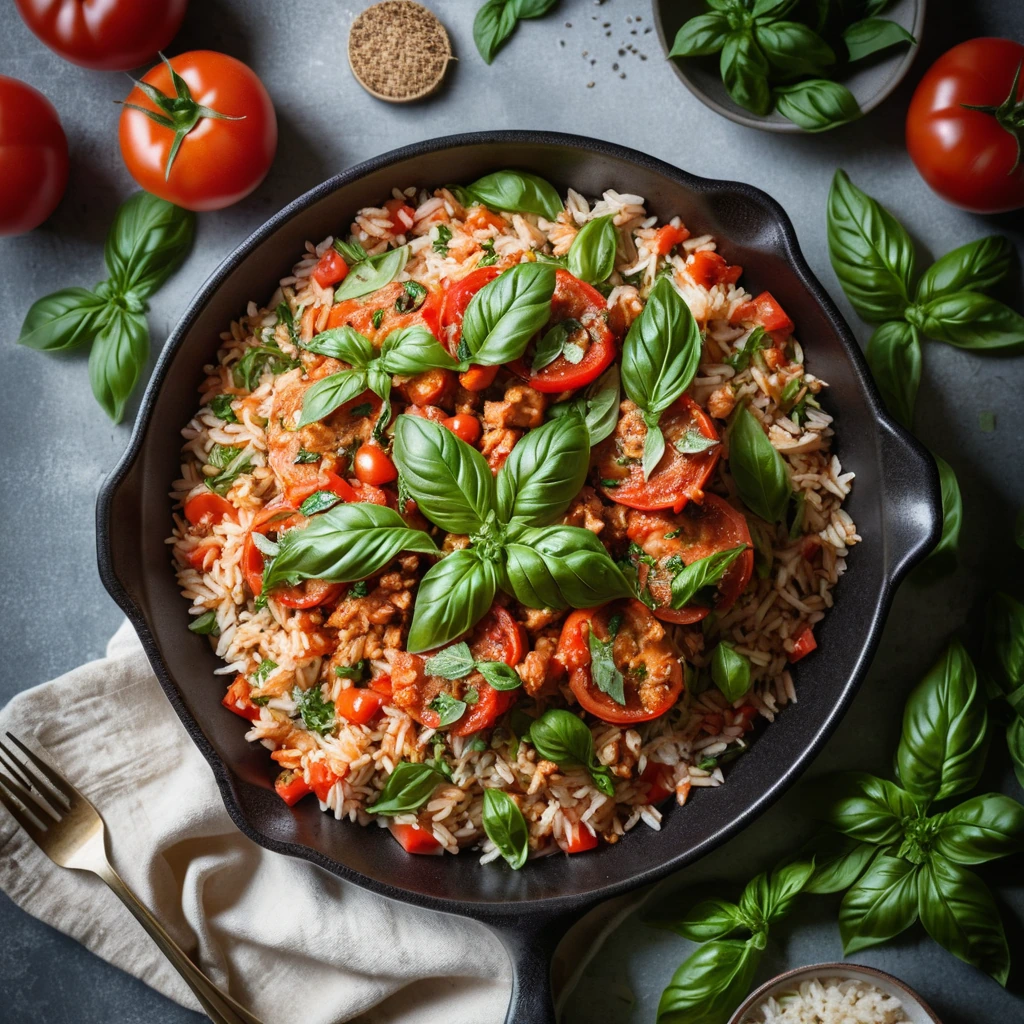
Tomato Basil Chicken and Rice Skillet
Golden chicken and fluffy rice simmered in a vibrant tomato-basil sauce, bursting with fresh garden flavors.

Lemon Garlic Butter Scallops over Rice
Tender scallops kissed with lemon and garlicky butter, served over fluffy white rice for a luxurious yet simple dinner.