Meat Technique: Pan-Roasting Steaks with Butter Basting
Pan-roasting steaks with butter basting is a technique that marries the intense sear of high-heat cooking with the rich, nutty flavor of melted butter. This method is perfect for achieving a deeply caramelized crust while keeping the interior of your steak juicy and tender. The process starts with a hot skillet to sear the steak, locking in the juices and creating a flavorful crust through the Maillard reaction. Once the steak has developed its initial sear, you reduce the heat and add aromatic ingredients like garlic and herbs into the melted butter. Continuously spooning the butter and aromatics over the steak infuses it with flavor and helps to gently finish cooking the interior to your desired doneness. Butter basting is particularly effective with thicker cuts like New York strip or ribeye, which benefit from a prolonged cooking time to reach medium-rare without drying out. The result is a steak that's richly flavored, evenly cooked, and elegantly simple to prepare. This technique is accessible to home cooks and elevates the humble steak to restaurant quality.
Notes
The science behind pan-roasting with butter basting lies in the combination of high heat for searing and gentle basting for flavor infusion. The Maillard reaction is responsible for the steak's flavorful crust, while basting helps to evenly cook the steak and impart rich buttery notes. Common mistakes include overcrowding the skillet, which lowers the temperature and inhibits proper searing, and using butter too early, which can burn due to its lower smoke point. To avoid these, ensure the skillet is hot enough before adding the steak and use oil for the initial sear. For safety, always use oven mitts when handling hot skillets and be cautious of splattering butter. This steak can be prepared in advance and refrigerated for up to 2 days; reheat gently in a warm oven to preserve its texture.
Steps
- 1 Preheat a heavy-bottomed skillet over medium-high heat until it is very hot.
- 2 Pat the steaks dry with paper towels and season generously with salt and pepper.
- 3 Add a high smoke point oil to the skillet, then sear the steaks for 2-3 minutes per side to form a crust.
- 4 Transfer the skillet to a preheated oven at 400°F for 3-5 minutes, depending on thickness and desired doneness.
- 5 While the steak is in the oven, melt 4 tablespoons of unsalted butter in a small saucepan over medium heat.
- 6 Add aromatics like 2 cloves of smashed garlic and a few sprigs of fresh thyme to the melted butter.
- 7 Once the steak reaches your desired doneness, remove it from the oven and place it back on the stovetop over medium heat.
- 8 Tilt the skillet and spoon the melted butter and aromatics over the steak continuously for 1-2 minutes.
- 9 Use a meat thermometer to ensure the steak reaches an internal temperature of 130-135°F for medium-rare.
- 10 Transfer the steak to a cutting board and let it rest for 5-10 minutes before slicing.
- 11 Discard any remaining butter mixture after use.
- 12 Serve the steak immediately, garnished with additional herbs if desired.
Ingredients to explore
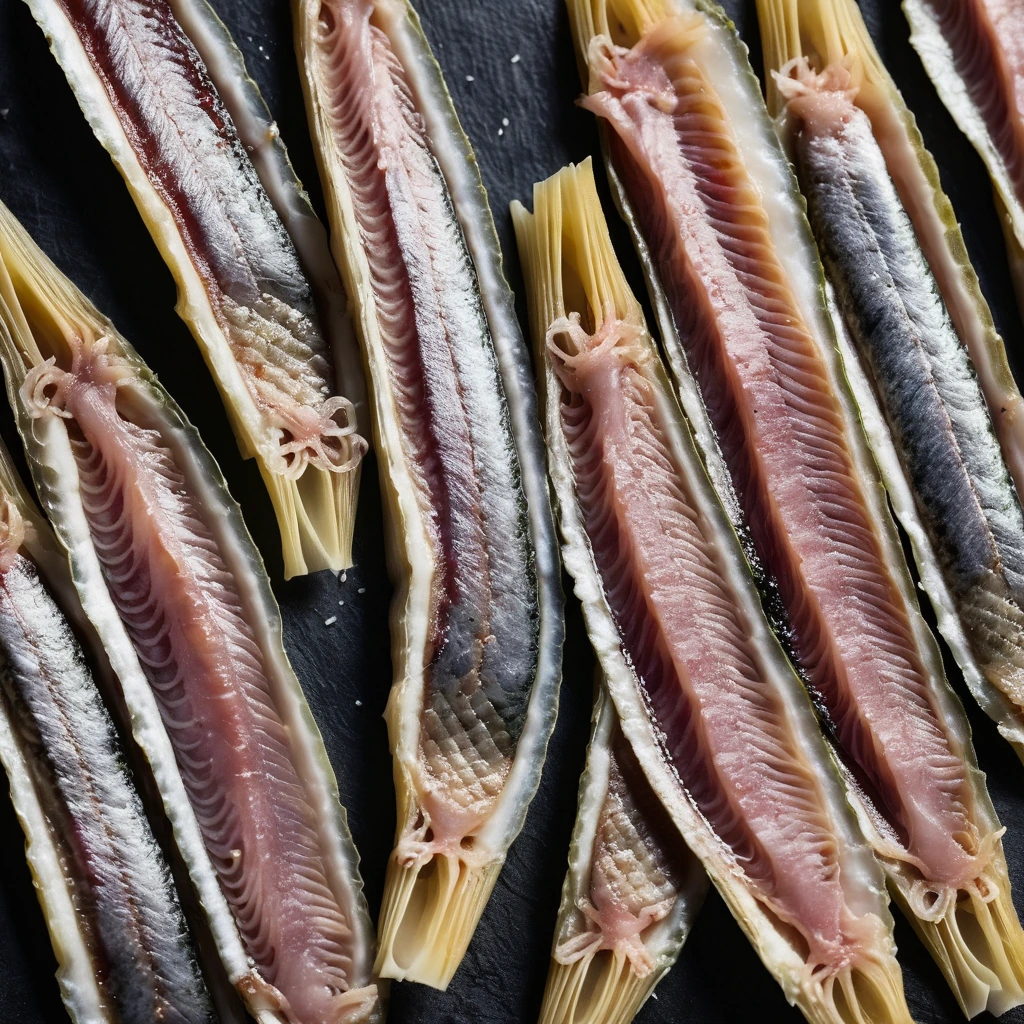
Anchovy Fillets
Silvery and succulent, anchovy fillets are a briny treasure from the sea. Their rich, umami flavor adds depth to dishes, making them a beloved ingredient in kitchens worldwide.
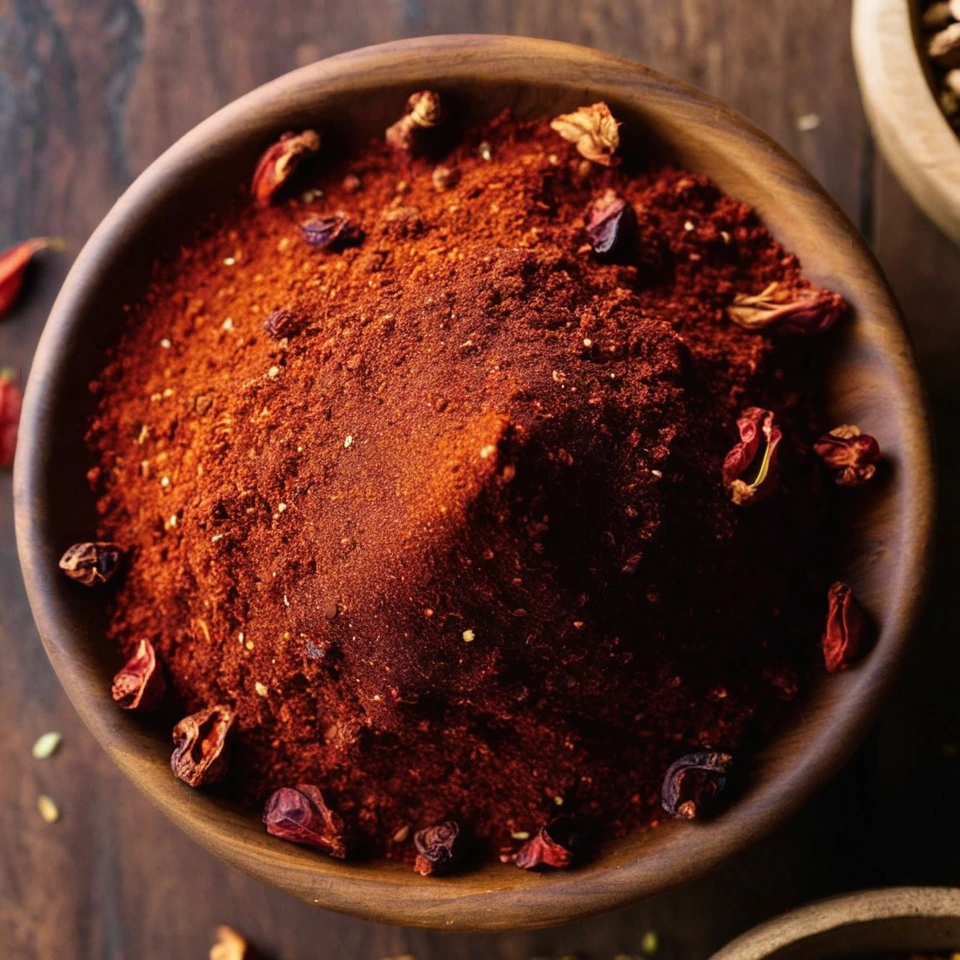
Aleppo Pepper
Aleppo pepper offers a harmonious balance of heat and sweetness, with a subtle fruity aroma reminiscent of sun-dried tomatoes and currants. Originating from the region around Aleppo, Syria, it has a fine, slightly coarse texture that shatters easily between fingers. Its mild yet complex flavor profile makes it a prized seasoning for enhancing dishes without overwhelming them. Valued for its versatility, it bridges the gap between spice and seasoning, bringing a touch of warmth and depth to a variety of cuisines.
Recipes to try
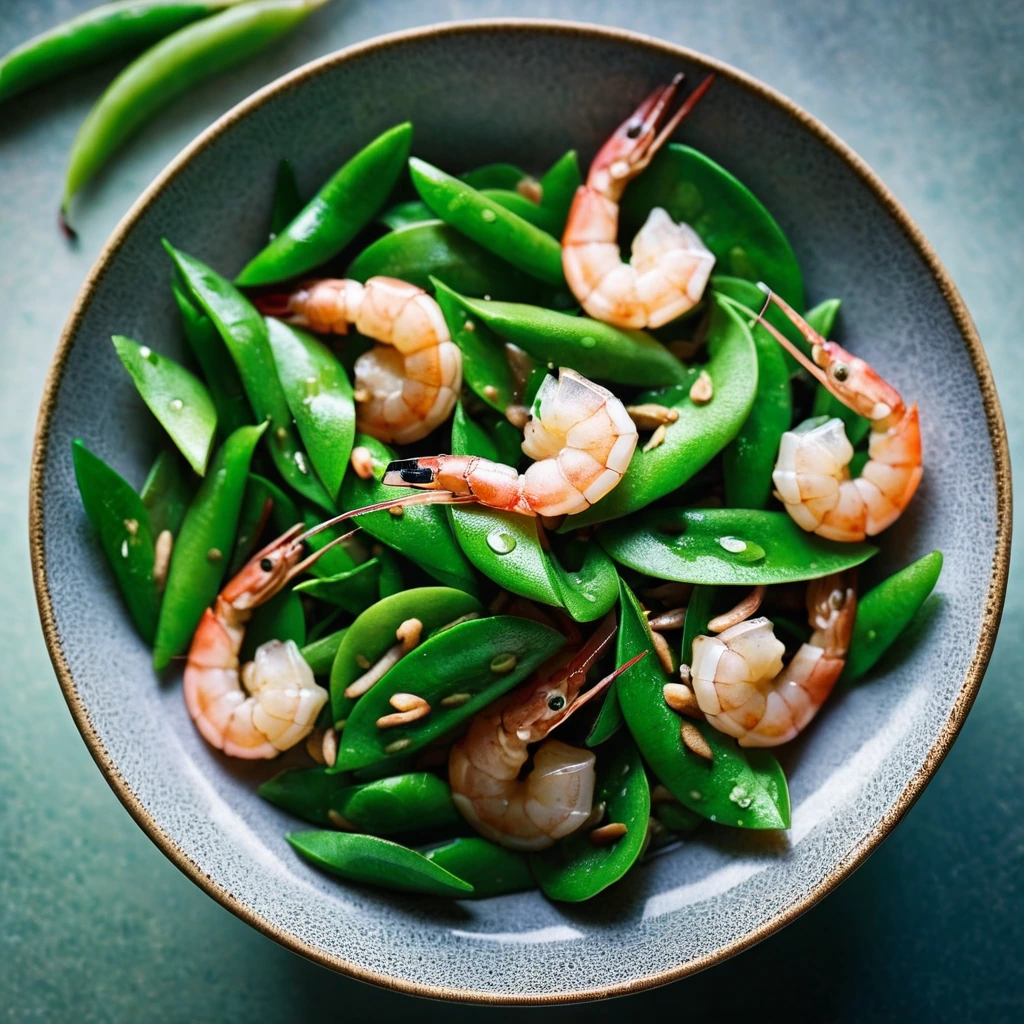
Shrimp and Snow Pea Stir Fry with Ginger
Succulent shrimp and crisp snow peas dance together in a fragrant, ginger-infused stir fry that's quick, zesty, and utterly satisfying.
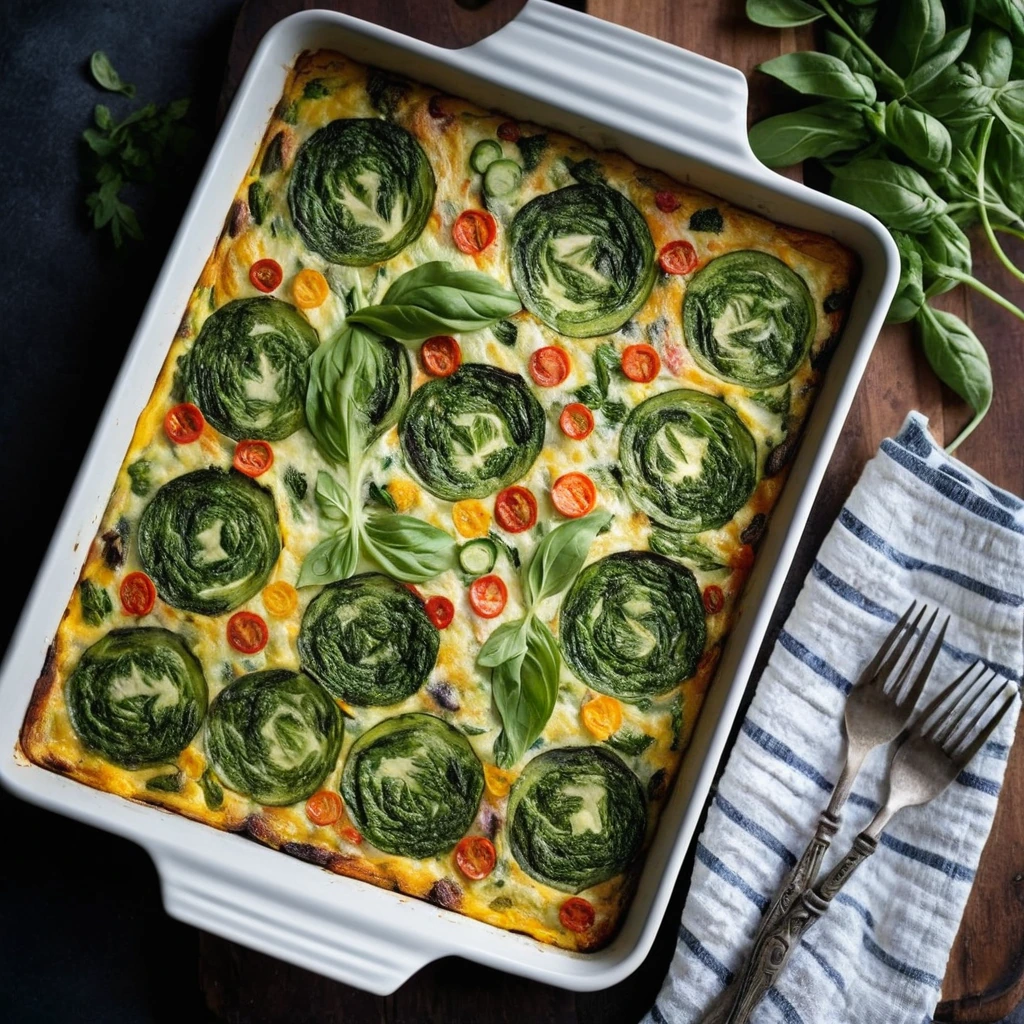
Veggie and Cheese Sheet Pan Frittata
Imagine a golden, bubbly frittata loaded with colorful veggies and melty cheese, all baked to perfection on a single sheet pan.