Meat Technique: Deglazing Roast Pans into Silky Gravies
Deglazing is a culinary technique that transforms the caramelized bits stuck to the bottom of your roasting pan into a rich, silky gravy. These flavorful remnants, known as fond, are the essence of whatever you've just roasted – be it beef, pork, or chicken. By adding a liquid and scraping them up, you unlock deep, savory notes that can elevate any meal. The key to a successful deglaze is patience and precision. Start by selecting the right liquid – wine, stock, or even broth – that complements your dish. The liquid not only lifts the browned bits but also infuses with their flavor. The process requires gentle heat to avoid burning the fond while allowing the liquid to reduce, concentrating the flavors. Whisk or stir continuously to ensure a smooth, lump-free sauce. Thicken the mixture with a roux or cornstarch slurry for a velvety finish. Achieving the perfect gravy requires balancing reduction and thickening, resulting in a sauce that's neither too thin nor too thick. Understanding the timing of each step is crucial. Too quick a reduction can lead to a bitter taste, while too slow might dilute the flavors. The ideal gravy is glossy, coats the back of a spoon, and enhances rather than overwhelms the main dish. This technique is not just about creating a sauce; it's about capturing and amplifying the essence of your roasted meats, ensuring nothing goes to waste and every meal is memorable.
Notes
Deglazing works because the liquid dissolves the caramelized proteins and sugars that stuck to the pan, creating a flavorful base for your gravy. The Maillard reaction is responsible for those tasty browned bits. To avoid burning, ensure the heat is not too high when you start deglazing. A common mistake is adding the liquid too quickly, which can lead to splattering and uneven deglazing. Safety-wise, be cautious of steam and hot splatters when adding the liquid to a hot pan. For make-ahead, prepare the gravy and store it in the fridge for up to 3 days or freeze for up to 3 months. Reheat gently to avoid separation.
Steps
- 1 Remove roasted meat from the pan and set aside to rest.
- 2 Place the roasting pan on two burners over medium heat.
- 3 Add 1/2 cup of liquid (wine, stock, or broth) to the pan.
- 4 Use a wooden spoon to scrape up the browned bits from the bottom of the pan.
- 5 Simmer the liquid until it reduces by half, about 5-7 minutes.
- 6 Whisk in 1 tablespoon of butter to enrich the sauce, if desired.
- 7 Prepare a cornstarch slurry with 1 tablespoon cornstarch and 2 tablespoons cold water.
- 8 Gradually whisk the slurry into the pan, stirring constantly.
- 9 Continue to cook until the gravy thickens and coats the back of a spoon, about 2-3 minutes.
- 10 Season with salt and pepper to taste.
- 11 Strain the gravy through a fine-mesh sieve into a serving pitcher.
- 12 Discard any solids left in the sieve.
- 13 Taste and adjust seasoning if necessary before serving.
Ingredients to explore
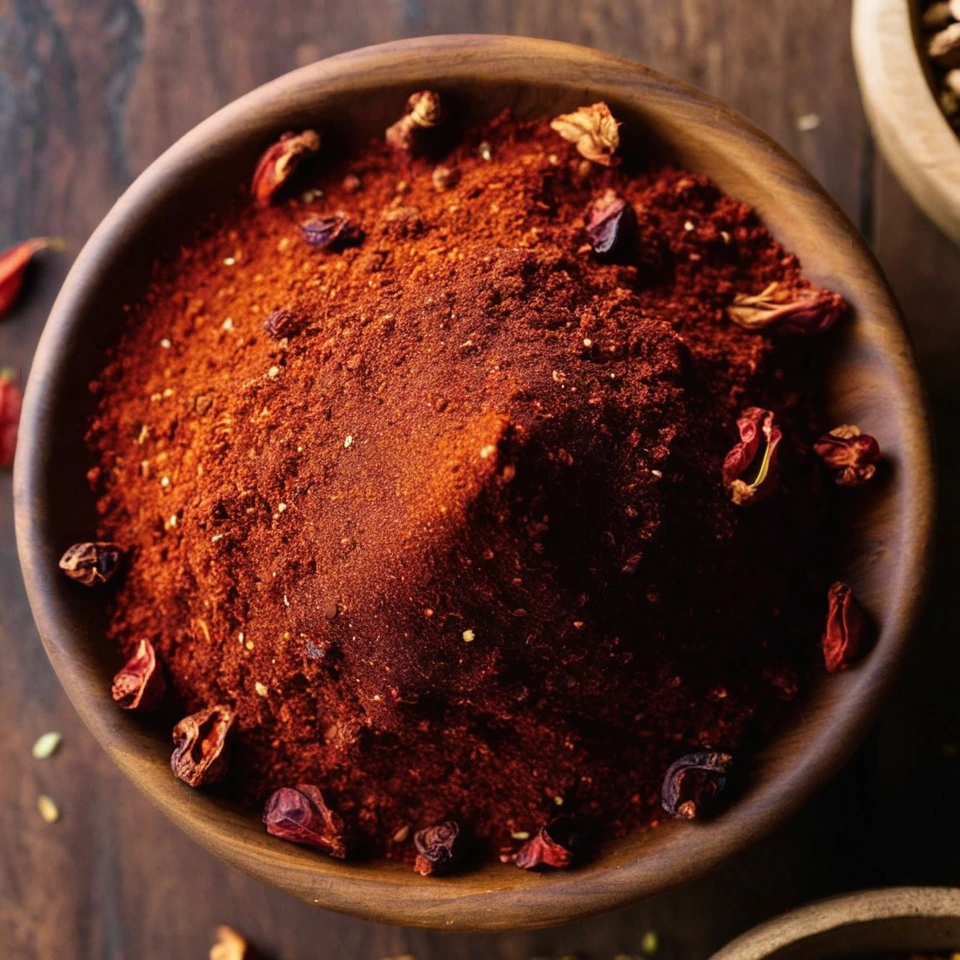
Aleppo Pepper
Aleppo pepper offers a harmonious balance of heat and sweetness, with a subtle fruity aroma reminiscent of sun-dried tomatoes and currants. Originating from the region around Aleppo, Syria, it has a fine, slightly coarse texture that shatters easily between fingers. Its mild yet complex flavor profile makes it a prized seasoning for enhancing dishes without overwhelming them. Valued for its versatility, it bridges the gap between spice and seasoning, bringing a touch of warmth and depth to a variety of cuisines.

Andouille Sausage
Andouille sausage is a coarse-grained, smoked pork sausage with a rich history rooted in French cuisine, particularly from the Alsace region. It was adapted in Louisiana, where it became a staple in Cajun and Creole cooking. The sausage is known for its robust, smoky flavor with hints of garlic, pepper, and other spices, creating a spicy and savory profile. Its texture is firm yet slightly chewy, making it a hearty addition to dishes. When cooked, andouille sausage maintains its shape well and infuses dishes with its distinctive smoky essence, enhancing stews, soups, and rice dishes.
Recipes to try
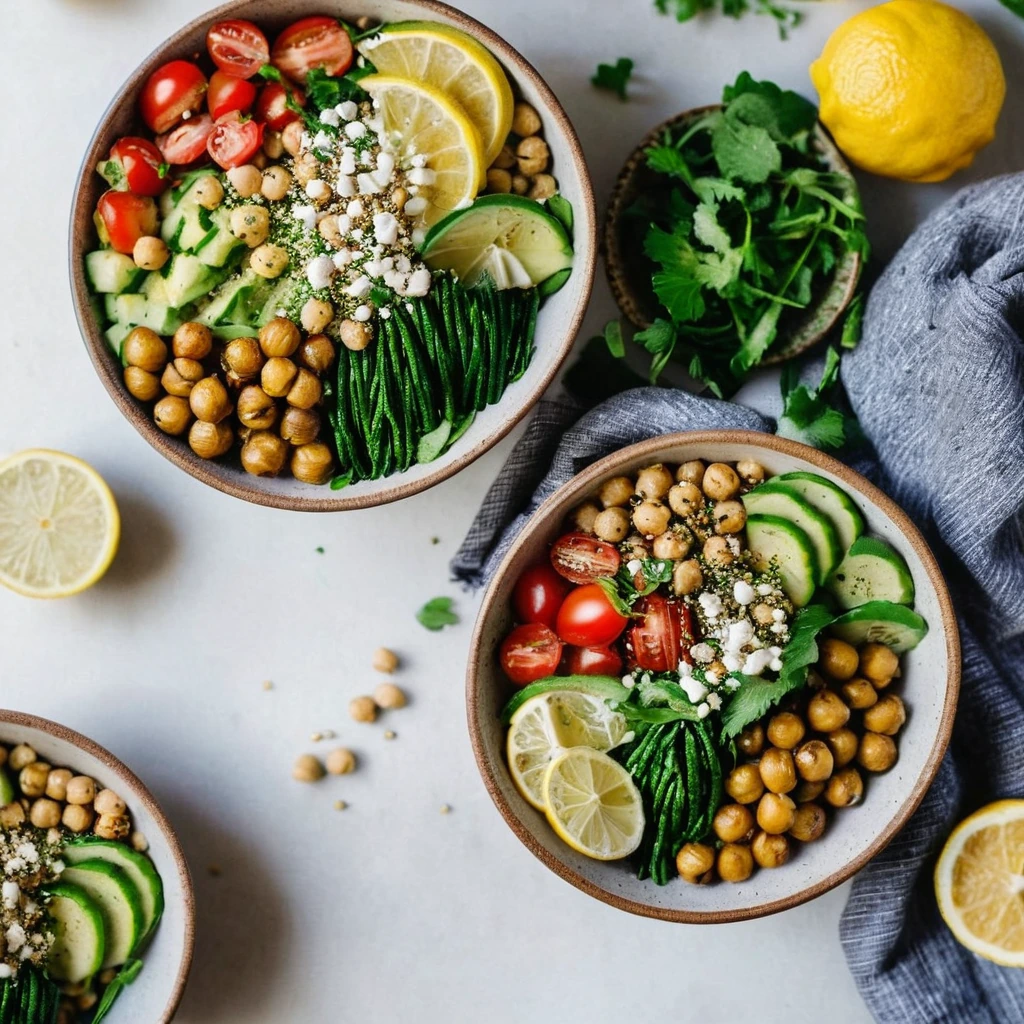
Mediterranean Chickpea Bowls with Lemon Tahini
A vibrant medley of textures and flavors, these bowls are packed with lemony tahini drizzle and fresh Mediterranean herbs.
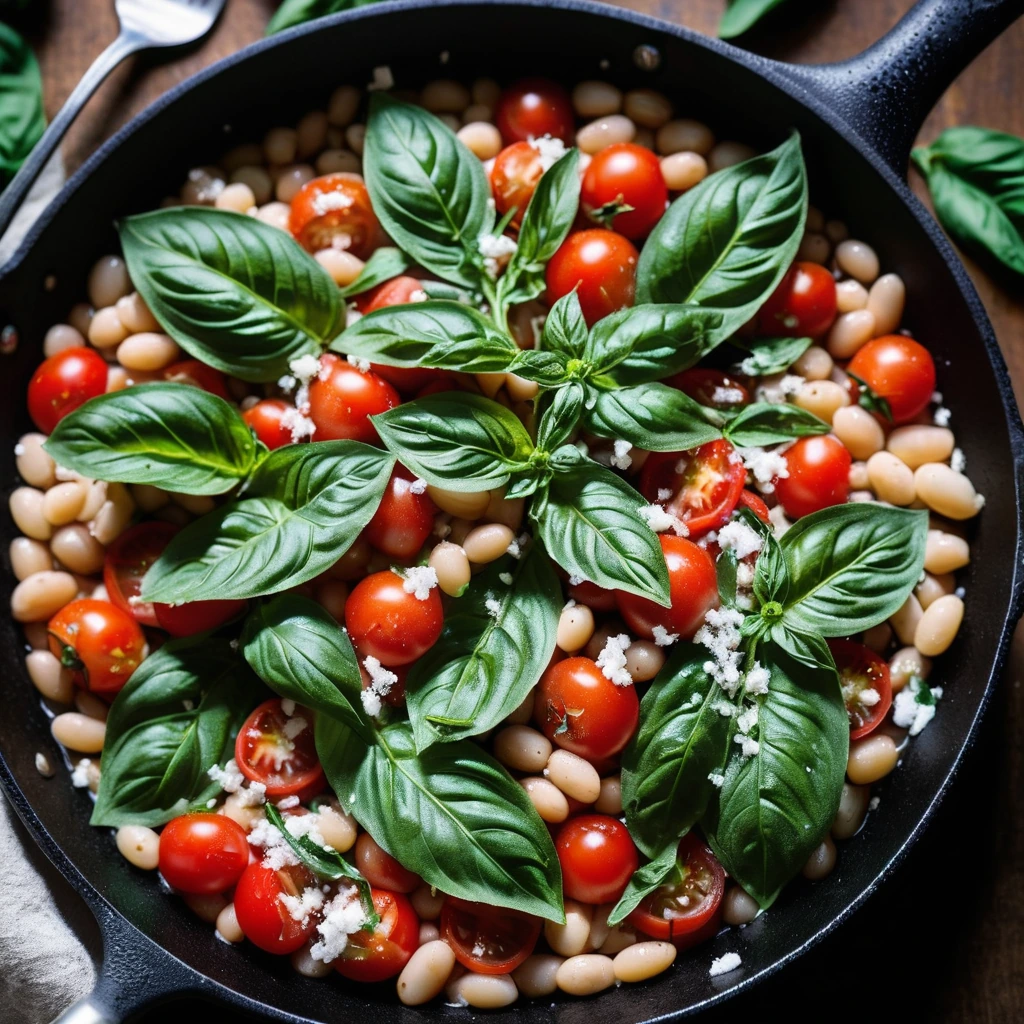
Tomato Basil White Bean Skillet with Parmesan
A comforting skillet packed with creamy white beans, ripe tomatoes, and fragrant basil, all topped with a generous sprinkle of Parmesan.