Meat & Poultry: Using Spice Pastes Instead of Dry Rubs
Unlocking the full potential of your meat and poultry dishes doesn’t always require a dry rub. Spice pastes offer a deeply flavorful alternative that can transform ordinary proteins into extraordinary meals. Unlike dry rubs that sit on the surface, spice pastes penetrate the meat, infusing it with layers of flavor. The moisture in the paste helps tenderize the meat, while the spices meld together to create a harmonious taste profile. This technique is particularly beneficial for tougher cuts, as the paste can help break down proteins and fibers, resulting in a more succulent and flavorful outcome. Additionally, spice pastes can add complexity to your dishes without the need for lengthy marinades. Whether you're grilling, roasting, or pan-searing, incorporating a spice paste is a simple yet impactful way to elevate your cooking. This method is versatile, accommodating a wide range of cuisines, from Indian curries to Middle Eastern kebabs. Understanding how to properly use spice pastes can turn your everyday cooking into a gourmet experience, making your dishes sing with flavor.
Notes
The science behind spice pastes lies in their ability to act as both a flavor enhancer and a tenderizer. The moisture in the paste helps to break down meat fibers, while the spices infuse their essence throughout. A common mistake is using too much paste, which can overpower the natural taste of the meat. Adjust the quantity based on the size of your cut. Ensure your paste is smooth to avoid uneven application. For safety, always marinate meat in the refrigerator to prevent bacterial growth. Spice pastes can be prepared ahead of time and stored in an airtight container in the fridge for up to a week, allowing you to plan meals with ease.
Steps
- 1 Select your base ingredients: oil, water, yogurt, or citrus juice.
- 2 Choose your spices: consider garlic, ginger, chili powder, turmeric, cumin, and coriander.
- 3 In a bowl, combine the base ingredients with the spices to form a smooth paste.
- 4 Taste and adjust the seasoning with salt and additional spices as needed.
- 5 Pat your meat or poultry dry with paper towels to ensure better paste adherence.
- 6 Coat the meat thoroughly with the spice paste, using your hands or a brush.
- 7 Let the meat rest at room temperature for 30 minutes to allow flavors to penetrate.
- 8 For deeper flavor, marinate in the refrigerator for 2 to 24 hours.
- 9 Preheat your grill, oven, or pan to the desired cooking temperature.
- 10 Cook the meat, ensuring even heat distribution for optimal results.
- 11 Use a meat thermometer to check for doneness: 165°F for poultry, 145°F for beef, pork, or lamb.
- 12 Rest the meat for 10 minutes before slicing to retain juices.
- 13 Serve immediately, enjoying the depth of flavor imparted by the spice paste.
Ingredients to explore
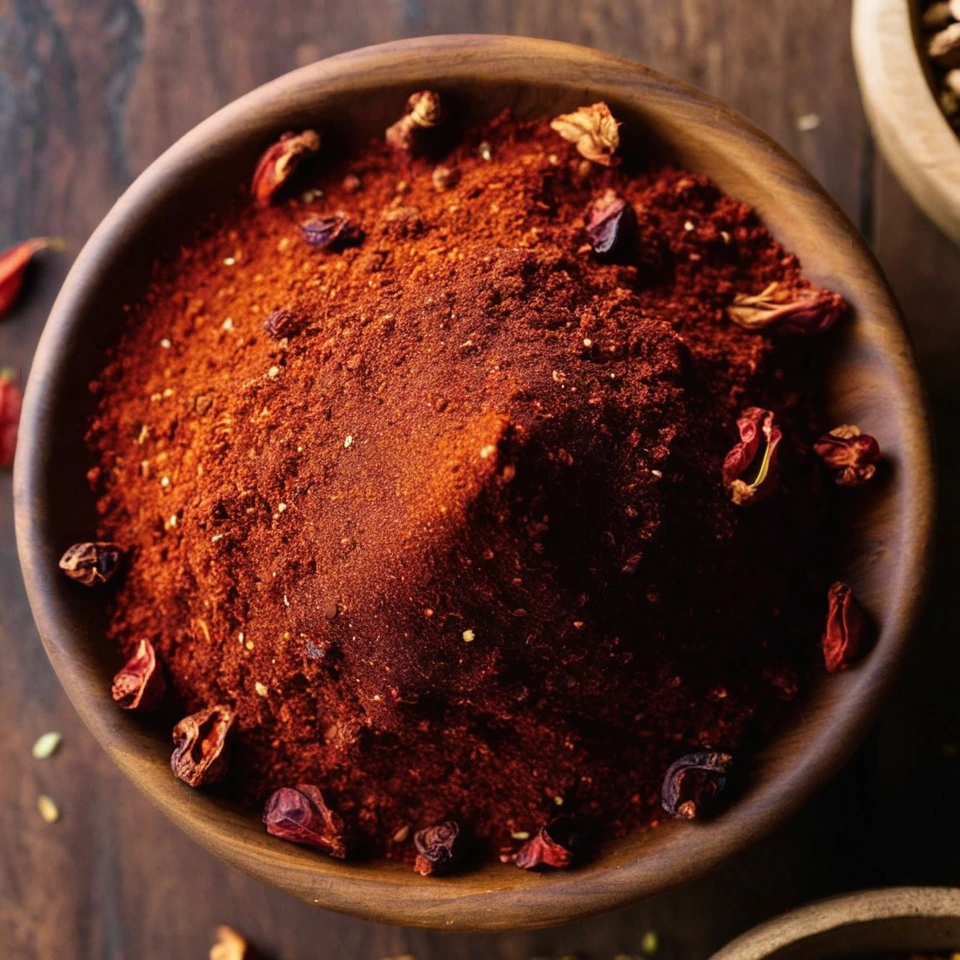
Aleppo Pepper
Aleppo pepper offers a harmonious balance of heat and sweetness, with a subtle fruity aroma reminiscent of sun-dried tomatoes and currants. Originating from the region around Aleppo, Syria, it has a fine, slightly coarse texture that shatters easily between fingers. Its mild yet complex flavor profile makes it a prized seasoning for enhancing dishes without overwhelming them. Valued for its versatility, it bridges the gap between spice and seasoning, bringing a touch of warmth and depth to a variety of cuisines.

Anaheim Peppers
Anaheim peppers are a mild chili pepper variety named after Anaheim, California, where they were first cultivated commercially. Originating from the New Mexico region, these peppers are celebrated for their versatility and gentle heat. They possess a flavor that is mildly sweet with a subtle tang, and a pleasant vegetal note reminiscent of green bell peppers, but with a hint of spice. Their texture is firm and crisp when fresh, becoming tender and slightly smoky when roasted or cooked. In cooking, Anaheim peppers behave well across a range of techniques, from grilling and roasting to stuffing and sautéing, contributing a nuanced depth without overwhelming other ingredients with heat.
Recipes to try
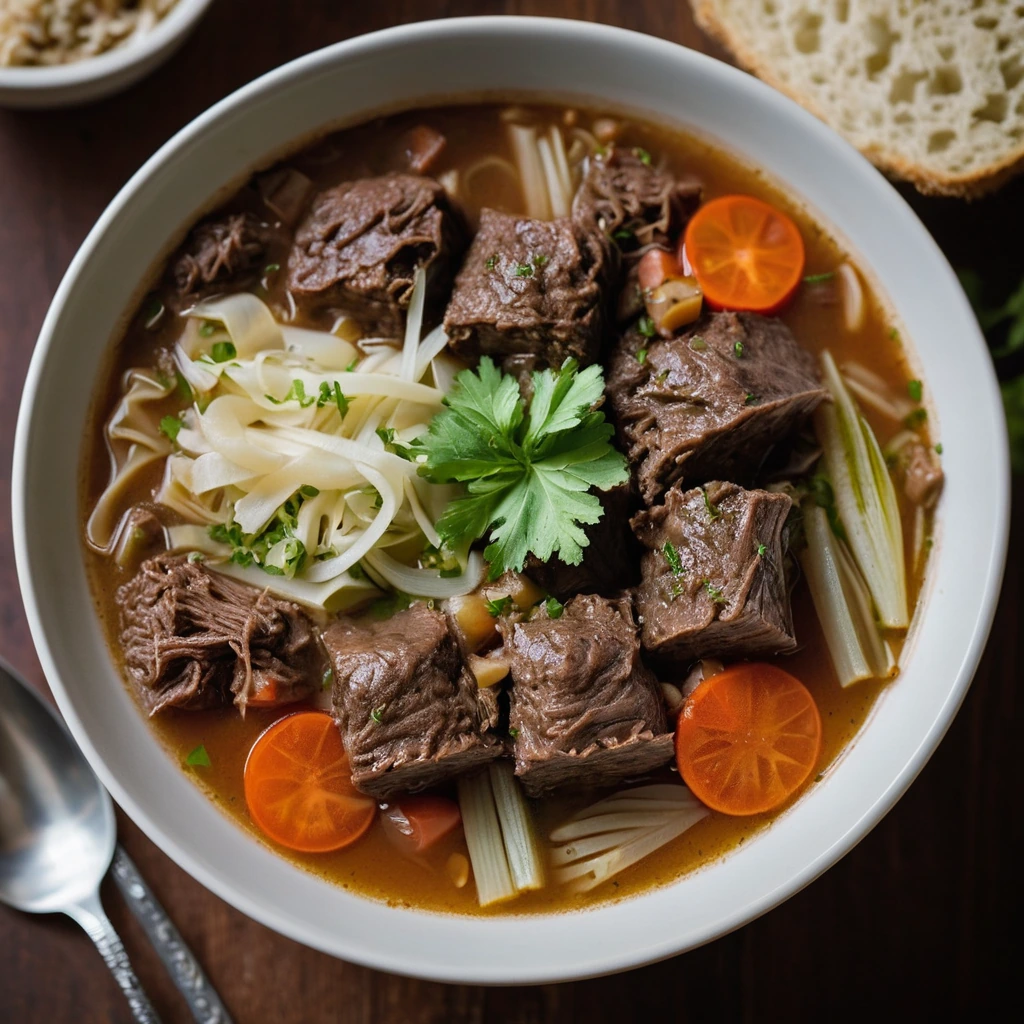
Stuffed Cabbage Roll Inspired Beef Soup
Warm up with this hearty soup that nods to classic stuffed cabbage rolls, brimming with tender beef and savory broth.
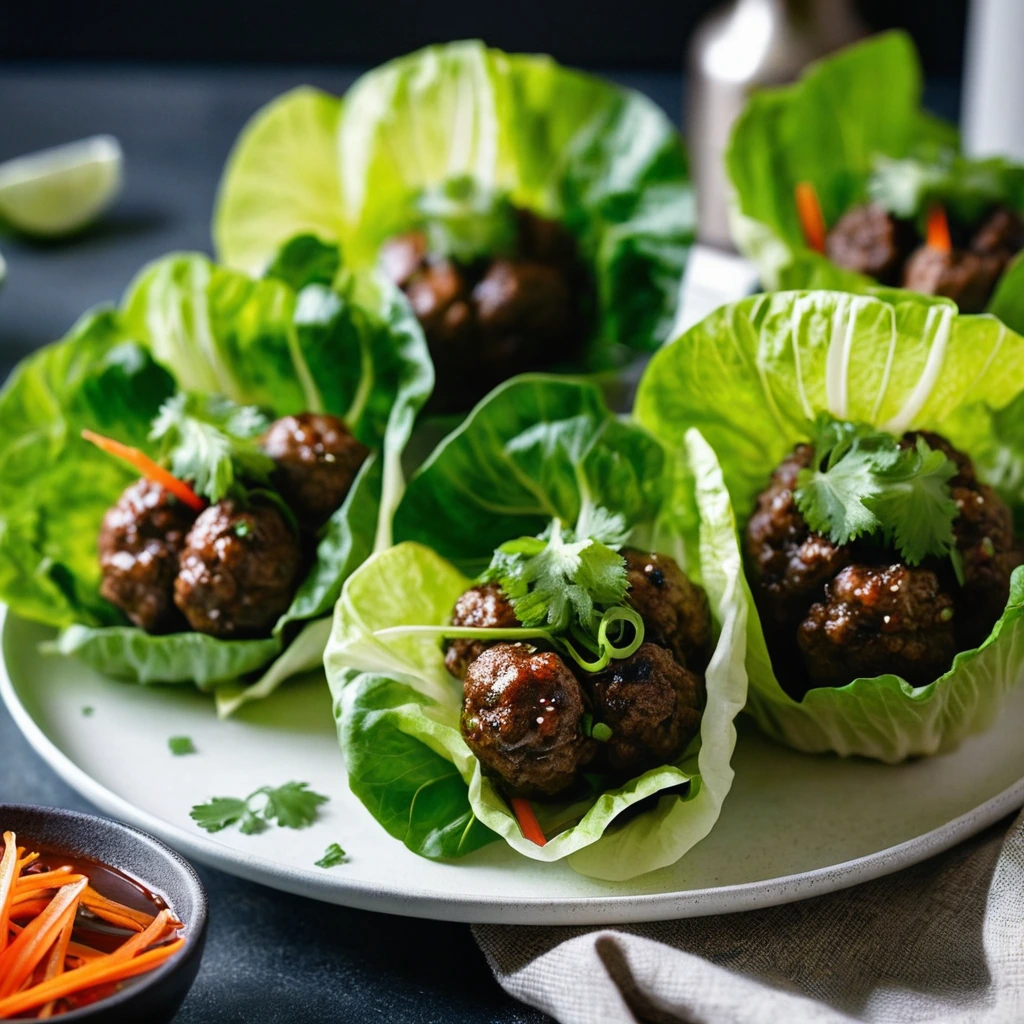
Sweet Chili Glazed Meatball Lettuce Wraps
Juicy meatballs cloaked in a sticky-sweet chili glaze, nestled in crisp lettuce cups for a flavor explosion with every bite.