Meal Prep: Using Clear Containers for Visibility
Meal prepping is an art that combines efficiency, creativity, and organization. One of the most unsung heroes in this culinary ballet is the clear container. These transparent vessels are not just storage units; they are your visual inventory system, helping you keep track of your prepped meals with ease. By allowing you to see exactly what’s inside without rummaging through opaque bins, clear containers streamline your meal prep routine. They help maintain food freshness by providing airtight seals and stackability, maximizing your fridge or pantry space. Moreover, they play a crucial role in portion control, making it easier to adhere to dietary goals. The clarity of these containers also serves as a motivational tool, showcasing your culinary efforts and making healthy eating visually appealing. From planning your meals to storing leftovers, clear containers are a simple yet effective tool for anyone looking to elevate their meal prep game. They are especially beneficial for busy individuals or families who need to plan ahead to ensure nutritious meals are always within reach. By choosing the right size and type of clear container, you can optimize your meal prep process, reduce waste, and enjoy the satisfaction of seeing your organized efforts every time you open your fridge.
Notes
The science behind using clear containers is straightforward: visibility reduces guesswork and helps maintain an organized meal prep routine. When you can see what’s inside, you’re less likely to overlook items, reducing food waste. However, common mistakes include not letting food cool before sealing, which can lead to condensation and spoilage, and improper storage, causing containers to become disorganized. Safety is key, so ensure lids are securely fastened to maintain freshness and prevent leaks. For make-ahead meals, most dishes can be prepared up to 3-4 days in advance, though some ingredients like leafy greens are best added fresh. Store containers in a cool, dry place or in the refrigerator depending on the meal's perishability.
Steps
- 1 Select clear containers with airtight lids to preserve freshness.
- 2 Choose container sizes based on portion needs and fridge space.
- 3 Label each container with the meal name and date of preparation.
- 4 Allow hot foods to cool to room temperature before sealing in containers.
- 5 Stack containers efficiently to maximize storage space.
- 6 Place containers in the most accessible areas of your fridge or pantry.
- 7 Check containers regularly for freshness and consume meals within safe time frames.
- 8 Clean containers thoroughly after each use to prevent cross-contamination.
Ingredients to explore
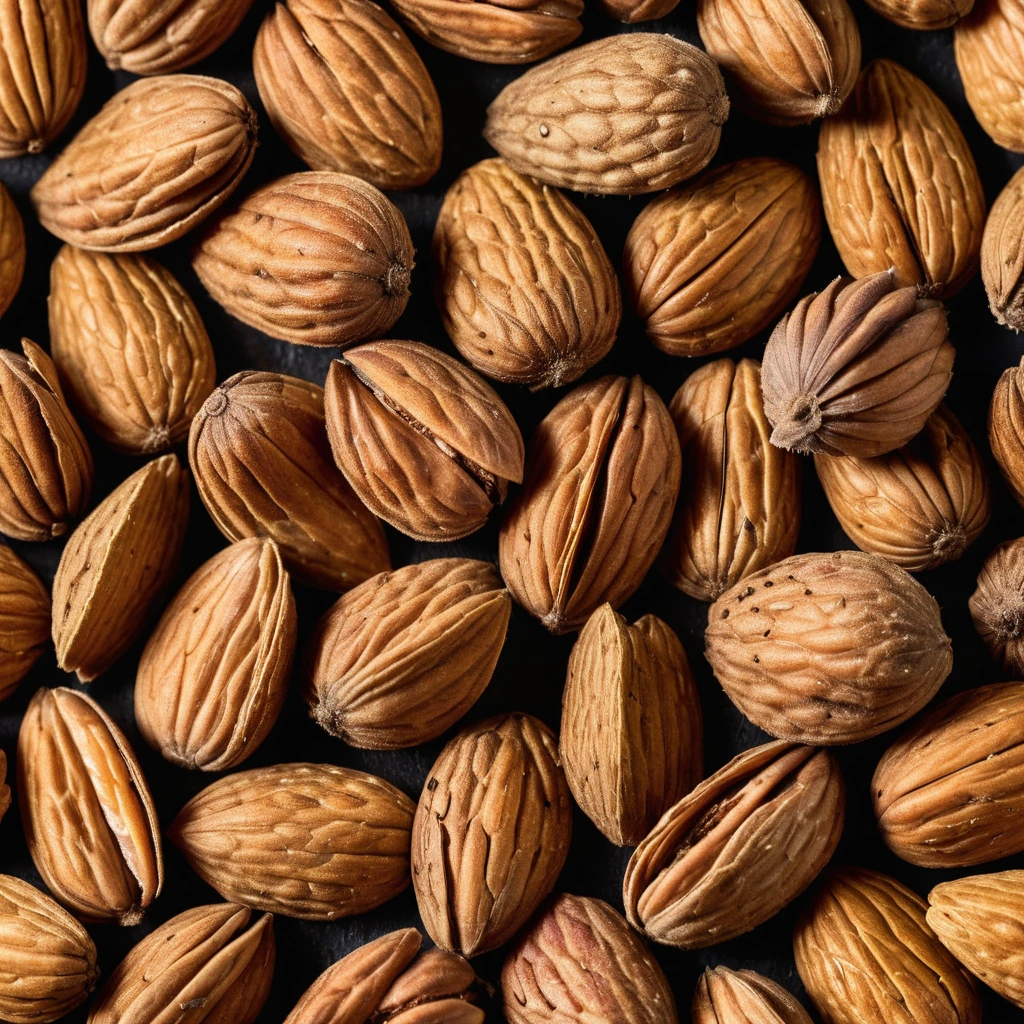
Almonds
With their golden-brown hue and delicate, edible skin, almonds are a crunchy delight. These versatile nuts boast a rich, buttery flavor that adds depth to both sweet and savory dishes.
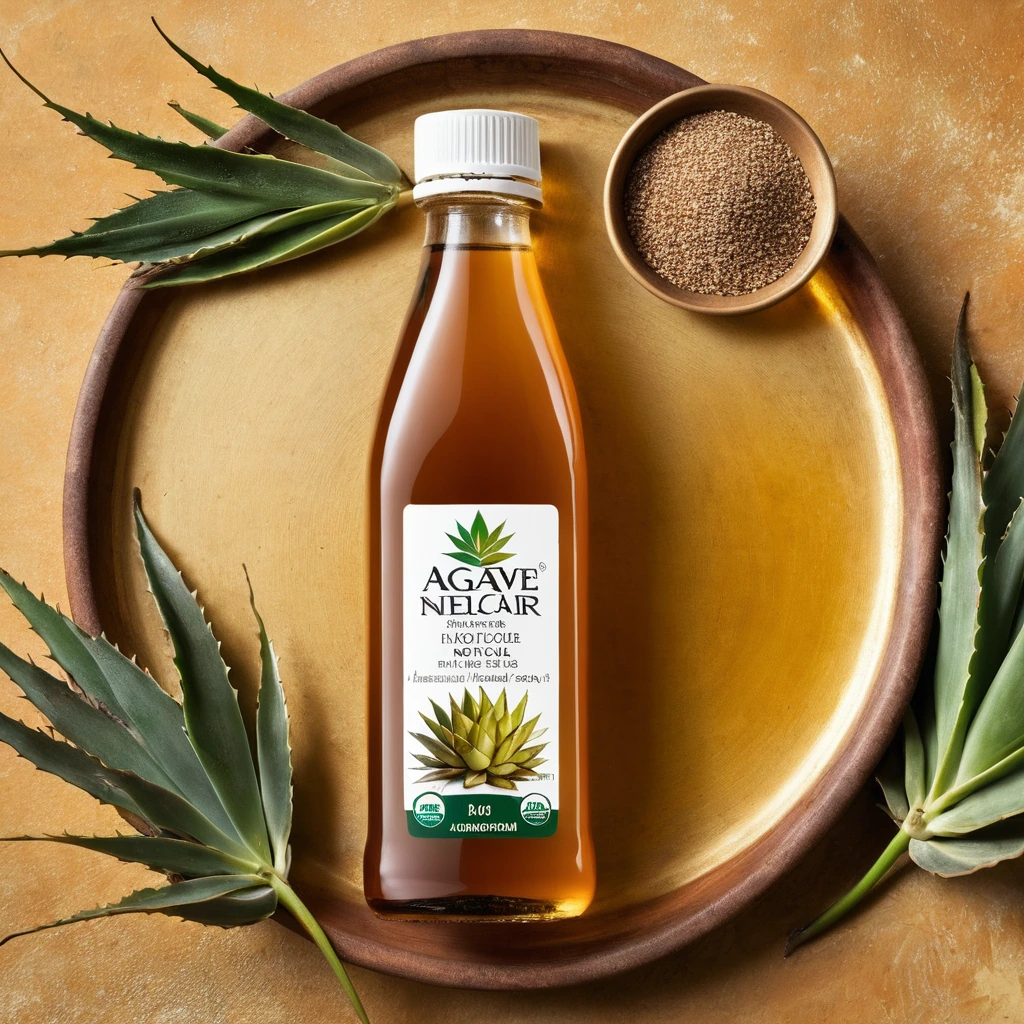
Agave Nectar
A golden, velvety sweetener derived from the agave plant, offering a subtly sweet flavor with a smooth, syrup-like texture.
Recipes to try
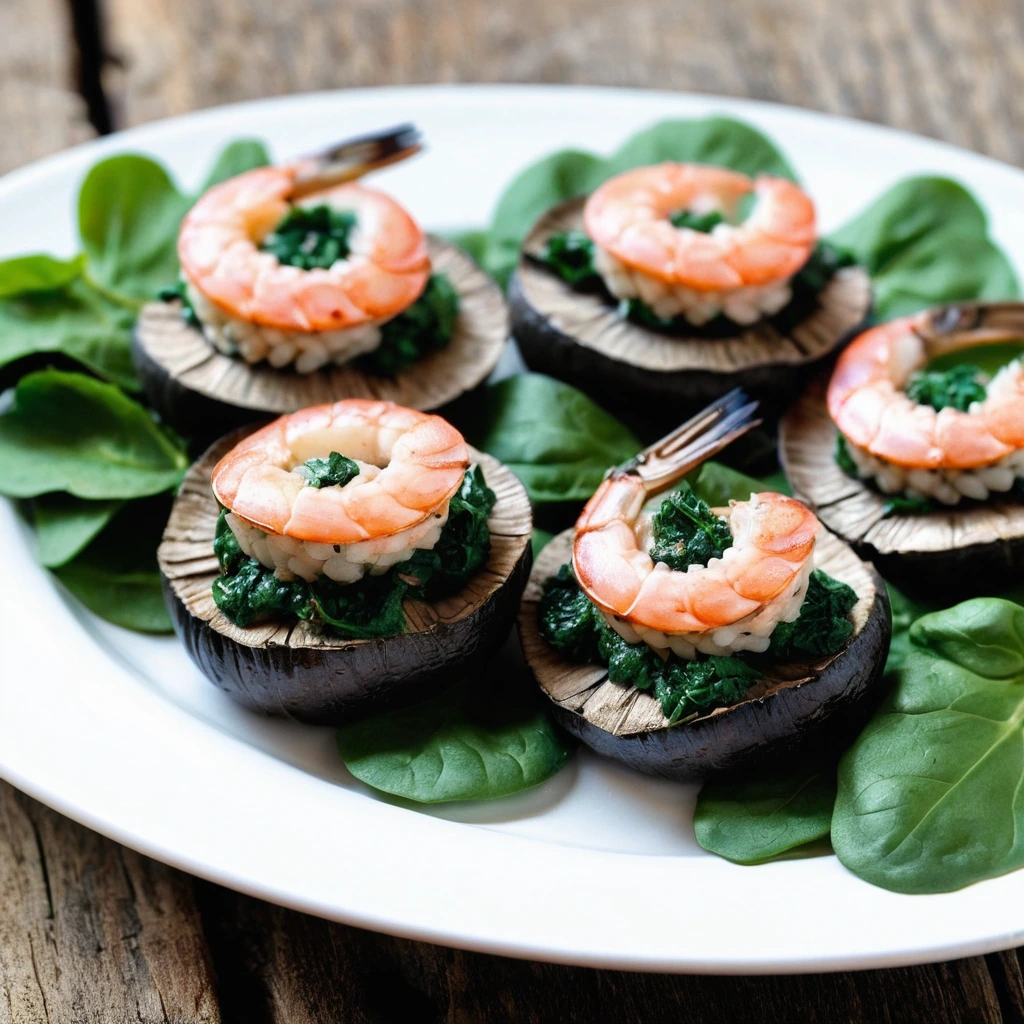
Shrimp and Spinach Stuffed Portobellos
Tender shrimp mingles with sautéed spinach in a savory filling, nestled inside roasted portobello mushrooms for a satisfying vegetarian-friendly main.
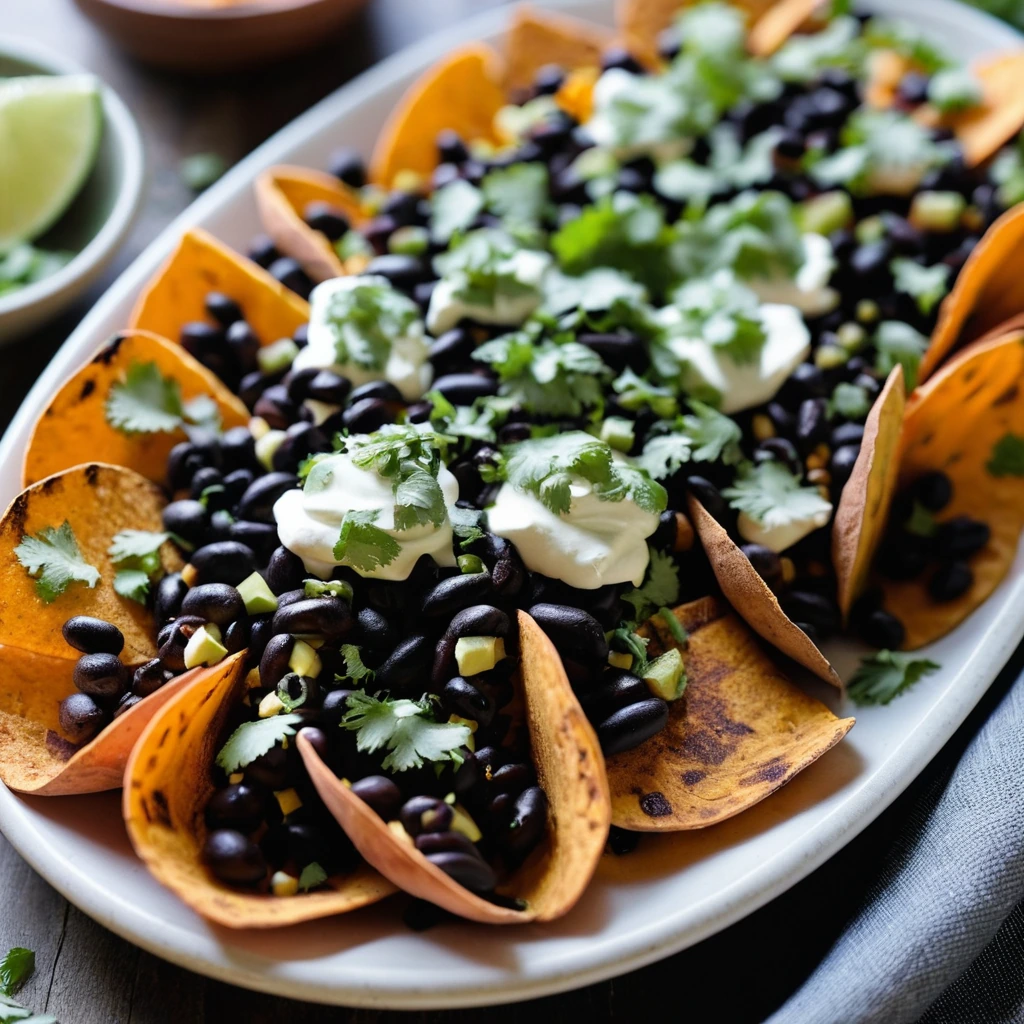
Sweet Potato and Black Bean Loaded Nachos
Crispy tortilla chips piled high with roasted sweet potatoes, black beans, and melty cheese, all topped with fresh cilantro and a zesty lime kick.