Legumes & Beans: Soaking vs No-Soak Methods
When it comes to cooking legumes and beans, the age-old debate of soaking versus no-soak methods has intrigued home cooks for generations. Soaking beans is a traditional technique that involves submerging dried legumes in water for several hours or overnight. This process is believed to reduce cooking time, improve digestibility, and leach out some of the oligosaccharides that can cause gas. On the other hand, the no-soak method skips this step entirely, opting for a direct plunge into boiling water. Advocates of this approach argue that it saves time and energy, and some even claim it preserves more nutrients. Both methods have their merits and drawbacks, and understanding them can help you decide which is best for your cooking needs. Let’s dive into the intricacies of each technique. Soaking beans allows them to rehydrate slowly, making their cell walls more pliable and reducing overall cook time. Some cooks also believe that soaking can make beans easier to digest by breaking down complex sugars. However, the effectiveness of soaking in reducing gas-causing compounds is debated. The no-soak method, alternatively, relies on high heat to quickly rehydrate beans. This method can be ideal for last-minute meals but requires attentive cooking to ensure beans become tender without turning mushy. Additionally, some legumes, like lentils and split peas, cook quickly enough that soaking is unnecessary. Ultimately, the choice between soaking and not soaking depends on your schedule, preferred texture, and personal taste. Experiment with both techniques to discover what works best for you. While soaking can streamline the cooking process, the no-soak method offers convenience. Both approaches can yield delicious, nutritious results when executed properly. Keep in mind that certain beans, like chickpeas and kidney beans, benefit more from soaking due to their longer cook times. Whether you opt for the traditional soak or a quick boil, understanding these methods empowers you to cook legumes with confidence and ease.
Notes
Soaking beans works primarily by rehydrating them, which kickstarts the softening process and can reduce cooking time by up to 50%. However, soaking may not significantly reduce gas for everyone. For the no-soak method, starting with boiling water rapidly hydrates the beans, but requires vigilance to prevent overcooking. Common mistakes include adding salt too early, which can toughen bean skins, and not checking beans frequently during cooking. For safety, discard soaking water if left out for more than 12 hours at room temperature to avoid bacterial growth. Beans can be cooked ahead and refrigerated for up to 5 days or frozen for up to 3 months. Experiment with both methods to find your preference and remember, fresh beans may cook faster than older ones.
Steps
- 1 Inspect dried beans and remove any debris.
- 2 For the soak method, rinse beans in cold water.
- 3 Cover beans with at least 2 inches of water.
- 4 Let beans soak for 8-12 hours at room temperature.
- 5 Drain and rinse soaked beans before cooking.
- 6 For the no-soak method, rinse beans and skip soaking.
- 7 Place beans in a pot and cover with 2 inches of water.
- 8 Bring to a boil, then reduce to a simmer.
- 9 Cook beans for 45-90 minutes, checking for doneness.
- 10 Skim off any foam that forms during cooking.
- 11 Add salt and seasonings in the last 30 minutes of cooking.
- 12 Ensure beans are tender but not mushy.
- 13 Drain excess liquid if necessary.
Ingredients to explore
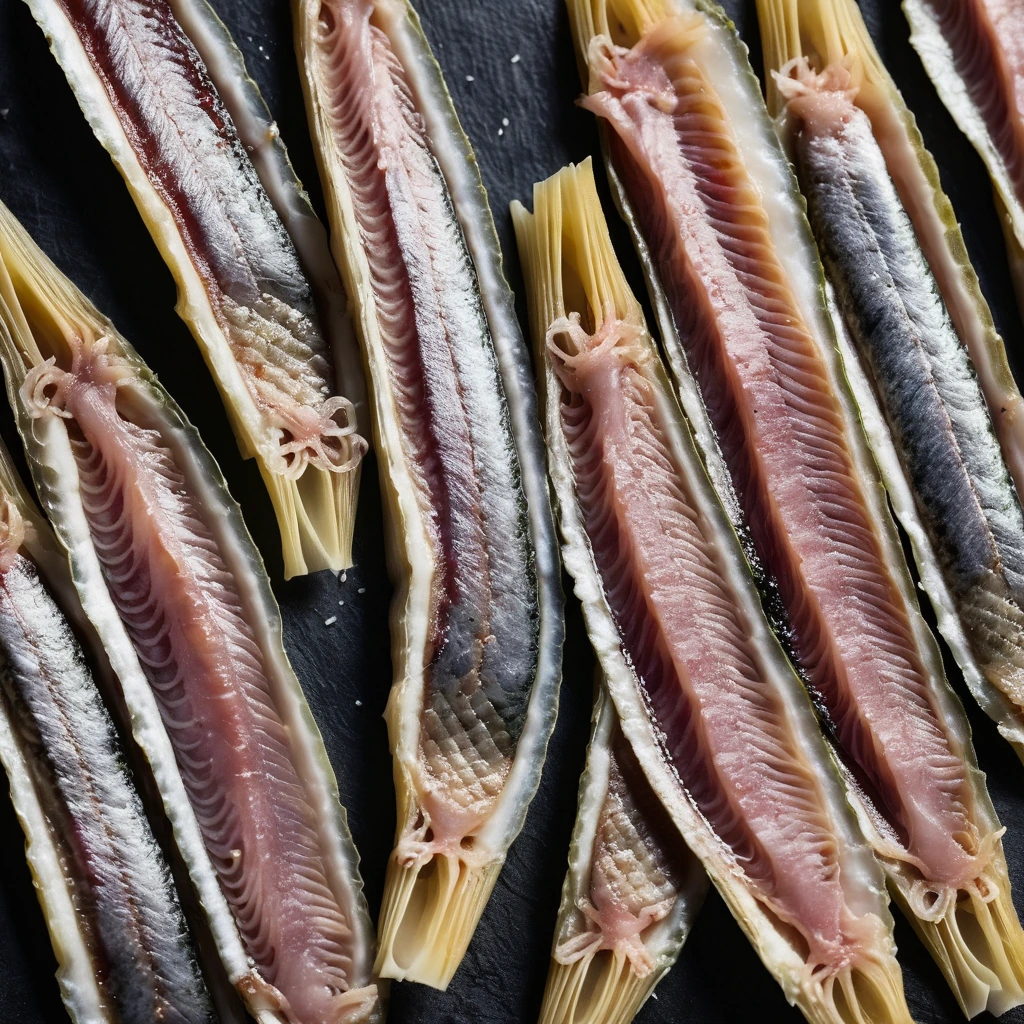
Anchovy Fillets
Silvery and succulent, anchovy fillets are a briny treasure from the sea. Their rich, umami flavor adds depth to dishes, making them a beloved ingredient in kitchens worldwide.
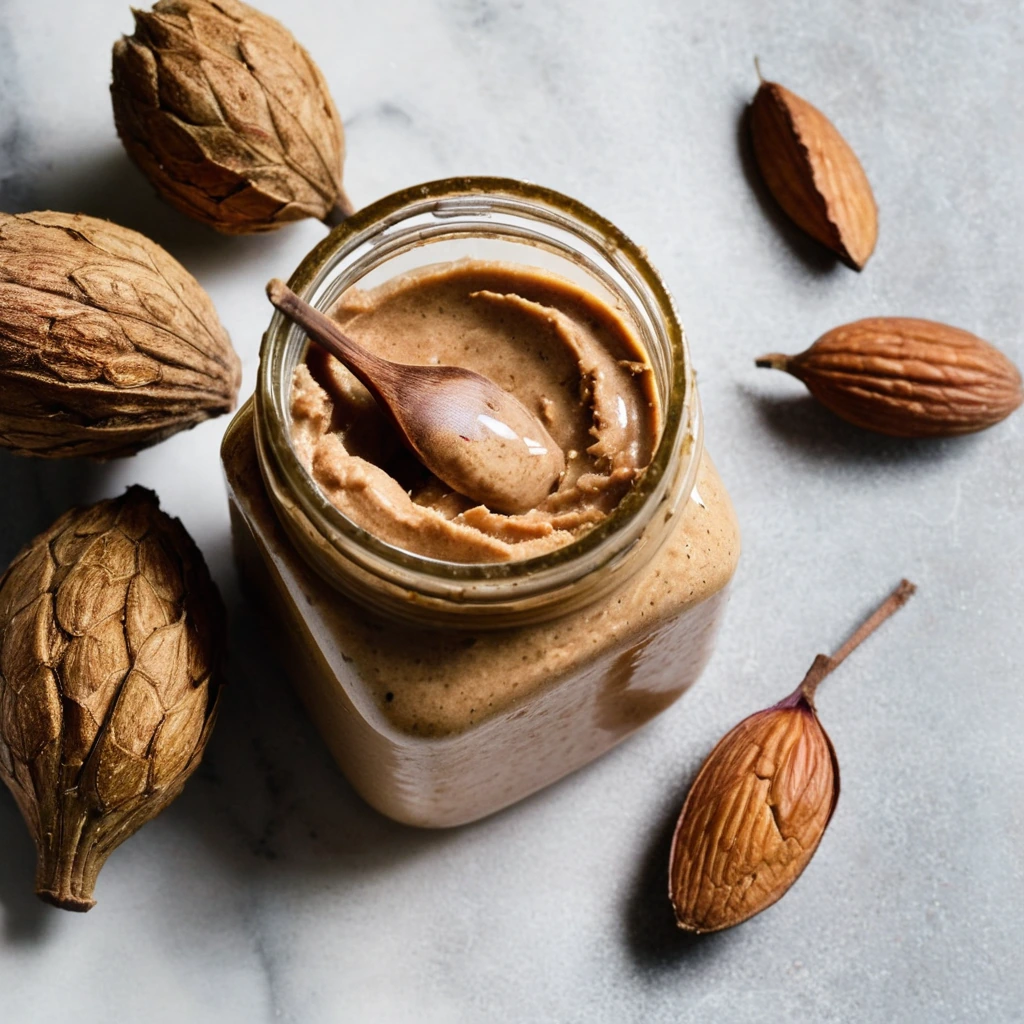
Almond Butter
A velvety, nutty spread crafted from finely ground almonds, offering a rich and satisfying flavor that's both comforting and indulgent.