Knife Technique: Using a Cleaver Safely for Heavy Chops
Using a cleaver for heavy chopping tasks can elevate your cooking to chef-level precision. Cleavers are versatile tools, adept at slicing through dense vegetables, breaking down poultry, and even crushing garlic. Their thick blades and sturdy construction demand respect and proper technique to ensure safety and efficiency. Learning to use a cleaver safely starts with understanding its balance and weight distribution. Unlike a chef's knife, a cleaver requires a different grip and chopping motion. It's crucial to maintain a stable cutting board and a secure stance to prevent accidents. This technique will guide you through honing your cleaver skills, ensuring clean, powerful chops while minimizing the risk of injury. With practice, you'll find that a cleaver can become your go-to tool for tasks requiring brute force and precision.
Notes
Understanding the physics of a cleaver is key to using it safely and effectively. The weight of the blade does most of the work, so focus on control rather than force. A common mistake is gripping the cleaver too tightly, which can lead to fatigue and loss of control. Always ensure your cutting surface is stable to prevent accidents. Safety is paramount; never attempt to catch a falling cleaver. For storage, consider a knife block or magnetic strip to protect the blade and your hands. To extend the life of your cleaver, avoid using it for tasks like cutting through bones, which can damage the blade. Cleavers can be prepared ahead for meal prep sessions by pre-chopping ingredients and storing them properly in airtight containers in the refrigerator for up to 2 days.
Steps
- 1 Select a sturdy wooden or plastic cutting board to prevent slipping.
- 2 Hold the cleaver with a firm but relaxed grip, using your dominant hand.
- 3 Position your non-dominant hand safely, curled into a claw shape to protect your fingers.
- 4 Place the ingredient to be chopped in the center of the cutting board.
- 5 Raise the cleaver above your shoulder, aligning it with your target.
- 6 Bring the cleaver down in a swift, controlled motion, using your body weight.
- 7 Aim for a clean chop, allowing the blade to penetrate fully with each strike.
- 8 After chopping, lift the cleaver straight up to avoid dragging and ensure clean cuts.
- 9 Repeat the process, adjusting the size of your chop as needed.
- 10 For delicate tasks, use a rocking motion instead of a full downward strike.
- 11 Always keep your fingers clear of the blade's path.
- 12 Clean the cleaver immediately after use to prevent stains and odors.
- 13 Dry the cleaver thoroughly before storing to avoid rust.
- 14 Regularly sharpen the cleaver to maintain its edge and efficiency.
Ingredients to explore
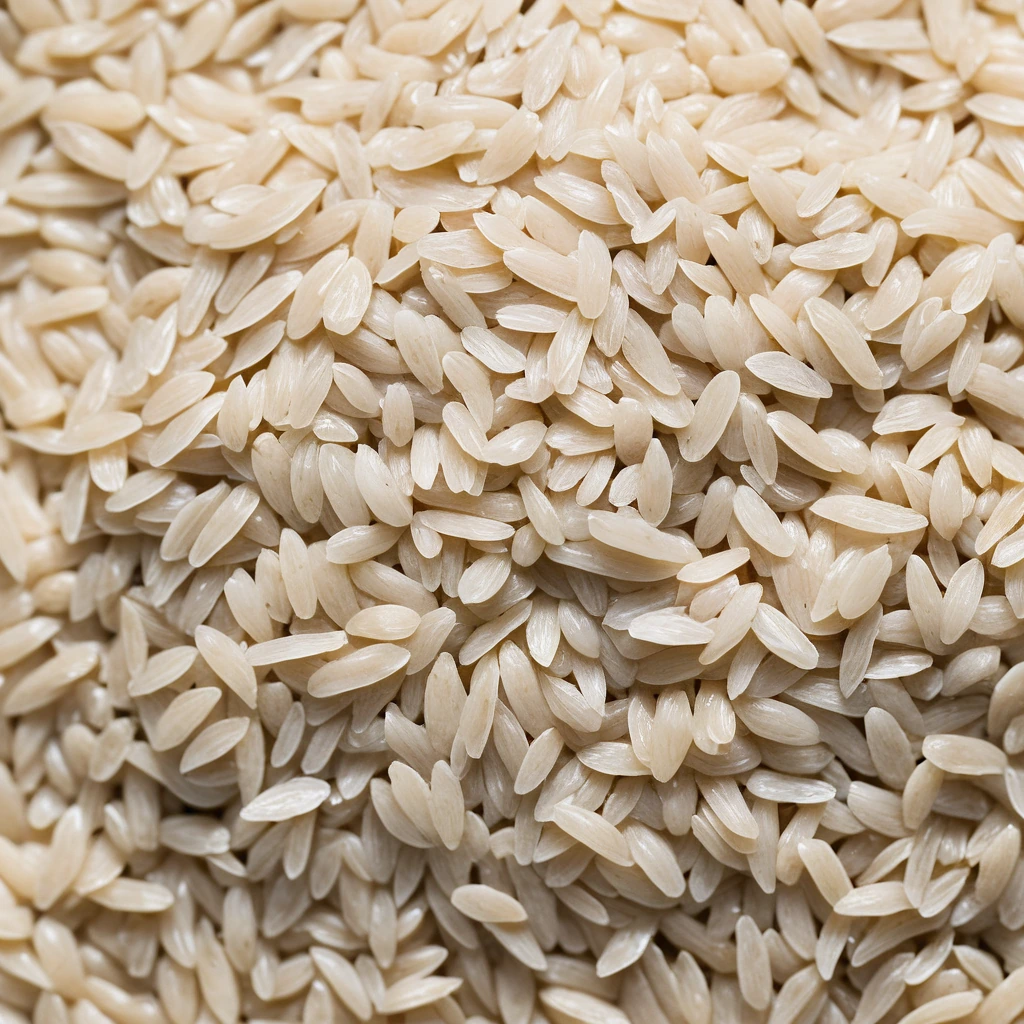
Arborio Rice
Arborio rice is a short-grain Italian rice variety renowned for its use in risotto. Originating from the Po Valley in Northern Italy, it is a staple in Italian cuisine. Its flavor is mild and nutty, with a pleasant creamy texture when cooked due to its high amylopectin content, which releases starch and creates a velvety consistency. The grains remain plump and firm to the bite, offering a satisfying chewiness. In cooking, Arborio rice excels at absorbing flavors from broths and seasonings while maintaining its shape, making it ideal for dishes that require both creaminess and structure.

Active Dry Yeast
A fine, granulated leavening agent that brings baked goods to life with its gentle fermentation magic.
Recipes to try
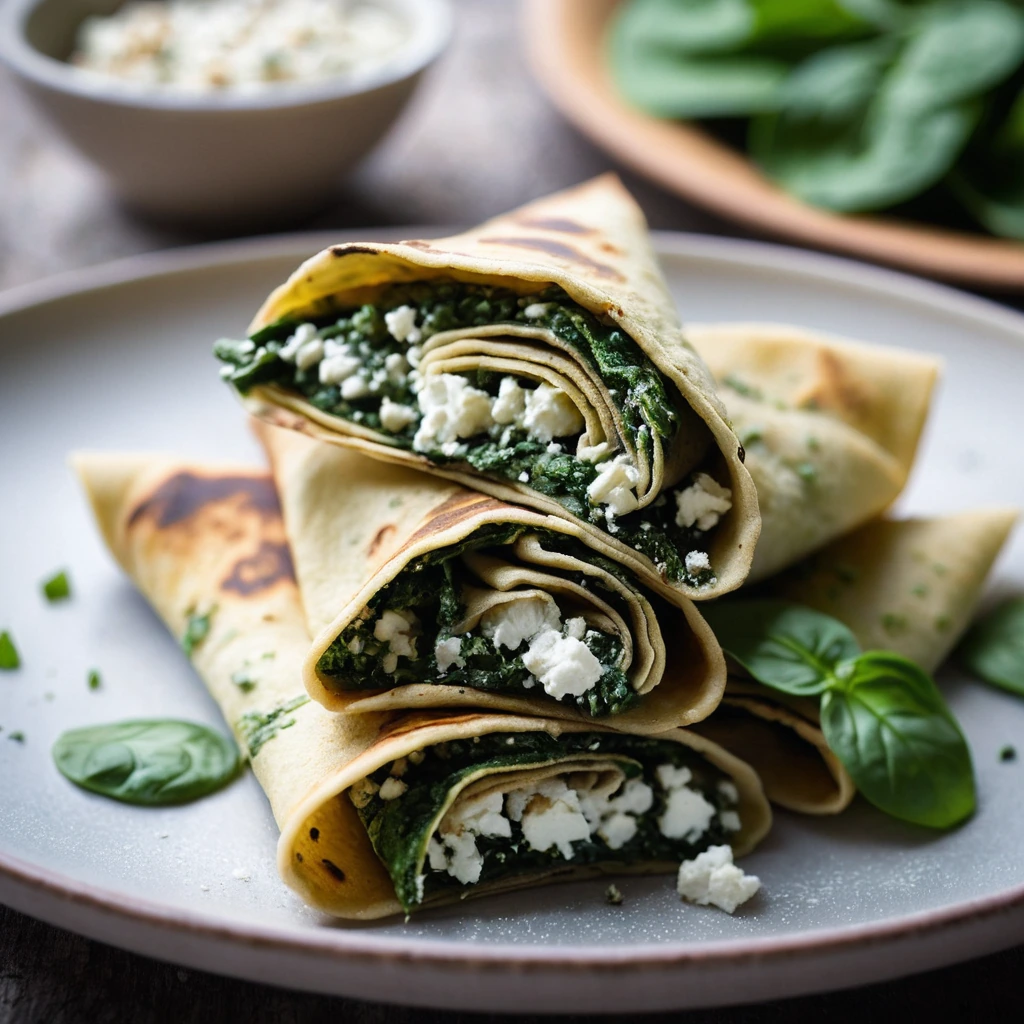
Spinach, Mushroom, and Feta Stuffed Crepes
Golden crepes envelop a savory blend of earthy mushrooms, tender spinach, and tangy feta for a satisfying vegetarian treat.

Sausage and Feta Stuffed Mini Peppers
These adorable mini peppers are packed with a savory blend of sausage and creamy feta, delivering a burst of flavor in every bite.