Knife Technique: Quartering and Trimming Whole Cauliflower Heads
Mastering the art of quartering and trimming a whole cauliflower head is a fundamental skill for any home cook. This technique ensures even cooking and makes the most of your vegetable. Start by selecting a fresh cauliflower with tightly packed florets and no signs of browning. The process involves breaking down the cauliflower into manageable quarters while removing any tough outer leaves and the core. This technique is especially useful for roasting, steaming, or ricing cauliflower. Understanding how to properly handle your knife and cauliflower is crucial for both efficiency and safety. You'll learn how to stabilize the vegetable, make precise cuts, and trim away unnecessary parts without waste. Each step is designed to maximize yield and minimize risk, ensuring that you end up with uniform pieces perfect for your recipe. This guide will walk you through each stage, providing tips to help you work confidently and effectively.
Notes
The key to successfully quartering and trimming a cauliflower lies in using a sharp knife, which ensures clean cuts and prevents crushing the florets. A dull knife can make the task more difficult and less safe. Trimming the core not only makes the cauliflower easier to cook but also helps in even cooking by removing the densest part. Common mistakes include cutting too quickly and not securing the cauliflower properly, which can lead to accidents. Always use a damp paper towel under the cauliflower for better grip. For storage, place the trimmed florets in an airtight container in the refrigerator for up to five days. This technique is versatile and can be applied to other vegetables like cabbage, providing a solid foundation for various culinary adventures.
Steps
- 1 Place the whole cauliflower head on a sturdy cutting board.
- 2 Remove any discolored or loose outer leaves by hand or with a knife.
- 3 Using a sharp chef's knife, trim about 1/2 inch off the stem end to expose the core.
- 4 Stand the cauliflower upright and slice it lengthwise from top to bottom into quarters.
- 5 Turn each quarter flat-side down and trim any remaining tough core with a V-shaped cut.
- 6 Cut each quarter into bite-sized florets, following the natural separations.
- 7 Inspect the florets and trim away any brown spots or discolored areas.
- 8 Rinse the cauliflower florets under cold water to remove any debris.
- 9 Pat dry with clean kitchen towels or use a salad spinner for thorough drying.
Ingredients to explore
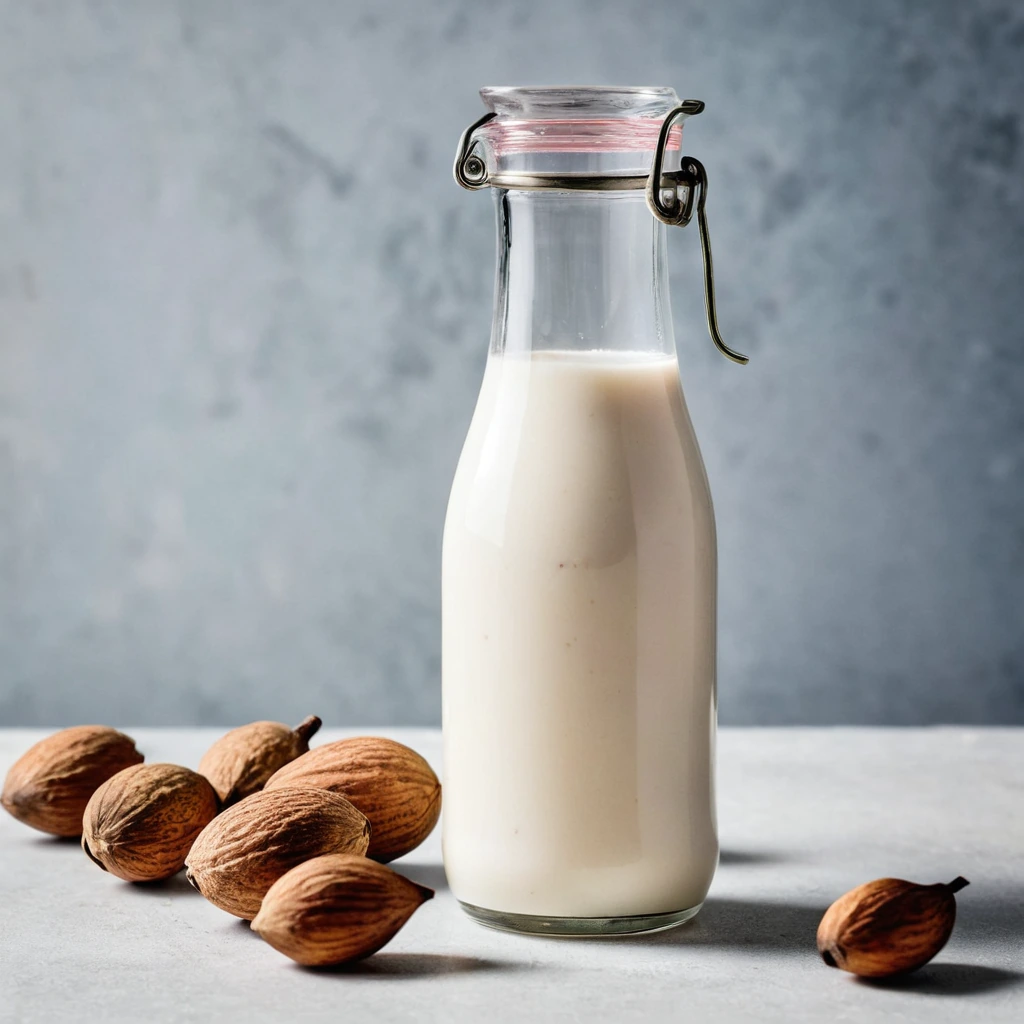
Almond Milk
Almond milk is a plant-based milk alternative made from ground almonds and water. Originating from traditional recipes in medieval Europe and the Middle East, it has gained widespread popularity in modern times as a dairy-free option. Almond milk has a subtly nutty flavor with a mild sweetness, and its aroma is reminiscent of fresh almonds. Its texture is smooth and creamy, though typically lighter than dairy milk. In cooking, almond milk behaves well in both savory and sweet applications, though it does not brown or caramelize like dairy milk. It is often used in cereals, smoothies, and baking, where its delicate flavor complements rather than overpowers other ingredients.
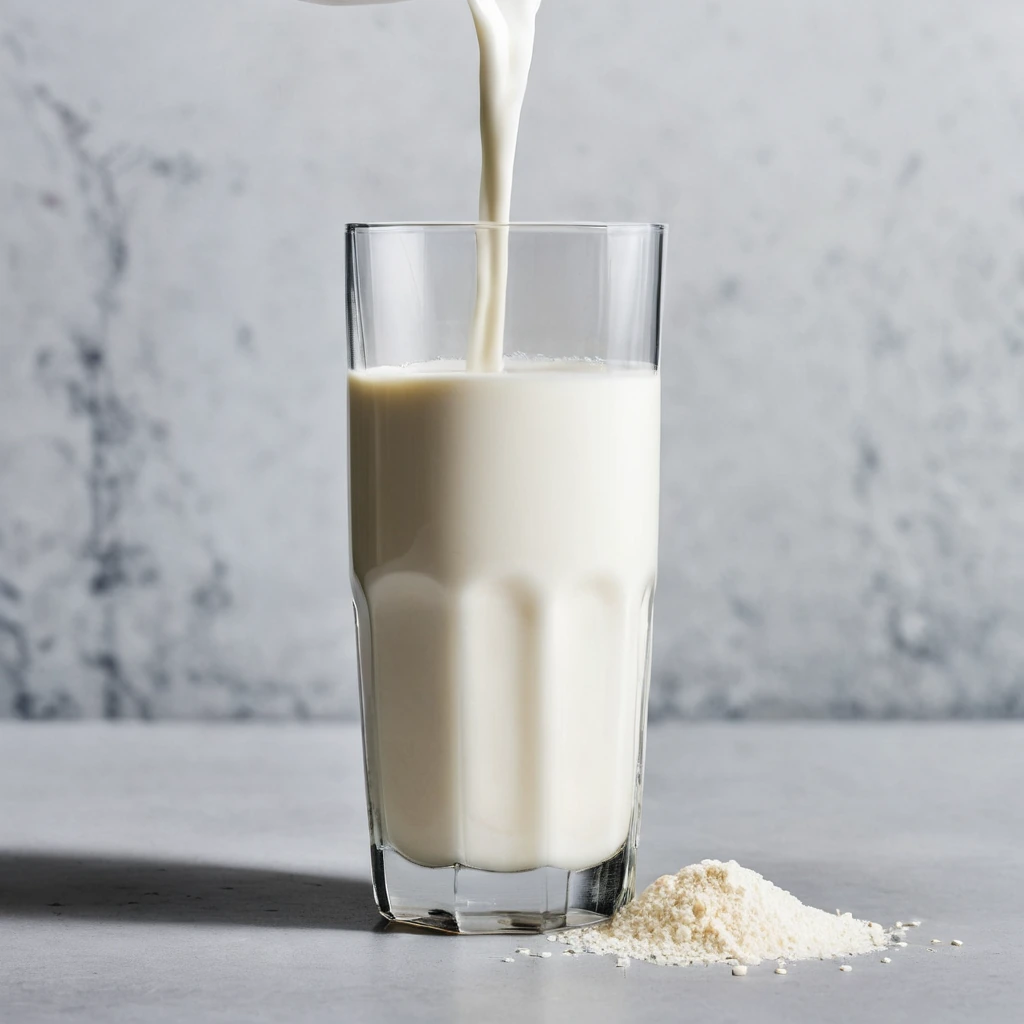
2% Milk
Creamy and just a touch lighter than whole milk, 2% milk offers a perfect balance of richness and reduced fat. Its smooth texture and subtle sweetness make it a delightful choice for sipping or cooking.
Recipes to try

Sausage, Pepper, and Onion Hoagies
Juicy Italian sausages nestled in soft hoagie rolls with a sweet and smoky medley of peppers and onions.
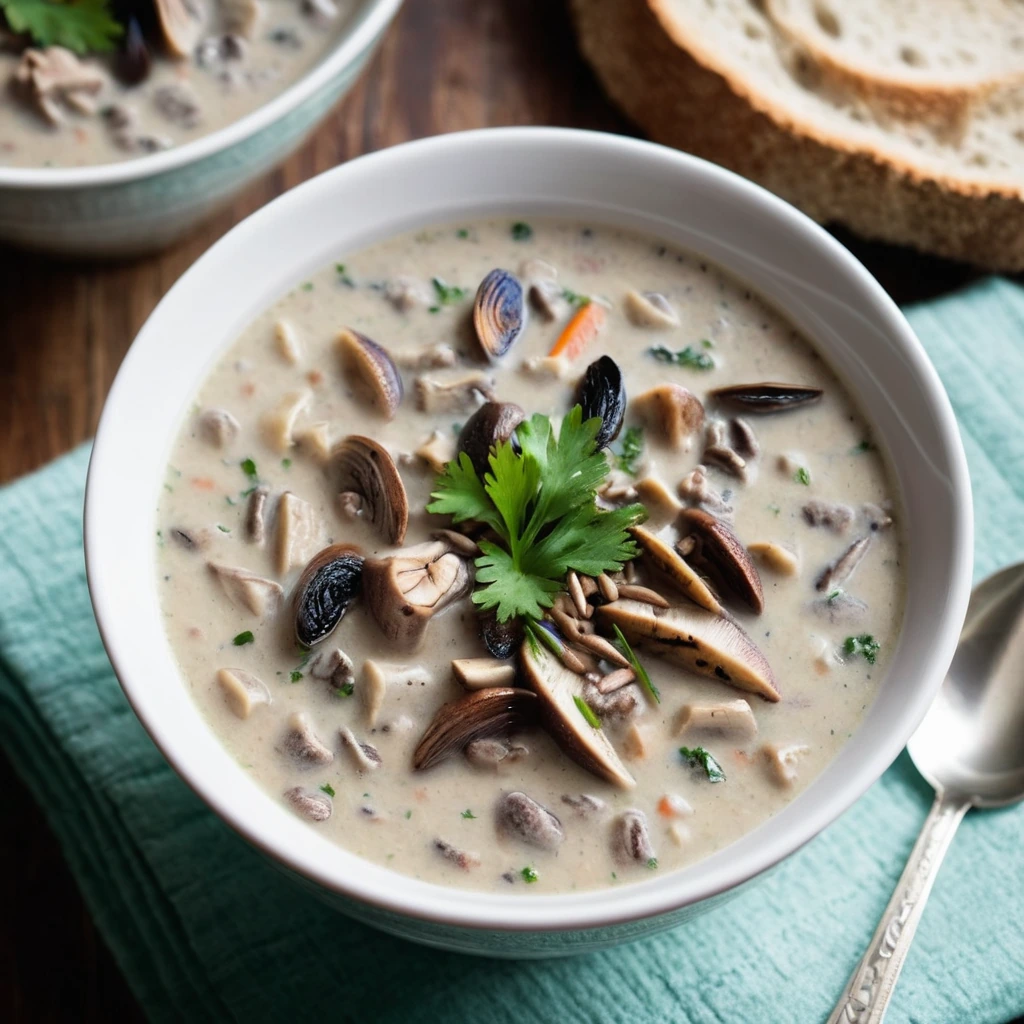
Turkey and Wild Rice Mushroom Soup
Warm up with this hearty soup, brimming with tender turkey, earthy wild rice, and a medley of savory mushrooms in a rich, comforting broth.