Knife Technique: Breaking Down a Butternut Squash Without Waste
Mastering the art of breaking down a butternut squash can seem daunting, but with the right technique, it’s a breeze. This technique ensures minimal waste, so you get the most out of your squash. First, understanding the anatomy of a butternut squash is crucial—it has a tough, thick skin and dense, sweet flesh. The key is to work systematically, starting with stabilizing the squash to ensure safety. Using a sturdy chef’s knife and a reliable cutting board, you’ll first trim the ends to create flat surfaces. Then, carefully halve the squash lengthwise, scoop out the seeds (which are edible and nutritious), and peel the skin. Finally, you’ll cut the squash into uniform pieces, ready for roasting, pureeing, or sautéing. This method ensures efficiency and safety, making your cooking experience smoother and more rewarding. By following this technique, you’ll appreciate the entire process, from handling the squash to enjoying its rich flavor in your dishes.
Notes
This technique works by leveraging the natural structure of the squash, ensuring safe handling and minimal waste. A common mistake is attempting to peel the squash before cutting it in half, which can be difficult and dangerous. Always use a sharp knife to prevent slipping, which can cause injuries. If you plan to roast the seeds, rinse and dry them thoroughly, toss with oil and salt, and bake at 350°F until golden. For storage, keep the cut squash in an airtight container in the refrigerator for up to 5 days. To freeze, blanch the pieces in boiling water for 2 minutes, then transfer to an ice bath before storing in freezer bags.
Steps
- 1 Place the butternut squash on a stable cutting board.
- 2 Trim off both ends of the squash to create flat surfaces.
- 3 Stand the squash upright on one of the flat ends.
- 4 Slice the squash in half lengthwise, from top to bottom.
- 5 Scoop out the seeds and strings with a sturdy spoon.
- 6 Peel the skin off each half using a sharp vegetable peeler.
- 7 Cut each half into large wedges.
- 8 Slice the wedges into uniform pieces of your desired size.
- 9 Arrange the pieces on a baking sheet for roasting or use immediately in your recipe.
Ingredients to explore
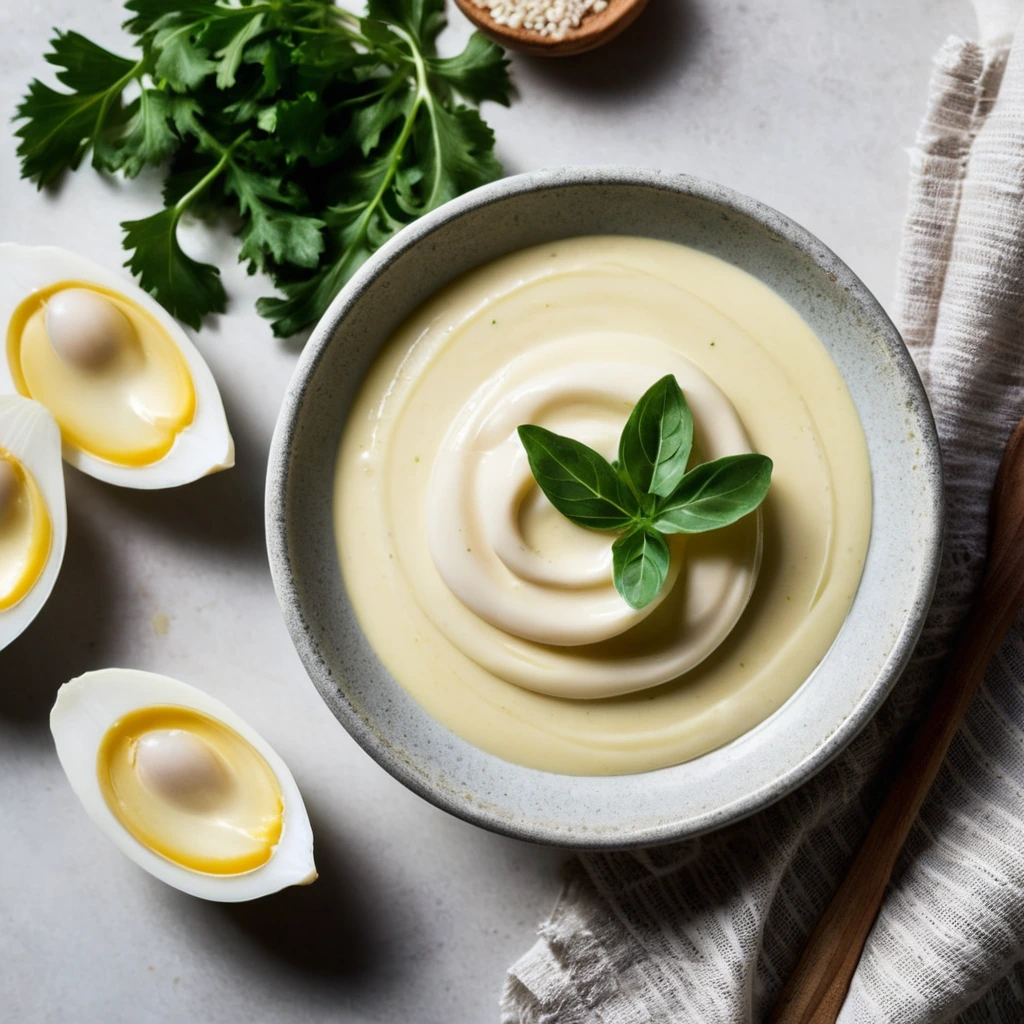
Aioli
A luscious, velvety emulsion of garlic and olive oil, aioli is a rich and aromatic sauce that dances on the palate with its creamy texture and bold, pungent flavor.
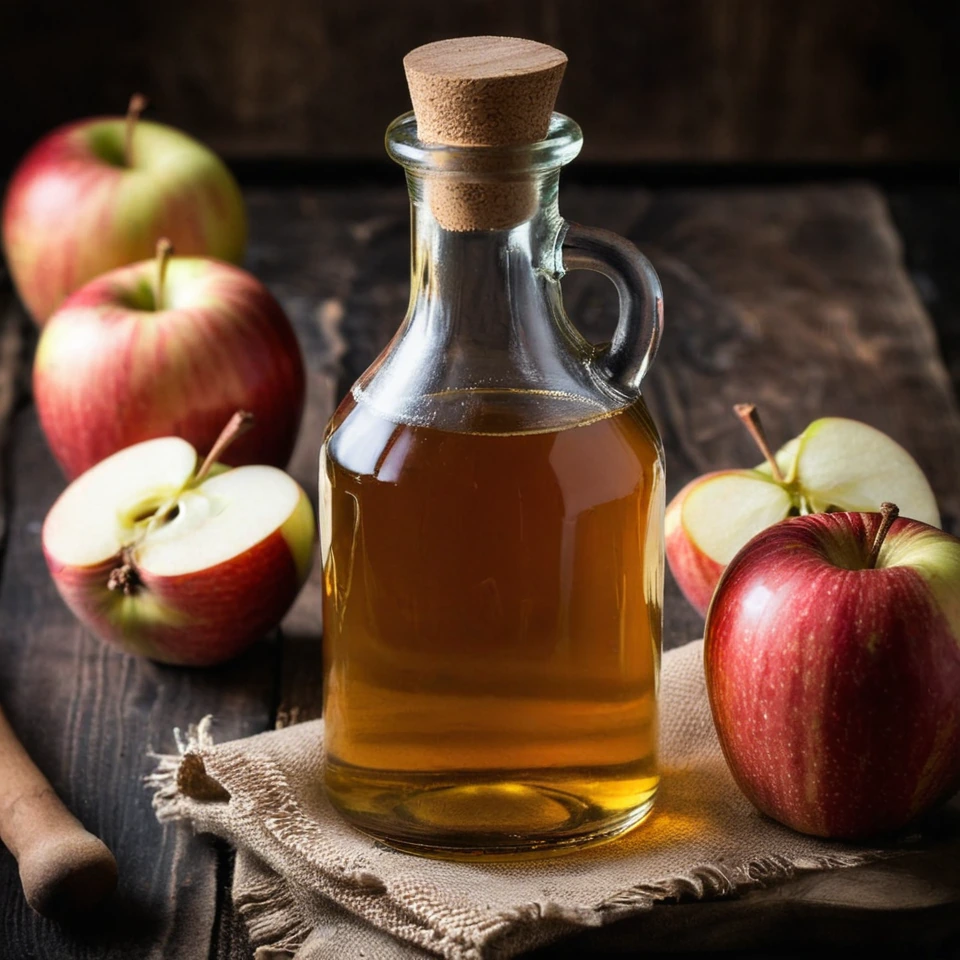
Apple Cider Vinegar
Apple cider vinegar is a type of vinegar made through the fermentation of apple cider, resulting in a tangy, slightly sweet liquid with a pale to medium amber color.
Recipes to try
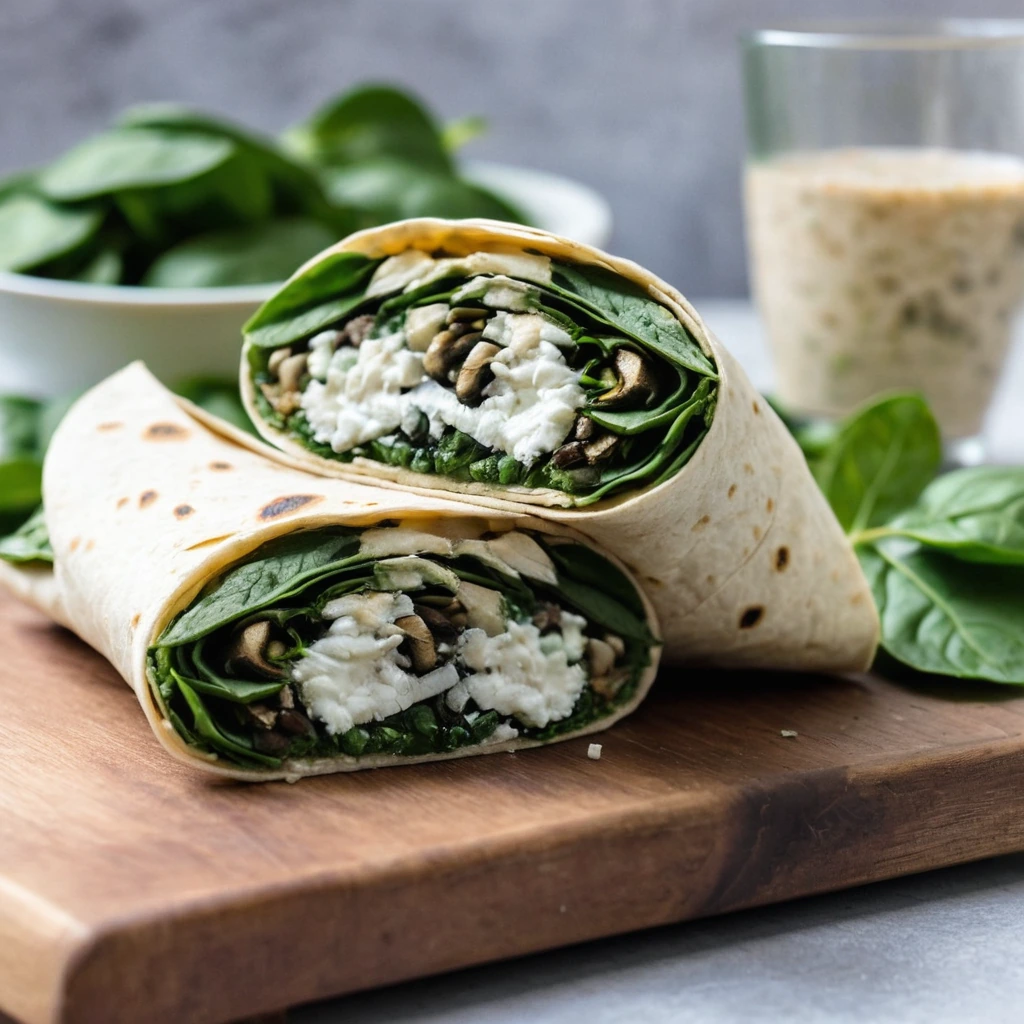
Spinach, Mushroom, and Feta Breakfast Wraps
These wraps are a cozy morning hug in a tortilla—creamy feta, earthy mushrooms, and vibrant spinach meld into a hearty breakfast.
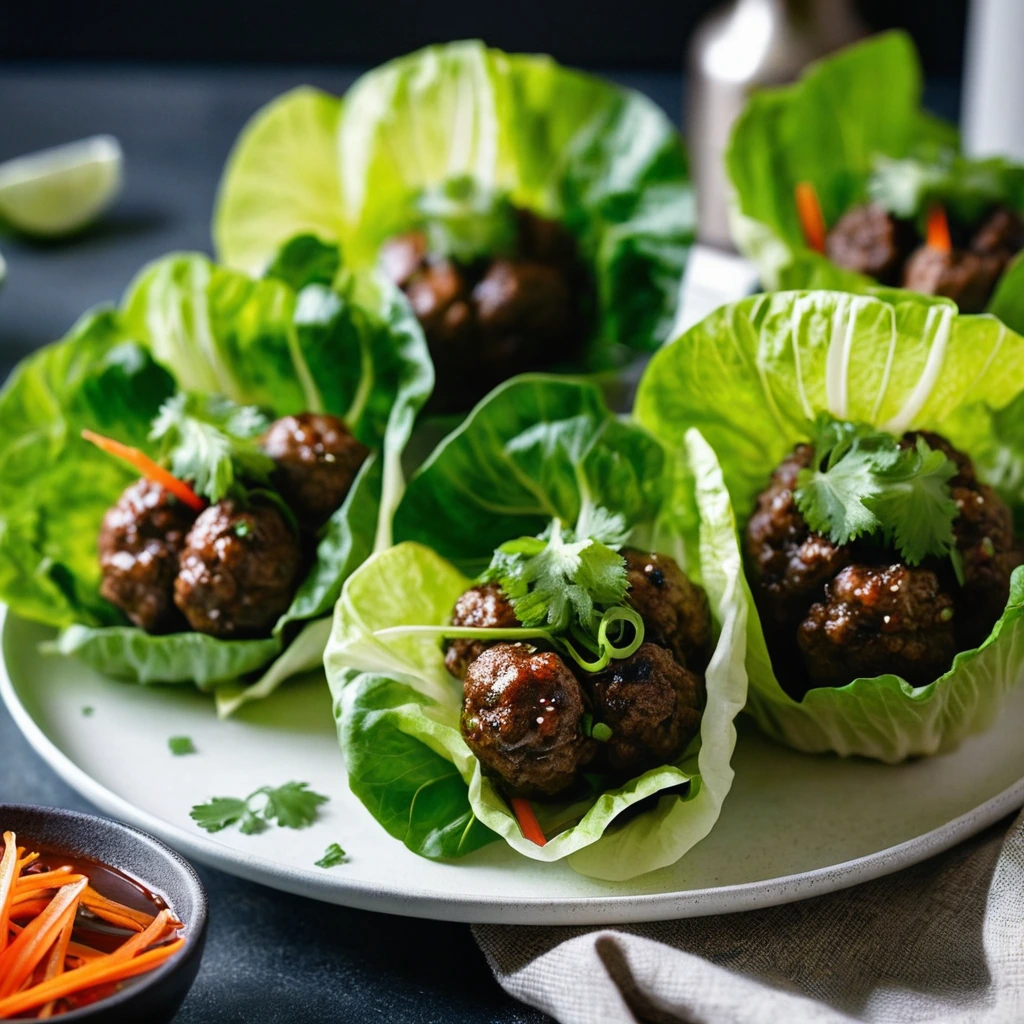
Sweet Chili Glazed Meatball Lettuce Wraps
Juicy meatballs cloaked in a sticky-sweet chili glaze, nestled in crisp lettuce cups for a flavor explosion with every bite.