Knife Skills: Slicing Paper-Thin Onions for Caramelizing
Caramelizing onions is an art that begins with precision slicing. Achieving paper-thin slices is crucial for even cooking and optimal caramelization. This technique ensures that each piece of onion cooks uniformly, turning golden brown and developing those deep, sweet flavors we all crave. First, selecting the right onion is key; yellow onions are preferred for their high sugar content. Next, understanding your knife is essential—a sharp chef’s knife is your best tool. The sharper the knife, the cleaner the cut, reducing cell wall damage and minimizing tear-inducing compounds released into the air. Proper knife handling is vital for safety and precision. A comfortable grip allows for controlled, consistent slicing. The slicing technique itself is methodical: trim the ends, peel the onion, halve it, and then carefully slice. Each step requires attention to detail to ensure uniform thickness. Maintaining a consistent angle and pressure throughout slicing is crucial for even layers. This technique not only enhances flavor but also transforms the texture, creating melt-in-your-mouth sweetness. Lastly, we’ll discuss how to manage the inevitable tears and how to store your onions for future use, making this skill both practical and repeatable in your kitchen endeavors.
Notes
Slicing onions paper-thin increases the surface area, allowing for faster and more even caramelization. The science behind this is simple: more surface area means more contact with heat, accelerating the Maillard reaction and caramelization processes. To avoid common mistakes, ensure your knife is sharp to prevent crushing rather than slicing the onions. A dull knife can lead to uneven slices and frustration. To minimize tears, work quickly and keep the onion as cold as possible. For storage, sliced onions can be refrigerated in an airtight container for up to 24 hours. However, for the best flavor and texture, caramelize them as soon as possible after slicing.
Steps
- 1 Select a firm, dry yellow onion for caramelizing.
- 2 Trim off the root and stem ends of the onion.
- 3 Peel off the papery outer skin and discard.
- 4 Halve the onion from stem to root, leaving the root end intact for stability.
- 5 Place one half flat side down on the cutting board.
- 6 Holding the knife at a slight angle, slice downwards toward the root end.
- 7 Apply even pressure to create thin, even slices, about 1/16-inch thick.
- 8 Repeat with the other half of the onion.
- 9 As you slice, fan the layers slightly for easier cuts.
- 10 Keep fingers tucked and use a claw grip for safety.
- 11 Check slice thickness against a ruler for consistency.
- 12 Transfer sliced onions to a bowl of cold water to reduce tears.
- 13 Drain and pat onions dry with paper towels before cooking.
Ingredients to explore
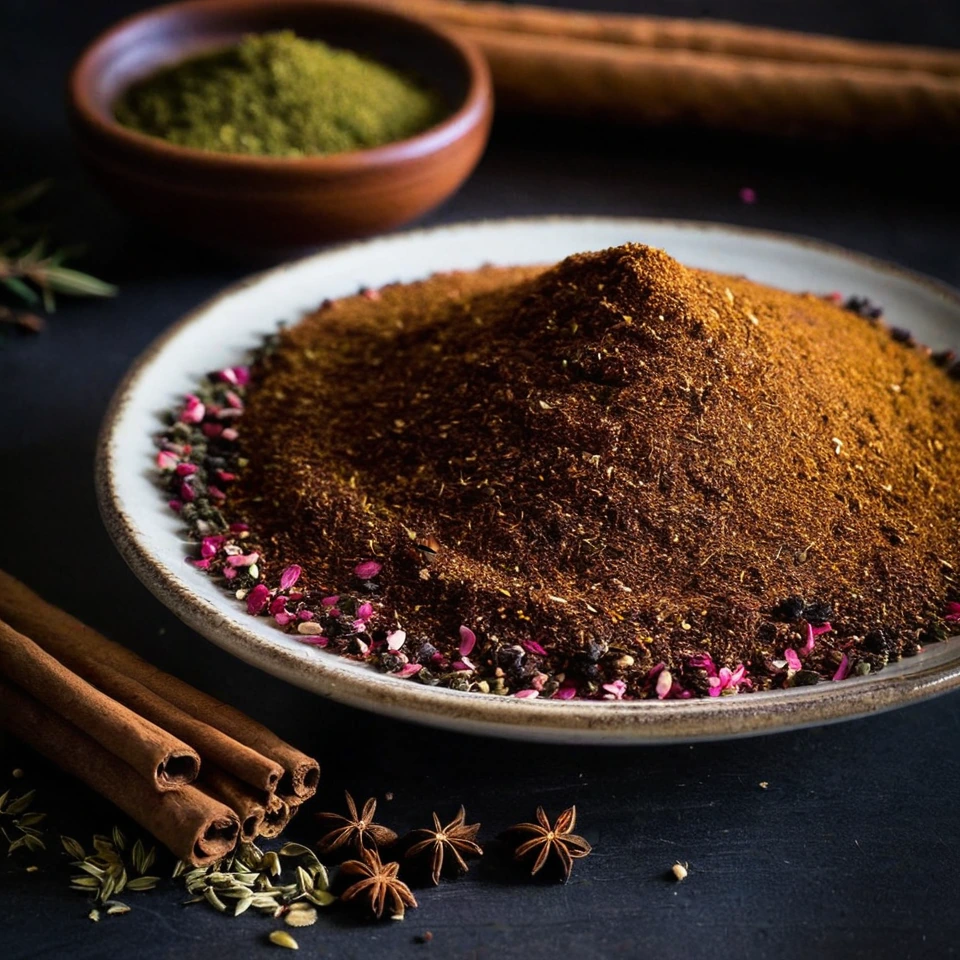
Advieh (Persian Spice Blend)
Advieh is a fragrant Persian spice blend that boasts a complex aroma of warm cinnamon, earthy cumin, and floral hints of rose and saffron. Its texture is finely ground, making it easy to incorporate into dishes. Originating from the rich culinary traditions of Iran, advieh adds depth and sophistication to both savory and sweet recipes. Its unique combination of spices reflects the historical spice trade routes that influenced Persian cuisine.
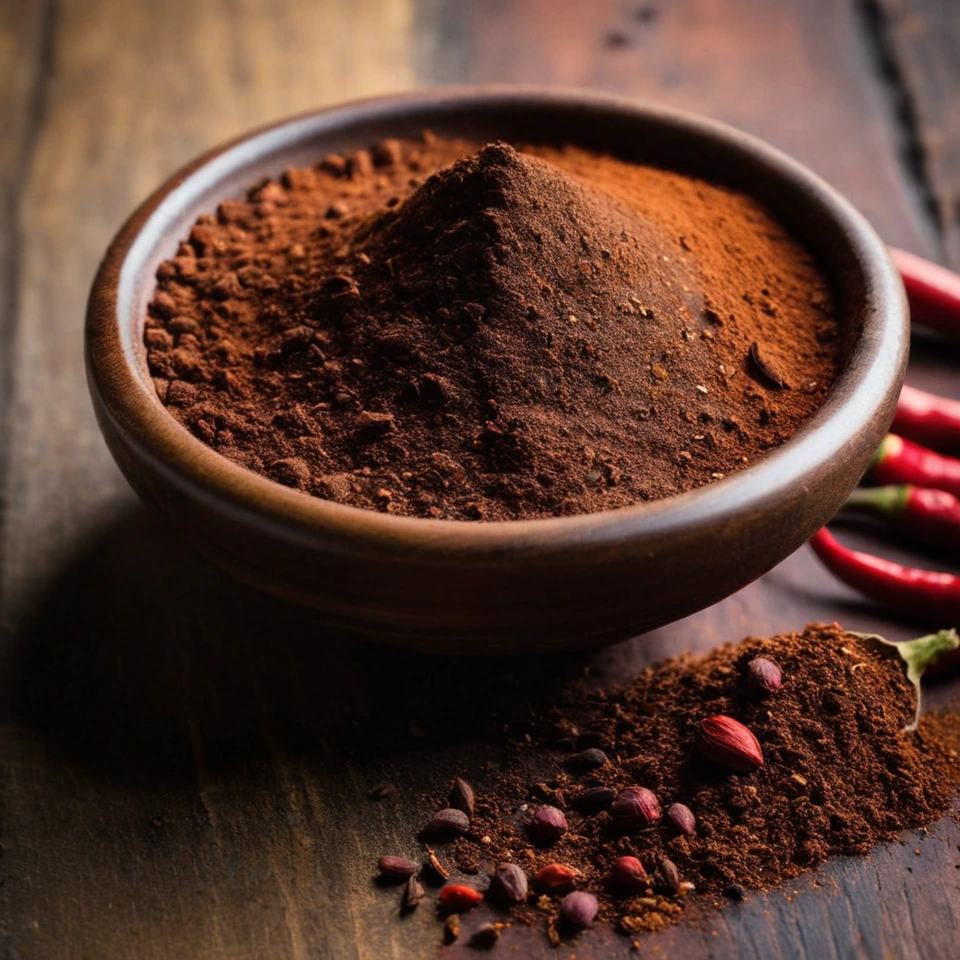
Ancho Chili Powder
Ancho chili powder offers a deep, smoky sweetness with hints of dried fruit and cocoa, reminiscent of its origin as dried poblano peppers from Mexico. Its aroma is warm and inviting, with a mild heat that lingers gently. The texture is fine and velvety, making it easy to incorporate into a variety of dishes. This powder is prized for its ability to add complexity without overwhelming spice, ideal for enriching both traditional Mexican moles and contemporary global cuisines.
Recipes to try
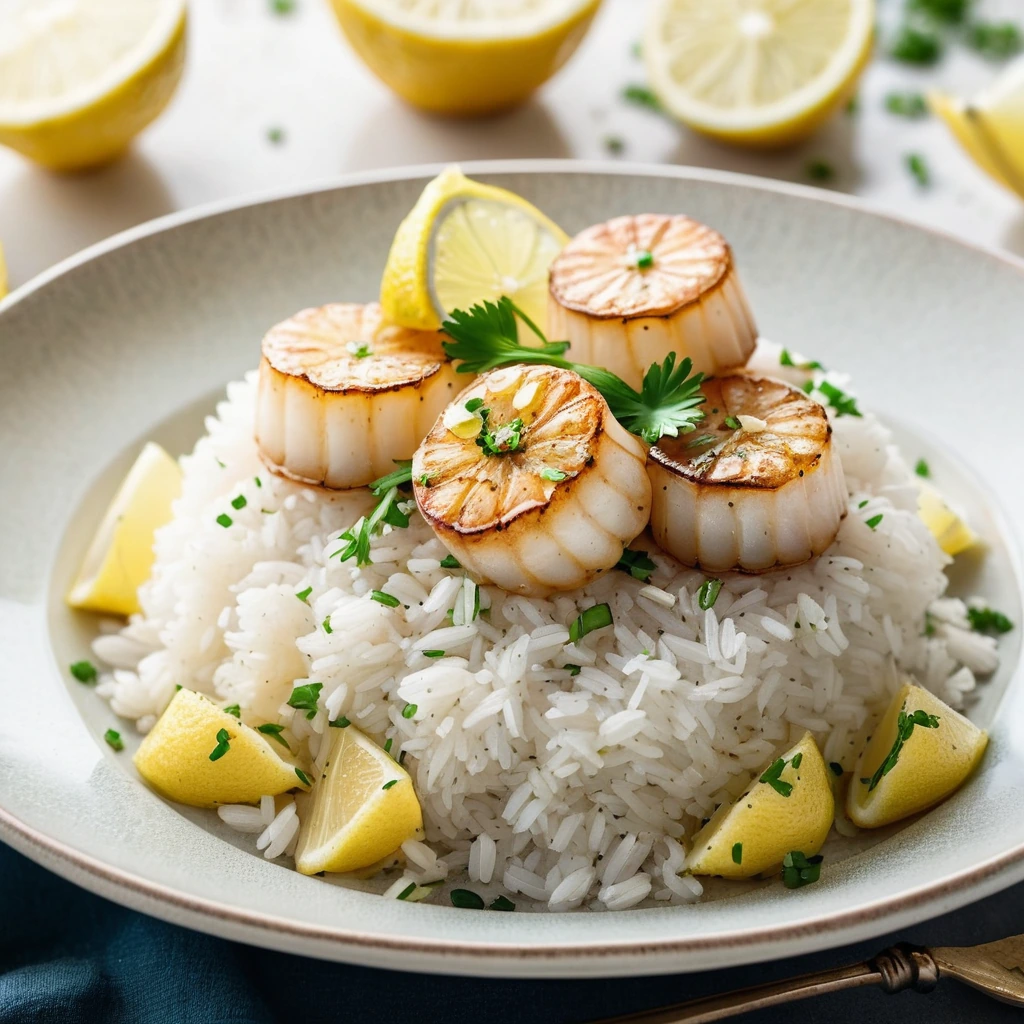
Lemon Garlic Butter Scallops over Rice
Tender scallops kissed with lemon and garlicky butter, served over fluffy white rice for a luxurious yet simple dinner.
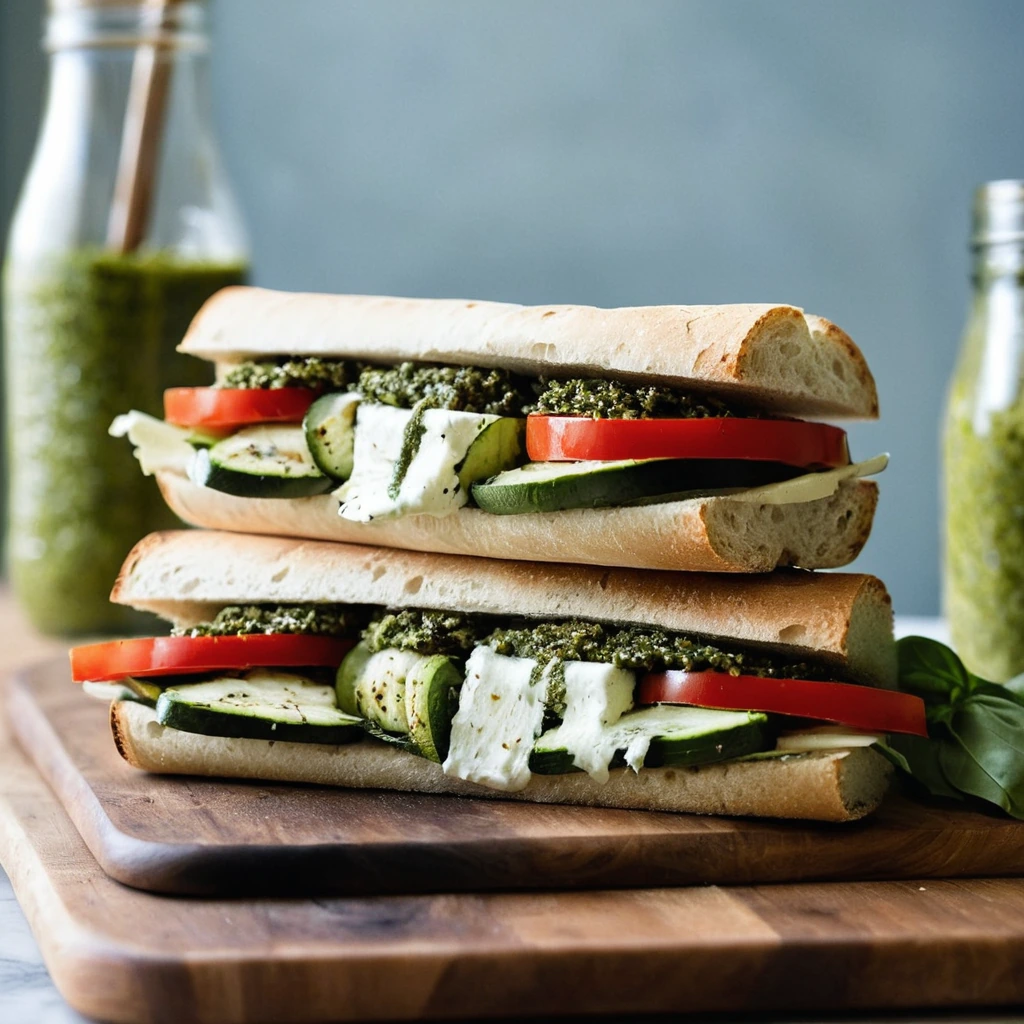
Pesto Roasted Veggie Sandwiches with Mozzarella
Warm, toasty ciabatta cradles a medley of roasted veggies, vibrant pesto, and melty mozzarella for a sandwich that's as hearty as it is fresh.