Knife Skills: Peeling and Deveining Shrimp
Peeling and deveining shrimp is a fundamental kitchen skill that can elevate your seafood dishes. Whether you're preparing shrimp for a zesty shrimp cocktail or a savory stir-fry, knowing how to properly peel and devein shrimp is key to ensuring they are both presentable and safe to eat. This technique requires a bit of practice but is straightforward once you understand the anatomy of the shrimp. The shell protects the delicate flesh, while the vein, or digestive tract, runs along the shrimp's back. Removing these elements not only enhances texture but also allows seasonings and sauces to penetrate the shrimp's meat more effectively. First, you'll start by peeling the shrimp, which involves removing the shell in one fluid motion. Then, you'll address the vein. Some cooks leave it in for presentation, but deveining is generally preferred for cleanliness and taste. This description will guide you through each step with precision, ensuring your shrimp are prepped perfectly every time.
Notes
Understanding the anatomy of shrimp is key to mastering this technique. The vein is actually the digestive tract, which can harbor grit and impurities, making deveining essential for both cleanliness and taste. A common mistake is cutting too deep into the shrimp, which can lead to a loss of precious flesh. Use a gentle touch and a sharp knife to avoid this. For safety, always handle knives with care, keeping your fingers tucked and using a stable cutting surface. You can prepare shrimp ahead of time and store them in an airtight container in the refrigerator for up to 24 hours. Ensure they are completely dry before cooking to achieve the best sear and flavor.
Steps
- 1 Grasp the shrimp by the legs and gently pull to remove them.
- 2 Starting at the head end, insert your thumb under the shell's edge and pull downward to remove the shell in one piece.
- 3 If the shell doesn't come off easily, use a paring knife to help lift the shell.
- 4 Once the shell is off, remove the head if it's still attached.
- 5 Locate the dark vein running along the shrimp's back.
- 6 Using a small, sharp knife, make a shallow incision along the curve of the shrimp's back.
- 7 Lift the vein with the knife's tip and pull it out.
- 8 Rinse the shrimp under cold water to remove any remaining shell fragments or vein remnants.
- 9 Pat the shrimp dry with a paper towel before cooking.
- 10 Check each shrimp to ensure no shells or veins remain.
Ingredients to explore
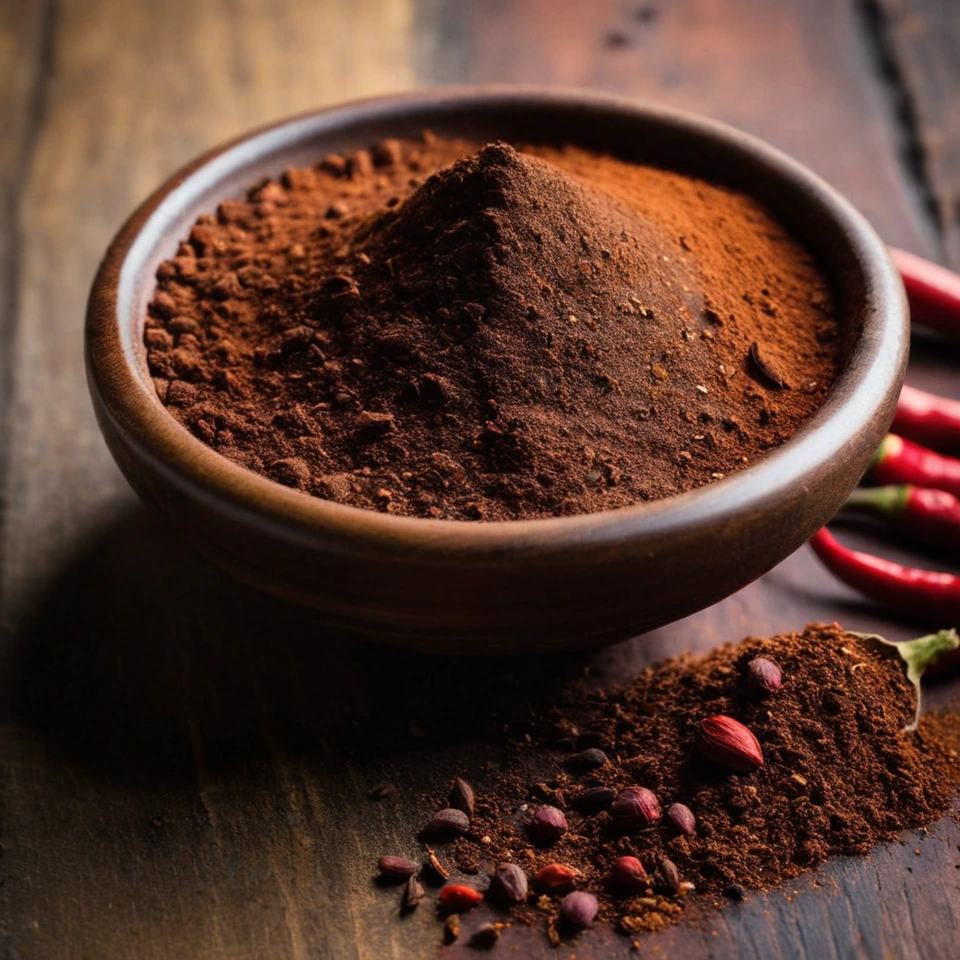
Ancho Chili Powder
Ancho chili powder offers a deep, smoky sweetness with hints of dried fruit and cocoa, reminiscent of its origin as dried poblano peppers from Mexico. Its aroma is warm and inviting, with a mild heat that lingers gently. The texture is fine and velvety, making it easy to incorporate into a variety of dishes. This powder is prized for its ability to add complexity without overwhelming spice, ideal for enriching both traditional Mexican moles and contemporary global cuisines.
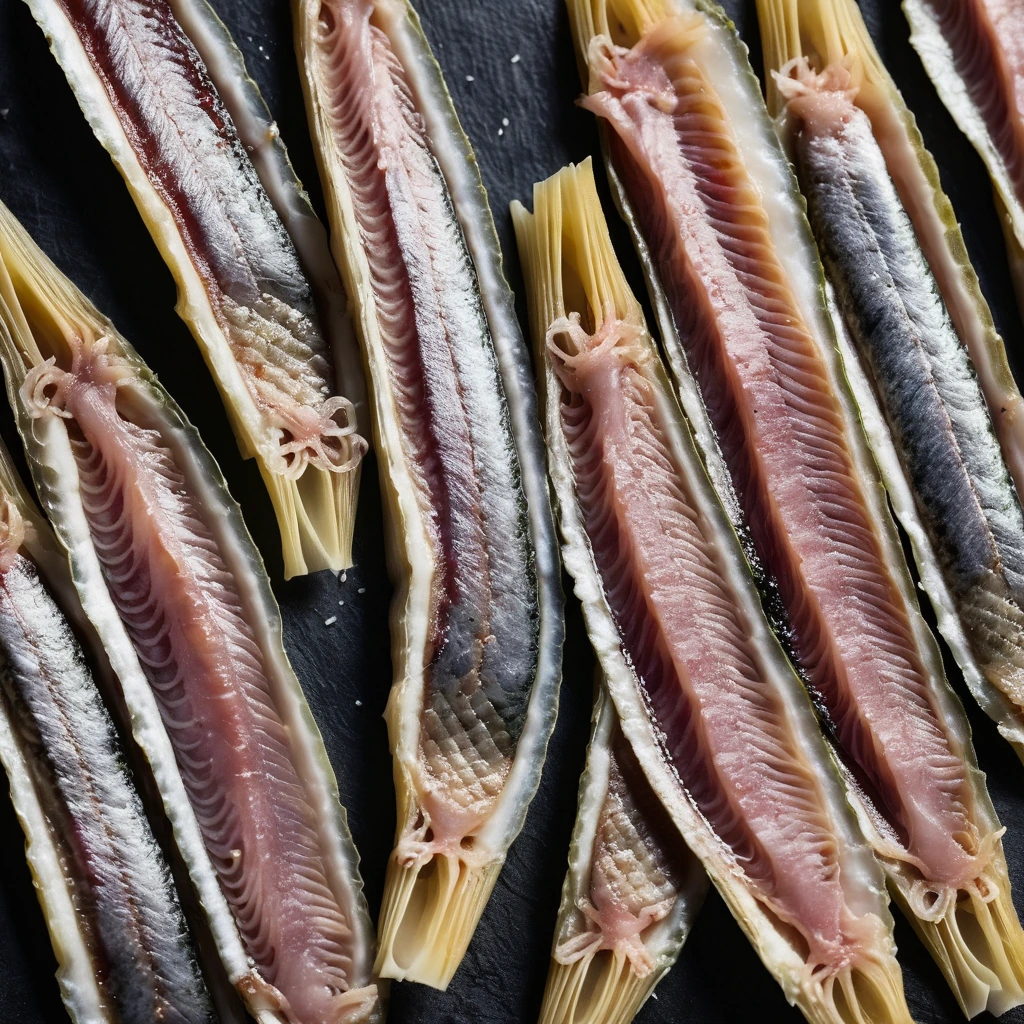
Anchovy Fillets
Silvery and succulent, anchovy fillets are a briny treasure from the sea. Their rich, umami flavor adds depth to dishes, making them a beloved ingredient in kitchens worldwide.
Recipes to try
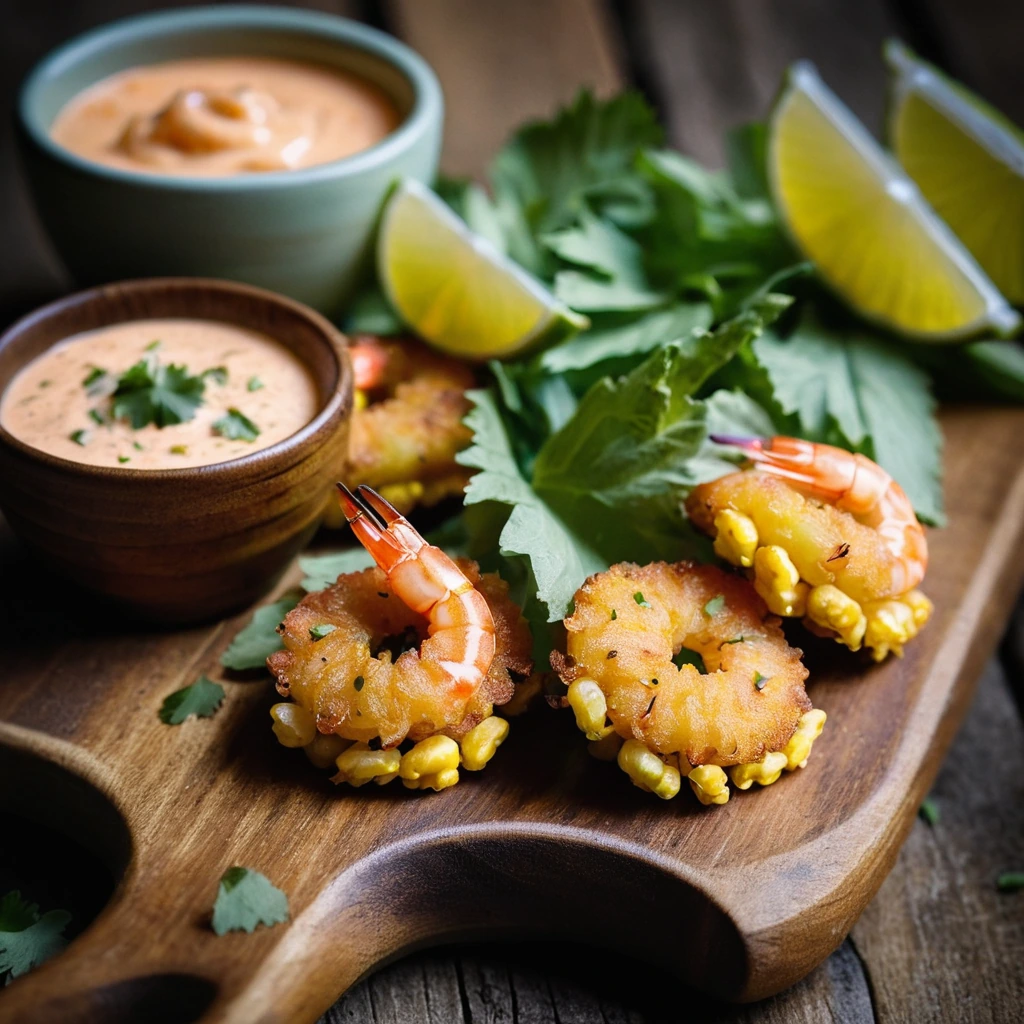
Shrimp and Corn Fritters with Chili Aioli
Crispy on the outside, tender on the inside, these golden fritters pack a punch with juicy shrimp and sweet corn, all topped with a zesty chili aioli.
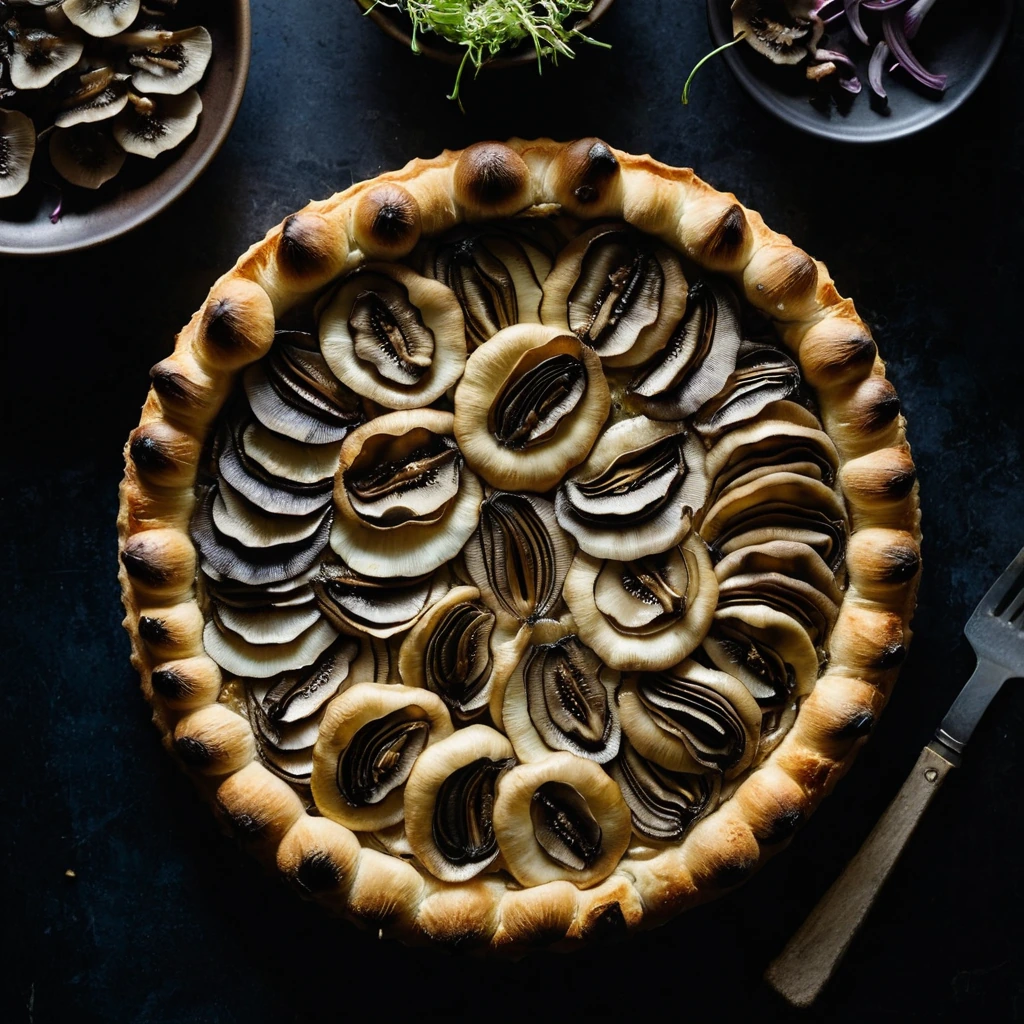
Mushroom, Onion, and Gruyère Tart
Golden, flaky pastry cradles a rich, earthy filling of sautéed mushrooms and onions, crowned with melty Gruyère.