Knife Skills: Cubing Meat for Stews Evenly
Cubing meat for stews is an essential skill that ensures each piece cooks uniformly, leading to a tender and flavorful dish. Achieving perfectly even cubes might seem daunting, but with the right technique, it becomes second nature. The goal is to create uniform pieces that will cook at the same rate, ensuring that none are overcooked or undercooked. This technique is especially crucial for tougher cuts of meat, which benefit from consistent cooking times to break down their connective tissues properly. Beyond functionality, uniform cubes also present a professional finish that elevates your dish. Let's delve into the mechanics of cubing meat and how to transform raw chunks into stew-worthy cubes with precision and ease. First, selecting the right knife is vital. A chef's knife, with its versatile blade, is ideal for this task. Its weight and balance provide control, allowing for precise cuts. Next, understanding the grain of the meat is crucial. Cutting against the grain shortens muscle fibers, leading to more tender results. Lastly, patience is key. Rushing through the process can lead to uneven pieces. By mastering these principles, you'll not only improve your knife skills but also the quality of your stews.
Notes
The science behind cubing meat lies in the muscle fibers and connective tissues. Cutting against the grain shortens these fibers, making the meat more tender. Ensuring even cubes is crucial because it allows for consistent cooking times, preventing some pieces from becoming tough while others remain undercooked. A common mistake is not keeping the knife perpendicular to the cutting surface, leading to uneven cubes. Always ensure your knife is sharp, as a dull blade can crush rather than cut, leading to ragged edges. For safety, use a stable cutting board and keep your fingers tucked. To make ahead, store the cubed meat in an airtight container in the refrigerator for up to two days or freeze for longer storage.
Steps
- 1 Select a sharp chef's knife with a blade length comfortable for you.
- 2 Trim excess fat and silver skin from the meat with a paring knife.
- 3 Slice the meat into uniform planks, cutting perpendicular to the grain.
- 4 Stack the planks and cut them into strips of equal width.
- 5 Rotate the strips 90 degrees and cut them into cubes of your desired size.
- 6 Aim for cubes about 1-inch in size for standard stews.
- 7 Check the uniformity of your cubes and adjust as necessary.
- 8 Store the cubes in a bowl, ensuring they don't stick together.
Ingredients to explore

Andouille Sausage
Andouille sausage is a coarse-grained, smoked pork sausage with a rich history rooted in French cuisine, particularly from the Alsace region. It was adapted in Louisiana, where it became a staple in Cajun and Creole cooking. The sausage is known for its robust, smoky flavor with hints of garlic, pepper, and other spices, creating a spicy and savory profile. Its texture is firm yet slightly chewy, making it a hearty addition to dishes. When cooked, andouille sausage maintains its shape well and infuses dishes with its distinctive smoky essence, enhancing stews, soups, and rice dishes.

Acorn Squash
Acorn squash is a winter squash variety known for its distinctive teardrop shape and deep ridges resembling the texture of an acorn shell. Originating in the Americas, it has been cultivated for centuries and is a staple in autumn cuisine. The flesh is sweet and nutty with a hint of earthiness, offering a delightful contrast to savory dishes. Its texture is dense yet tender when cooked, making it ideal for roasting or pureeing. In cooking, acorn squash holds its shape well and absorbs flavors from herbs and spices, enhancing both its taste and versatility in recipes.
Recipes to try
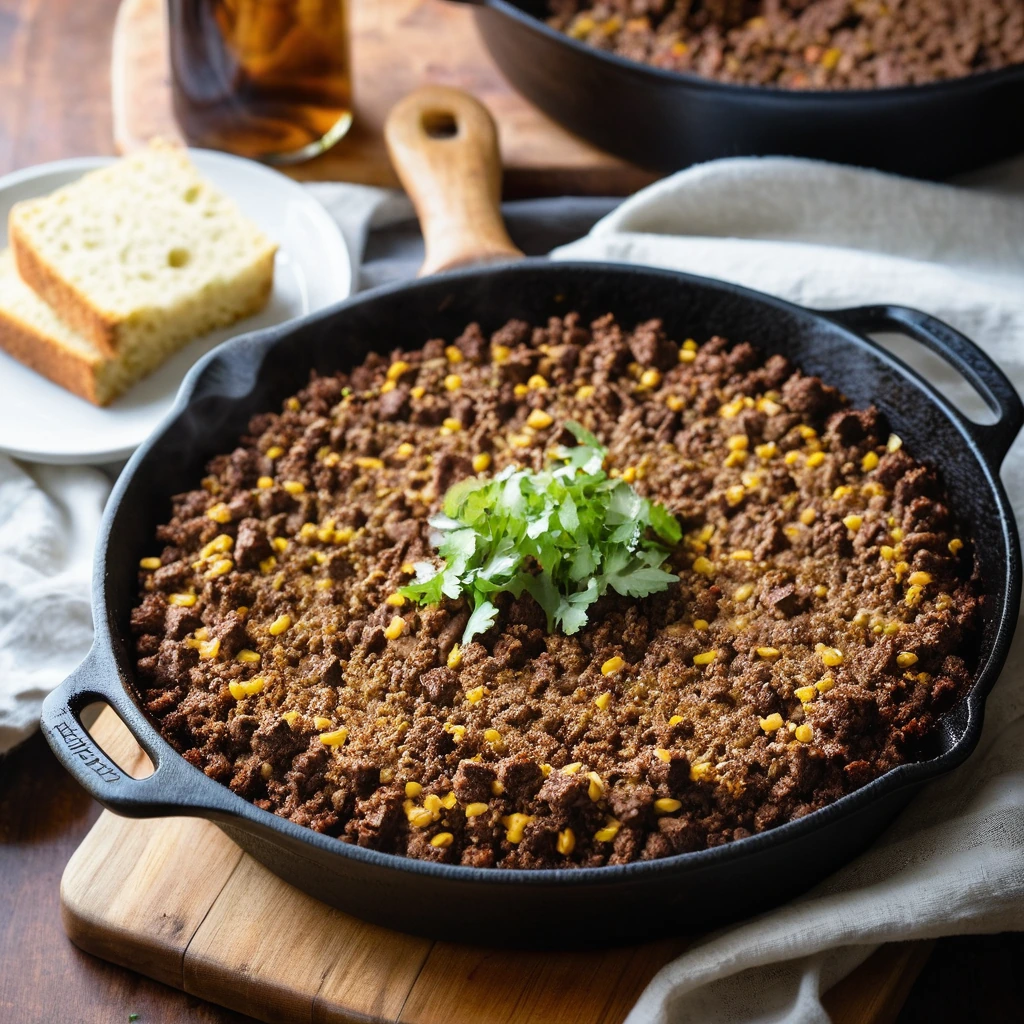
Smoky BBQ Ground Beef and Cornbread Skillet
Imagine the rich smokiness of BBQ sauce mingling with tender ground beef atop golden, crumbly cornbread in a skillet.
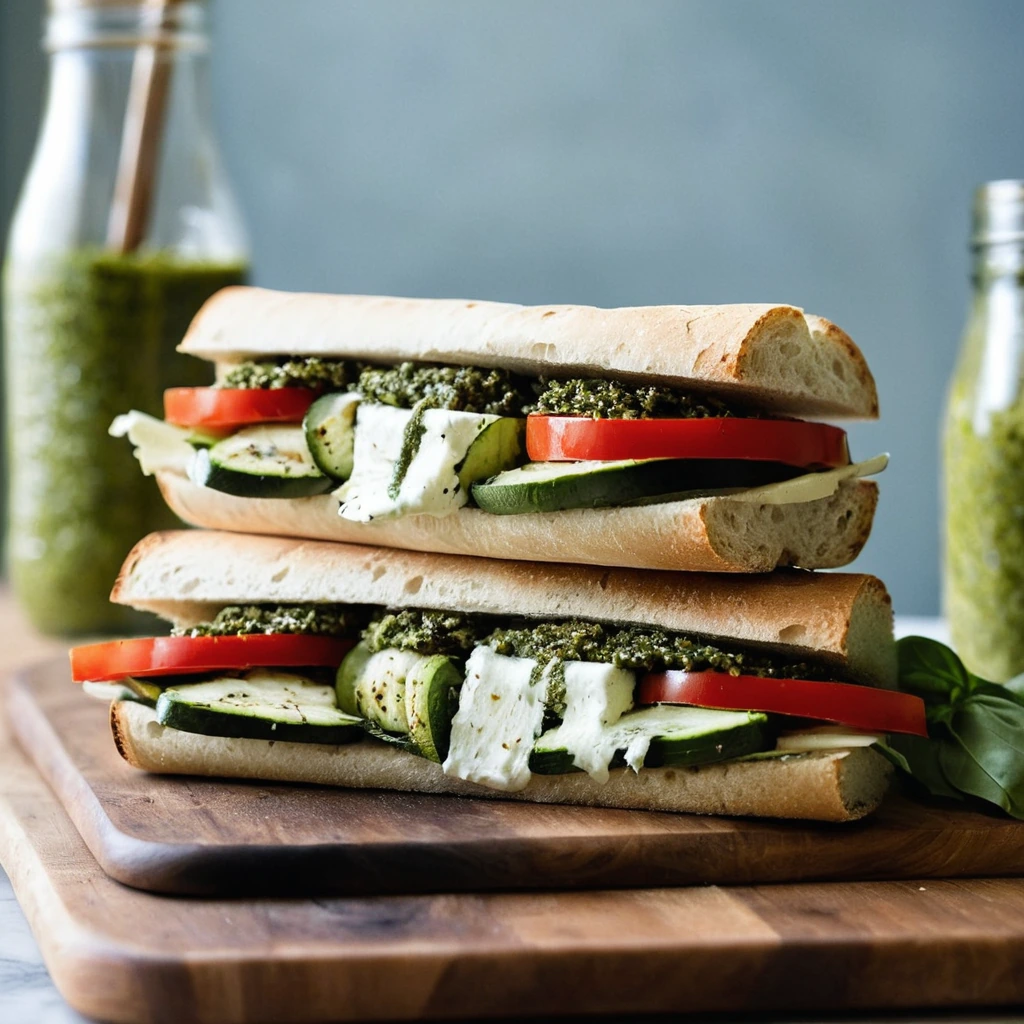
Pesto Roasted Veggie Sandwiches with Mozzarella
Warm, toasty ciabatta cradles a medley of roasted veggies, vibrant pesto, and melty mozzarella for a sandwich that's as hearty as it is fresh.