Heat Management Technique: Moving Pans On and Off Active Burners
Mastering heat management is a cornerstone skill for any home cook aspiring to chef-level finesse. Moving pans on and off active burners is a simple yet powerful technique that allows you to control cooking temperatures without the guesswork of adjusting knobs or relying on fickle stovetop settings. This method is particularly handy for dishes that require precise temperature control, like searing a steak, simmering sauces, or melting delicate ingredients like chocolate. By understanding how to manipulate heat in this way, you can prevent overcooking, achieve perfect browning, and maintain consistent temperatures throughout your cooking process. The technique leverages the residual heat in your cookware, giving you a buffer zone to manage hot and fast versus gentle and slow cooking phases. It’s all about timing, intuition, and understanding how different materials retain heat. With practice, this skill will become second nature, allowing you to navigate your kitchen with confidence and precision. Whether you're working with a cast iron skillet or a stainless steel saucepan, learning to harness residual heat will elevate your culinary prowess. This technique is not only practical but also energy-efficient, reducing the time your burners need to be on full blast. Embrace the art of moving pans on and off the heat to unlock a new realm of control in your cooking adventures.
Notes
The science behind this technique lies in thermal conductivity and heat retention. Different materials like cast iron retain heat longer than aluminum, allowing for extended off-burner cooking times. A common mistake is assuming all pans behave the same; always consider the material and thickness. Safety is key – use oven mitts when handling hot pans. For make-ahead cooking, consider preheating your pan before storing it with residual heat to keep dishes warm. Store your pans properly to maintain their performance over time.
Steps
- 1 Preheat your pan on high heat for 3-5 minutes until it's very hot.
- 2 Add a small amount of oil or butter and let it shimmer but not smoke.
- 3 Once your ingredient is ready, place it in the pan immediately.
- 4 For searing, leave the pan on the burner until you see the desired browning.
- 5 To lower the heat, move the pan to a cooler spot on the burner or off entirely.
- 6 Allow the residual heat to gently cook your food for delicate processes like melting chocolate.
- 7 Check your food regularly to avoid overcooking; use visual cues like color and texture.
- 8 If you need to reheat, return the pan to the active burner and adjust the flame as needed.
- 9 Finish cooking with precision by toggling between on and off-burner positions.
Ingredients to explore
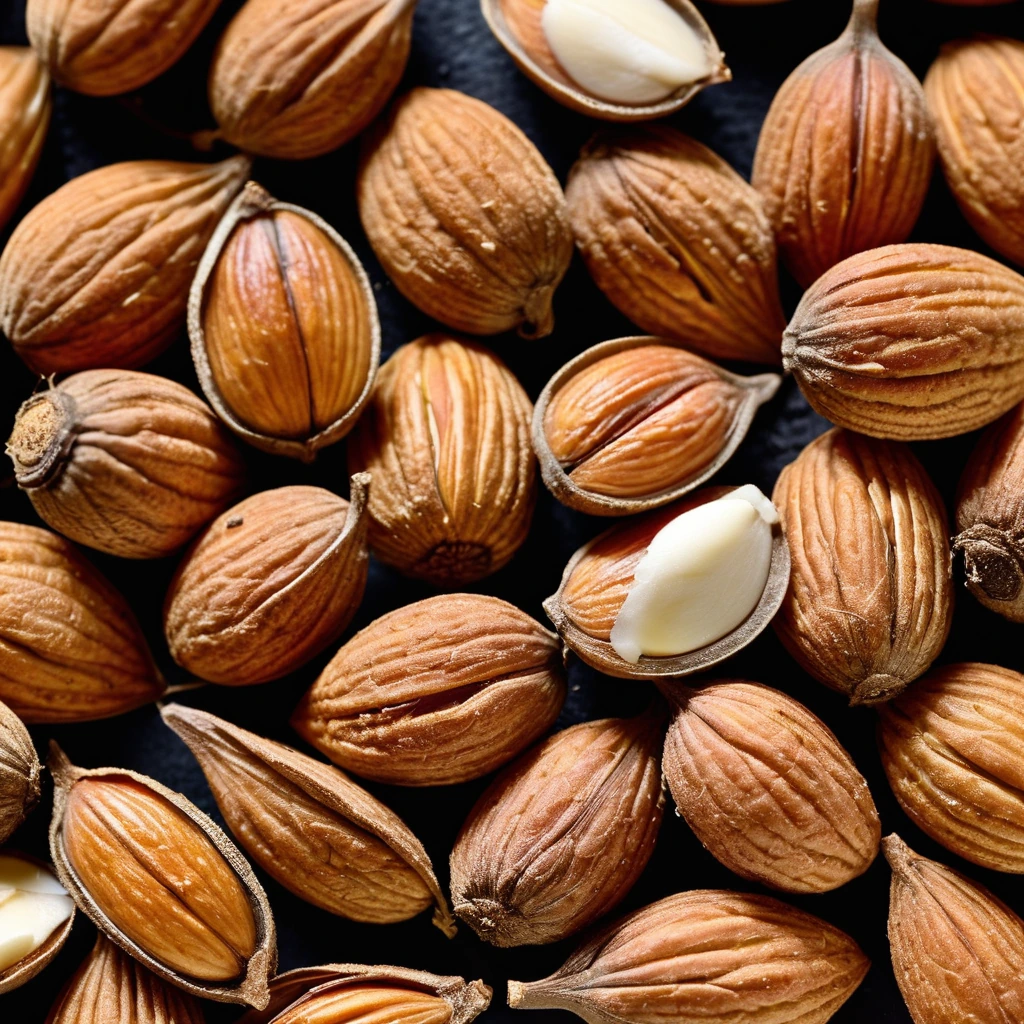
Almond Extract
A fragrant, golden elixir that captures the essence of freshly ground almonds, almond extract is a pantry staple that brings a rich, nutty aroma to your culinary creations.
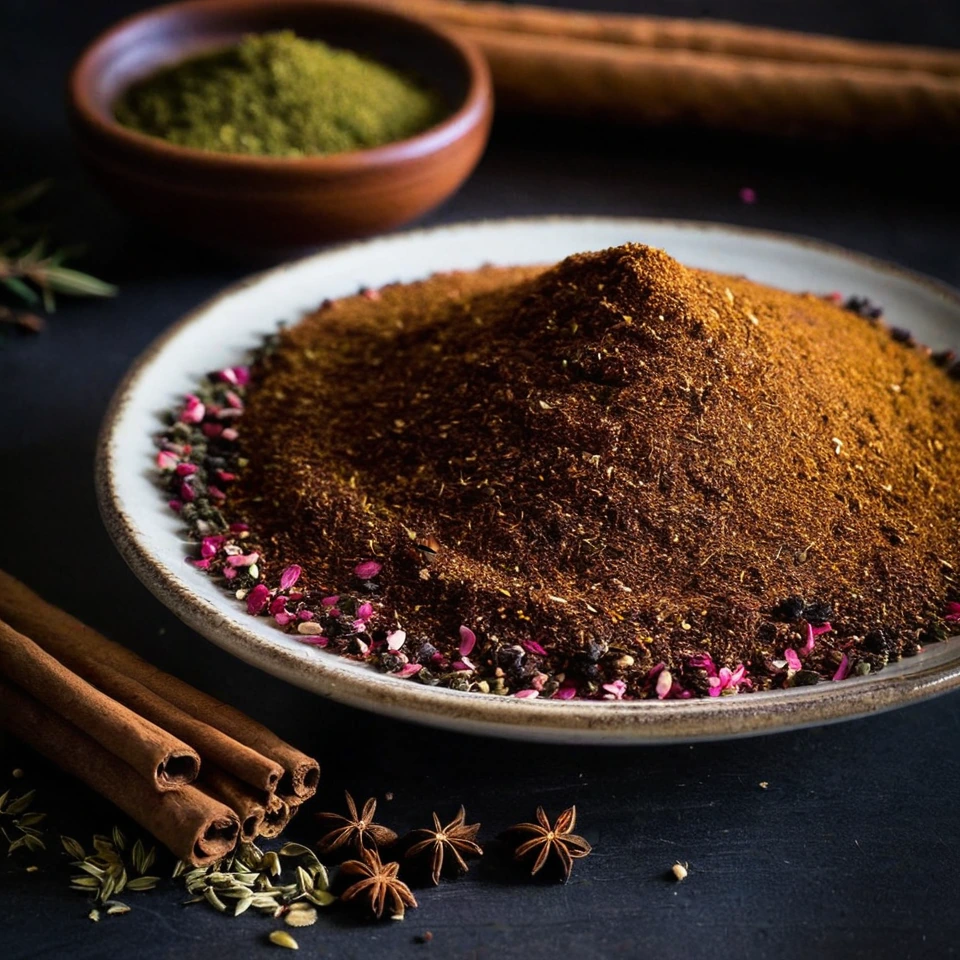
Advieh (Persian Spice Blend)
Advieh is a fragrant Persian spice blend that boasts a complex aroma of warm cinnamon, earthy cumin, and floral hints of rose and saffron. Its texture is finely ground, making it easy to incorporate into dishes. Originating from the rich culinary traditions of Iran, advieh adds depth and sophistication to both savory and sweet recipes. Its unique combination of spices reflects the historical spice trade routes that influenced Persian cuisine.
Recipes to try
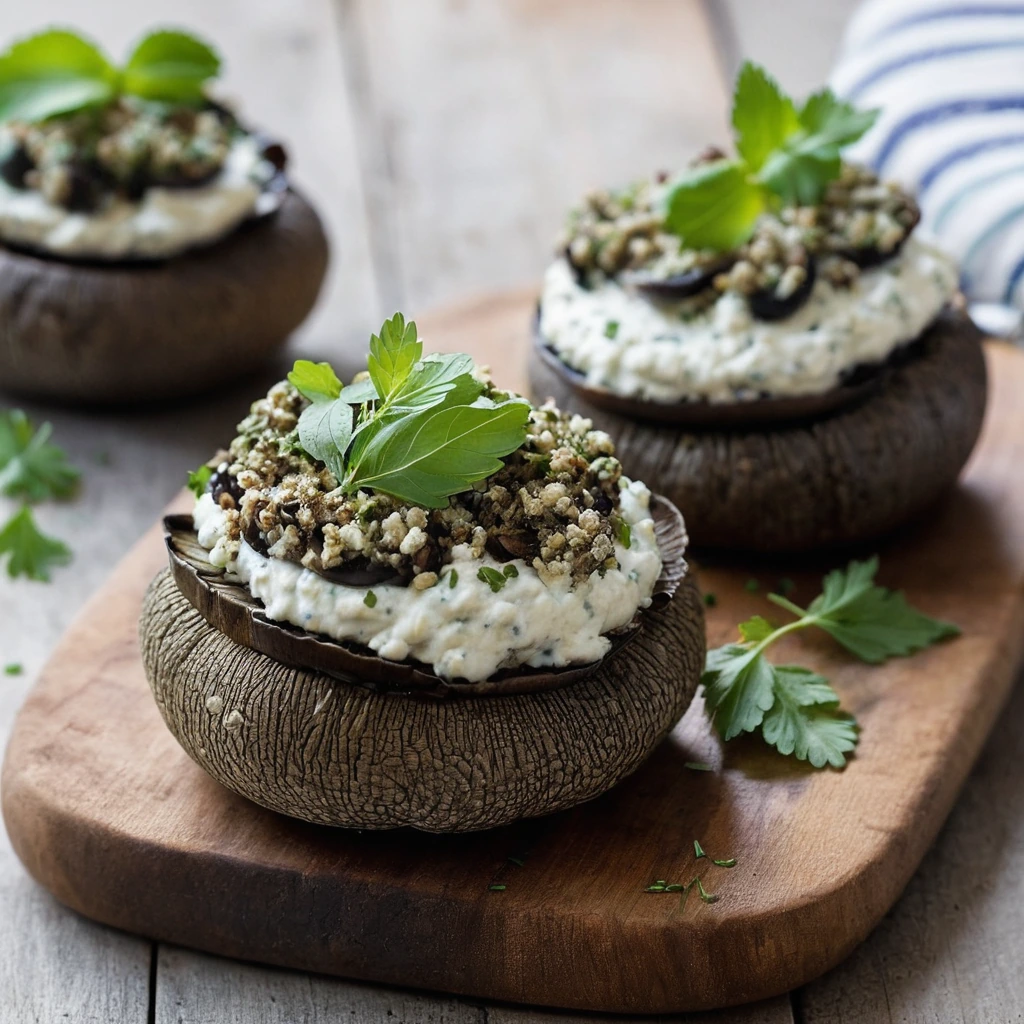
Stuffed Portobello Mushrooms with Herbed Ricotta
These earthy portobello mushrooms are stuffed with a creamy, herbed ricotta mixture, offering a satisfying vegetarian delight that's both elegant and easy.
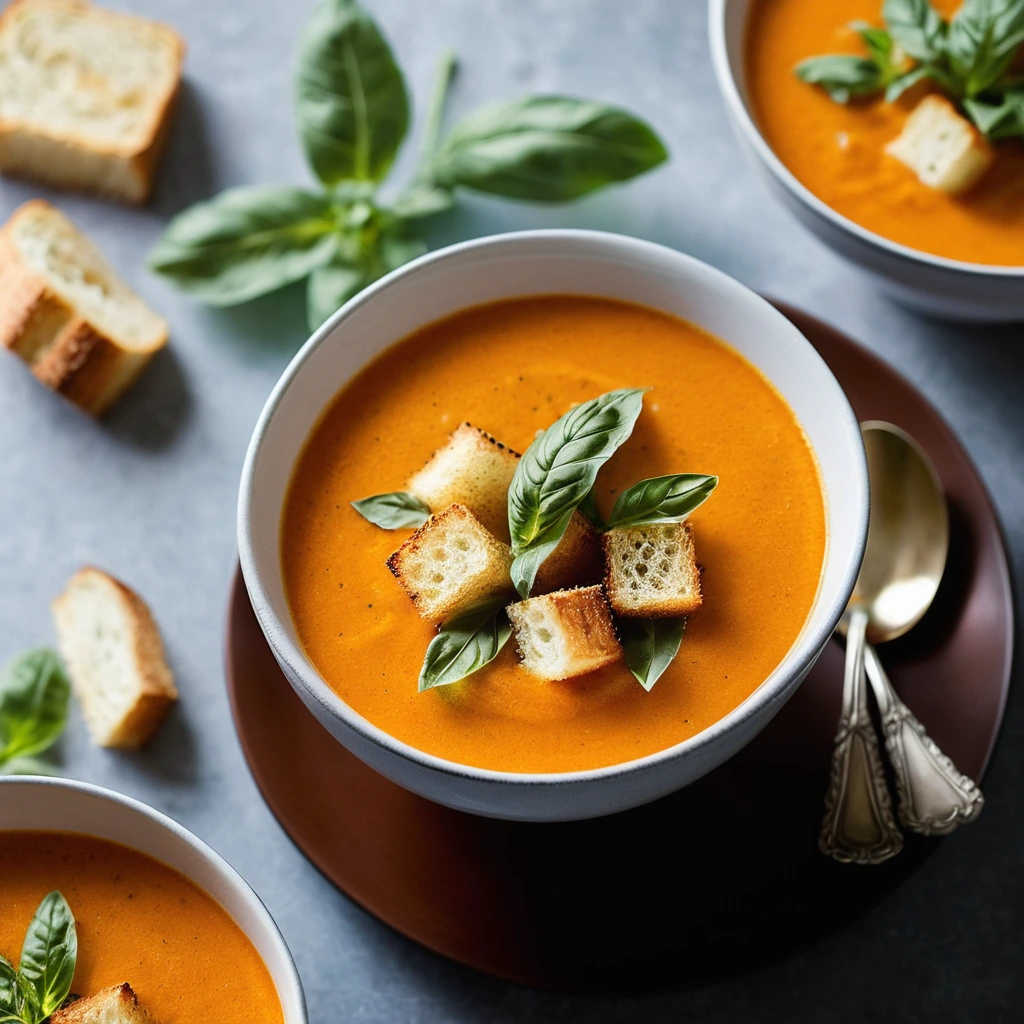
Roasted Garlic and Tomato Basil Soup with Croutons
Creamy, fragrant, and bursting with roasted garlic sweetness, this soup is comfort in a bowl, crowned with golden, crunchy croutons.