Heat Management Technique: Managing Multiple Pots on the Stove
Managing multiple pots on the stove is an art form that can transform your cooking experience from chaotic to calm. Whether you're simmering sauces, boiling pasta, or sautéing vegetables, understanding how to control and balance heat across your stovetop is key to culinary success. Heat management involves more than just turning knobs; it's about understanding the interplay between different heat sources, pot sizes, and cooking times. This technique requires a keen eye and a strategic approach to ensure each dish receives the precise heat it needs without sacrificing quality or timing. By mastering this technique, you can orchestrate a symphony of flavors without the cacophony of burnt pots and undercooked meals. The principles of heat management include understanding burner heat output, pot material and size, and how they affect cooking times. With practice, you'll learn to predict how quickly water boils or how long it takes for a sauce to reduce, making your time in the kitchen efficient and enjoyable.
Notes
Effective heat management relies on understanding heat transfer and thermodynamics. Different materials conduct heat at varying rates, so consider using stainless steel for even heat distribution or cast iron for heat retention. A common mistake is overloading the stove with too many pots, leading to uneven cooking and potential hazards. Always leave space between pots to avoid transferring heat accidentally. Safety is paramount; never leave pots unattended and keep flammable items away from burners. For make-ahead meals, consider preparing components separately and assembling at the last moment to minimize stove congestion. Store your pots properly to prevent damage and maintain their heat-conducting efficiency.
Steps
- 1 Assess your stovetop layout and burner strengths.
- 2 Match pot sizes to burner sizes for optimal heat transfer.
- 3 Start with lower heat settings to avoid rapid temperature changes.
- 4 Use timers to track cooking times for each pot individually.
- 5 Stagger cooking times to avoid simultaneous high-heat demands.
- 6 Adjust burner settings frequently to maintain ideal temperatures.
- 7 Monitor each pot closely for signs of boiling over or scorching.
- 8 Keep lids at hand to control evaporation and cooking speed.
- 9 Use potholders to safely rearrange pots if necessary.
- 10 Utilize back burners for pots requiring less attention.
- 11 Keep a spray bottle with water to tame flare-ups instantly.
- 12 Coordinate with a kitchen timer for multi-step recipes.
- 13 Turn off heat early to let residual warmth finish the cooking process.
Ingredients to explore
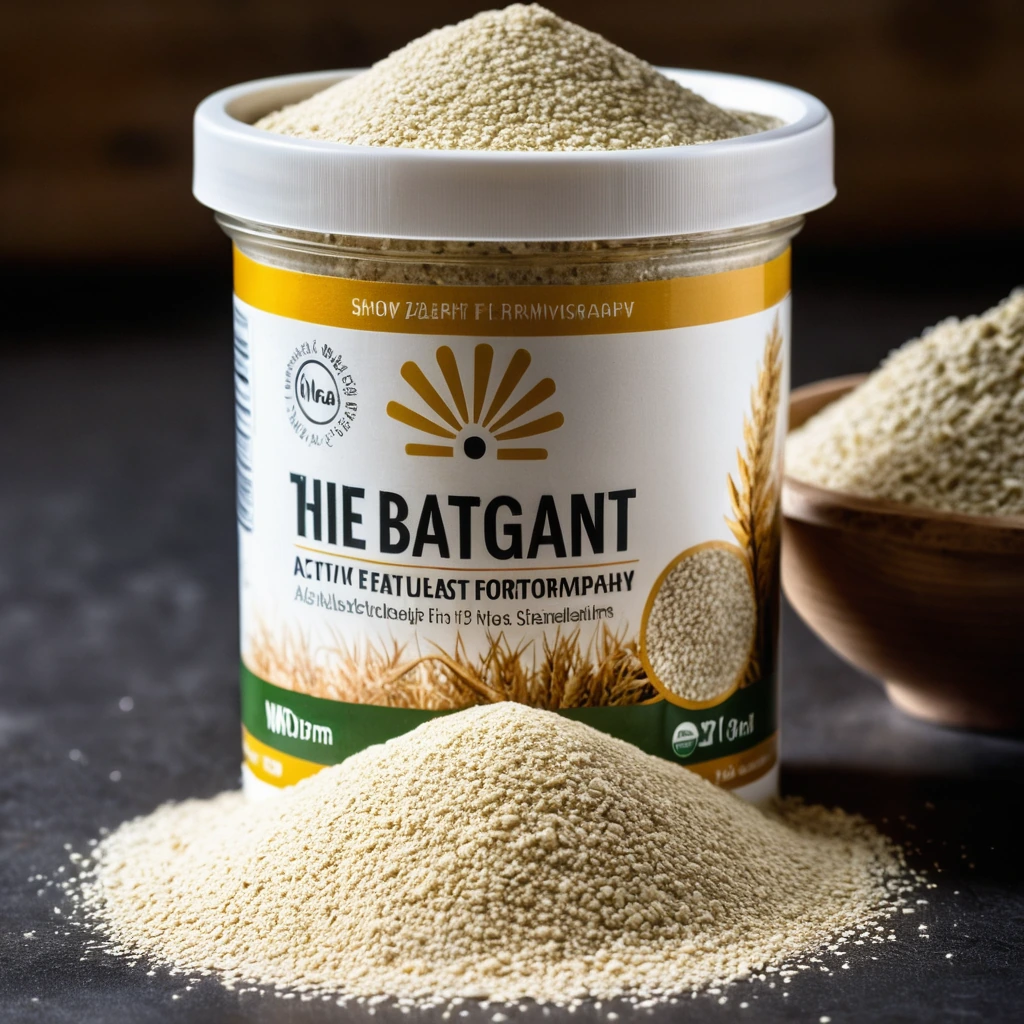
Active Dry Yeast
A fine, granulated leavening agent that brings baked goods to life with its gentle fermentation magic.
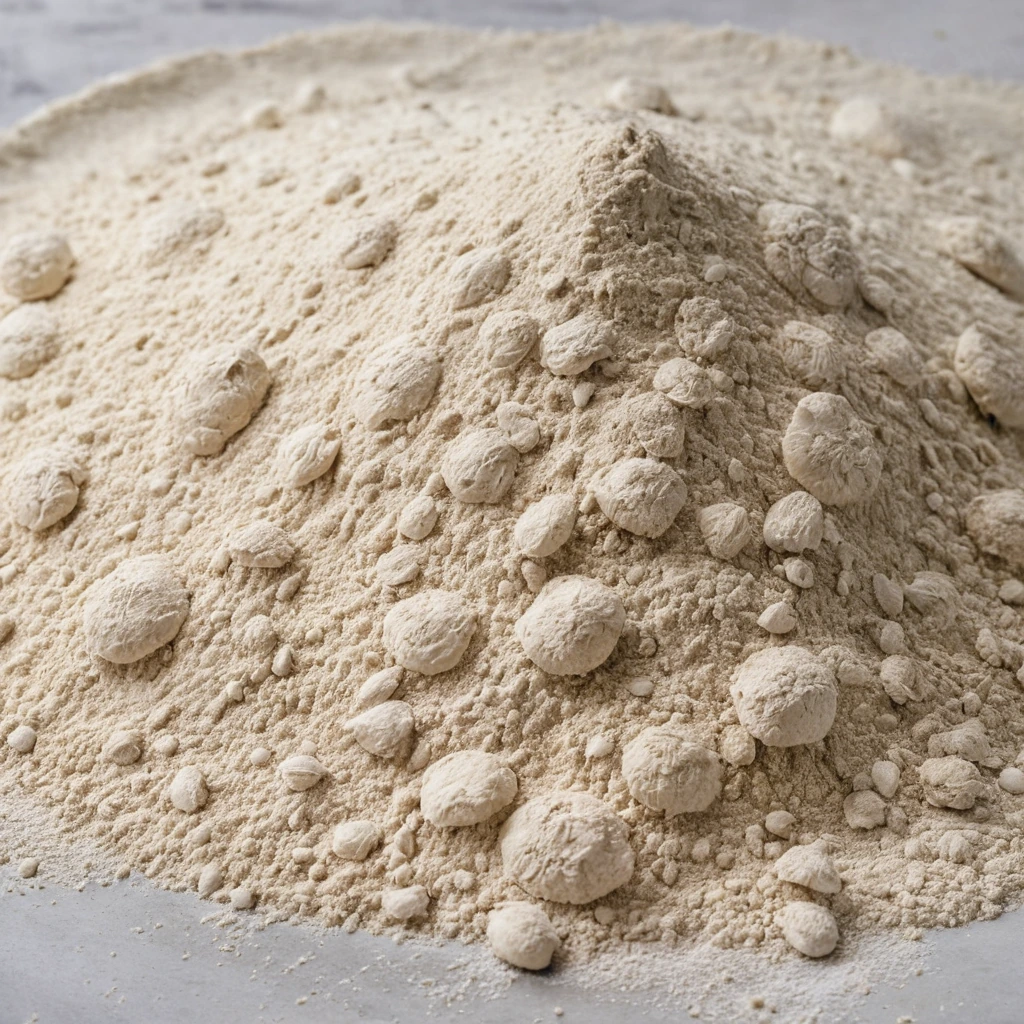
00 Pizza Flour
00 pizza flour is a finely milled Italian flour prized for its versatility in creating authentic Neapolitan-style pizza crusts. Originating from Italy, it is milled to a very fine consistency, which is reflected in its name, 'doppio zero,' indicating its fine grind. This flour has a balanced flavor profile, offering a mild, slightly sweet taste with a subtle nuttiness. Its texture is silky and smooth, contributing to a tender yet chewy crust when used in pizza making. In cooking, 00 pizza flour is known for its ability to hydrate quickly and develop a desirable gluten structure, resulting in a light and airy crust that can withstand high-heat cooking without becoming overly crispy or hard.
Recipes to try
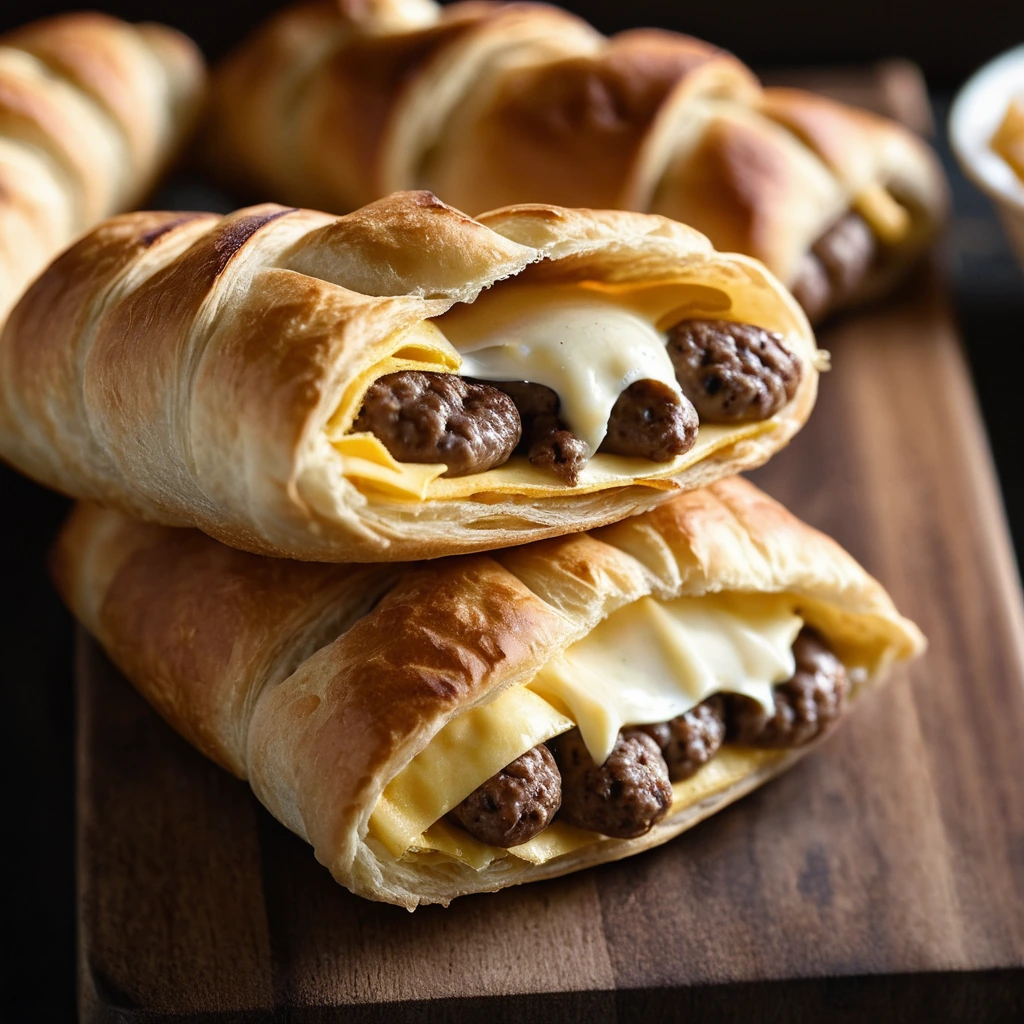
Sausage, Egg, and Cheese Croissant Pockets
Buttery croissants envelop a warm, savory trio of sausage, fluffy scrambled eggs, and melty cheese for a breakfast pocket that's pure bliss.
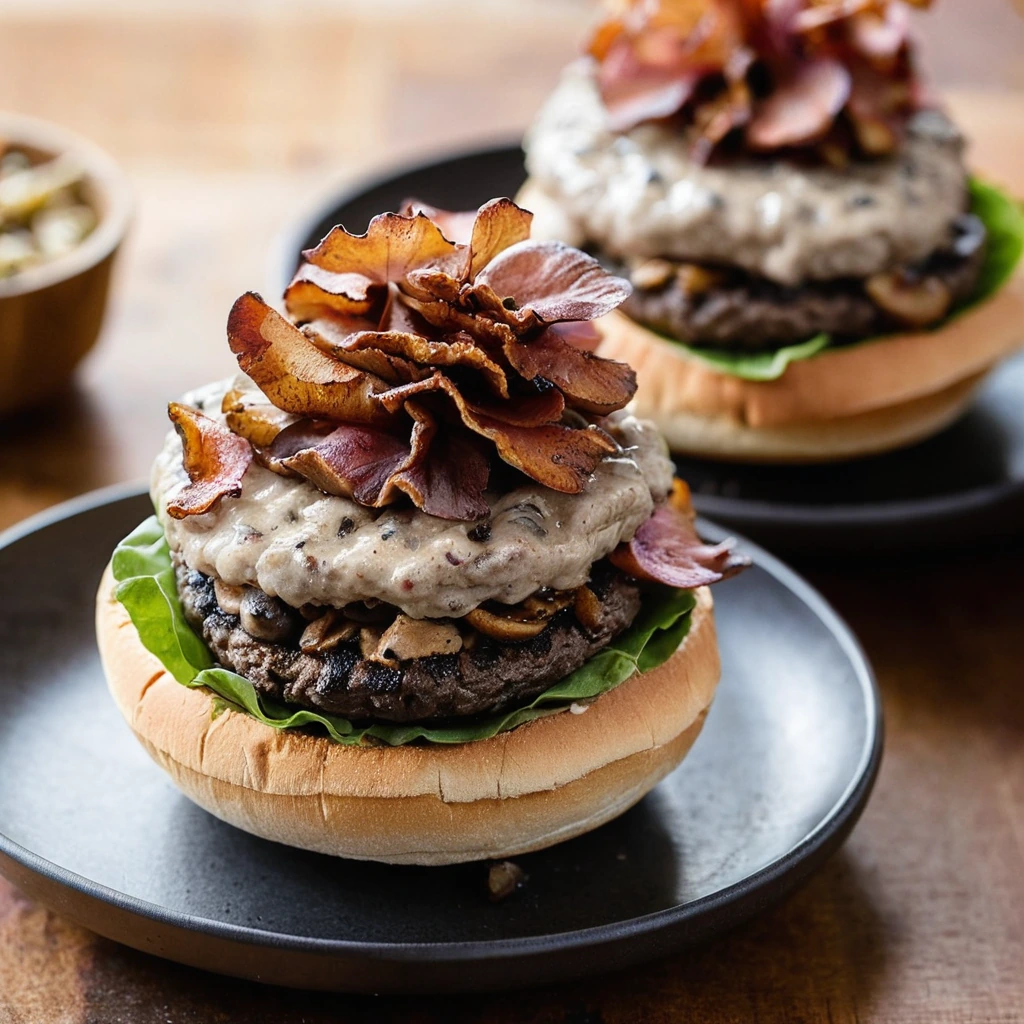
Maple Bacon Mushroom Burger Bowls
Sweet, smoky, and savory come together in these hearty bowls, where juicy burger patties meet crispy bacon and earthy mushrooms.