Healthy Cooking: Steaming Instead of Boiling Vegetables
Steaming vegetables is a gentle and nutritious way to cook, preserving more vitamins and minerals compared to boiling. When vegetables are submerged in boiling water, they can lose valuable nutrients into the water, which often gets discarded. Steaming, however, keeps veggies intact above the waterline, allowing them to cook in the steam, retaining their vibrant colors, crisp textures, and nutritional integrity. This method is ideal for delicate vegetables like broccoli, asparagus, and green beans. Steaming also requires minimal equipment and is quick, making it perfect for busy home cooks. By mastering the art of steaming, you can elevate the flavor and health benefits of your vegetables without needing to rely on oils or fats. In this guide, we'll explore the technique in depth, from choosing the right equipment to understanding cooking times for various vegetables.
Notes
Steaming vegetables works because the gentle heat cooks them evenly without direct contact with water, preserving nutrients like vitamin C and folate. To avoid overcooking, use a timer and check vegetables a minute before the suggested time. Keep a close eye on the water level to prevent it from boiling dry, which could lead to scorching. For make-ahead purposes, steamed vegetables can be stored in an airtight container in the refrigerator for up to 3 days. To reheat, simply steam them again briefly to restore their texture.
Steps
- 1 Select fresh vegetables and wash them thoroughly.
- 2 Trim any stems or ends as needed.
- 3 Fill a pot with about 2 inches of water and bring to a boil over medium-high heat.
- 4 Place a steaming basket or insert into the pot, ensuring it doesn't touch the water.
- 5 Arrange the vegetables in a single layer in the steaming basket.
- 6 Cover the pot with a lid to trap the steam inside.
- 7 Steam vegetables for 3-7 minutes, depending on type and desired tenderness.
- 8 Check for doneness by piercing with a fork; they should be tender yet retain a slight crunch.
- 9 Remove the basket from the pot immediately once vegetables are cooked.
- 10 Transfer vegetables to a serving dish.
- 11 Season with salt, pepper, or other desired seasonings immediately after steaming.
- 12 Serve promptly to enjoy the best texture and flavor.
Ingredients to explore
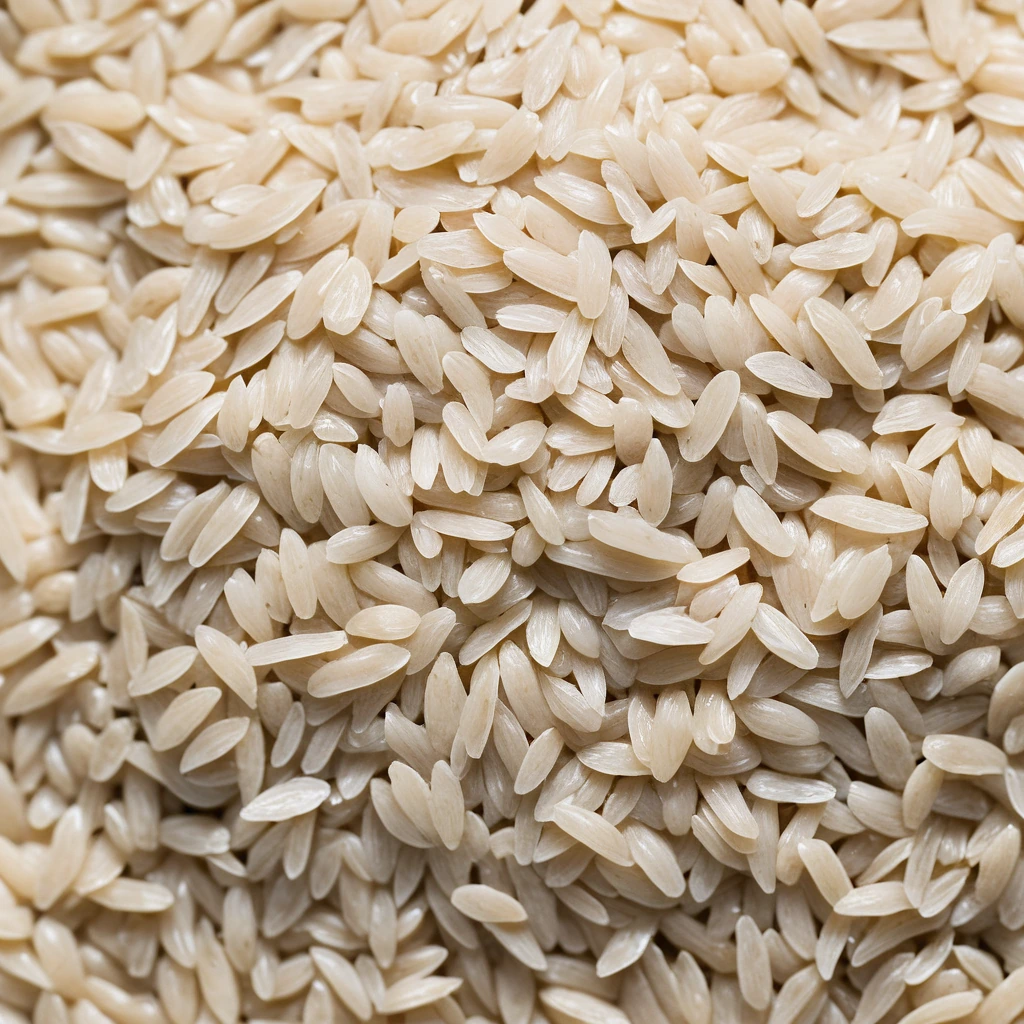
Arborio Rice
Arborio rice is a short-grain Italian rice variety renowned for its use in risotto. Originating from the Po Valley in Northern Italy, it is a staple in Italian cuisine. Its flavor is mild and nutty, with a pleasant creamy texture when cooked due to its high amylopectin content, which releases starch and creates a velvety consistency. The grains remain plump and firm to the bite, offering a satisfying chewiness. In cooking, Arborio rice excels at absorbing flavors from broths and seasonings while maintaining its shape, making it ideal for dishes that require both creaminess and structure.
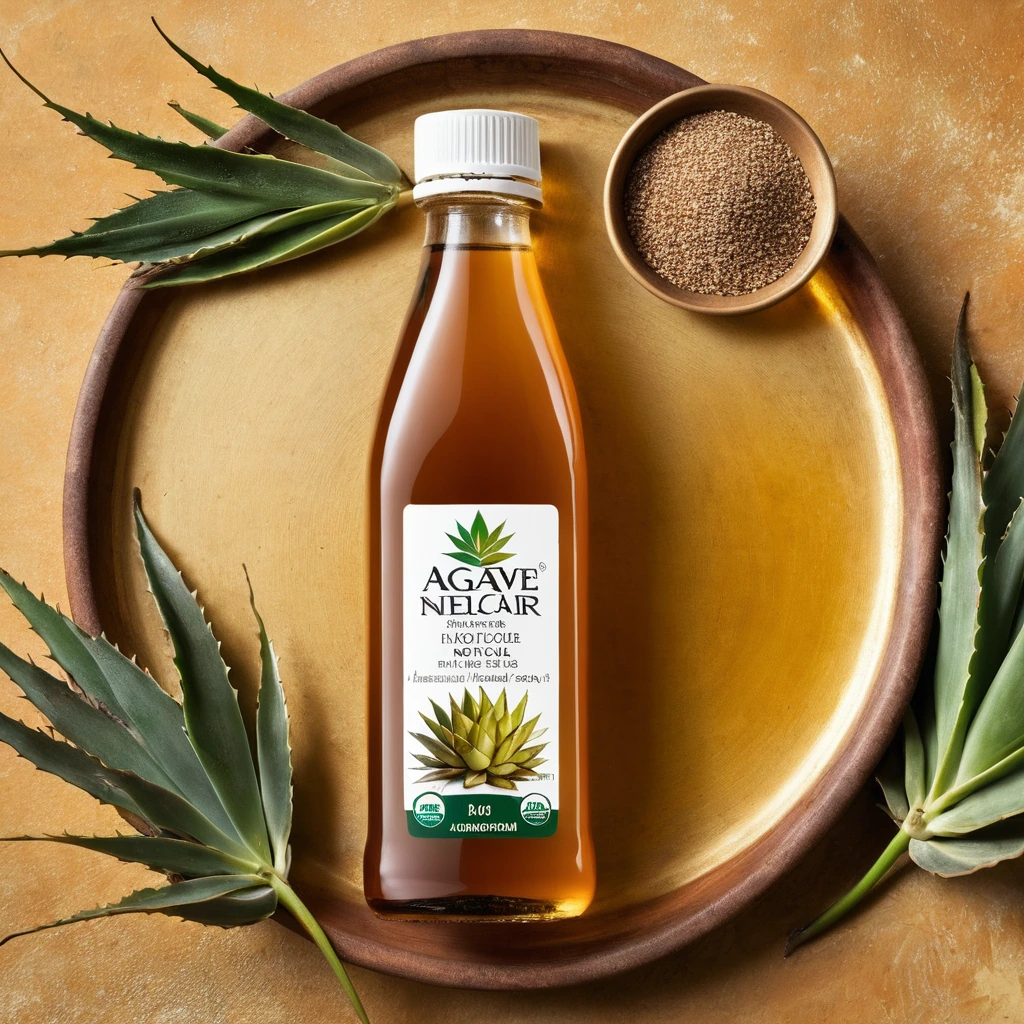
Agave Nectar
A golden, velvety sweetener derived from the agave plant, offering a subtly sweet flavor with a smooth, syrup-like texture.
Recipes to try
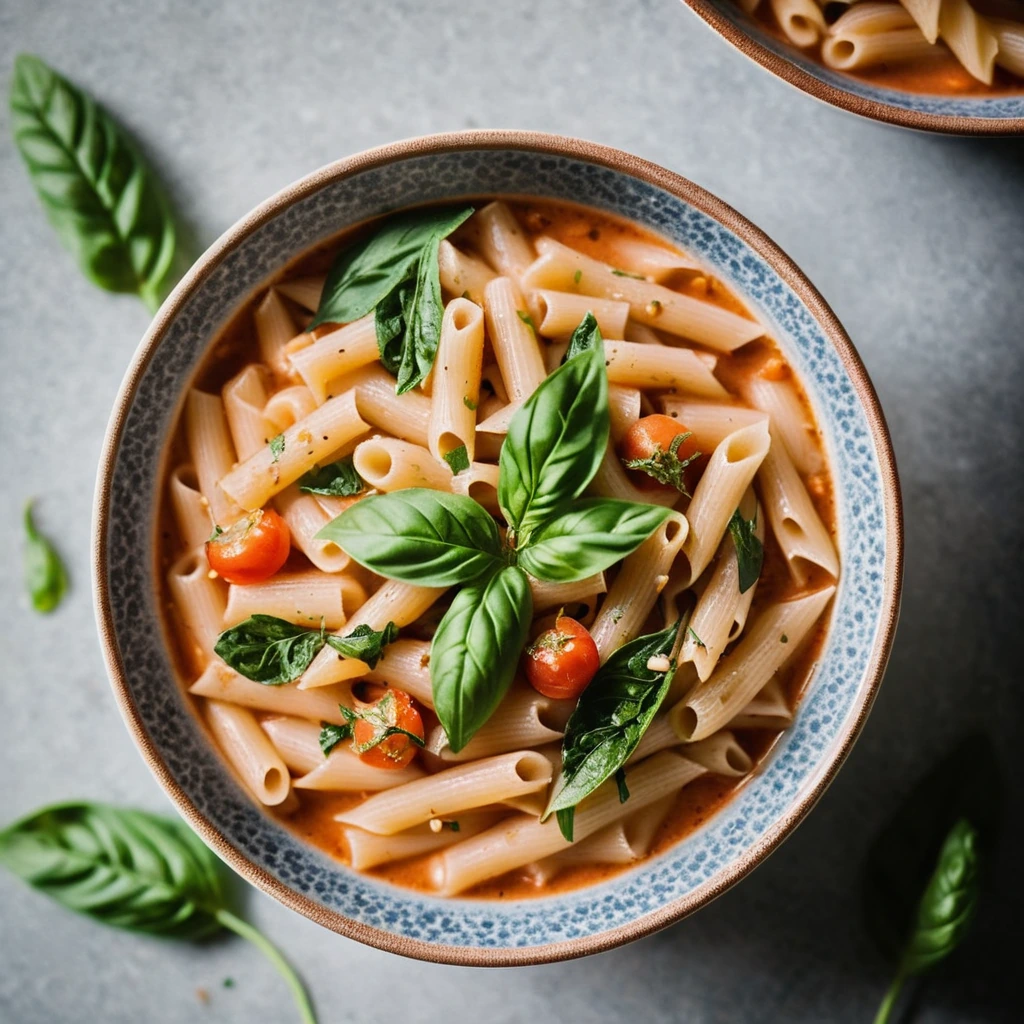
One-Pot Tuscan White Bean and Pasta Stew
Warm up with this hearty stew where tender pasta mingles with creamy cannellini beans in a rich, garlicky tomato broth.

Sweet Potato and Black Bean Loaded Nachos
Crispy tortilla chips piled high with roasted sweet potatoes, black beans, and melty cheese, all topped with fresh cilantro and a zesty lime kick.