Healthy Cooking: Reducing Sodium Without Losing Flavor
Cooking with less sodium doesn't mean sacrificing taste. This technique will guide you through smart substitutions and flavor-enhancing methods to craft delicious, low-sodium meals. Start by understanding the role of salt in cooking – it enhances flavor, controls texture, and balances other tastes. However, too much sodium can lead to health issues. The secret lies in replacing salt with a symphony of herbs, spices, acids, and umami-rich ingredients. Experiment with fresh herbs like basil, cilantro, and parsley, which add brightness and depth. Spices such as cumin, paprika, and turmeric offer warmth and complexity. Acids like lemon juice, lime, and vinegar can perk up dishes, while umami from ingredients like mushrooms, miso paste, and Parmesan cheese can provide savory depth. Additionally, techniques like roasting, grilling, and caramelizing can naturally intensify flavors. Remember, seasoning is an ongoing process; taste as you cook to adjust and balance flavors effectively.
Notes
Reducing sodium is about understanding flavor profiles and how they interact. Salt masks bitterness and enhances sweetness, so replacing it requires attention to balancing tastes. When using herbs and spices, consider their potency – dried herbs are more concentrated than fresh. For acids, start with small amounts to avoid overpowering your dish. Safety is key: always taste before adding more salt to prevent overuse. Many elements of this technique can be prepped ahead, like roasting vegetables or making herb blends, and stored in airtight containers for up to a week. This preparation makes it easier to whip up healthy meals without compromising on taste.
Steps
- 1 Begin by selecting fresh herbs and spices that complement your dish.
- 2 Use citrus zest and juice to add a burst of brightness and tang.
- 3 Incorporate umami-rich ingredients like mushrooms or a splash of soy sauce.
- 4 Experiment with roasting vegetables to naturally caramelize their natural sugars.
- 5 Grill proteins to develop a flavorful crust without added salt.
- 6 Add layers of flavor with aromatic vegetables like onions, garlic, and ginger.
- 7 Use unsalted stocks or broths and season them with herbs and spices.
- 8 Finish dishes with a drizzle of high-quality olive oil or a sprinkle of fresh herbs.
- 9 Taste your dish frequently and adjust seasoning with small amounts of salt if needed.
Ingredients to explore
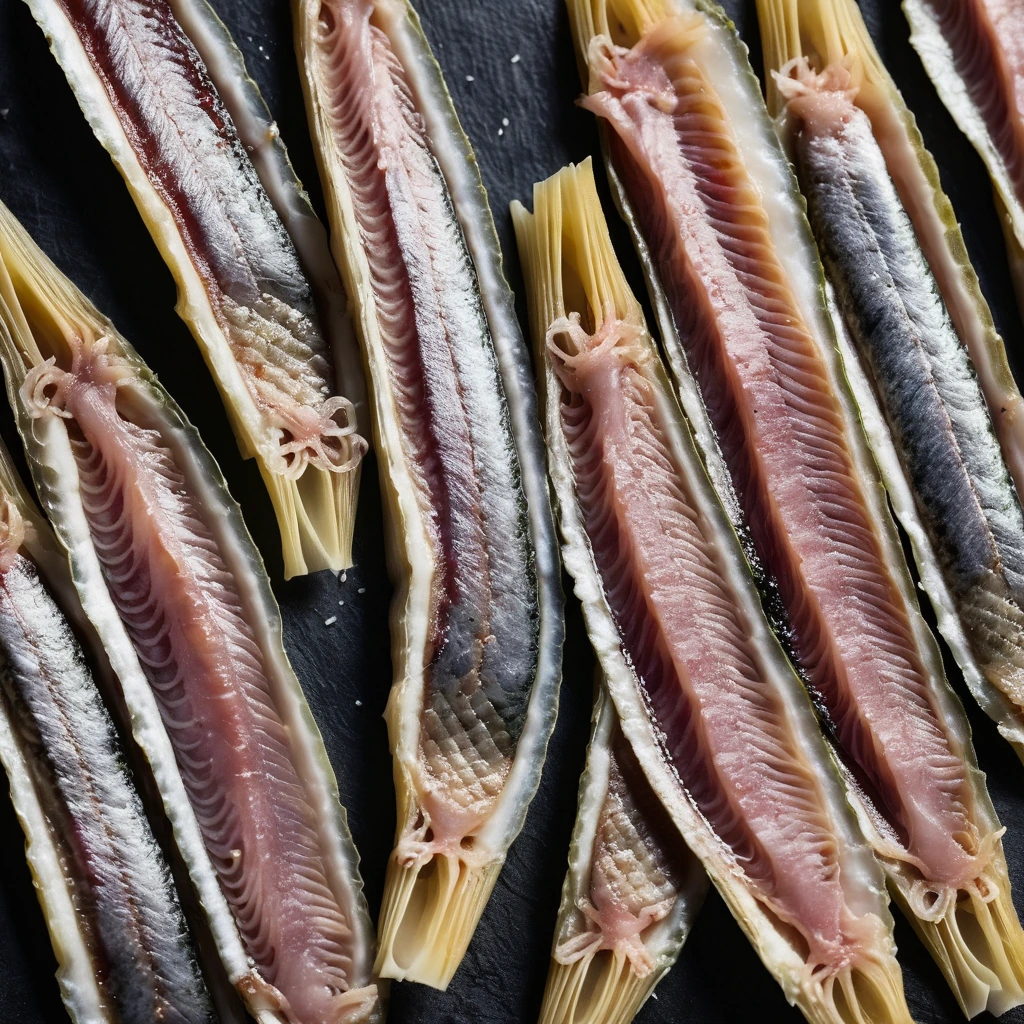
Anchovy Fillets
Silvery and succulent, anchovy fillets are a briny treasure from the sea. Their rich, umami flavor adds depth to dishes, making them a beloved ingredient in kitchens worldwide.

American Cheese Slices
Those iconic, perfectly pliable slices of creamy, mild American cheese. Each slice boasts a smooth, melt-in-your-mouth texture that brings comfort to any dish.
Recipes to try
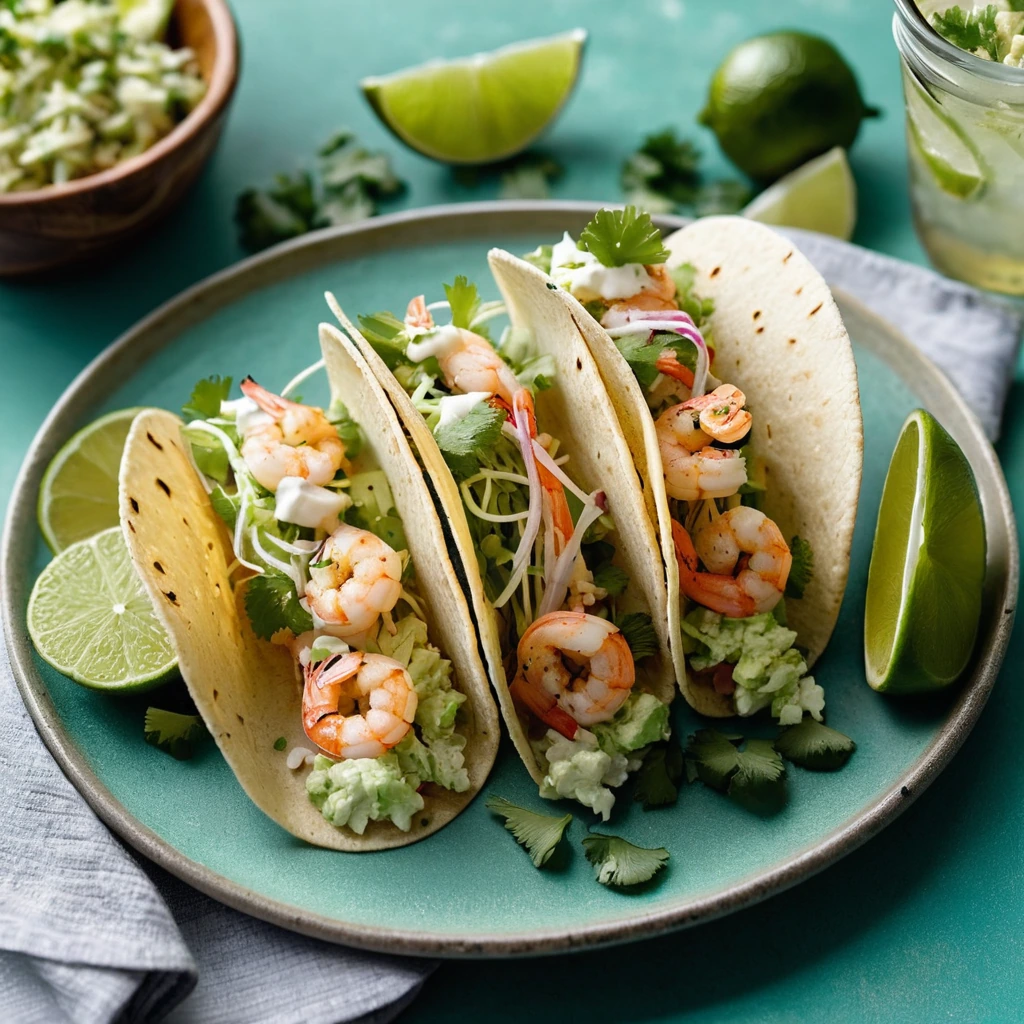
Shrimp Tacos with Cilantro Lime Slaw
Juicy grilled shrimp nestled in warm tortillas, topped with a vibrant cilantro lime slaw that's as refreshing as a sea breeze.
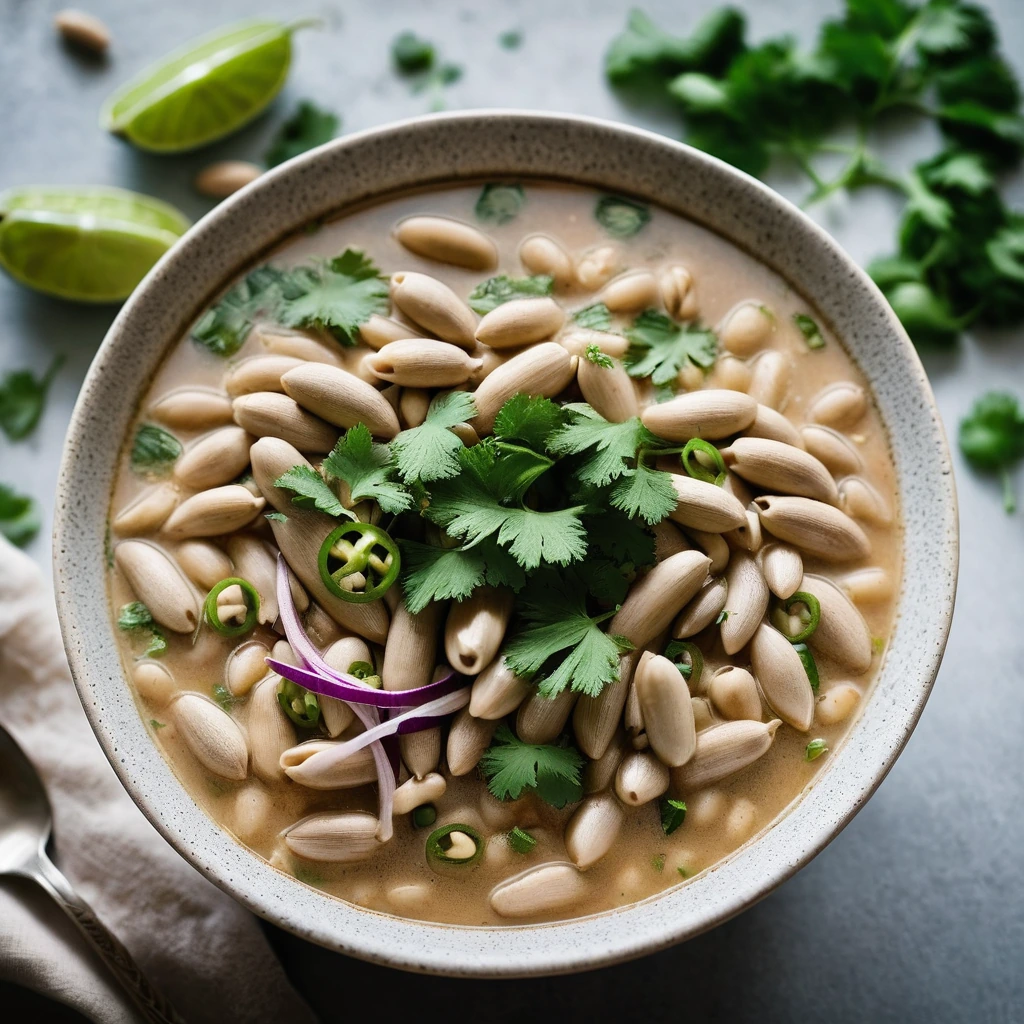
White Bean Chicken Chili with Green Chiles
A hearty, creamy chili brimming with tender chicken, buttery white beans, and a kick of smoky green chiles.