Grilling: Creating Crosshatch Grill Marks
Creating crosshatch grill marks is an art that elevates your grilling game, transforming ordinary grilled food into a masterpiece of flavor and presentation. These distinctive marks are not just for show; they also maximize the Maillard reaction, enhancing the smoky, caramelized flavors of your food. Achieving perfect crosshatch marks requires understanding your grill, preparing your food correctly, and employing precise timing and technique. First, preheat your grill to medium-high heat, around 400°F to 450°F, ensuring a clean and oiled grate to prevent sticking. The food should be dry and at room temperature, allowing for better sear and mark formation. Place your food on the grill at a 45-degree angle to the grates. After about 1-2 minutes, check for initial grill marks by gently lifting a corner with tongs. Rotate the food 90 degrees to create the crosshatch pattern and cook for another 1-2 minutes. Flip the food and repeat the process on the other side. This technique works well with firm foods like vegetables, steaks, chicken breasts, and fish fillets. The key is patience and attention to avoid overcooking. Remember, the goal is to sear, not to char. Perfect crosshatch marks not only enhance the visual appeal but also indicate that you've achieved a delicious crust packed with smoky flavor. This technique requires practice, but once mastered, it's a surefire way to impress at any cookout.
Notes
Creating crosshatch grill marks works due to the direct contact and heat transfer from the grill grates to the food, promoting the Maillard reaction. Common mistakes include overcrowding the grill, which can lead to steaming rather than searing, and not preheating the grill properly. Ensure your grill is clean and well-oiled to prevent sticking and flare-ups. For safety, always use tongs instead of a fork to avoid piercing the food and losing juices. These marks are best achieved with firm foods; delicate items like fish fillets may fall apart. For make-ahead, grill your food just before serving, as reheating can diminish the texture and crispness of the marks. Store leftovers in an airtight container in the refrigerator for up to 3 days.
Steps
- 1 Preheat your grill to medium-high heat, about 400°F to 450°F.
- 2 Clean and oil the grill grates to prevent sticking.
- 3 Pat your food dry with paper towels and let it rest at room temperature.
- 4 Place food on the grill at a 45-degree angle to the grates.
- 5 Cook for 1-2 minutes, checking for initial grill marks by lifting a corner gently with tongs.
- 6 Rotate the food 90 degrees to create the crosshatch pattern and cook for another 1-2 minutes.
- 7 Flip the food and repeat the process on the other side.
- 8 Continue cooking to desired doneness, monitoring closely to avoid burning.
- 9 Transfer grilled food to a plate and let it rest for a few minutes before serving.
Ingredients to explore
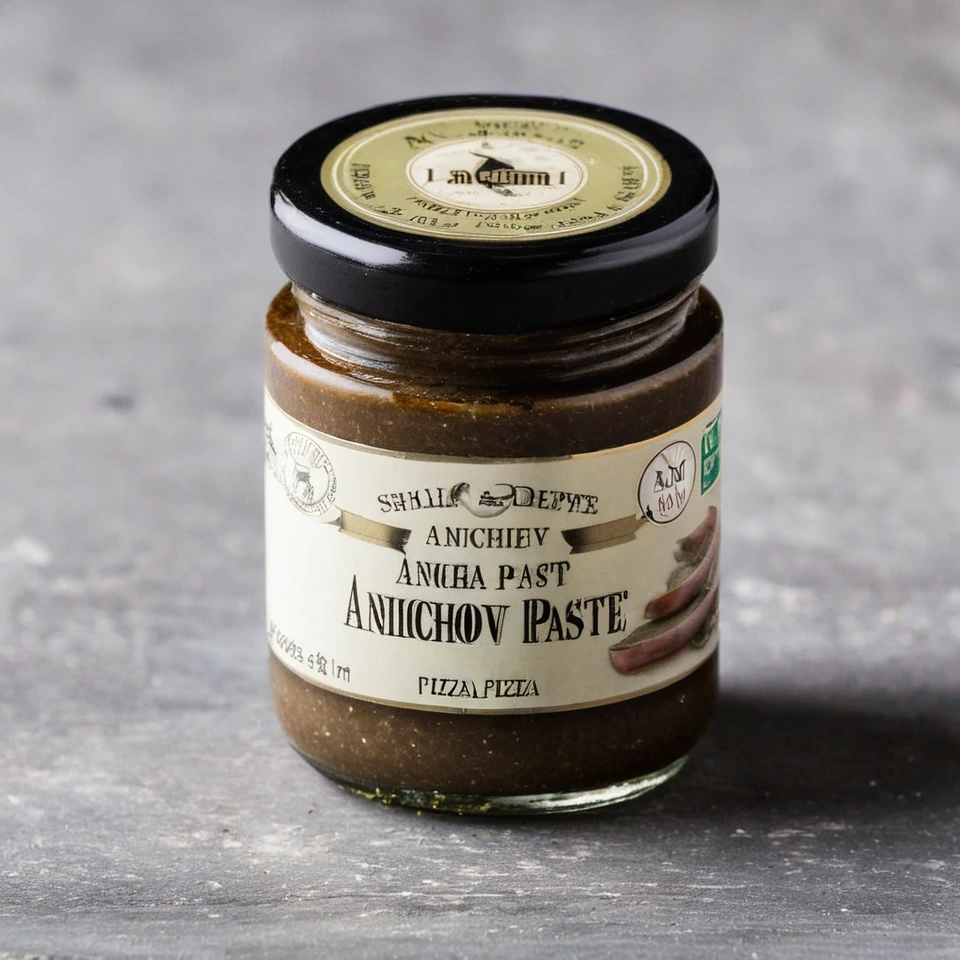
Anchovy Paste
Anchovy paste is a rich, salty spread made from finely ground anchovies, salt, and sometimes olive oil. It offers a deep umami flavor that enhances a variety of dishes.
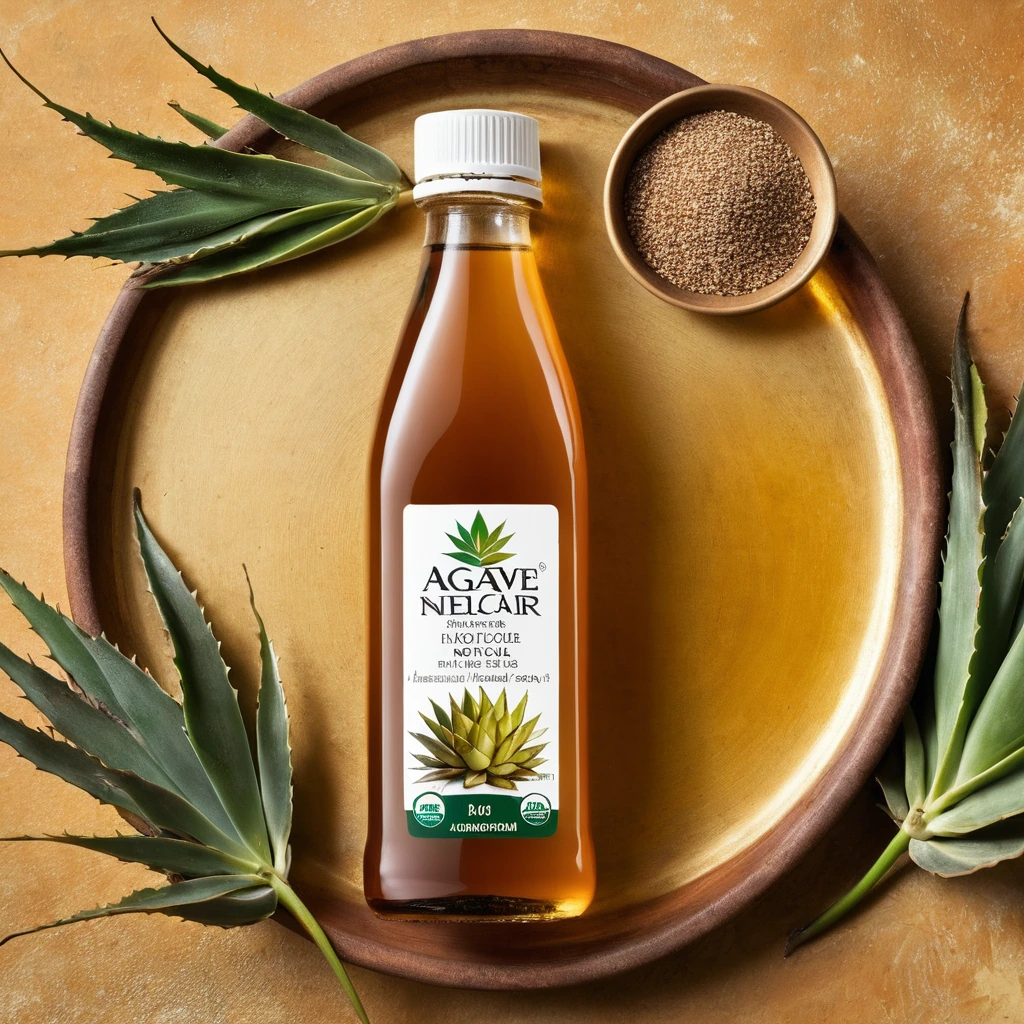
Agave Nectar
A golden, velvety sweetener derived from the agave plant, offering a subtly sweet flavor with a smooth, syrup-like texture.
Recipes to try
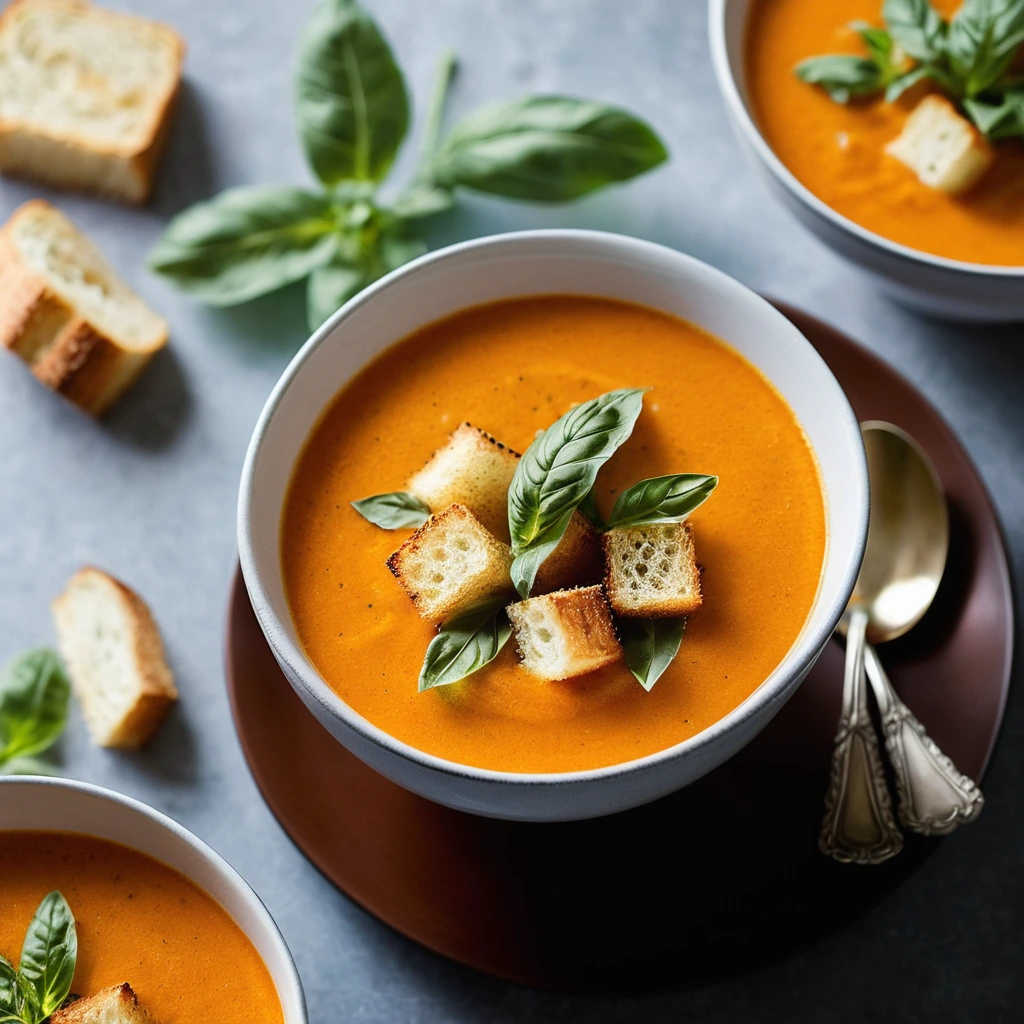
Roasted Garlic and Tomato Basil Soup with Croutons
Creamy, fragrant, and bursting with roasted garlic sweetness, this soup is comfort in a bowl, crowned with golden, crunchy croutons.
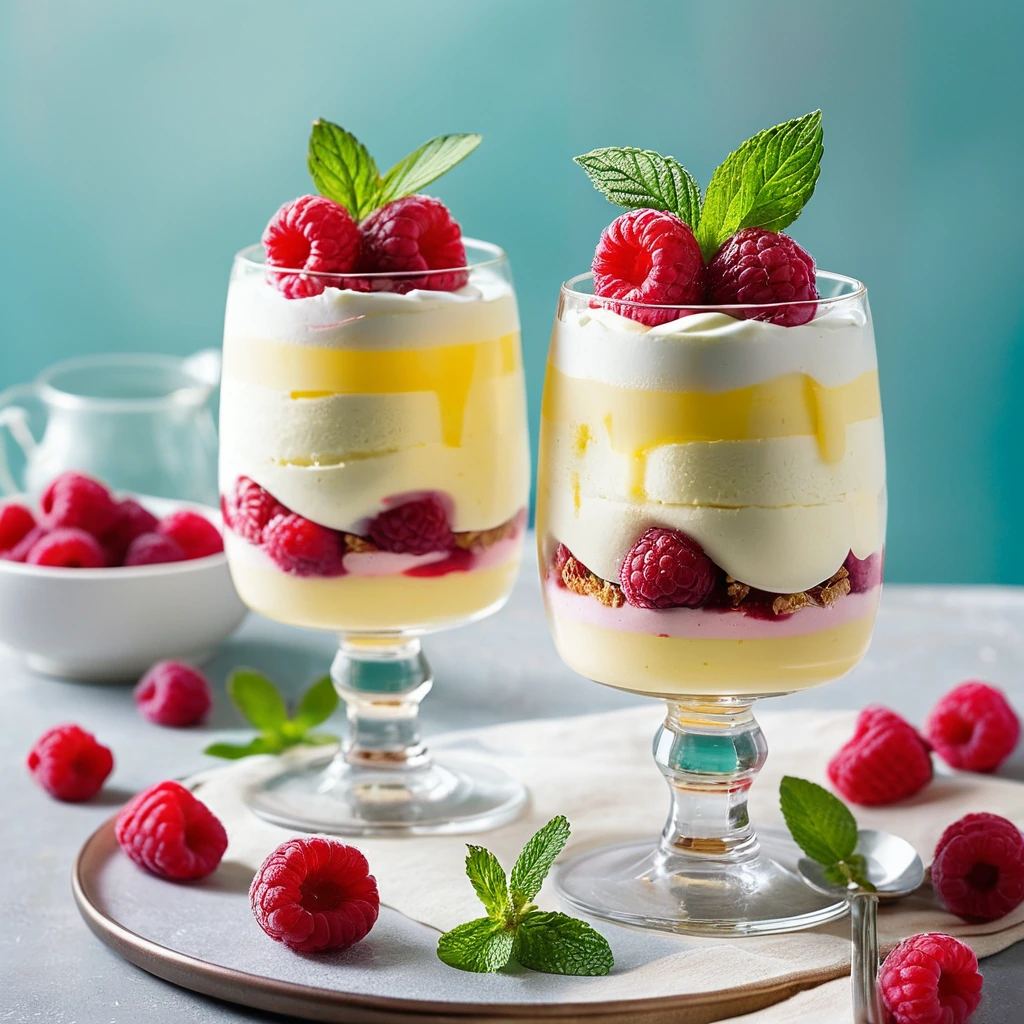
Lemon Raspberry Cheesecake Parfaits
Creamy layers of lemon cheesecake meet tangy raspberry swirls in a delightful parfait that's as pretty as it is delicious.